Right at Home in Langhorne, PA
SaveInformation last verified:
340 E Maple Ave, Langhorne, PA 19047
For more information about senior living options: (844) 490-3973
Right at Home Langhorne is best suited for families seeking dependable, compassionate in-home care that can be mobilized quickly and run as a coordinated team. It serves seniors needing daily living assistance, recovery support after surgery, ongoing memory-care needs, or hospice-style care delivered at home. The model shines when a loved one requires reliable scheduling, frequent check-ins, and a steady cadre of caregivers who can cover mornings, evenings, overnights, and weekends. This is not a drop-in agency, it is a full-spectrum home-care partner that can scale up or down as needs shift, while keeping a high bar for communication and continuity. Families with a strong preference for keeping a loved one at home, with care that feels like a family affair, will find this Langhorne operation particularly well aligned with those goals. Those who anticipate only a one- or two-hour-per-day arrangement or who insist on a facility setting may want to explore alternatives.
The strongest draws are the people and the process behind the service. Caregivers consistently earn praise for being caring, punctual, patient, and capable, with many reviews naming specific individuals who made a difference, Tracey, Al, Marlene, Agnes, Mary, Vivian, Jemelia, and dozens more. The office and care-management teams earn almost universal commendation for responsiveness, clear communication, and professional warmth. The program routinely demonstrates a robust capacity to start quickly, coordinate multiple caregivers when needed, and maintain a steady presence during difficult times, including end-of-life or hospice phases. Families repeatedly note that the organization can arrange coverage on short notice, deliver scheduled visits with reliability, and keep family members informed through regular updates and written reports.
A closer look at the experience reveals a service that excels in continuity and adaptability. The agency emphasizes matching caregivers to personalities and needs, which translates into strong rapport with patients who may have memory issues, limited mobility, or anxiety around care. Overnight coverage, 12-hour shifts, and live-in options appear in the testimonials as valued capabilities, along with the reassurance that a managed team persists beyond a single caregiver. The level of hands-on oversight, from initial assessment to care planning to ongoing check-ins by leaders such as Nicole, Jess, and Denise, contributes to a sense of reassurance that problems will be identified and addressed rather than ignored. In moments when a caregiver is unavailable, the breadth of the caregiver roster often ensures that a suitable substitute can maintain care quality without compromising safety.
There are a few caveats worth sizing up before committing. A minority of reviews do point to back-office friction that can surface as scheduling or communication gaps, particularly when several schedulers are juggling a large client base. One family noted last-minute schedule changes and inconsistent email communication, which underscores the value of designating a single point of contact or a primary coordinator for the family. A separate but related concern involves language or cultural barriers in early experiences with some aides; while this is not the norm, it does highlight the importance of specifying language preferences and requesting caregivers with clear English communication. Finally, a couple of households flagged a desire for minimal-hour arrangements or a different pricing construct; while most families describe pricing as reasonable and transparent, budget-conscious buyers should verify exact hourly rates and any minimums before committing.
Those considerations, however, do not negate the practical advantages that consistently come through in patient outcomes and family peace of mind. The key pros, deep caregiver empathy, reliable scheduling, rapid onboarding, and a genuine team-based approach, tend to offset the listed cons by delivering a steady, reassuring presence in the home. The ability to mobilize 24/7 support, to tailor caregiver matchups, and to maintain continuity through a well-supported office infrastructure allows families to breathe easier during crises, transitions from hospital or rehab, and ongoing chronic-care management. The testimonials repeatedly stress that the care team feels like an extension of the family, with caregivers who anticipate needs, take initiative for light housekeeping or errands, and communicate clearly about daily progress and any concerns.
For families weighing next steps, several practical moves optimize the selection process. Begin with a concise needs assessment, level of assistance, medical considerations, desired coverage hours, and whether live-in care is appropriate. Request a dedicated care coordinator and a named lead caregiver with a plan to handle emergencies or last-minute changes. Confirm language preferences and ask for a short list of preferred caregivers even if flexibility exists, as many families report high satisfaction when the team is given a chance to match personalities. Finally, insist on transparent pricing, a written care plan, and a trial period or a clear transition path if needs escalate. The right choice will balance speed and reliability with care quality and emotional resonance, areas where Langhorne’s Right at Home repeatedly shows strength.
In sum, Right at Home Langhorne stands out as a practical, experienced partner for families who want dependable, compassionate in-home care backed by proactive administration and a broad caregiver network. It is especially compelling for those facing acute post-acute recovery, ongoing memory care, or hospice-related support at home, where timely communication and continuity are priceless. Alternatives make sense when the priority shifts toward strictly minimal-hour visits, a facility setting, or a tighter budget with less emphasis on a high-touch, team-based approach. Yet for most families facing urgent or complex home-care needs, this office-backed model offers a compelling combination of dependable coverage, deeply humane care, and a responsive organization that treats every loved one as family.
Right at Home in Langhorne, PA is an assisted living community ideally situated in a vibrant neighborhood. Residents will enjoy the convenience of having various amenities and services within close proximity to their home.
For those who love to socialize or simply relax over a cup of coffee, there are cozy cafes nearby offering a friendly atmosphere. Nature enthusiasts will appreciate the presence of parks in the vicinity, providing opportunities for outdoor activities and peaceful strolls.
Healthcare needs are well catered for with an abundance of pharmacies located nearby, ensuring easy access to medications and healthcare supplies. Additionally, residents can rest assured knowing that there are multiple physicians in the area, making it convenient to schedule regular check-ups or seek medical advice when needed.
Culinary options abound as there are several restaurants in the surrounding area. Whether residents prefer fine dining experiences or more casual eateries, they will find something to suit their taste preferences just a short distance from their home.
Residents seeking spiritual fulfillment will rejoice at the presence of places of worship nearby, allowing them to nurture their faith and engage with a supportive community. For those who enjoy cultural experiences and entertainment, theaters in close proximity offer an array of performances and events for an enriching experience.
Lastly, having hospitals nearby provides peace of mind for both residents and their families, knowing that emergency care is readily available if ever needed.
At Right at Home in Langhorne, PA, residents can take advantage of the bustling surroundings while enjoying the comfort and care provided by our assisted living community.
This part of Langhorne, Pennsylvania offers a variety of amenities and services that cater to the needs of seniors. With multiple pharmacies, physicians' offices, and hospitals within close proximity, residents have easy access to healthcare services. There are also several restaurants in the area, providing convenient dining options. Additionally, there are cafes and parks nearby for leisurely activities. For those who enjoy cultural outings, theaters are available for entertainment. Transportation is easily accessible with Trenton-Mercer Airport and Trenton Transit Center a short distance away. Overall, this area provides a mix of convenience and entertainment options for seniors looking to settle down in Langhorne.
Right at Home is located at 340 E Maple Ave, Langhorne, PA 19047 in Bucks County, Pennsylvania
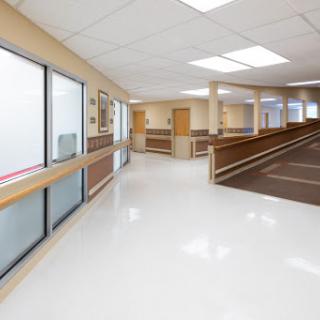
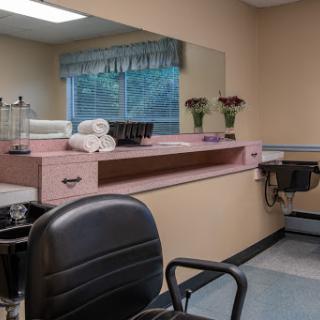
Right at Home on seniors.fyi includes 6 photos including images showing interior, and more.
Exploring Palliative Care in the Home: A Comprehensive Overview

Palliative care enhances the quality of life for seriously ill patients by providing comprehensive support at home through a multidisciplinary team, addressing various needs and prioritizing comfort over curative treatments. While it offers personalized care and involves family in decision-making, challenges like caregiver stress and logistical issues persist, with growing demand prompting advancements in technology and healthcare policies to improve access.
Comprehensive Insights into Palliative Home Care: What It Is and What to Expect

Palliative home care focuses on improving the quality of life for individuals with serious illnesses by providing comfort, symptom management, and emotional support in their own homes. This approach includes personalized care plans, regular assessments, and resources for family caregivers, all while prioritizing person-centered treatment that aligns with patients' goals.
Skilled Nursing Facilities vs. Nursing Homes: Making Sense of the Differences

Skilled nursing facilities (SNFs) provide high-level medical care and rehabilitation for short-term recovery, typically covered by Medicare after hospitalization, while nursing homes focus on ongoing custodial care for chronic conditions, mainly funded by Medicaid or private payments. The staffing and regulatory structures differ significantly between the two, necessitating clarity for families in choosing appropriate long-term care options.