Brandywine Living At Senior Suites Costs & Pricing
Brandywine Living At Senior Suites offers competitive pricing compared to the broader market in Montgomery County and across Pennsylvania. For instance, the monthly cost for a studio ranges from $2,295 to $3,870, which is significantly lower than the county average of $4,393 and the state average of $3,737. Similarly, their semi-private rooms are priced at $3,360 - again more affordable than both county ($4,587) and state ($3,542) benchmarks. The 1-bedroom options fall between $4,260 and $4,895, offering a compelling alternative to the county's average of $4,619 and the state's average of $4,006. Finally, their 2-bedroom suites are listed at $4,140 while Montgomery County sees averages at about $4,962 and the state at approximately $4,242. Overall, Brandywine Living provides a commendable range of choices that maintains affordability relative to local competition while still ensuring exceptional care and services for its residents.
Floor plans
Brandywine Living At Senior Suites
Montgomery County
Pennsylvania
Studio
$2,295 to $3,870
$4,393
$3,737
Semi-Private
$3,360
$4,587
$3,542
2 Bedrooms
$4,140
$4,962
$4,242
1 Bedroom
$4,260 to $4,895
$4,619
$4,006
Memory care communities with a similar price nearby
Overall Review of Brandywine Living At Senior Suites
common45 reviews mention this
Staff attention comes through
Residents and families frequently describe attentive, responsive care from the staff.
Across the reviews, families repeatedly say staff members are communicative and quick to respond, including when questions come up or issues need follow-up. Multiple reviewers also describe staff treating residents kindly and knowing them well, including in nursing, housekeeping, and dining interactions. A few reviews are sharply critical of staffing and follow-through, but the majority of comments focus on helpful, professional engagement.
common22 reviews mention this
Clean, bright environment
Many reviewers say the community is kept clean and bright.
Many families mention the property looks clean and well maintained during visits and throughout residency. Several reviews specifically call out spotless or tidy conditions and describe a pleasant atmosphere. A smaller set of negative reviews describe strong odors and dirty conditions, including concerns tied to the memory care unit.
common18 reviews mention this
Activities keep days full
Residents consistently have scheduled activities to take part in.
Reviews commonly mention an active schedule with ongoing opportunities like bingo, crafts, and group outings. Families also describe residents staying engaged, making friends, and having something to do throughout the day. The community’s activity and fitness offerings are reflected in what residents describe, while a few negative reviews focus more on care gaps than activity quality.
common12 reviews mention this
Food quality is mixed
Dining reviews range from delicious meals to notable disappointment.
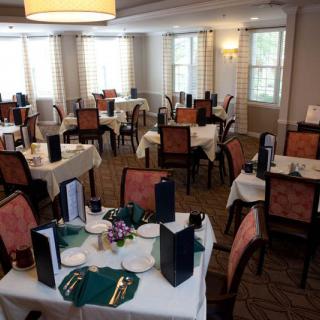
Several reviewers praise meals and describe dining as enjoyable, with some noting flexibility in when residents can eat. Others report concerns with food service, including residents disliking dining or dissatisfaction with what was served. Because the community offers restaurant-style dining and meals are part of the service plan, the difference in experiences shows up clearly between reviews.
caveat4 reviews mention this
Memory care complaints are serious
Some memory care reviews raise serious concerns about care reliability.
A handful of reviews—particularly those referencing memory care or the third-floor unit—describe problems with basic care tasks and hygiene, along with complaints about staffing and follow-through. Reviewers mention issues like inconsistent bathing, residents not being checked on as expected, and concerns tied to falls and medical events. While other residents and families describe memory support more positively, these accounts are specific and recurring enough to stand out as the main caution in the feedback.
How we summarize
Counts show how many written reviews mention each theme; a review can touch several themes, and only frequently mentioned themes are displayed.
Features
Housing
245 resident community capacity
Types of Care
Assisted Living
Memory Care
Respite Care
Amenities
Activities on-site
Air-conditioning
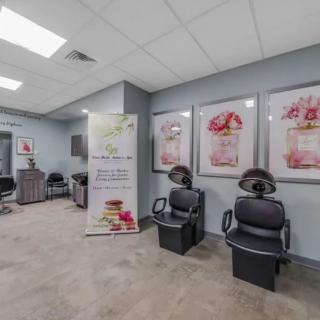
Beauty salon
Cable or satellite TV
Computer center
Devotional services off-site
Dining room
Fitness room
Fully furnished
Gaming room
Garden
Housekeeping services
Indoor common areas
Kitchenette
Move-in coordination
Outdoor space
Private bathrooms
Restaurant-style dining
Small library
Telephone
Wellness center
Wi-Fi/high-speed internet available
Transportation
Philadelphia International (18 miles away)
Community operated transportation
Transportation arrangement
Transportation arrangement (non-medical)
Transportation to doctors appointments
Care Services
12-16 hour nursing
24-hour call system
24-hour supervision
Activities of daily living assistance
Ambulatory care
Assistance with bathing
Assistance with dressing
Assistance with transfers
Coordination with health care providers
Dementia waiver
Diabetes diet
Diabetic care
Hospice waiver
Meal preparation and service
Medication management
Mental wellness program
Mild cognitive impairment
Special dietary restrictions
Specialized memory care programming
Transportation arrangement (medical)
Transportation to doctors appointments
Dining
Diabetes diet
Meals provided
Special dietary restrictions
Activities
Activities on-site
Community-sponsored activities
Concierge services
Devotional activities offsite
Fitness programs
Planned day trips
Resident-run activities
Scheduled daily activities
Nearby Places of Interest
Pharmacies
Rite Aid (0.2 miles)
Walgreens (1.5 miles)
Walgreens (2.5 miles)
CVS Pharmacy (2.5 miles)
CVS Pharmacy (3 miles)
Walgreens (3.3 miles)
CVS Pharmacy (3.4 miles)
Restaurants
Chick-Fil-A (0.8 miles)
Miller's Ale House (1.9 miles)
Blue Bell Inn (3.1 miles)
McDonald's (4.1 miles)
McDonald's (4.7 miles)
True Food Kitchen (4.9 miles)
Yard House (5 miles)
Cafes
Starbucks (0.9 miles)
Panera Bread (4.4 miles)
Nordstrom Ebar Artisan Coffee (4.9 miles)
Backyard Beans Coffee (5.2 miles)
Starbucks (7.2 miles)
Starbucks (7.2 miles)
Starbucks (8.5 miles)
Theaters
AMC Plymouth Meeting Mall 12 (2.1 miles)
Regal UA King Of Prussia 4DX, IMAX & RPX (5 miles)
AMC 309 Cinema 9 (7.3 miles)
Physicians
Mid Atlantic Retina (2.6 miles)
Main Line Spine (4 miles)
Children's Hospital of Philadelphia - Specialty Care Center (5.6 miles)
Main Line Health King of Prussia (5.7 miles)
Center for Total Women's Health - Lansdale (8.8 miles)
Phoenixville Valley Forge Dermatology Associates (9.1 miles)
Brandywine Living At Senior Suites offers competitive pricing compared to the broader market in Montgomery County and across Pennsylvania. For instance, the monthly cost for a studio ranges from $2,295 to $3,870, which is significantly lower than the county average of $4,393 and the state average of $3,737. Similarly, their semi-private rooms are priced at $3,360 - again more affordable than both county ($4,587) and state ($3,542) benchmarks. The 1-bedroom options fall between $4,260 and $4,895, offering a compelling alternative to the county's average of $4,619 and the state's average of $4,006. Finally, their 2-bedroom suites are listed at $4,140 while Montgomery County sees averages at about $4,962 and the state at approximately $4,242. Overall, Brandywine Living provides a commendable range of choices that maintains affordability relative to local competition while still ensuring exceptional care and services for its residents.
Brandywine Living At Senior Suites offers a comprehensive range of features designed to enhance the quality of life for residents with dementia or Alzheimer's, addressing both their physical and emotional needs. Assistance with dressing and bathing fosters dignity and independence, while medication management ensures that residents receive their prescribed treatments on time, reducing stress and health risks. Meal preparation and service cater to dietary requirements essential for overall well-being, complemented by transportation arrangements for medical appointments that promote consistent healthcare access. Coordination with healthcare providers ensures a holistic approach to resident care, while assistance with transfers supports mobility and safety. The 24-hour supervision provides peace of mind for families, knowing trained staff are always available. Programs focused on mental wellness and specialized memory care programming help engage residents cognitively, offering opportunities for social interaction and cognitive stimulation tailored to varying stages of memory impairment. Additionally, support in activities of daily living helps maintain daily routines vital for fostering a sense of normalcy and comfort among residents experiencing mild cognitive impairment or more advanced stages of memory loss.
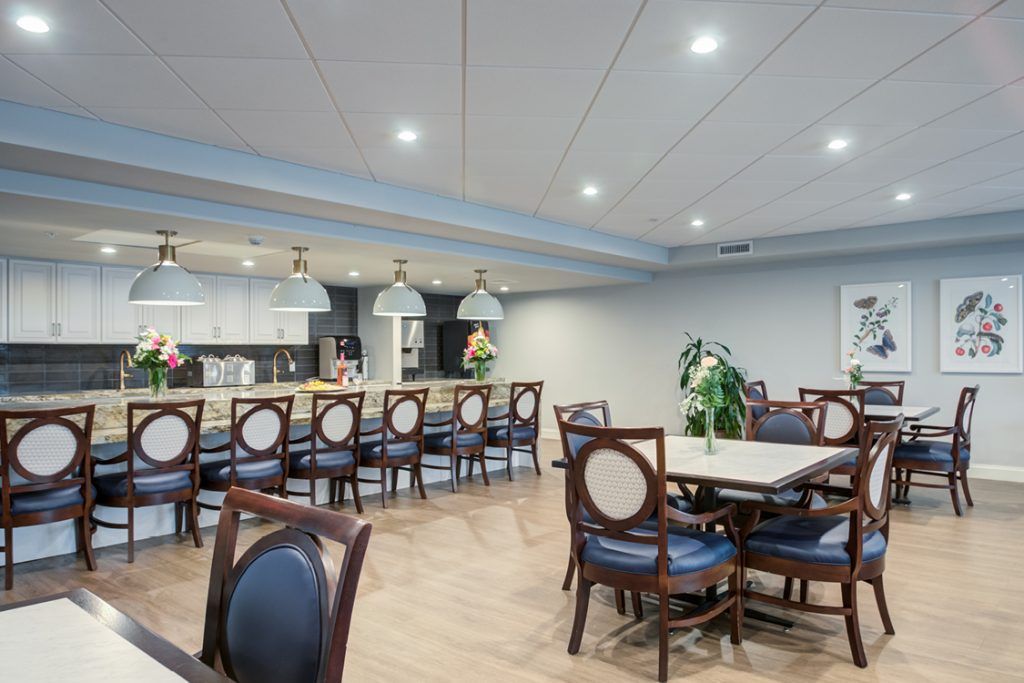
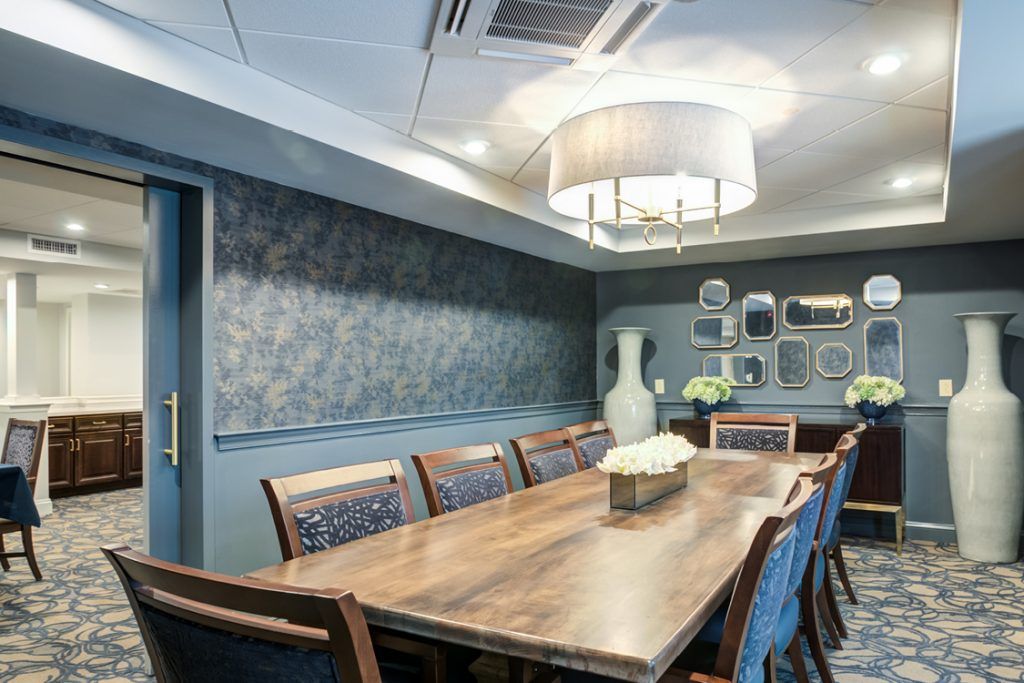
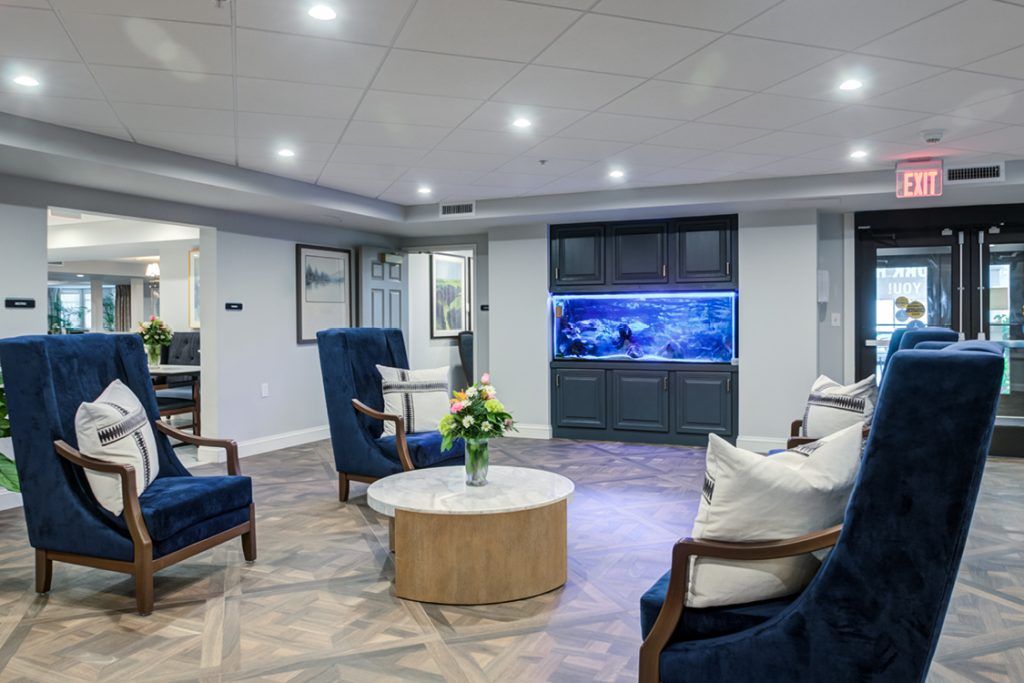
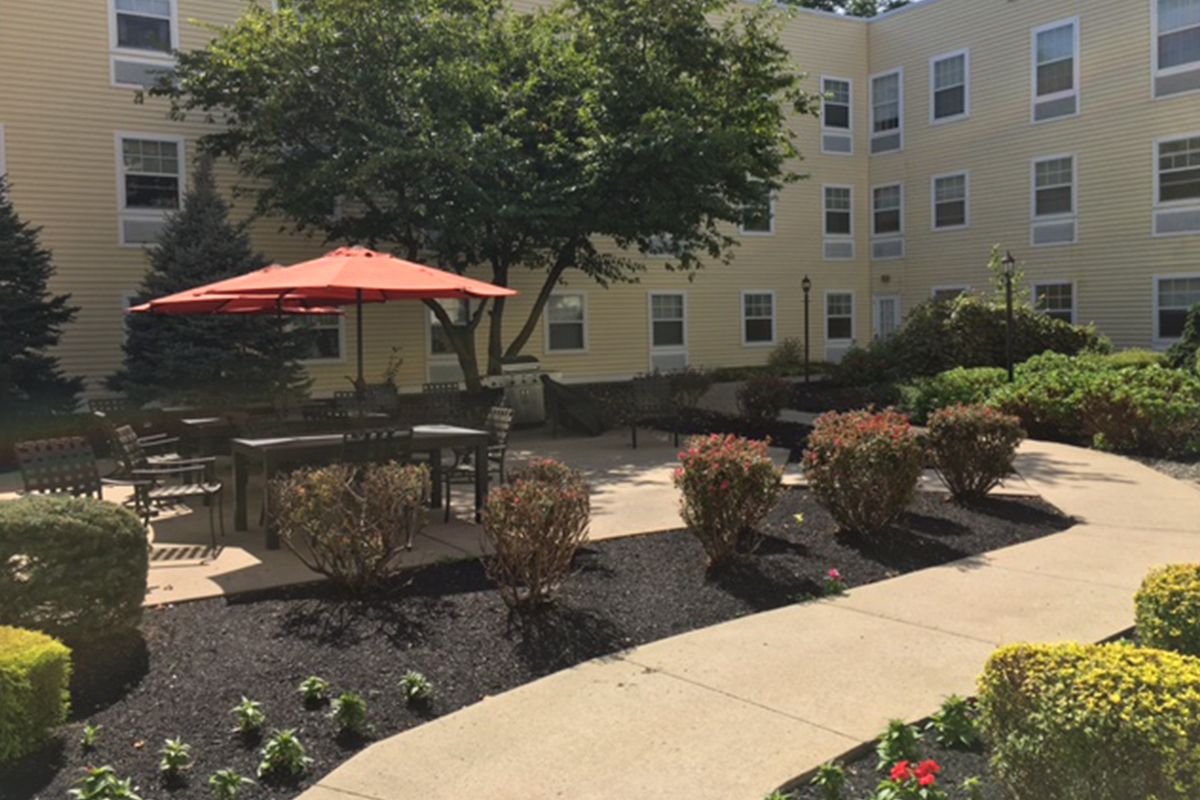
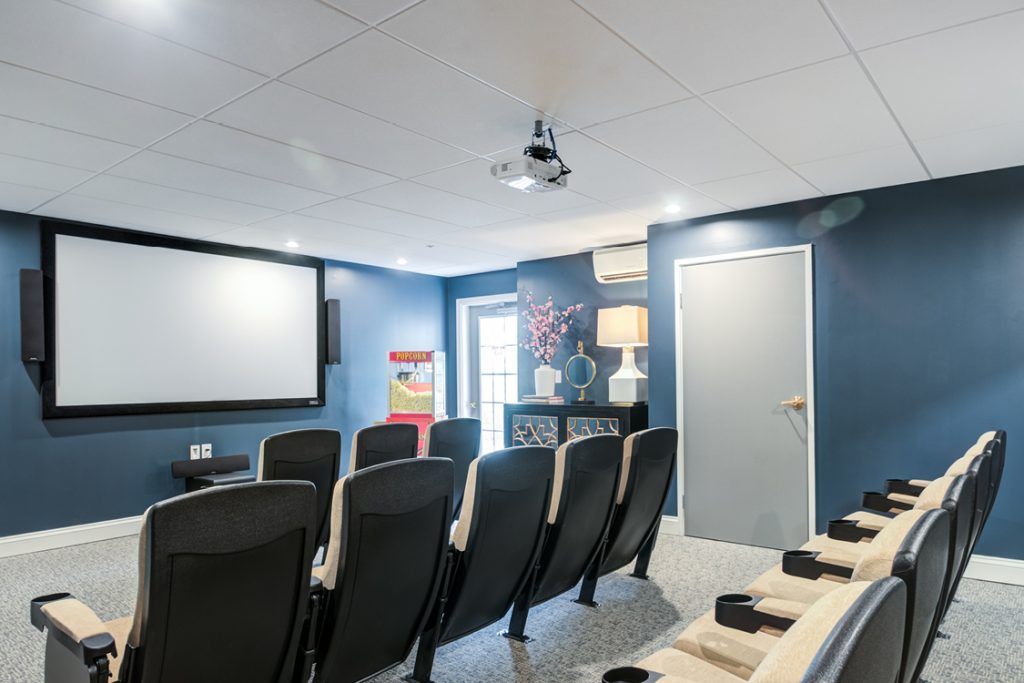
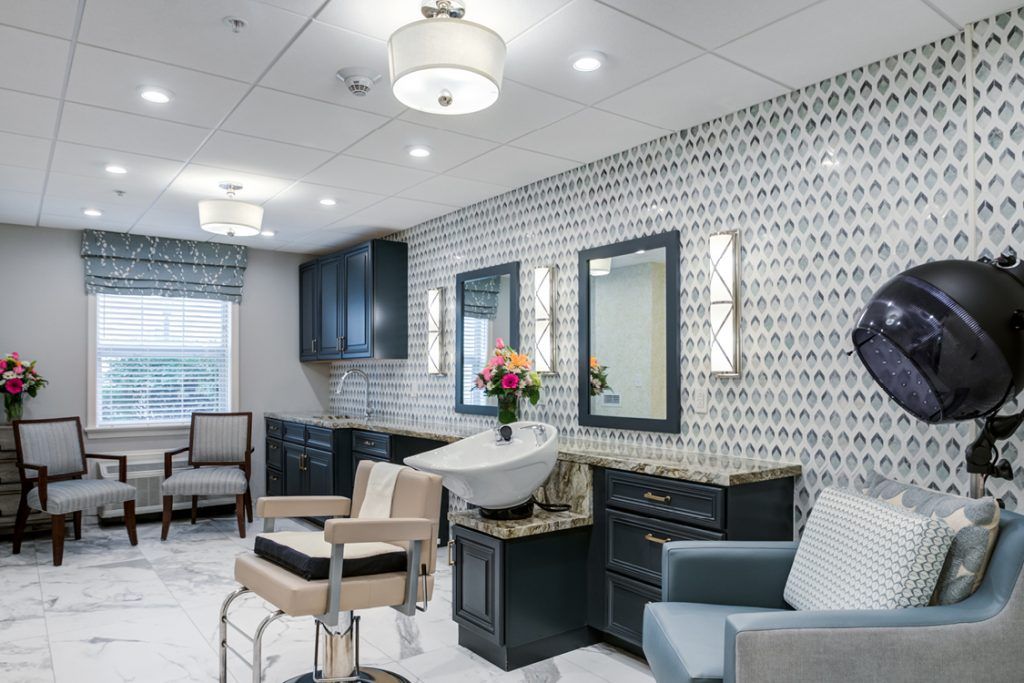
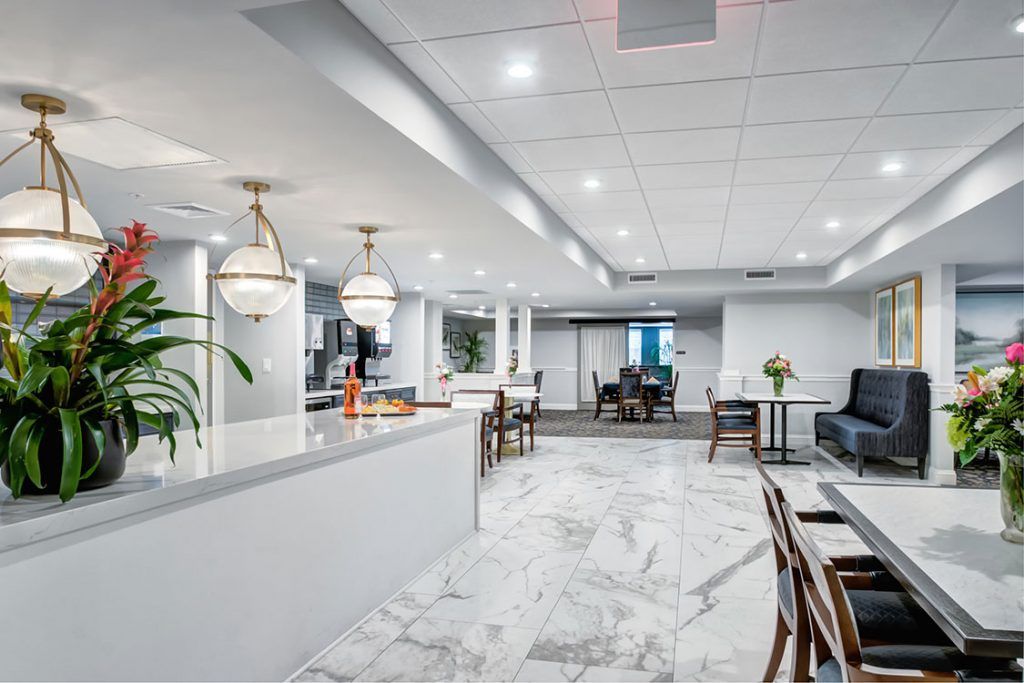
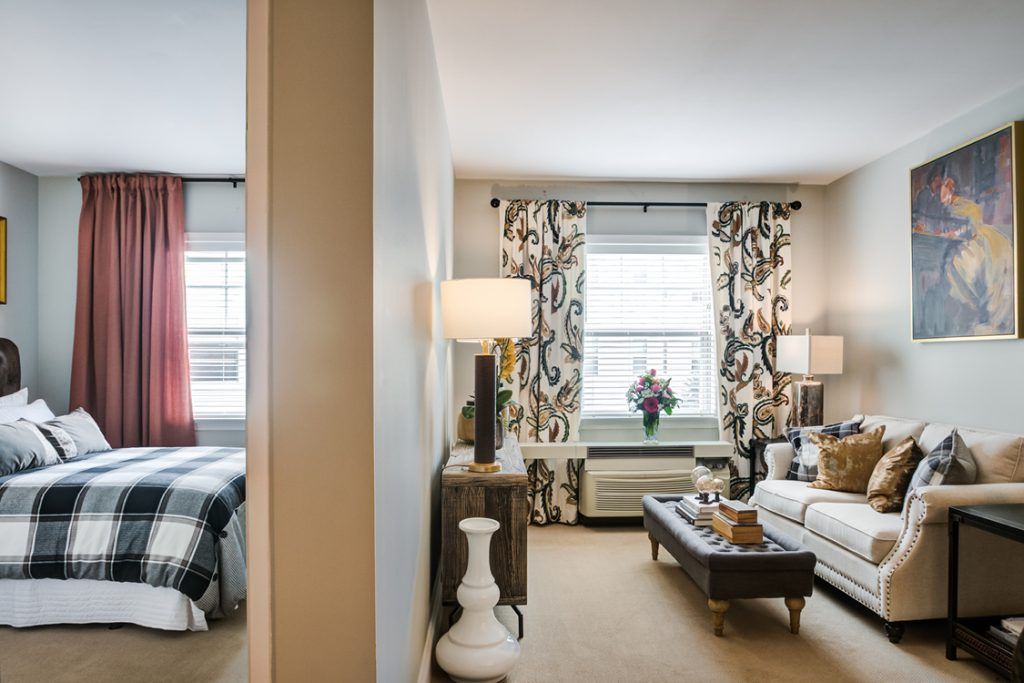
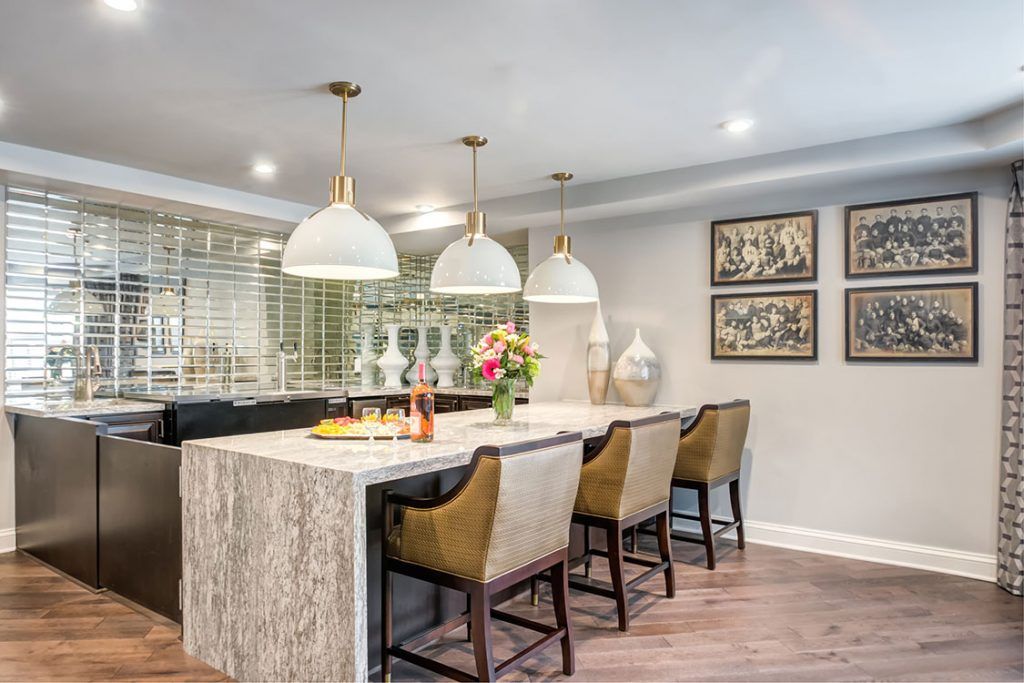
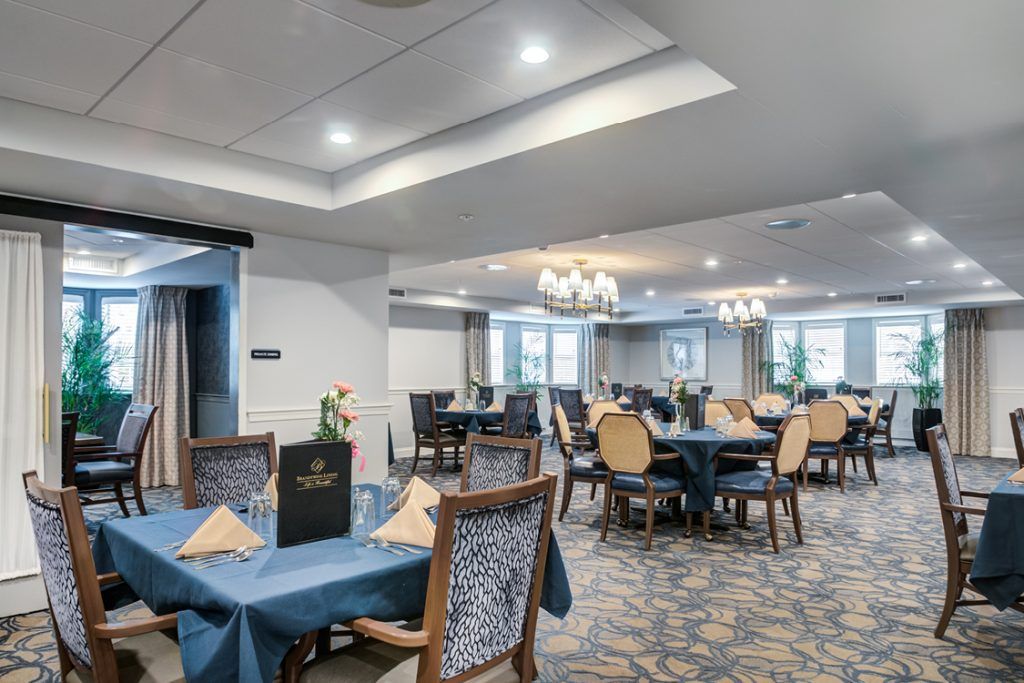
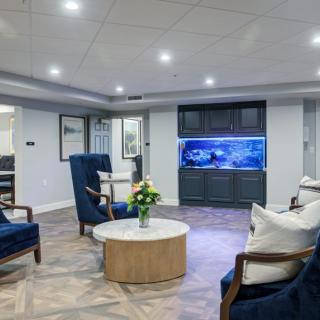
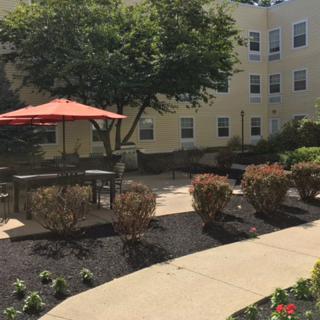
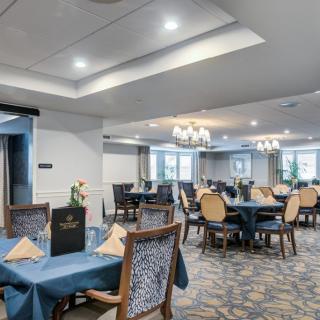
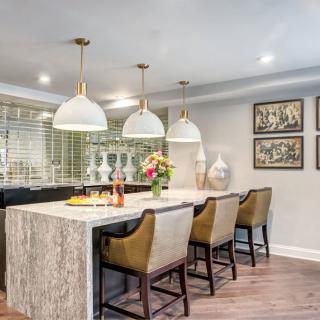
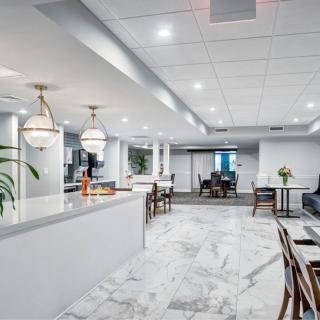
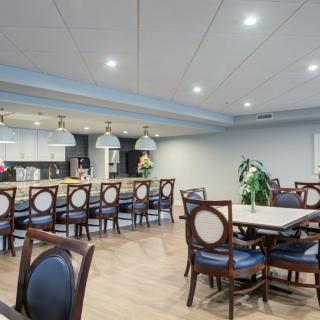
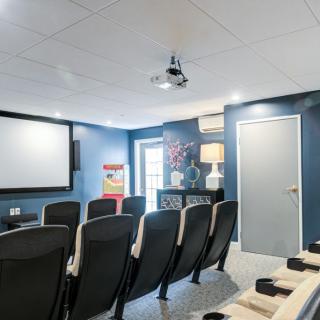
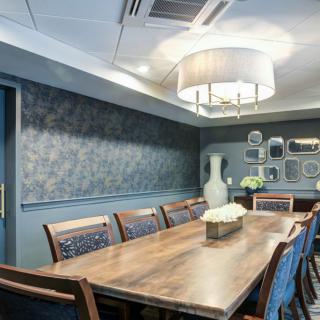
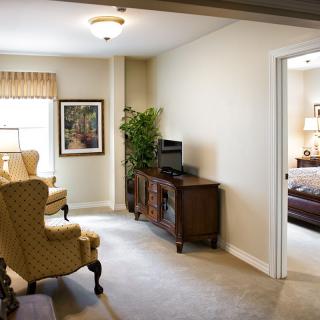
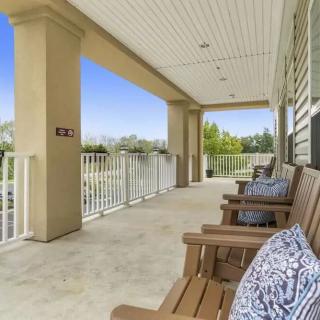
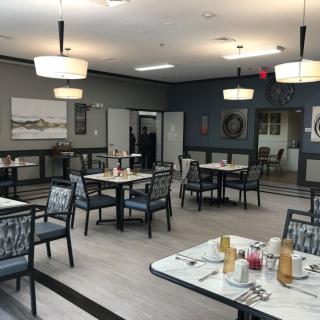
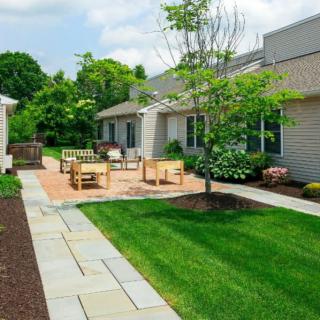
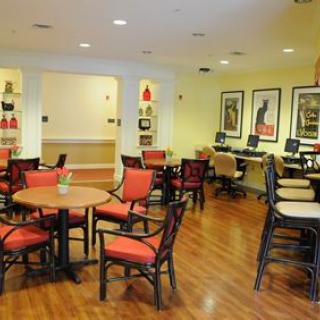
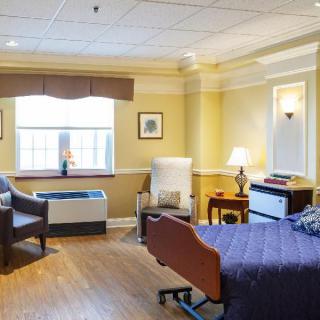
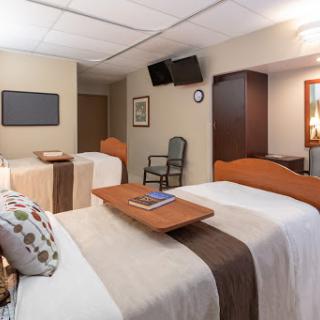
Brandywine Living At Senior Suites on seniors.fyi includes 10 photos including images showing interior, decor, dining, salon, living room, lights, conference room, lighting fixture, and more.
Nearby Communities
Towne Manor East
Norristown, PA
3.1 from 28 reviews
Hardworking, friendly nursing staff with engaging activities and effective therapy.
Towne Manor West
Norristown, PA
2.8 from 56 reviews
Some staff are caring and the therapy team is strong.
Jefferson Crossing
Norristown, PA
Prime location with nearby medical services and dining/entertainment options; includes meal prep and medication management.
Brightview East Norriton
East Norriton, PA
4.6 from 128 reviews
$3,805 to $5,405 / month
Friendly staff and a clean, welcoming environment with engaging activities.
Norriton Square Nursing & Rehabilitation Center
Norristown, PA
4.7 from 107 reviews
$7,350 / month
24/7 supervision with private, furnished rooms and comprehensive on-site care.
Suburban Woods Health & Rehabilitation Center
Norristown, PA
3.5 from 74 reviews
Strong rehabilitation program, especially physical therapy, with attentive staff and a clean facility.
The Pinnacle
Plymouth Meeting, PA
4.5 from 107 reviews
$3,150 to $5,800 / month
Beautiful, clean facility with engaging activities and friendly staff, plus a smooth transition for new residents.
Blue Bell Place
Blue Bell, PA
4.4 from 97 reviews
$4,145 to $6,495 / month
Caring staff with empathetic care in a clean, welcoming environment and strong family communication.
The Greens at Westover
Norristown, PA
4.9 from 11 reviews
Small, intimate assisted living with in-house meals and medication management, plus convenient access to healthcare and local amenities.
The article compares assisted living and skilled nursing facilities, detailing their differing levels of assistance, medical support, cost structures, and day-to-day experiences. It emphasizes that assisted living is for those needing help with daily activities while maintaining independence, whereas skilled nursing facilities provide intensive medical care with 24-hour staff supervision.
Vibrant Senior Living emphasizes active senior living communities that promote independence and engagement through diverse amenities and activities, fostering wellness and social interaction among older adults. These communities range from independent to assisted living, with a focus on personal growth, family involvement, financial planning, and leveraging technology to enhance residents' experiences.
Assisted living provides moderate support for seniors seeking independence, while memory care offers specialized support for individuals with dementia or cognitive impairments through structured routines and trained staff. Key differences include care approaches, environment security measures, staff training levels, activity types, and cost considerations.
Lighting, Lobby, Seating, Reception Area, and Office Space
Chandelier
Seating Area and Aquarium
Salon and Mirrors
Theater and Projector
Lights
Conference Room
Meeting Space and Lighting Fixture
Get PricingAsk A QuestionSchedule A TourContact Senior Advisor
By clicking submit, you agree to our Partner's Terms of Use. You
also consent to receive calls and texts, which may be autodialed, from our Partner. Your consent is not a condition to
using our Partner's service. Please visit our Partner's Privacy Policy for information about their privacy practices.


 245 resident community capacity
 Assisted Living
 Memory Care
 Respite Care
 Activities on-site
 Air-conditioning
 Beauty salon
 Cable or satellite TV
 Computer center
 Devotional services off-site
 Dining room
 Fitness room
 Fully furnished
 Gaming room
 Garden
 Housekeeping services
 Indoor common areas
 Kitchenette
 Move-in coordination
 Outdoor space
 Private bathrooms
 Restaurant-style dining
 Small library
 Telephone
 Wellness center
 Wi-Fi/high-speed internet available
 Philadelphia International (18 miles away)
 Community operated transportation
 12-16 hour nursing
 24-hour call system
 Ambulatory care
 Assistance with bathing
 Assistance with dressing
 Assistance with transfers
 Diabetes diet
 Diabetic care
 Hospice waiver
 Medication management
 Mental wellness program
 Special dietary restrictions
 Transportation arrangement (medical)
 Concierge services
 Planned day trips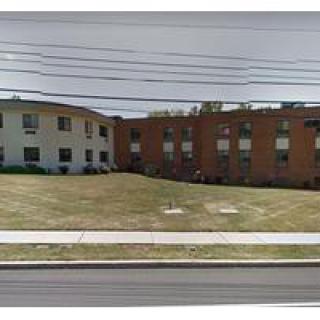
 Hardworking, friendly nursing staff with engaging activities and effective therapy.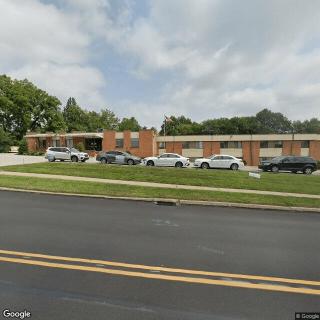

 Exploring the Contrasts Between Assisted Living and Skilled Nursing
 Vibrant Senior Living: A Comprehensive Guide for Active Older Adults
 Assisted Living and Memory Care: Understanding Their Core Differences