Traditions of Lansdale offers competitive pricing for its accommodations, with costs significantly lower than the average rates in Montgomery County and across Pennsylvania. For instance, a semi-private room at Traditions is priced at $2,750 per month, in stark contrast to the county average of $4,587 and the state average of $3,542. Similarly, their studio apartments are available for just $2,900, compared to the higher local average of $4,393 and a statewide figure of $3,737. These attractive pricing structures not only enhance affordability but also reflect Traditions of Lansdale's commitment to providing quality care without compromising on value in an often pricey market.
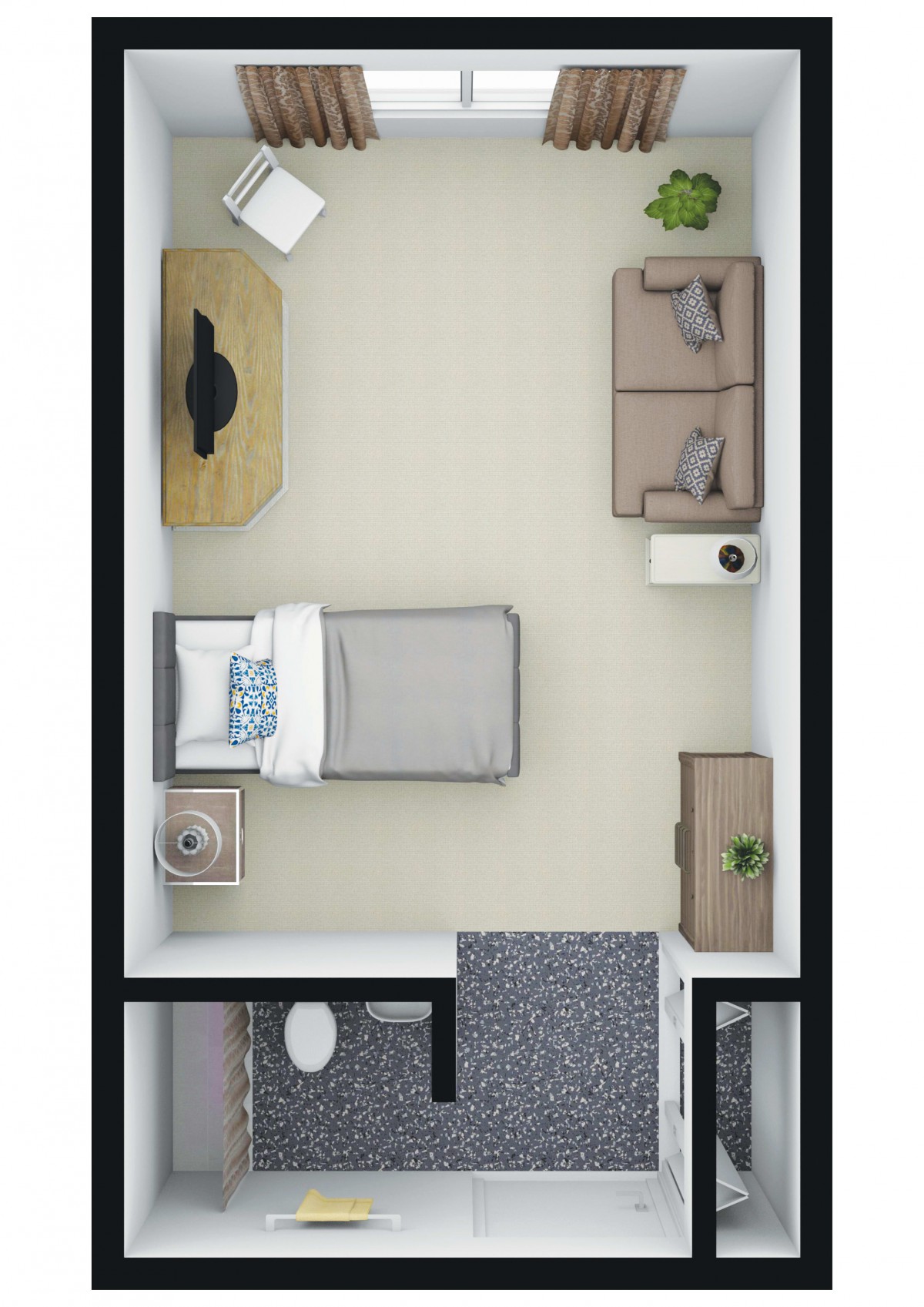
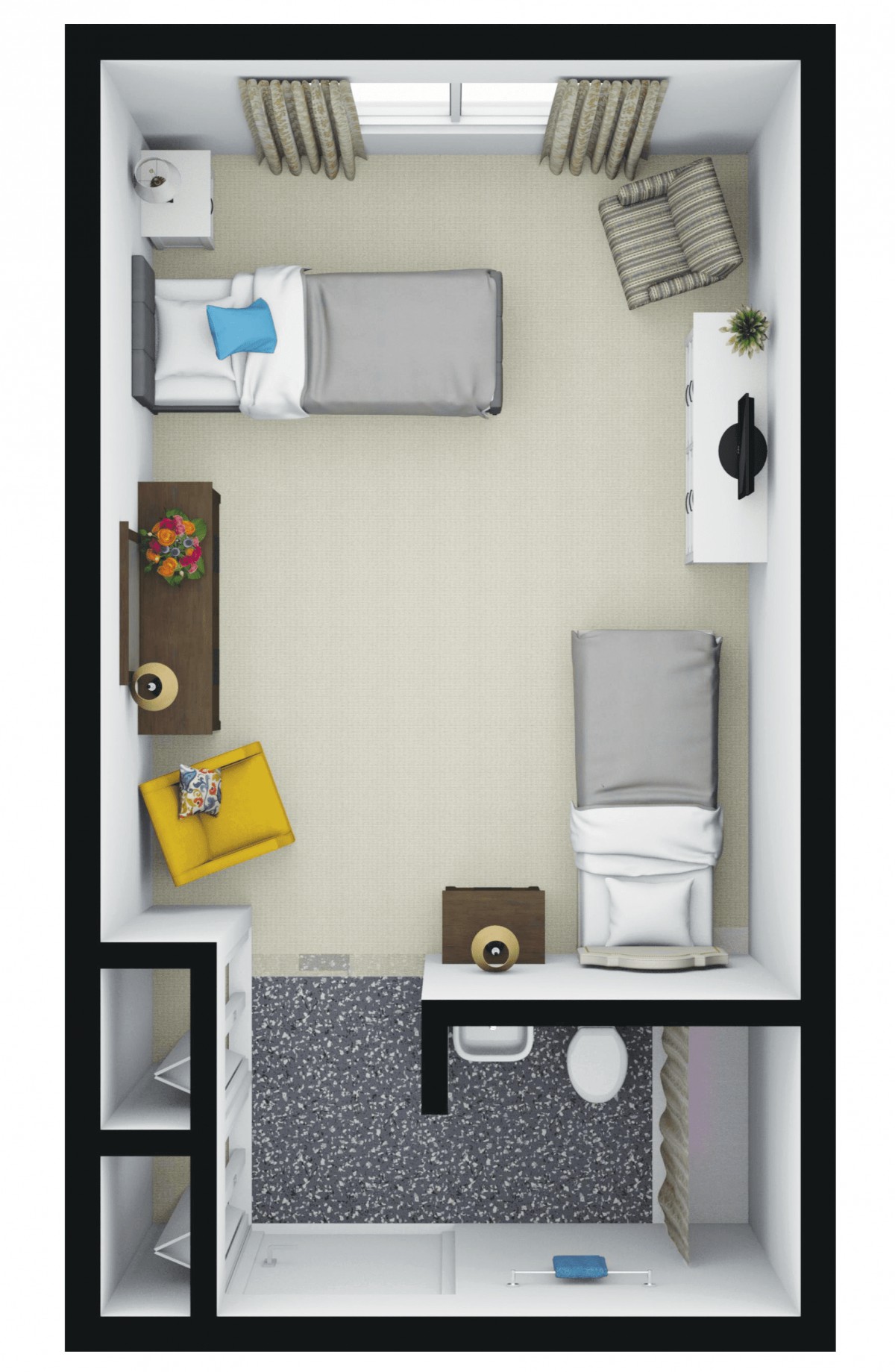
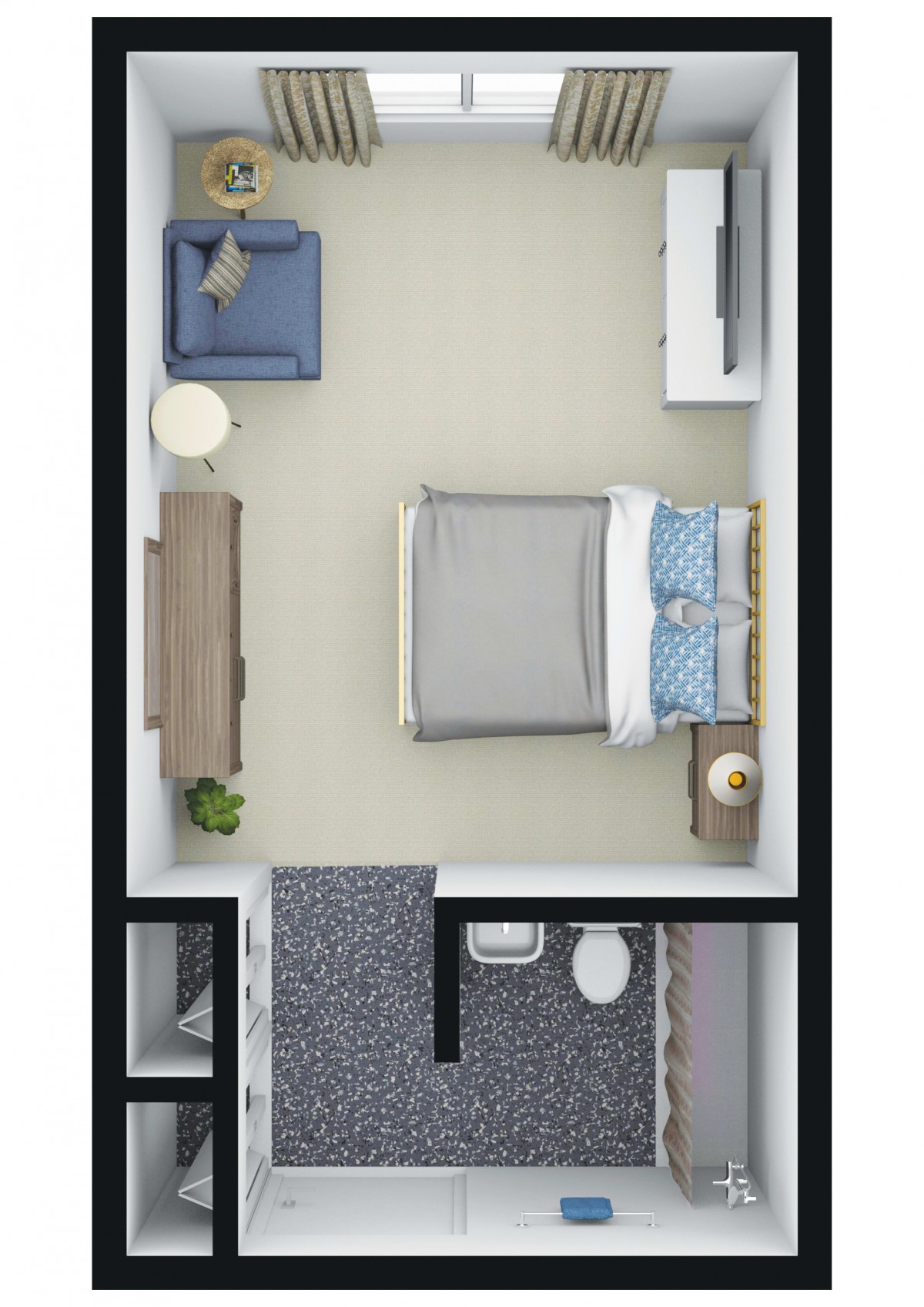
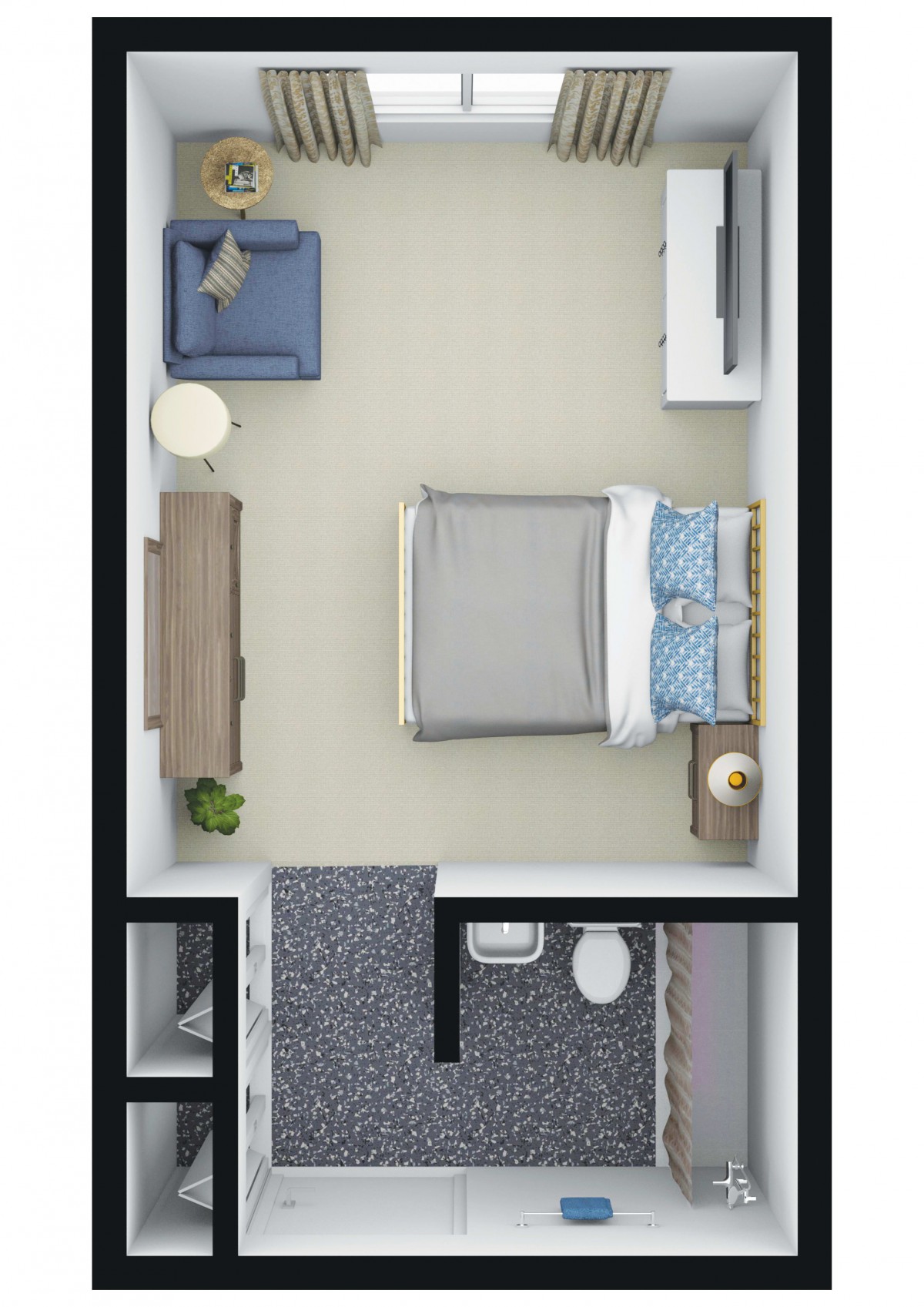
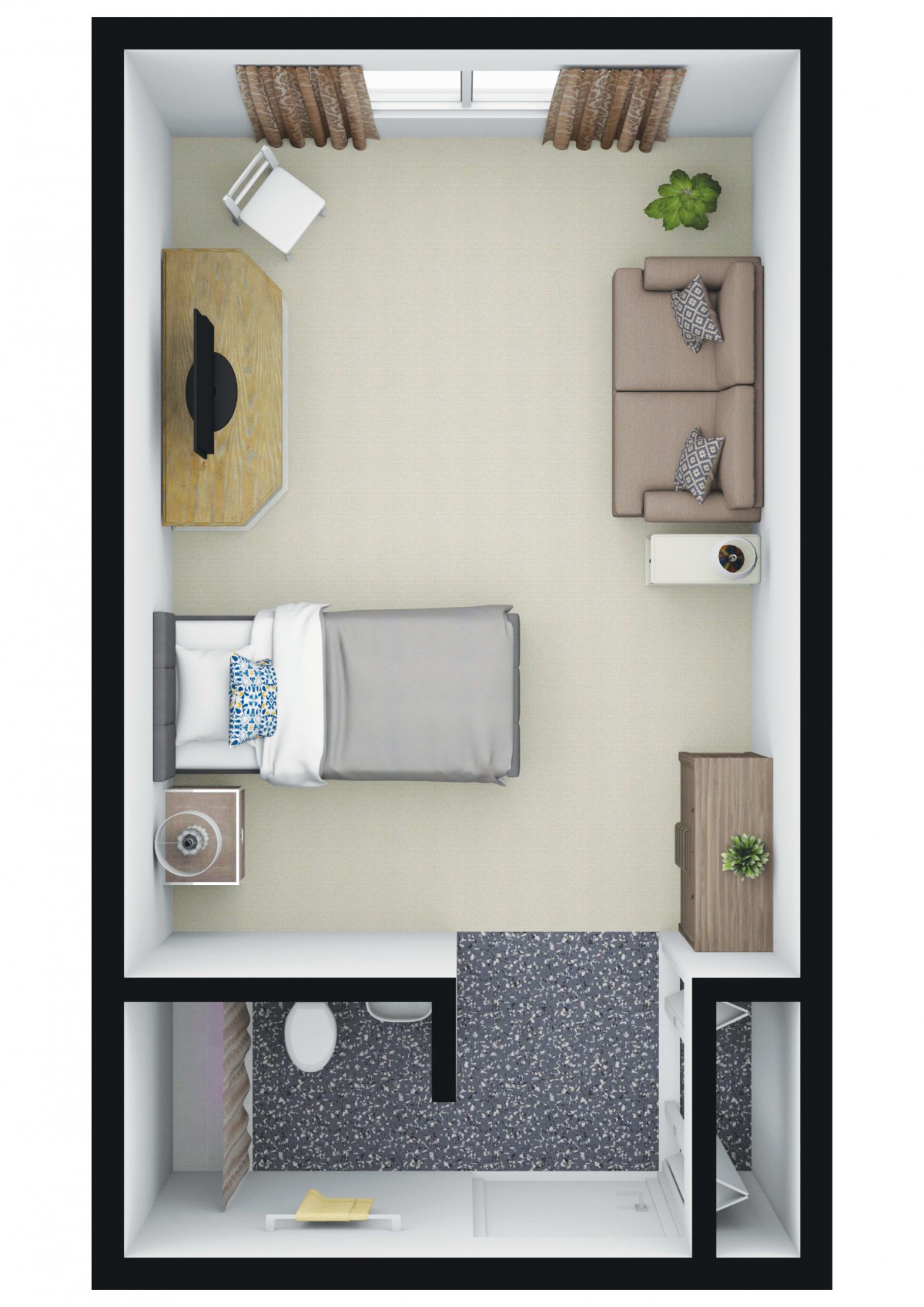
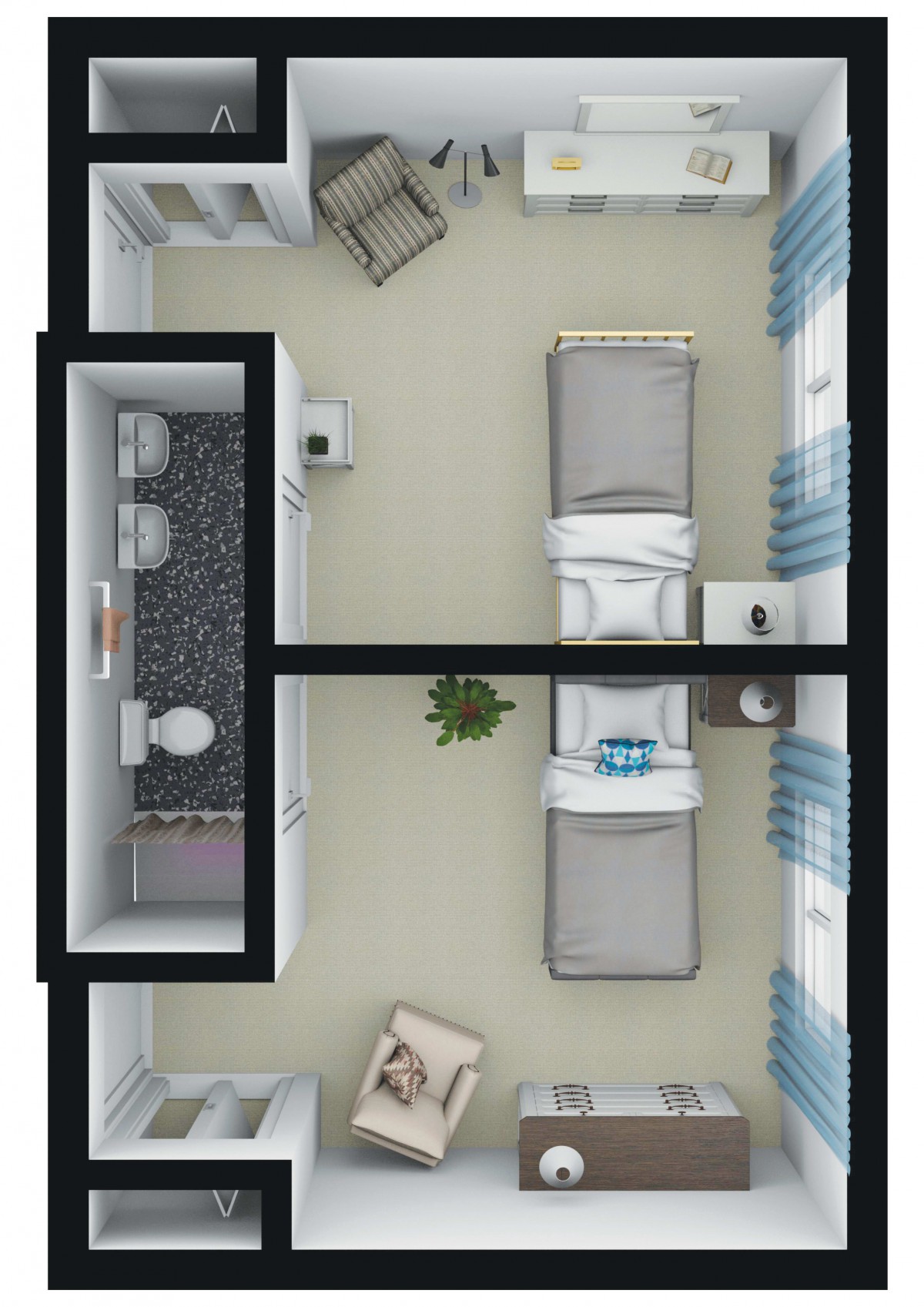
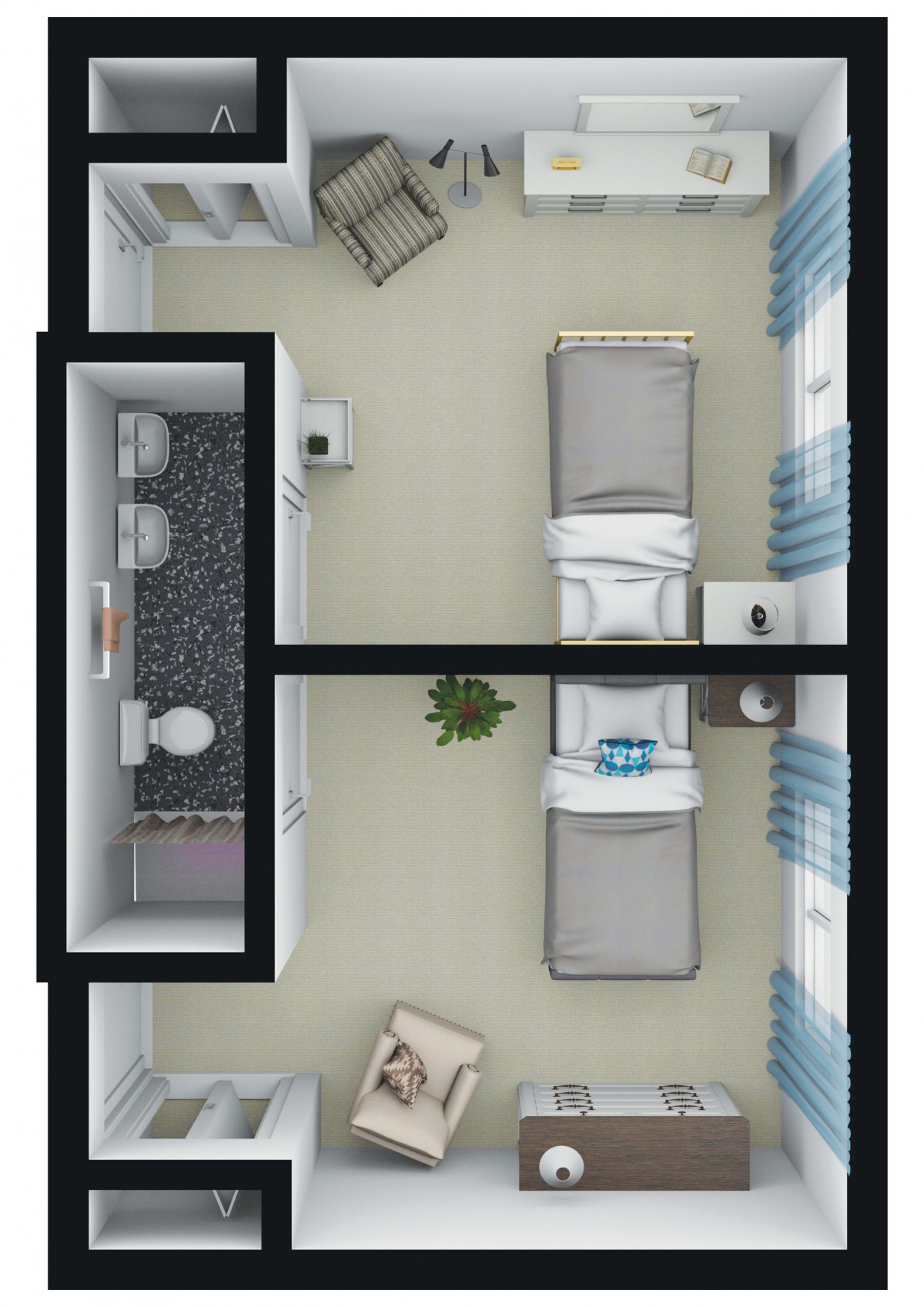
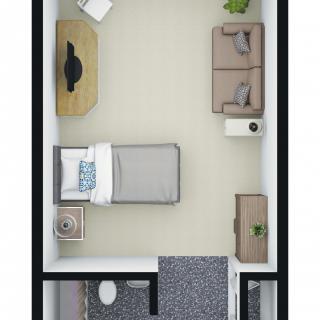
Floor plans
Traditions of Lansdale
Montgomery County
Pennsylvania
Semi-Private
$2,750
$4,587
$3,542
Studio
$2,900
$4,393
$3,737
Memory care communities with a similar price nearby
Some residents and families report unpleasant odor and dirty rooms.
A small set of reviews describe rooms smelling of urine and describe floors or bathrooms as not being properly cleaned. In those accounts, families also say they had to repeatedly request housekeeping. Other reviews say the building smells clean and is very clean, so cleanliness appears mixed depending on the reviewer’s experience.
caveat5 reviews mention this
Communication and care follow-through
Several reviewers mention gaps in communication and care coordination.
Some families report delayed communication when help was needed, including issues with call-bell response. Others describe problems with medication administration, shower schedules, or not being contacted after falls. Residents in more positive reviews describe staff as responsive, providing quick help and clear updates to family members, suggesting the experience varies by situation.
common8 reviews mention this
Restaurant-style dining is a plus
Dining is a frequent positive point in resident and family feedback.
Many reviews highlight meals as enjoyable, including praise for food quality and residents liking what is served. Several reviewers also mention dining room social time, and at least one person specifically calls out restaurant-style dining. The community also offers dining-support options for special diets and room-service style meals, aligning with the variety described in dining details.
differentiator6 reviews mention this
Pricing is positioned as affordable
Pricing stands out as more affordable than nearby options.
Multiple reviewers say the cost was a major reason they chose Traditions of Lansdale, describing it as better than competing communities they toured. One reviewer also notes the overall value and mentions having fewer financial concerns. The listed price range is $2,750–$2,900, which is shown as well below county and state levels across unit types.
common4 reviews mention this
Care options include memory support
The community supports residents needing memory-care programming.
Several reviews mention memory care directly, including experiences of residents being safer and more comfortable with daily routines and scheduled programming. A few reviewers also describe staff working with specific needs like encouraging activities as part of the day. At the same time, a small number of negative reviews point to care breakdowns in memory-care-related situations, so families may want to confirm details during intake.
How we summarize
Counts show how many written reviews mention each theme; a review can touch several themes, and only frequently mentioned themes are displayed.
Features
Housing
150 resident community capacity
Studio apartments
Types of Care
Assisted Living
Independent Living
Memory Care
Pets
Cats allowed
Dogs allowed
Amenities
Activities off-site
Activities on-site
Air-conditioning
Beautician on-site
Beauty salon
Cable or satellite TV
Cafe
Computer center
Devotional services off-site
Devotional services on-site
Dining room
Financing advice
Fitness room
Fully furnished
Gaming room
Garden
Ground floor units
Guasts at mealtime
Guest parking
Handicap accessible
Home sale assistance
Housekeeping services
Indoor common areas
Kitchenette
Laundry
Move-in coordination
Outdoor common areas
Outdoor space
Overnight guests
Party space
Private bathrooms
Resident parking
Respite or short term stays offered
Restaurant-style dining
Small library
TV room
Telephone
VA Benefits Consultation
Wellness center
Wheelchair accessible showers
Wi-Fi/high-speed internet available
Transportation
Trenton-Mercer County (24 miles away)
Community operated transportation
Transportation & parking
Transportation arrangement
Transportation arrangement (non-medical)
Transportation to doctors appointments
Care Services
12-16 hour nursing
24-hour call system
24-hour supervision
Activities of daily living assistance
Ambulatory care
Assistance with bathing
Assistance with dressing
Assistance with transfers
Diabetes diet
Diabetic care
High acuity care
Hospice care
Incontinence care
Meal preparation and service
Medication management
Mental wellness program
Mild cognitive impairment
Physical therapy
Psychiatric care
Special dietary restrictions
Specialized memory care programming
Dining
Diabetes diet
Gluten-free
Guest meals
International cuisine
Low / no sodium
Low fat
Meals provided
No Sugar
Professional chef
Renal
Restaurant style dining
Room service
Special dietary restrictions
Special dining programs
Vegetarian
Activities
Activities off-site
Art classes
Arts and crafts
Book club
Catholic services
Community-sponsored activities
Concierge services
Cooking classes
Cooking club
Day trips and outings
Devotional activities offsite
Devotional activities on-site
Educational speakers / life long learning
Fitness programs
Games
Gardening club
Happy hour
Live dance or theater performances
Live musical performances
Other religious services
Planned day trips
Religious services
Resident-run activities
Scheduled daily activities
Stories
Tai Chi
Wii bowling
Yoga / chair yoga
Languages Spoken
English
Nearby Places of Interest
Located in Lansdale, Pennsylvania, this area offers a convenient and diverse range of amenities for seniors looking to settle down. Close proximity to Detweiler Family Medicine, Otolaryngology Plastic Surgery Associates, and the Center for Total Women's Health ensures easy access to healthcare services. Jefferson Lansdale Hospital is just a short distance away for any medical emergencies. Dining options include Imprint Beer, Bull Restaurant & Tavern, and Miller's Ale House for enjoyable meals out. Nearby pharmacies like CVS and Walgreens provide convenience for medication needs. Parks such as School Road Park and Windlestrae Park offer opportunities for outdoor recreation and relaxation. Places of worship are also within reach, including Mary Mother of the Redeemer Church and The National Shrine of Our Lady of Czestochowa for spiritual enrichment. Additionally, entertainment can be found at theaters like AMC 309 Cinema 9 and Regal Warrington Crossing Screenx. Overall, this part of Lansdale provides a well-rounded environment suitable for seniors seeking a comfortable and active lifestyle.
Physicians
Detweiler Family Medicine (0.2 miles)
Otolaryngology Plastic Surgery Associates (0.4 miles)
Center for Total Women's Health - Lansdale (0.7 miles)
Schwarz Dermatology (4.3 miles)
Harleysville Medical Associates (5.3 miles)
Trivalley Primary Care (5.7 miles)
Pennridge Pediatrics (5.7 miles)
Hospitals
Jefferson Lansdale Hospital (0.7 miles)
Restaurants
Imprint Beer (0.8 miles)
Bull Restaurant & Tavern (1.7 miles)
Miller's Ale House (1.8 miles)
Ooka Montgomeryville (1.8 miles)
Zoto's Diner-Restaurant (1.9 miles)
Chick-Fil-A (2 miles)
The Metropolitan (2.3 miles)
Pharmacies
CVS Pharmacy (1.3 miles)
Walgreens (1.6 miles)
Walgreens (1.9 miles)
Wegmans (2 miles)
CVS Pharmacy (2.1 miles)
CVS Pharmacy (2.2 miles)
CVS Pharmacy (3.1 miles)
Parks
School Road Park (1.8 miles)
Windlestrae Park (3.4 miles)
Stony Creek Sports Park (5.4 miles)
Homested Park (7.3 miles)
Upper Salford Park (9 miles)
Places of Worship
Mary Mother of the Redeemer (2.5 miles)
Luthern Home (6.1 miles)
The National Shrine of Our Lady of Czestochowa (6.3 miles)
Traditions of Lansdale offers competitive pricing for its accommodations, with costs significantly lower than the average rates in Montgomery County and across Pennsylvania. For instance, a semi-private room at Traditions is priced at $2,750 per month, in stark contrast to the county average of $4,587 and the state average of $3,542. Similarly, their studio apartments are available for just $2,900, compared to the higher local average of $4,393 and a statewide figure of $3,737. These attractive pricing structures not only enhance affordability but also reflect Traditions of Lansdale's commitment to providing quality care without compromising on value in an often pricey market.
The features of Traditions of Lansdale are meticulously designed to enhance the quality of life for residents with dementia or Alzheimer's disease, addressing their unique needs at various stages of cognitive decline. The provision of 24-hour supervision ensures safety and immediate support, allowing residents to navigate their environment confidently. Assistance with activities of daily living--such as bathing, dressing, and transfers--promotes dignity while reducing stress for both residents and families. Incontinence care further maintains comfort and hygiene, essential for emotional well-being. Meal preparation and service cater to nutritional needs, supporting both physical health and social engagement during mealtimes. Medication management provides peace of mind that crucial health directives are followed accurately. The mental wellness program focuses on cognitive engagement tailored to individual capacities, while specialized memory care programming incorporates therapeutic activities that stimulate memory retention and foster connections. Additionally, access to physical therapy contributes to maintaining mobility and overall physical health, which can be particularly beneficial in managing mild cognitive impairment. Together, these features create a supportive environment conducive to both the emotional and physical well-being of residents navigating the complexities of memory loss.
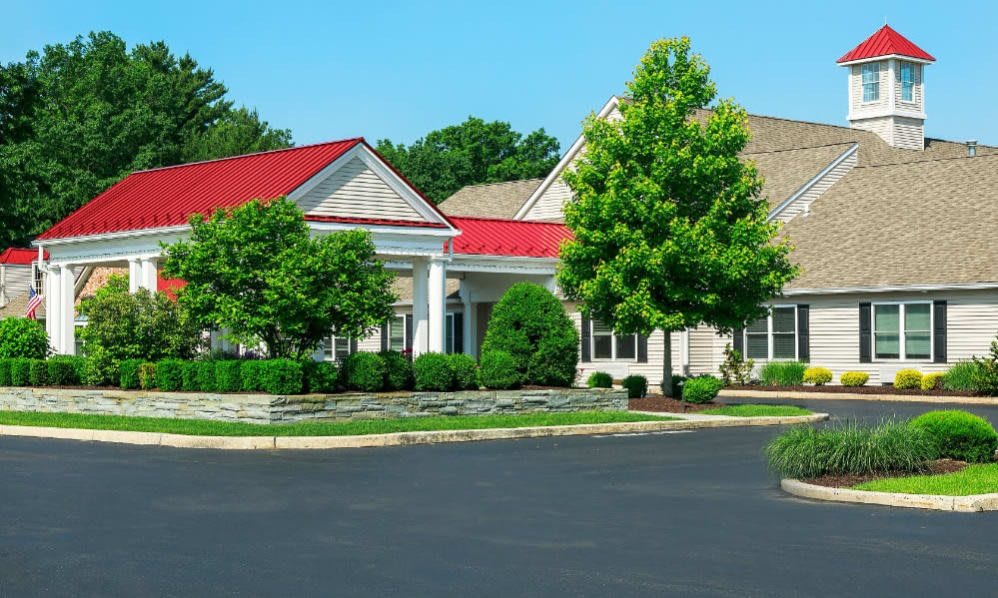
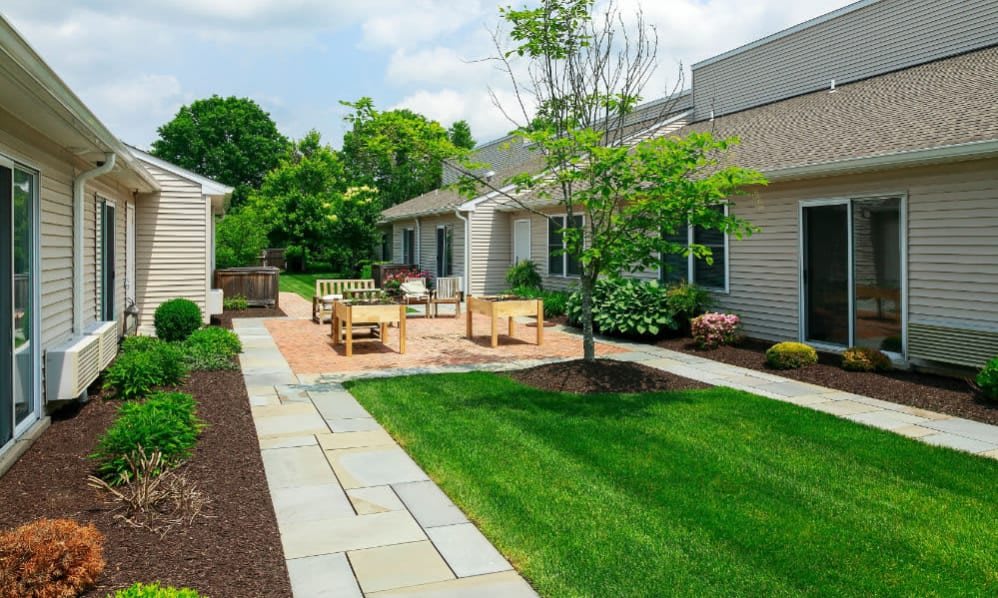
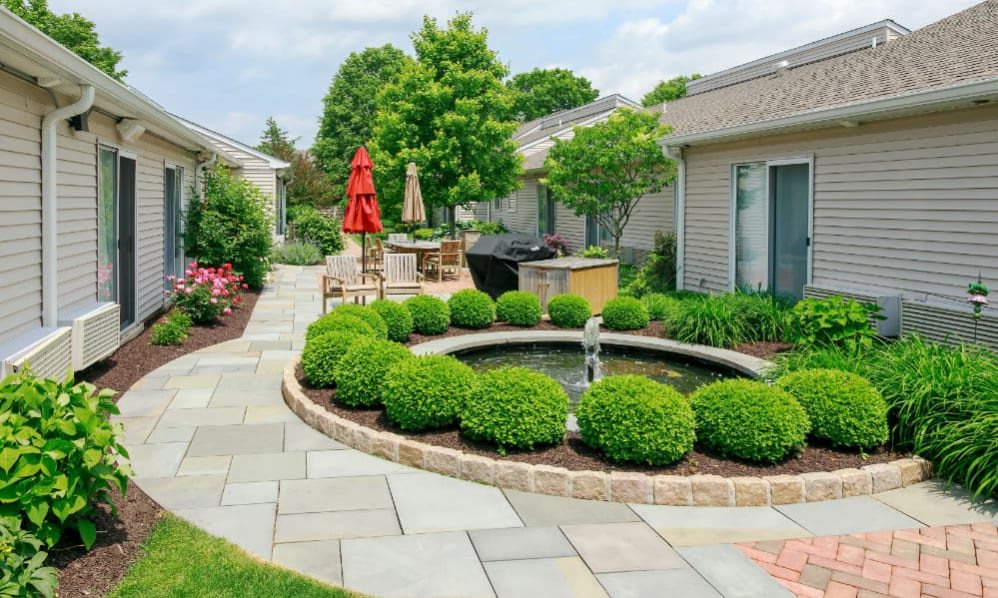
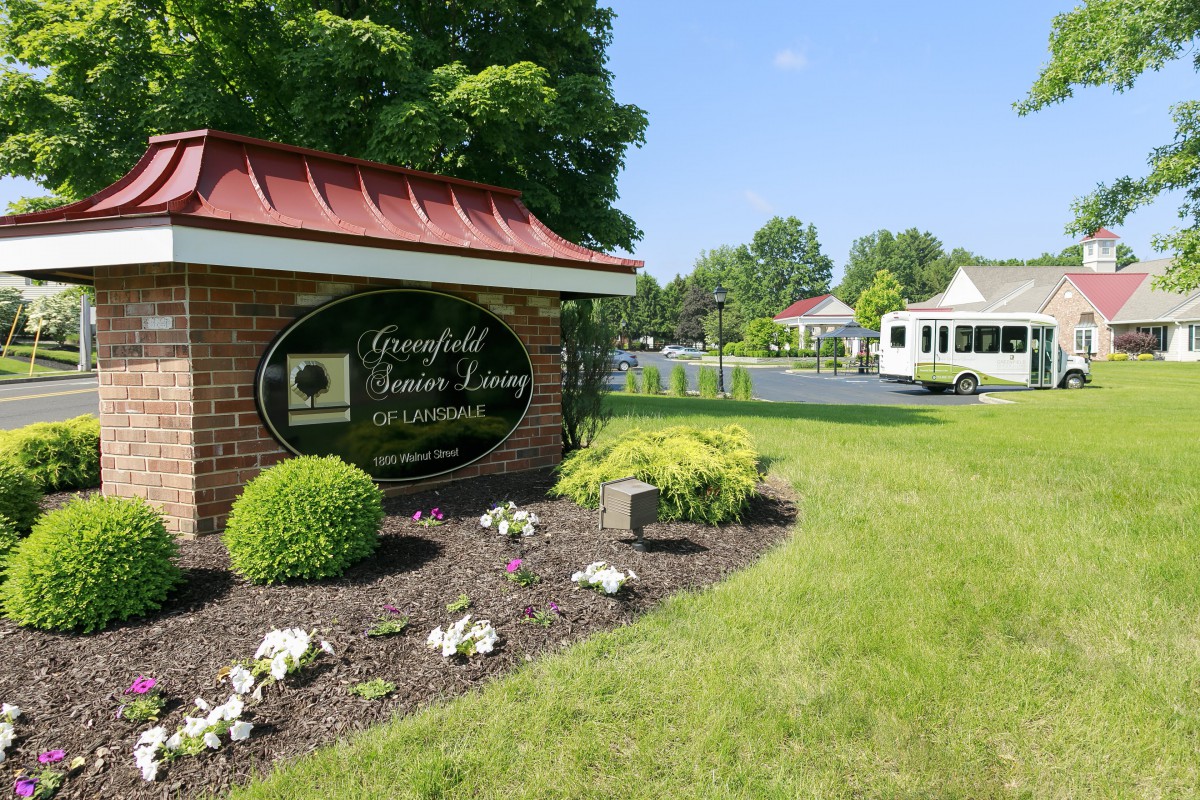
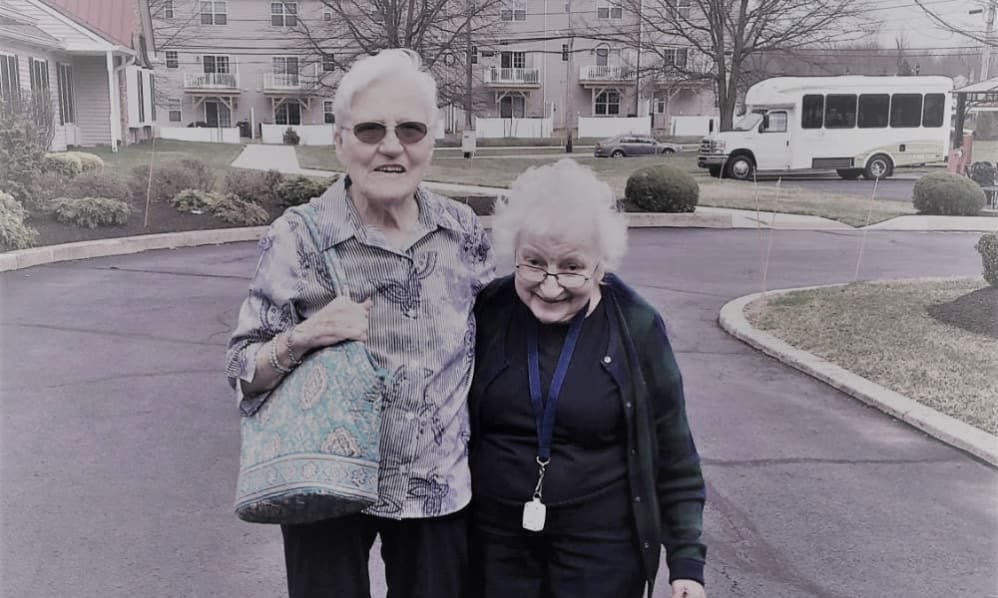
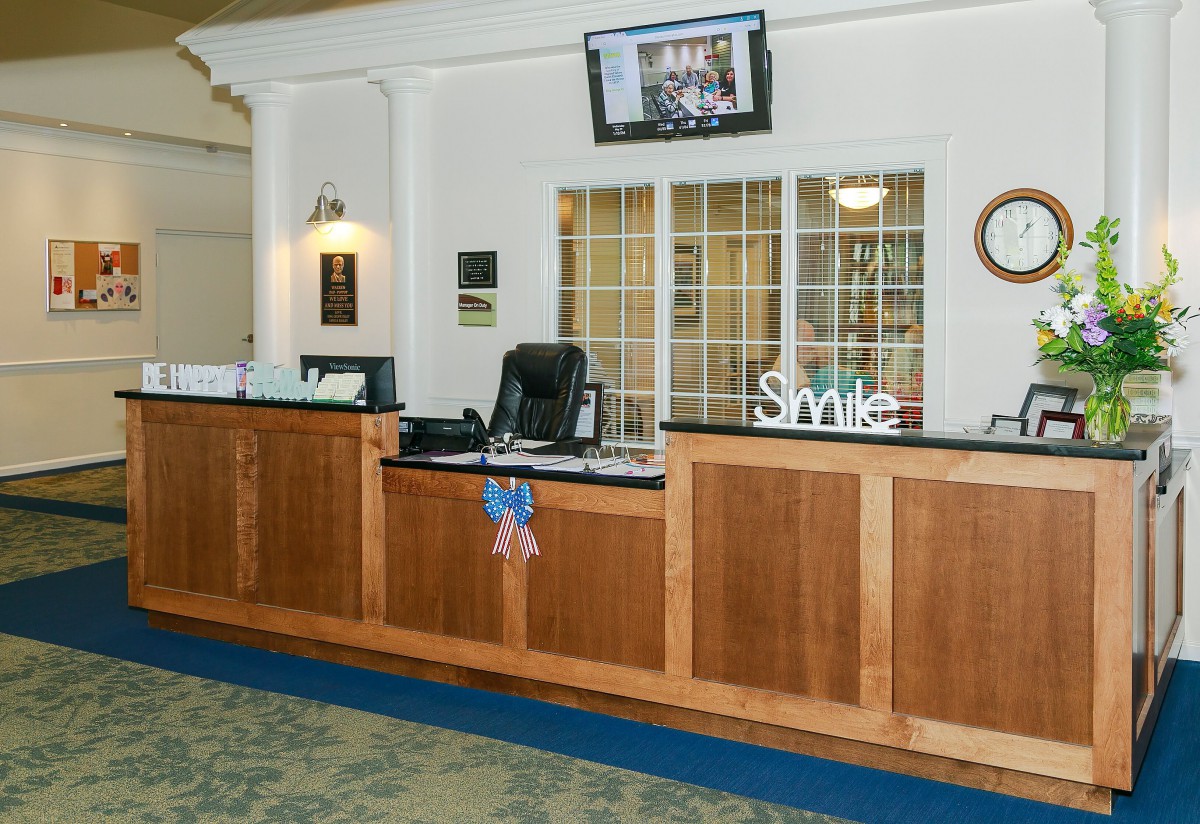
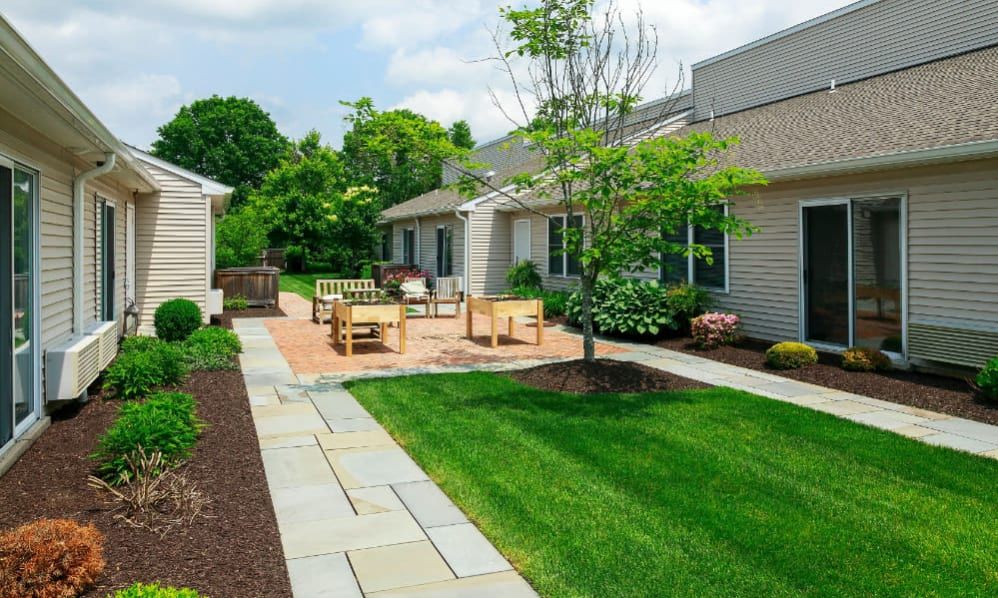
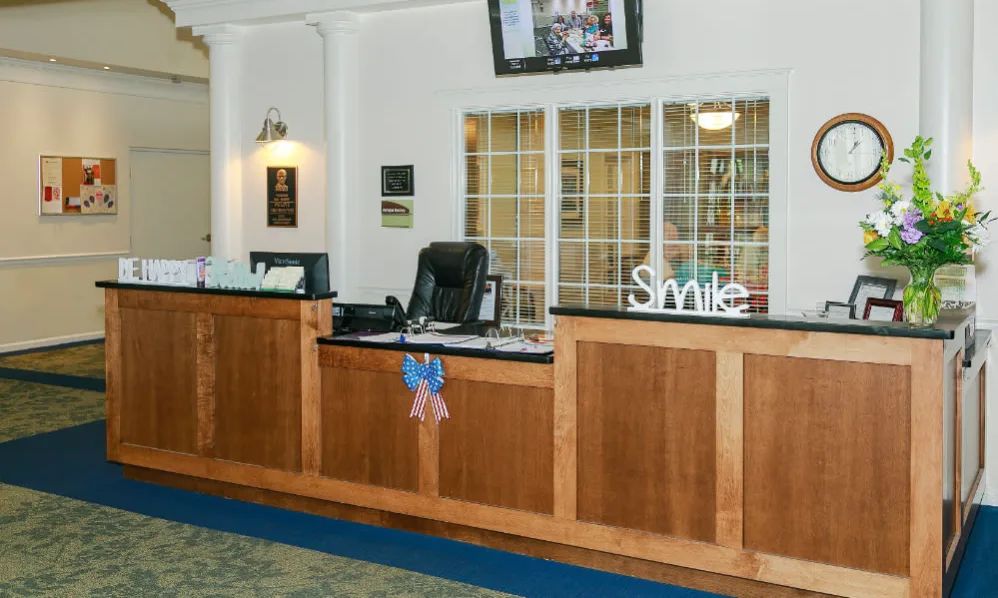
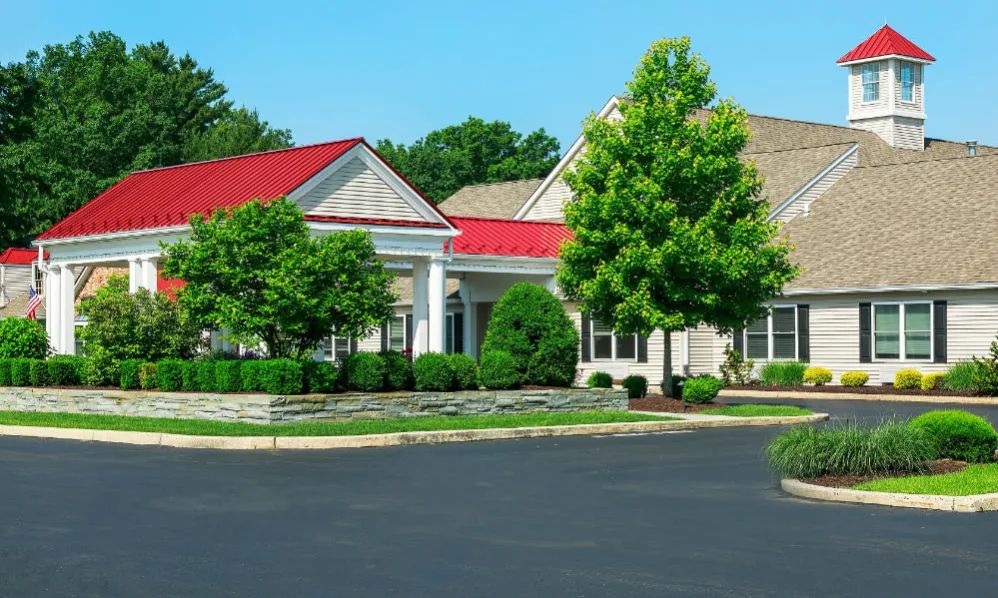
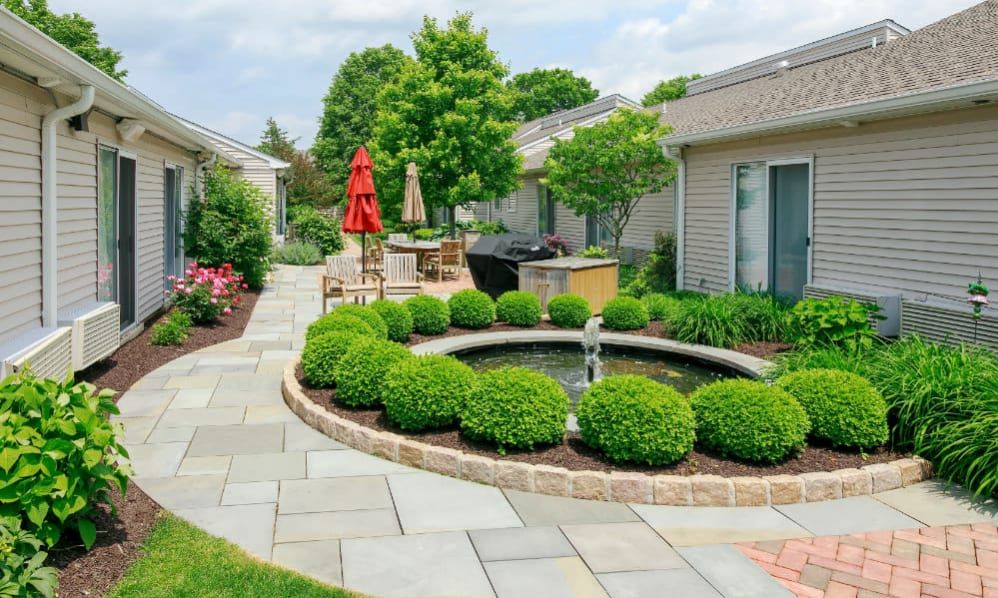
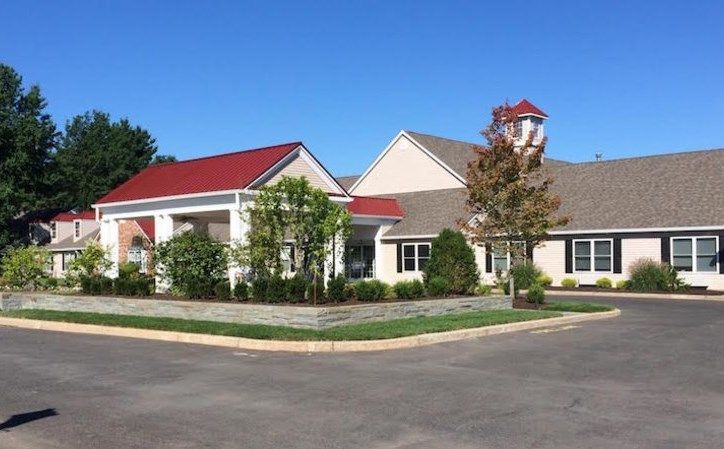
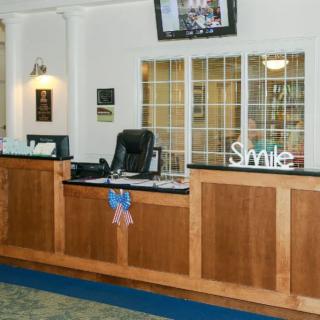
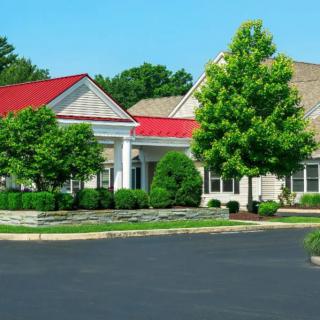
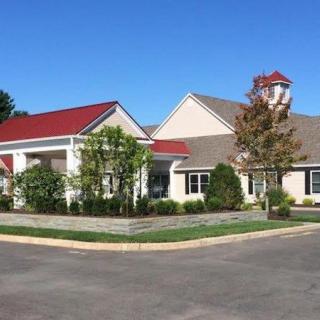
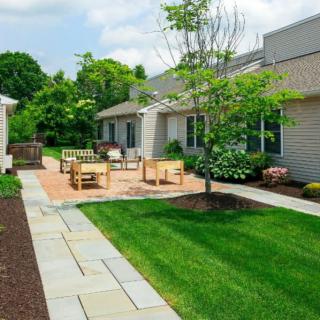
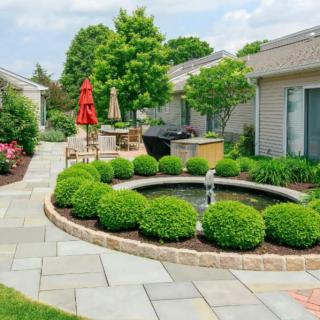
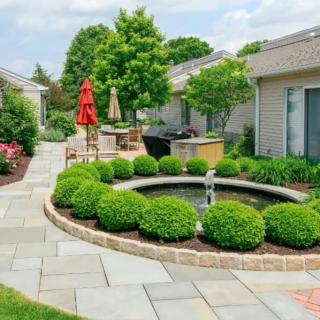
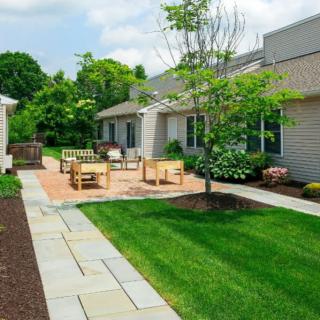
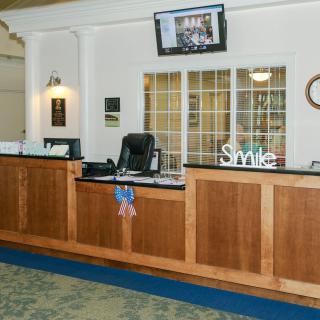
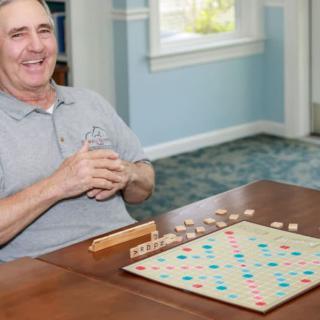
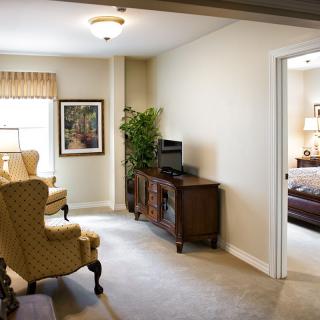
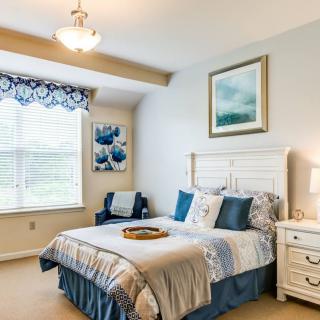
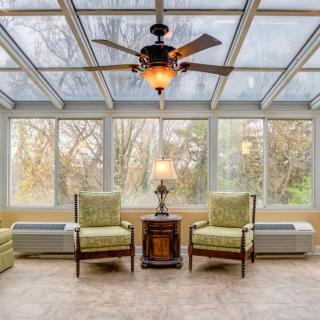
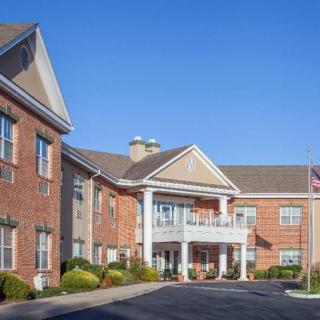
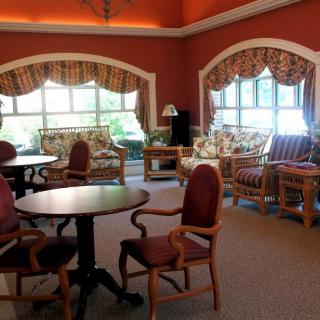
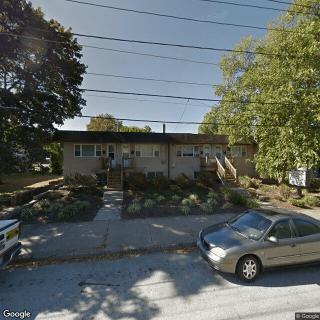
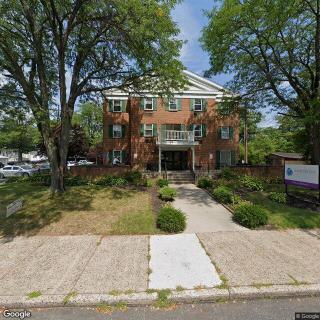
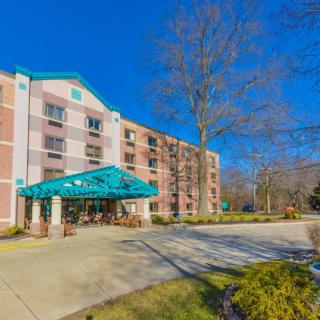
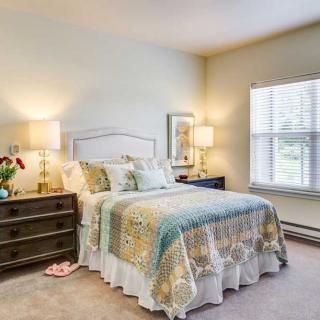
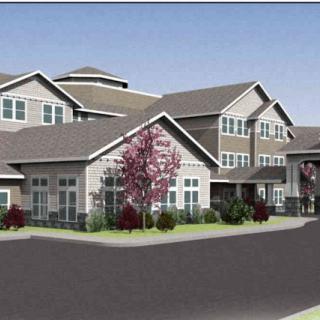
Traditions of Lansdale on seniors.fyi includes 24 photos including images showing landscaping, interior, floor plan, bedroom, trees, room layout, building, patio, and more.
Nearby Communities
The Landing Of Towamencin
Lansdale, PA
4.9 from 35 reviews
Comprehensive care options (including memory care) with 24-hour supervision and many on-site amenities.
Manorcare Health Services - Montgomeryville
Montgomeryville, PA
3.6 from 120 reviews
Improved care with dedicated, friendly staff and engaging activities.
Elm Terrace Gardens
Lansdale, PA
3.7 from 59 reviews
$1,850 to $3,300 / month
Caring staff with personalized care and strong transition support, plus versatile housing and on-site amenities.
Homewatch CareGivers of Montgomery County PA
Lansdale, PA
5 from 7 reviews
$3,000 to $4,000 / month
Competitive pricing below county/state averages; convenient Lansdale location with access to parks, pharmacies, doctors, restaurants, worship, theater, and hospital.
Synergy HomeCare
Lansdale, PA
4.4 from 41 reviews
Helpful staff that matches a dedicated caregiver who becomes part of the family and is consistently punctual.
Harborview Rehabilitation And Care Center
Lansdale, PA
2.7 from 62 reviews
$6,118 / month
Extensive amenities and 24/7 care support
St. Mary Villa, a CCRC
Lansdale, PA
4 from 54 reviews
$2,500 to $3,500 / month
Friendly staff, clean facilities, and engaging activities with good value.
Hudson Estates Gracious Retirement Living
Lansdale, PA
4.9 from 58 reviews
Comprehensive amenities with 24/7 supervision in a cozy, small community.
Hudson Estates
Lansdale, PA
4.8 from 76 reviews
$2,895 to $4,795 / month
Friendly, attentive staff in a clean, well-maintained community with good dining and activities.
The transition from assisted living to skilled nursing care is often prompted by complex medical needs that assisted living cannot meet, with key indicators including frequent health declines, increased falls, severe memory issues, and caregiver burnout. Families should recognize these signs early to discuss options with healthcare providers and prepare for the emotional and logistical aspects of moving to a facility that offers comprehensive medical support.
Dementia is characterized by cognitive decline, with nutrition playing a vital role in brain health; while no specific diet can prevent or reverse it, a nutrient-dense diet rich in antioxidants and healthy fats may support cognitive function. The MIND diet, which emphasizes beneficial foods and limits processed items, along with proper hydration and individualized meal strategies, can enhance the well-being of dementia patients.
Dementia affects memory and cognitive function in older adults, presenting challenges for caregivers due to behavioral changes such as confusion and mood swings. Compassionate, person-centered care that considers individual history and preferences, along with effective communication and environmental modifications, is essential for supporting both patients and their caregivers.
Get PricingAsk A QuestionSchedule A TourContact Senior Advisor
By clicking submit, you agree to our Partner's Terms of Use. You
also consent to receive calls and texts, which may be autodialed, from our Partner. Your consent is not a condition to
using our Partner's service. Please visit our Partner's Privacy Policy for information about their privacy practices.






 150 resident community capacity
 Studio apartments
 Assisted Living
 Independent Living
 Memory Care
 Cats allowed
 Dogs allowed
 Activities off-site
 Air-conditioning
 Beautician on-site
 Cable or satellite TV
 Cafe
Cafe Computer center
 Devotional services off-site
 Dining room
 Financing advice
 Fitness room
 Fully furnished
 Gaming room
 Garden
 Ground floor units
 Guest parking
 Handicap accessible
 Housekeeping services
 Indoor common areas
 Kitchenette
 Laundry
 Move-in coordination
 Outdoor common areas
 Overnight guests
 Party space
 Private bathrooms
 Respite or short term stays offered
 Restaurant-style dining
 Small library
 Telephone
 Wellness center
 Wheelchair accessible showers
 Wi-Fi/high-speed internet available
 Trenton-Mercer County (24 miles away)
 Community operated transportation
 12-16 hour nursing
 24-hour call system
 Ambulatory care
 Assistance with bathing
 Assistance with dressing
 Assistance with transfers
 Diabetes diet
 Diabetic care
 High acuity care
 Hospice care
 Incontinence care
 Medication management
 Mental wellness program
 Physical therapy
 Psychiatric care
 Special dietary restrictions
 Art classes
 Book club
 Catholic services
 Concierge services
 Cooking classes
 Day trips and outings
 Educational speakers / life long learning
 Games
Games Happy hour
 Live dance or theater performances
 Live musical performances
 Wii bowling
 English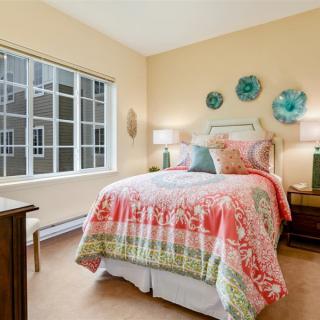
 Comprehensive care options (including memory care) with 24-hour supervision and many on-site amenities.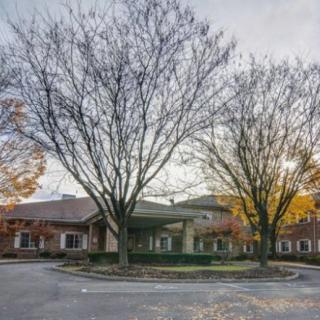
 8 Key Indicators That Suggest It May Be Time to Transition from Assisted Living to Skilled Nursing Care
 Nourishing the Mind: Essential Dietary Approaches for Dementia
 Understanding Dementia Behaviors: Practical Insights and Strategies for Caregivers