For more information about senior living options: (866) 208-4318
3.7 from 59 reviews
5 stars
33
4 stars
7
3 stars
3
2 stars
1
1 stars
15
Elm Terrace Gardens Costs & Pricing
Elm Terrace Gardens offers a compelling value in comparison to both Montgomery County and the broader state of Pennsylvania. With monthly costs starting at $1,850 for a studio apartment, residents can enjoy significant savings when compared to the county's average of $4,393 and the state's average of $3,737. For those seeking additional space, a one-bedroom unit at Elm Terrace is priced at $2,150 - again notably lower than Montgomery County's average of $4,619 and Pennsylvania's $4,006. Two-bedroom accommodations are available for $2,380, well below the county's typical cost of $4,962 and state average of $4,242. Even the semi-private option offers an attractive rate at $3,300 versus the county's higher rate of $4,587 while remaining slightly above Pennsylvania's average of $3,542. Overall, Elm Terrace Gardens stands out as a competitively priced choice for those seeking quality living arrangements in a desirable location.
Floor plans
Elm Terrace Gardens
Montgomery County
Pennsylvania
Studio
$1,850
$4,393
$3,737
1 Bedroom
$2,150
$4,619
$4,006
2 Bedrooms
$2,380
$4,962
$4,242
Semi-Private
$3,300
$4,587
$3,542
Assisted Living communities with a similar price nearby
Residents describe an on-site path from independent living into higher levels of care.
Several families mention moving within the same community when needs changed, including transitions toward personal care, skilled nursing, and memory care. Some reviewers also describe care planning that helped them feel prepared for future steps. Others raise concerns about how well that promised support worked in practice, especially when residents needed more help or rehab.
common26 reviews mention this
Staff warmth is a common thread
Staff kindness and responsiveness are a frequent point of praise in the reviews.
Many reviewers describe staff as kind, caring, and supportive, including being available when families or residents needed help. A number of residents also mention clean, well-kept surroundings alongside staff attentiveness. At the same time, several critical reviews describe communication and supervision problems, with complaints directed at both nursing and management.
common9 reviews mention this
Dining quality swings by experience
Dining is often discussed, with residents describing both restaurant-style meals and occasional cold food.
Positive comments highlight meals served in a dining room and food that residents liked, with one reviewer also describing a choice-based meal routine. A few visits mention the dining area feeling restaurant-like rather than cafeteria-style. Other reviews complain about temperature and meal accuracy, including cold lunches or dinners and trouble getting requested items.
common10 reviews mention this
Activities can be engaging
Reviews describe regular activities, from classes to outings, though a few report a lack of engagement.
Some residents and families mention scheduled activities that help people stay socially and mentally engaged, including classes, library time, salon and recreation, and planned outings. Several also describe a calendar of events and community checks that keep routines on track. Still, a few critical reviews say residents were left without meaningful interaction or activities, especially on care units during periods of heavier need.
caveat5 reviews mention this
Cost and contract concerns recur
Some reviews warn that contracts, notices, and the overall cost can become stressful during care changes.
A few reviewers describe monthly pricing as expensive and urge families to review agreements carefully. Others raise concerns about billing, notice handling, and whether accommodations or promised support matched what was expected. While a separate group mentions price as favorable for their situation, the most detailed complaints are specifically about contract and cost disputes.
How we summarize
Counts show how many written reviews mention each theme; a review can touch several themes, and only frequently mentioned themes are displayed.
Features
Housing
250 resident community capacity
1-bedroom apartments
2-bedroom apartments
Studio apartments
Types of Care
Active Adult Communities (55+)
Assisted Living
Continuing Care Retirement Community (CCRC)
Independent Living
Memory Care
Respite Care
Skilled Nursing Facility
Pets
Cats allowed
Dogs allowed
Amenities
Activities off-site
Activities on-site
Air-conditioning
Bath tubs
Beautician on-site
Beauty salon
Cable or satellite TV
Computer center
Devotional services off-site
Devotional services on-site
Dining room
Fitness room
Fully furnished
Gaming room
Garden
Guasts at mealtime
Housekeeping services
Indoor common areas
Kitchenette
Laundry
Move-in coordination
Outdoor common areas
Outdoor space
Private bathrooms
Resident parking
Respite or short term stays offered
Restaurant-style dining
Small library
Spa
Telephone
Wellness center
Wheelchair accessible showers
Wi-Fi/high-speed internet available
Transportation
Trenton-Mercer County (25 miles away)
Community operated transportation
Transportation & parking
Transportation arrangement
Transportation arrangement (non-medical)
Transportation to doctors appointments
Care Services
12-16 hour nursing
24-hour call system
24-hour supervision
Activities of daily living assistance
Assistance with bathing
Assistance with dressing
Assistance with transfers
Diabetes diet
Diabetic care
Incontinence care
Meal preparation and service
Medication management
Mental wellness program
Physical therapy
Special dietary restrictions
Dining
Diabetes diet
Meals provided
Renal
Room service
Special dietary restrictions
Vegetarian
Activities
Activities off-site
Activities on-site
Community-sponsored activities
Concierge services
Devotional activities offsite
Devotional activities on-site
Fitness programs
Planned day trips
Religious services
Resident-run activities
Scheduled daily activities
Languages Spoken
English
Nearby Places of Interest
This part of Lansdale, Pennsylvania, offers a range of medical facilities such as the Center for Total Women's Health and Jefferson Lansdale Hospital within close proximity, providing convenient access to healthcare services. Additionally, there are several pharmacies nearby including Walgreens and CVS Pharmacy for easy medication management. Residents can enjoy dining options at various restaurants like Imprint Beer and Ooka Montgomeryville, as well as leisurely walks in nearby parks such as School Road Park and Windlestrae Park. For spiritual needs, there are places of worship like Mary Mother of the Redeemer and The National Shrine of Our Lady of Czestochowa nearby. The area also offers entertainment options with theaters like AMC 309 Cinema 9 and Regal Warrington Crossing Screenx within driving distance. Overall, this part of Lansdale provides a convenient and diverse environment for seniors looking to settle down in the area.
Physicians
Center for Total Women's Health - Lansdale (0.4 miles)
Detweiler Family Medicine (1.2 miles)
Otolaryngology Plastic Surgery Associates (1.4 miles)
Schwarz Dermatology (4.6 miles)
Harleysville Medical Associates (4.9 miles)
Pennridge Pediatrics (5.3 miles)
Trivalley Primary Care (6 miles)
Hospitals
Jefferson Lansdale Hospital (0.5 miles)
Pharmacies
Walgreens (0.8 miles)
CVS Pharmacy (1.3 miles)
CVS Pharmacy (1.8 miles)
Wegmans (1.9 miles)
Walgreens (1.9 miles)
CVS Pharmacy (2.1 miles)
CVS Pharmacy (2.9 miles)
Restaurants
Imprint Beer (1.2 miles)
Ooka Montgomeryville (1.9 miles)
Bull Restaurant & Tavern (2 miles)
Chick-Fil-A (2 miles)
Miller's Ale House (2.1 miles)
Applebee's (2.4 miles)
The Metropolitan (2.4 miles)
Parks
School Road Park (2.7 miles)
Windlestrae Park (3.7 miles)
Stony Creek Sports Park (4.3 miles)
Homested Park (7.1 miles)
Upper Salford Park (8.6 miles)
Places of Worship
Mary Mother of the Redeemer (3 miles)
Luthern Home (6.7 miles)
The National Shrine of Our Lady of Czestochowa (7.3 miles)
Elm Terrace Gardens offers a compelling value in comparison to both Montgomery County and the broader state of Pennsylvania. With monthly costs starting at $1,850 for a studio apartment, residents can enjoy significant savings when compared to the county's average of $4,393 and the state's average of $3,737. For those seeking additional space, a one-bedroom unit at Elm Terrace is priced at $2,150 - again notably lower than Montgomery County's average of $4,619 and Pennsylvania's $4,006. Two-bedroom accommodations are available for $2,380, well below the county's typical cost of $4,962 and state average of $4,242. Even the semi-private option offers an attractive rate at $3,300 versus the county's higher rate of $4,587 while remaining slightly above Pennsylvania's average of $3,542. Overall, Elm Terrace Gardens stands out as a competitively priced choice for those seeking quality living arrangements in a desirable location.
The features at Elm Terrace Gardens are designed to create a supportive and nurturing environment for residents with dementia or Alzheimer's disease, addressing both their physical and emotional needs. With 24-hour supervision, residents receive constant oversight, ensuring safety and immediate assistance in emergencies. Assistance with activities of daily living, such as bathing, dressing, and transfers, promotes dignity while helping individuals maintain their independence as much as possible. Incontinence care is provided discreetly to uphold comfort and confidence. Meal preparation and service cater to nutritional needs tailored to individual preferences, which can enhance overall well-being. Medication management ensures that residents adhere to their prescribed regimens safely and effectively. The mental wellness program offers cognitive stimulation through engaging activities that foster social interaction and memory retention. Additionally, physical therapy supports mobility and strength, contributing to the residents' overall physical health. Together, these services create a holistic approach to memory care that emphasizes quality of life for those facing cognitive challenges.
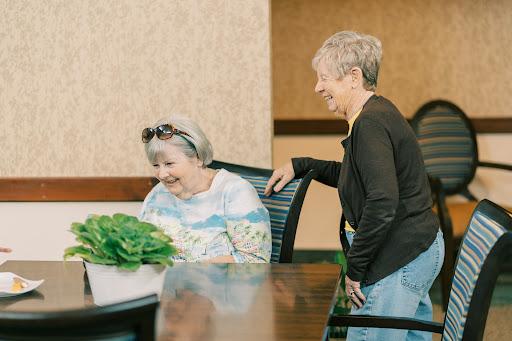
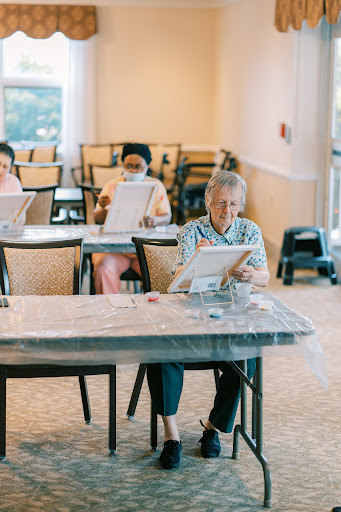
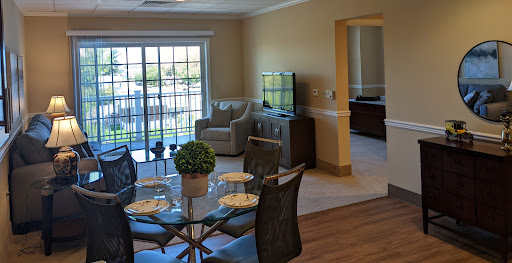
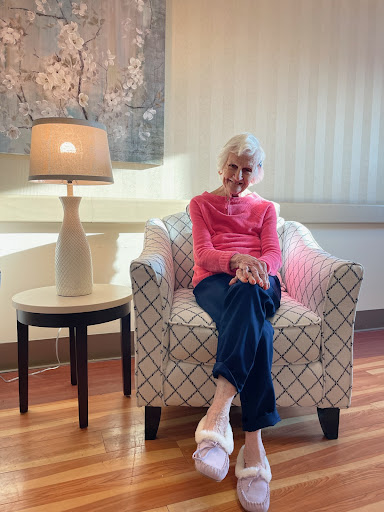
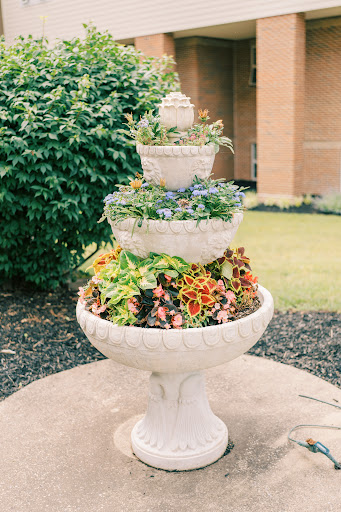
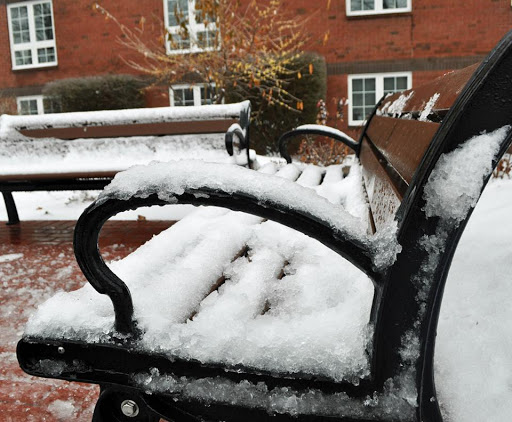
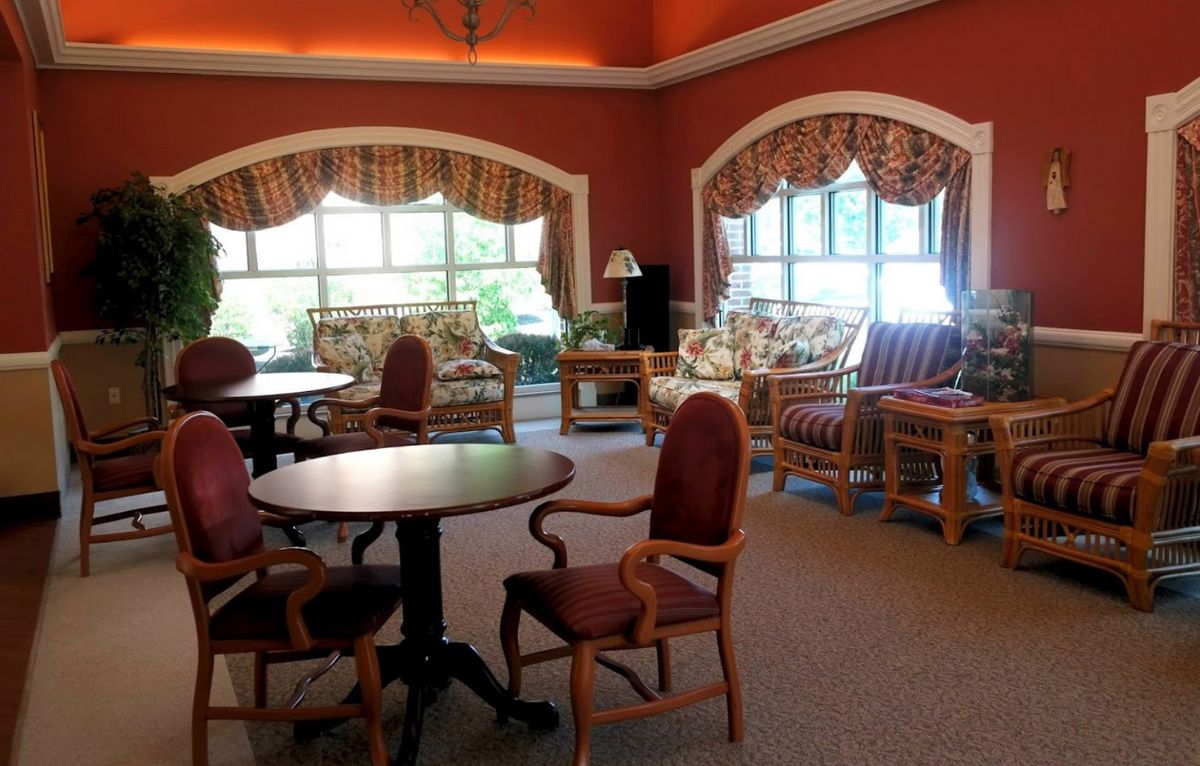
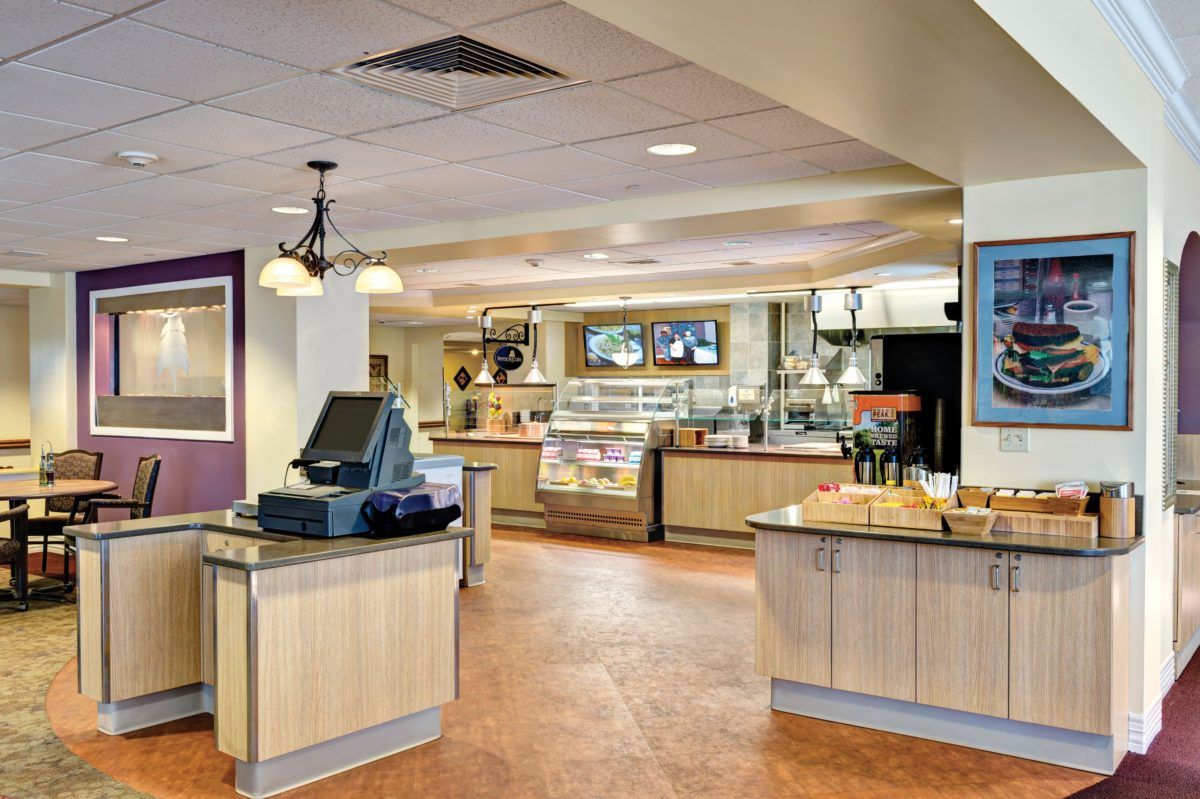
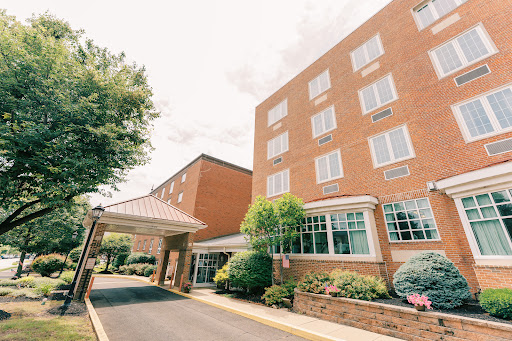
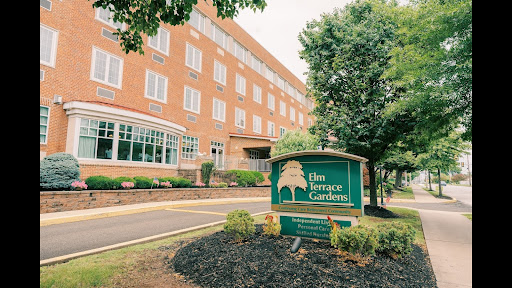
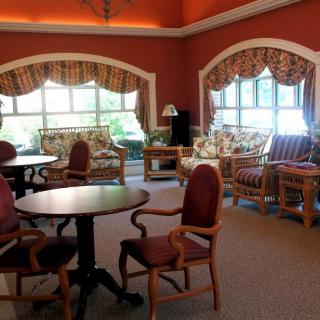
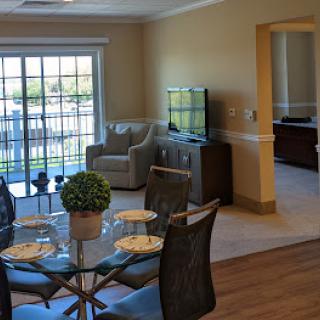
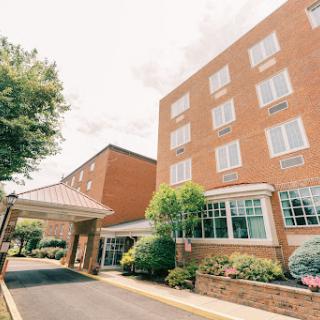
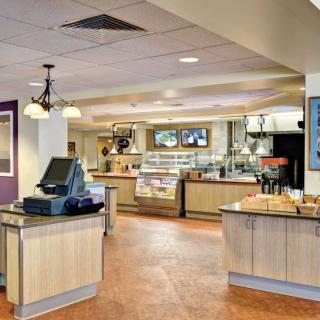
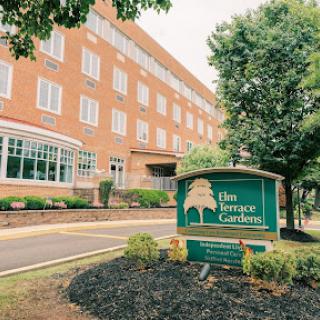
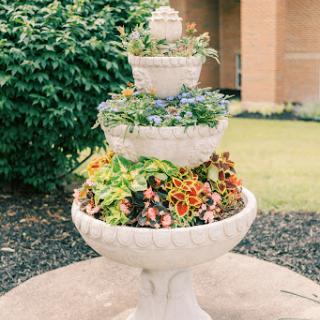
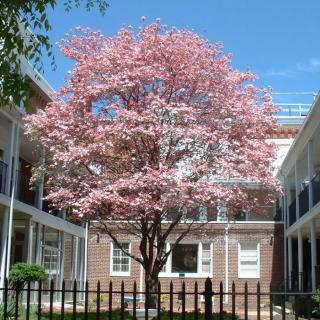
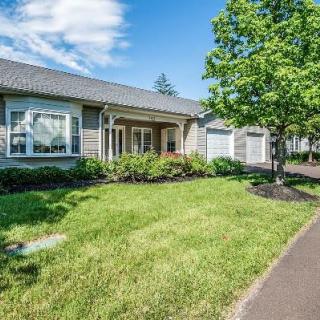
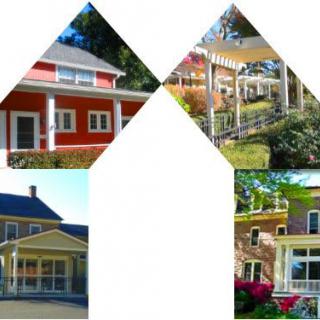
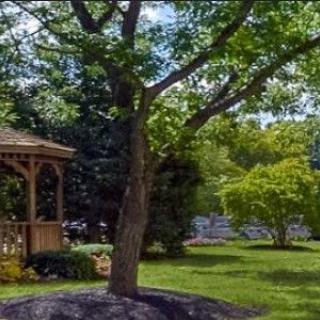
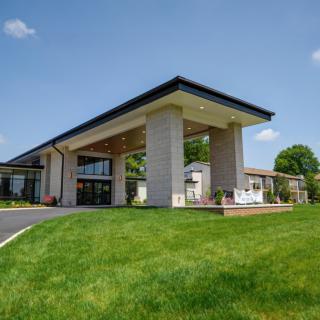
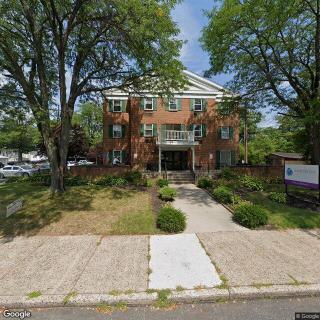
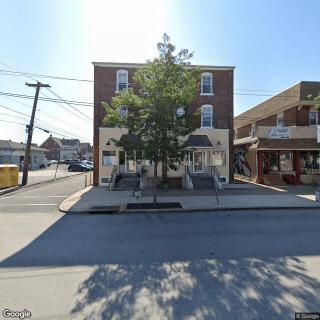
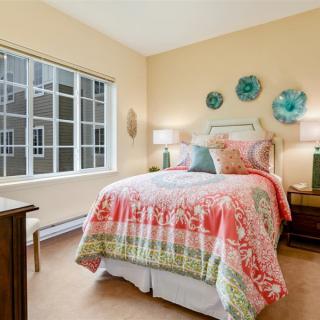
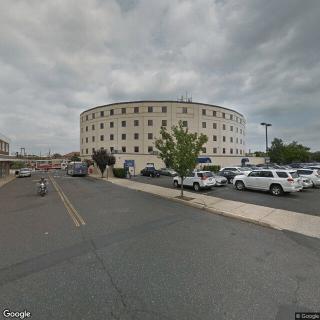
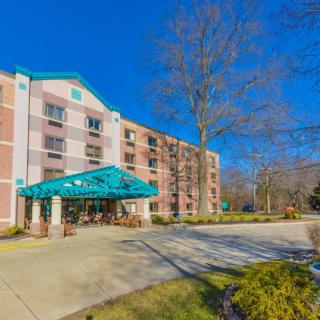
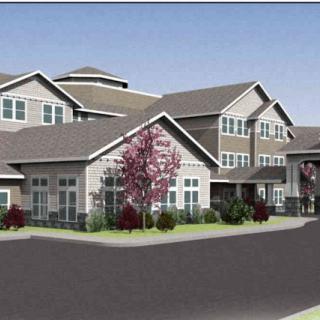
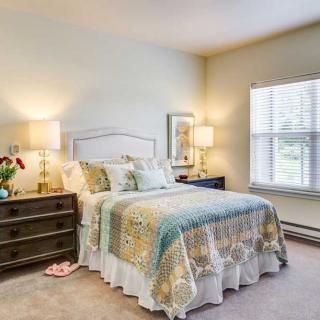
Elm Terrace Gardens on seniors.fyi includes 13 photos including images showing interior, landscaping, dining, windows, building, exterior, garden, outdoors, and more.
Nearby Communities
Homewatch CareGivers of Montgomery County PA
Lansdale, PA
5 from 7 reviews
$3,000 to $4,000 / month
Competitive pricing below county/state averages; convenient Lansdale location with access to parks, pharmacies, doctors, restaurants, worship, theater, and hospital.
Synergy HomeCare
Lansdale, PA
4.4 from 41 reviews
Helpful staff that matches a dedicated caregiver who becomes part of the family and is consistently punctual.
Harborview Rehabilitation And Care Center
Lansdale, PA
2.7 from 62 reviews
$6,118 / month
Extensive amenities and 24/7 care support
Home Helpers
Lansdale, PA
4.7 from 3 reviews
Compassionate, professional in-home care at reasonable rates.
The Landing Of Towamencin
Lansdale, PA
4.9 from 35 reviews
Comprehensive care options (including memory care) with 24-hour supervision and many on-site amenities.
Right at Home
Lansdale, PA
4.7 from 29 reviews
Peaceful, convenient assisted living with easy access to parks, pharmacies, physicians, dining, worship, theaters, and hospitals.
St. Mary Villa, a CCRC
Lansdale, PA
4 from 54 reviews
$2,500 to $3,500 / month
Friendly staff, clean facilities, and engaging activities with good value.
Hudson Estates
Lansdale, PA
4.8 from 76 reviews
$2,895 to $4,795 / month
Friendly, attentive staff in a clean, well-maintained community with good dining and activities.
Hudson Estates Gracious Retirement Living
Lansdale, PA
4.9 from 58 reviews
Comprehensive amenities with 24/7 supervision in a cozy, small community.
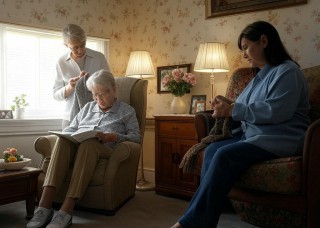
At-home dementia care expenses vary widely based on care levels, location, and caregiver expertise, with monthly costs for home health aides exceeding $4,500 and specialized care potentially surpassing $100,000 annually. While families favor in-home care for its comfort and personalized attention, they must consider financial planning and the challenges of caregiver fatigue.
The article discusses the late stages of dementia, detailing the progression from mild to severe impairment and highlighting key characteristics such as profound cognitive decline and dependency in daily activities. It emphasizes care strategies focused on comfort and dignity, the importance of advance directives, and the emotional support needed for family caregivers facing this challenging journey.
The article examines the link between certain medications and increased dementia risk, particularly in older adults, emphasizing that long-term or high-dose use of anticholinergics, benzodiazepines, and other drug classes can exacerbate cognitive impairment. It calls for careful medication evaluation and shared decision-making to mitigate these risks while managing treatment efficacy.
Get PricingAsk A QuestionSchedule A TourContact Senior Advisor
By clicking submit, you agree to our Partner's Terms of Use. You
also consent to receive calls and texts, which may be autodialed, from our Partner. Your consent is not a condition to
using our Partner's service. Please visit our Partner's Privacy Policy for information about their privacy practices.




 250 resident community capacity
 1-bedroom apartments
 Active Adult Communities (55+)
 Assisted Living
 Continuing Care Retirement Community (CCRC)
 Independent Living
 Memory Care
 Respite Care
 Skilled Nursing Facility
 Cats allowed
 Dogs allowed
 Activities off-site
 Air-conditioning
 Bath tubs
 Beautician on-site
 Cable or satellite TV
 Computer center
 Devotional services off-site
 Dining room
 Fitness room
 Fully furnished
 Gaming room
 Garden
 Housekeeping services
 Indoor common areas
 Kitchenette
 Laundry
 Move-in coordination
 Outdoor common areas
 Private bathrooms
 Resident parking
 Restaurant-style dining
 Small library
 Spa
Spa Telephone
 Wheelchair accessible showers
 Wi-Fi/high-speed internet available
 Trenton-Mercer County (25 miles away)
 Community operated transportation
 12-16 hour nursing
 24-hour call system
 Assistance with bathing
 Assistance with dressing
 Assistance with transfers
 Diabetes diet
 Diabetic care
 Incontinence care
 Medication management
 Mental wellness program
 Physical therapy
 Special dietary restrictions
 Concierge services
 Planned day trips
 English
 Competitive pricing below county/state averages; convenient Lansdale location with access to parks, pharmacies, doctors, restaurants, worship, theater, and hospital.
 Estimating the Expenses of At-Home Dementia Care: A Detailed Exploration
 Comprehensive Insights on the Late Stages of Dementia: What to Expect and How to Provide Care
 Medications Associated with Dementia Risk: A Comprehensive Overview