
1660 Gibson Road, Bensalem, PA 19020
For more information about senior living options: (866) 208-4318
Salem Manor Costs & Pricing
At Salem Manor, the monthly cost for a private room is set at $4,995. This price positions it slightly above the average rates found in Philadelphia County, where similar accommodations are priced at approximately $4,448, and also higher than the state average of around $4,890. While Salem Manor's pricing reflects its unique offerings and amenities, prospective residents may find this premium aligns with the high quality of care and services provided within the community. It's essential to weigh these factors when considering options for long-term care in comparison with both county and state costs.
| Floor plans | Salem Manor | Philadelphia County | Pennsylvania |
|---|---|---|---|
| Private | $4,995 | $4,448 | $4,890 |
Senior living communities with a similar price nearby
-
from -$295 / mo

Parkers Bend Retirement
$4,700 to $5,900 / month11.8 miles away -
from +$765 / mo
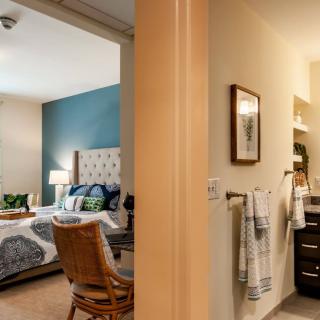
Arbor Terrace Mount Laurel
$5,760 to $8,930 / month9.3 miles away -
from -$495 / mo
Montgomery Preserve
$4,500 / month17.4 miles away -
from +$825 / mo
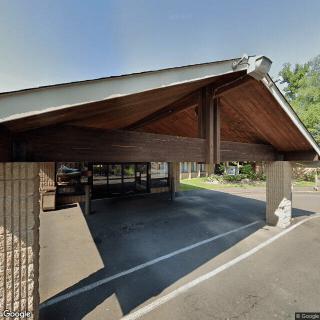
Luther Woods Convalescent Ctr
$5,820 / month11.8 miles away -
from -$895 / mo
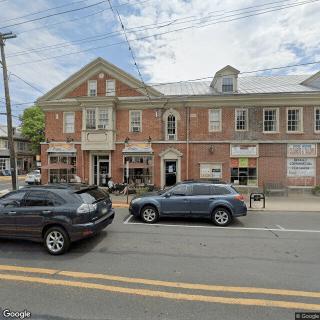
24/7 BrightStar
$4,100 to $4,200 / month3.5 miles away
Overall Review of Salem Manor
Pros
 The fountain is cool.
- The homes are really beautiful.
- The street itself is very nice.
- The little side lawns are well maintained.
- It is a nice place.
Cons
 A visitor was harassed by someone they believed was an employee about trespassing.
- The reviewer felt that residents were ignorant, or that the employees were responsible, painting the community in a negative light.
- The reviewer withheld a five-star rating because the street is a no-outlet, calling the lack of space for an easy turnaround an avoidable inconvenience.
- The place is described as getting crazy.
- The reviewer couldn’t remember the place, indicating a lack of a positive impression.
- The no-outlet street layout was criticized as an unnecessary inconvenience.
Review
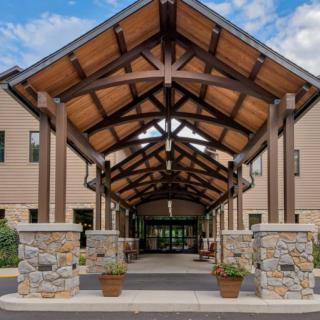
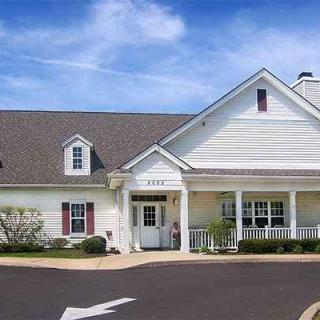
Salem Manor in Bensalem, PA is best suited for families seeking an aesthetically pleasing, residential setting where curb appeal and a tranquil street presence matter as much as the daily routine. The appeal rests on beautifully designed homes, well-kept lawns, and a small-town feel that feels less institutional and more like a private neighborhood. A decorative fountain adds a touch of polish that signals an emphasis on atmosphere and first impressions. This is the kind of environment that can make an aging loved one feel like they are moving into a dignified, safely lit community rather than into a generic care facility. It is not for those chasing a high-energy, campus-style model or constant, bustling programming.
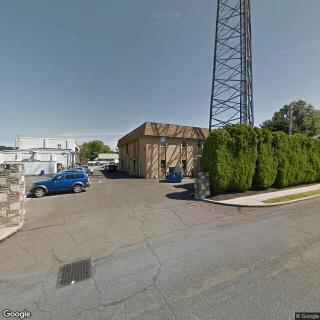
Those who may want to consider alternatives are the families prioritizing consistently respectful, responsive staff interactions. At least one visitor described an incident that felt like harassment by a staff member toward a guest, which raises concerns about boundaries, safety, and how concerns are handled day to day. Prospective residents who cannot tolerate unclear or inconsistent staff behavior will want to look closely at leadership response, training practices, and the culture that percolates through front-line interactions. Additionally, the site’s street layout, a no-outlet configuration with limited space for turning, could be a practical drawback for families, visitors, and emergency access, especially if regular transport or frequent guest visits are part of the plan.
The strongest positives here are tangible and steady: the visual appeal of the homes, the clean, orderly grounds, and the impression of a quiet, neighborly setting. These elements contribute to a lower-stress, more predictable daily environment, which can be a meaningful advantage for residents who value stability and a pleasant backdrop to their routine. The proximity to a well-kept streetscape and the absence of a cluttered campus vibe can support independent activity for longer and help visitors feel comfortable stopping by. When staff interactions are consistently positive, these grounds can translate into a strong sense of belonging and pride in the community.
However, the main cons cut against that win. The report of harassment, even if isolated in perception or memory, threatens the trust essential to choosing a senior living option. Combined with a street layout that complicates drive-through familiarity and accessibility, Salem Manor risks turning what should be a straightforward move into a source of ongoing friction for families and visiting loved ones. These issues do not negate the high-quality exterior and setting, but they do tilt the decision toward caution, especially for households prioritizing a respectful, predictable caregiving culture and transparent communication between staff, residents, and families.
From a practical decision-making standpoint, Salem Manor warrants a thorough, in-person evaluation before any commitment. Prospective residents should request candid conversations with multiple staff members and, ideally, with current residents who can speak to day-to-day behavior and problem resolution. A walk-through of the common spaces and a test of the turn-around on the no-outlet street can reveal whether the practical logistics align with the glossy exterior. Families should ask about grievance procedures, turnover among caregivers, and how management addresses concerns about staff conduct. The goal is to determine whether the aesthetics are matched by consistently courteous service and reliable safety protocols.
In the end, Salem Manor offers a compelling exterior and setting for seniors who prize beauty, order, and a calmer pace of life. The decisive factor will be whether the internal culture, staff training, supervision, and responsiveness, meets the expectations created by the grounds. This community will clearly serve well those who receive steady, respectful interactions and who do not require maximal programming or a highly dynamic social calendar. For anyone considering alternatives, focus on environments with demonstrable, ongoing staff accountability and easier traffic and access layouts. A well-timed tour, armed with specific questions about staff culture and the no-outlet street, should reveal whether Salem Manor is the right fit or if another option aligns more closely with the family’s priorities.
 6 resident community capacity
 Active Adult Communities (55+)
 Housekeeping services
 Telephone
 Wi-Fi/high-speed internet available
 Trenton-Mercer County (12 miles away)
 Assistance with dressing
 Meal preparation and service
 Medication management
 Diabetes diet
 Special dietary restrictions
 Understanding the Nuances of Palliative Care and Hospice: A Comprehensive Exploration
 Fecal Incontinence in Older Adults: A Comprehensive Guide
 Recognizing the Journey: Understanding and Navigating Anticipatory Grief