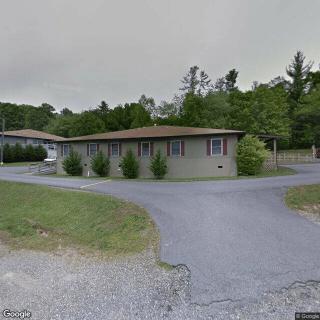
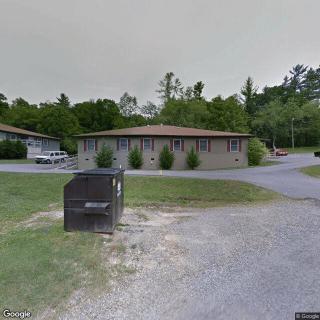
Richmond Hill Rest Home 3 in Asheville, NC

Information last verified:

95 Richmond Hill Road, Asheville, NC 28806

For more information about senior living options: (844) 490-3973

3.9 from 18 reviews
5 stars
13
4 stars
0
3 stars
0
2 stars
0
1 stars
5

Overall Review of Richmond Hill Rest Home 3

Pros

  • pro The staff are incredibly helpful and patient.
  • pro They take the time to care about her.
  • pro Her sister is much happier than she was before.
  • pro The facility is one of the best the reviewer has worked at.
  • pro The residents have become like family.
  • pro Since the new management took over, the houses are great.
  • pro Residents appear happy and well cared for.

Cons

  • pro They were unable to reach anyone and had difficulty getting a hold of staff.
  • pro The reviewer reports that the mother was being terribly mistreated at the facility, with the diabetic diet not being followed and meals generally not adequate.
  • pro Medications were not being given correctly or not at all.

Review

Richmond Hill Rest Home 3 is best suited for families seeking a small, home-like environment where warmth, personal attention, and staff accessibility carry real weight. The community appears to work best for residents who value daytime interaction with caregivers who treat residents like individuals and who appreciate a setting that feels more intimate than a large campus. Those who prioritize strong, visible caregiving and a sense of belonging over clinic-style precision will find this home offering appeal. It is particularly well-suited for families who can tolerate some variability in administrative responsiveness while trusting that hands-on staff care is consistently compassionate and present. This is not the pick for those who require constant, highly regulated medical oversight.

Alternatives should be considered by families where medical management must be relentlessly predictable and where every question must be answered within minutes. A subset of reviews highlights difficulty in reaching the facility, suggesting that in moments of urgent need or rapid change, response times may fall short. When care hinges on meticulous coordination of complex diets, precise medication schedules, or 24/7 availability from a centralized administration, a larger operator with formal systems and lower risk of communication gaps may be a safer fit. In short, this community may not satisfy households with ultra-high expectations for medical governance or for flawless day-to-day responsiveness.

The strongest upsides center on the relational atmosphere and visible pride in care. Staff are described as helpful, patient, and genuinely invested in residents’ lives, often going beyond basic caregiving to make residents feel valued. Positive reflections emphasize clean, well-kept houses, a pleasant scent in common areas, and a sense that residents are treated with respect, attributes that translate into residents who look comfortable and content. A recent management transition is repeatedly cited as a turning point, with many noting that the new clinical leadership and on-site physicians are driving meaningful improvements in protocols and overall resident well-being. These factors collectively counterbalance some communication frictions by delivering reliable day-to-day care and a reassuring on-site presence.

Yet the cons cannot be dismissed. The most serious concerns revolve around inconsistent communication and a troubling isolated report of mistreatment related to meals and medication administration. The idea that a resident could be deprived of appropriate diabetic meals or proper medication scheduling underscores real risk and signals the need for rigorous verification of current practices. Several reviews point to staffing strain associated with past leadership, which helps explain, but does not excuse, episodic delays in getting answers. In sum, while improvements are evident, the historical drift toward gaps in responsiveness remains a cautionary note that families must explicitly address during tours and negotiations.

When weighed together, the positives around relationships, cleanliness, and deliberate leadership investment do create a meaningful offset to the weaker points, provided the new management is fully trusted and the care team remains consistently engaged. The presence of a physician-led, on-site management cohort has the potential to raise standard operating procedures and reduce the likelihood of the most serious missteps. Families should look for concrete confirmations of current medication practices, scheduled meal planning for dietary restrictions, and clear escalation paths for questions or concerns. If these elements are solid, the environment becomes a strong match for residents who prize homelike comfort and attentive, person-centered care.

For those weighing options, the decision hinges on priorities. If the aim is a warm, neighborly setting with caregivers who treat residents like family and a leadership team that has shown rapid improvement, Richmond Hill Rest Home 3 can be a compelling choice. Prospective families should, however, push for explicit assurances: up-to-date meal plans aligned with diabetic diets, reliable on-call access to management, and a transparent process for issue resolution. If these assurances cannot be documented or if a caregiver’s calm accessibility is insufficient to satisfy ongoing medical oversight, exploring alternatives with stronger clinical governance is prudent. In the right fit, this community delivers a grounded, hopeful living environment; in the wrong fit, it risks letting critical needs drift without timely attention.

Features

Housing

  • 12 resident community capacity 12 resident community capacity

Types of Care

  • Assisted Living Assisted LivingAssisted living facilities provide crucial support and care for seniors who may need help with daily tasks such as medication management, bathing, and meal preparation. These communities offer a safe and comfortable environment where seniors can maintain their independence while receiving the assistance they need to thrive in their golden years.
  • Board and Care Home Board and Care HomeBoard and care homes provide a smaller, more intimate setting for seniors who require assistance with daily tasks but do not need the level of care offered by a nursing home. They offer personalized care, meals, and social activities in a homelike environment, ensuring that seniors receive individualized attention and support in their golden years.

Amenities

  • Cable or satellite TV Cable or satellite TVCable or satellite TV is important for seniors because it provides entertainment, news, and companionship, helping to combat loneliness and boredom. It also offers a wide range of programming options tailored to different interests and preferences.
  • Dining room Dining roomDining rooms are important for seniors as they provide a space for socialization, connection, and nutritious meals. They offer opportunities for residents to bond over shared meals, foster a sense of community, and promote healthy eating habits. Dining rooms also ensure that seniors have access to well-balanced meals tailored to their dietary needs and preferences.
  • Fully furnished Fully furnishedFully furnished senior living communities are important for seniors because they provide convenience, comfort, and a hassle-free moving experience. Seniors can easily settle into their new living space without the stress of having to buy and move furniture. This allows them to focus on enjoying their new home and community.
  • Garden GardenGardens are important for seniors as they provide a peaceful and therapeutic environment for relaxation, physical activity, and socialization. Being in nature has been shown to reduce stress, improve mood, and promote overall well-being. Gardens also offer opportunities for seniors to engage in gardening activities, which can improve mobility, flexibility, and cognitive function. Additionally, gardens create a sense of community and connection with others who share a passion for plants and outdoor spaces.
  • Housekeeping services Housekeeping servicesHousekeeping services are important for seniors because they help maintain a clean and safe living environment, promote independence, and reduce the risk of accidents or illnesses. Additionally, having assistance with household chores can alleviate physical strain and allow seniors to focus on other aspects of their well-being.
  • Move-in coordination Move-in coordinationMove-in coordination is important for seniors because it helps ease the transition into their new living environment. It ensures that all logistics, such as packing, organizing movers, and setting up utilities are taken care of, allowing seniors to focus on settling in and adjusting to their new home. Having a smooth move-in process can alleviate stress and anxiety, making the transition smoother and more enjoyable for seniors.
  • Outdoor space Outdoor spaceOutdoor spaces are important for seniors as they provide opportunities for physical activity, social interaction, exposure to natural light and fresh air, and a sense of connection to nature. Having access to outdoor spaces can improve overall well-being and quality of life for older adults living in senior communities.
  • Telephone TelephoneTelephones are important for seniors as they provide a lifeline for communication with loved ones, emergency services, and healthcare providers. They offer a sense of security and independence, enabling seniors to stay connected and access assistance when needed.
  • Wi-Fi/high-speed internet available Wi-Fi/high-speed internet availableWi-Fi/high-speed internet is important for seniors to stay connected with loved ones, access online resources, and participate in virtual activities to combat feelings of loneliness and isolation. It also allows them to easily manage healthcare needs, access entertainment, and engage in lifelong learning opportunities.

Transportation

  • Asheville Regional (13 miles away) Asheville Regional (13 miles away)

Care Services

  • 24-hour supervision 24-hour supervision24-hour supervision is important for seniors to ensure their safety, well-being, and access to immediate assistance in case of emergencies or health issues. This constant support provides peace of mind for both seniors and their loved ones, allowing them to age in place with dignity and security.
  • Activities of daily living assistance Activities of daily living assistanceActivities of daily living assistance are important for seniors because they provide essential support with tasks such as eating, bathing, dressing, and mobility. This assistance helps seniors maintain their independence, dignity, and overall quality of life as they age.
  • Assistance with bathing Assistance with bathingAssistance with bathing is crucial for seniors as it helps maintain personal hygiene, prevents infections, and ensures their overall well-being and comfort. It also provides a sense of dignity and independence for seniors who may struggle with this task on their own.
  • Assistance with dressing Assistance with dressingAssistance with dressing is important for seniors because it helps maintain their independence, promotes personal hygiene, prevents accidents and injuries, and improves overall quality of life. This service ensures that seniors can continue to dress comfortably and confidently, despite any physical limitations they may have.
  • Assistance with transfers Assistance with transfersAssistance with transfers is crucial for seniors as it helps prevent falls and injuries, maintains their independence, and ensures they can safely navigate their living environment. It also provides peace of mind for both seniors and their loved ones.
  • Coordination with health care providers Coordination with health care providersCoordination with health care providers is crucial for seniors to ensure proper medical care, medication management, and overall well-being. This collaboration helps prevent overlapping treatments, track progress more effectively, and provide comprehensive support tailored to individual needs.
  • Diabetes diet Diabetes dietA diabetes diet is crucial for seniors as it helps manage blood sugar levels, reduce risks of complications, and improve overall health and well-being. By following a balanced and nutritious diet tailored to their specific needs, seniors can better control their diabetes and enhance their quality of life.
  • Meal preparation and service Meal preparation and serviceMeal preparation and service are crucial for seniors as they may have limited mobility or energy to cook nutritious meals. Having access to healthy and convenient food options can ensure they are getting the proper nutrition needed to maintain their overall health and well-being.
  • Medication management Medication managementMedication management is crucial for seniors to ensure they are taking the right medications at the correct dosages and times. This helps prevent adverse drug interactions, reduces the risk of medication errors, and promotes overall health and well-being. Proactive management also allows for adjustments as needed based on changing health conditions or new prescriptions.
  • Special dietary restrictions Special dietary restrictionsSpecial dietary restrictions are important for seniors because age-related changes in metabolism and health conditions can make it difficult for their bodies to process certain foods. By following a diet tailored to their specific needs, seniors can maintain their overall health and well-being, manage chronic conditions, and reduce the risk of complications such as malnutrition or food interactions with medications.
  • Transportation arrangement (medical) Transportation arrangement (medical)Transportation arrangements for medical purposes are essential for seniors as they may have difficulty driving themselves to appointments or accessing public transportation. Having reliable and safe transportation options ensures that seniors can receive timely medical care and maintain their health and well-being.
  • Transportation to doctors appointments Transportation to doctors appointmentsTransportation to doctors' appointments is crucial for seniors as it ensures they have access to necessary medical care and support for their health needs. Without reliable transportation, seniors may struggle to attend important appointments, leading to potential delays in treatment and health complications. Providing transportation services helps seniors maintain their overall well-being and quality of life.

Dining

  • Diabetes diet Diabetes dietA diabetes diet is crucial for seniors as it helps manage blood sugar levels, reduce risks of complications, and improve overall health and well-being. By following a balanced and nutritious diet tailored to their specific needs, seniors can better control their diabetes and enhance their quality of life.
  • Special dietary restrictions Special dietary restrictionsSpecial dietary restrictions are important for seniors because age-related changes in metabolism and health conditions can make it difficult for their bodies to process certain foods. By following a diet tailored to their specific needs, seniors can maintain their overall health and well-being, manage chronic conditions, and reduce the risk of complications such as malnutrition or food interactions with medications.

Activities

  • Community-sponsored activities Community-sponsored activitiesCommunity-sponsored activities are important for seniors as they provide opportunities for social interaction, mental stimulation, and physical activity. These activities can help improve overall well-being, combat loneliness and isolation, and promote a sense of belonging and purpose among older adults.
  • Scheduled daily activities Scheduled daily activitiesScheduled daily activities are important for seniors because they provide structure, socialization, mental stimulation, and physical activity. Engaging in regular activities can improve overall well-being and quality of life for seniors living in a community setting.

Description

Richmond Hill Rest Home 3 in Asheville, NC is a board and care home that offers a supportive and comfortable living environment for seniors. Our community provides all the necessary amenities to ensure our residents' needs are met.

Each resident will enjoy a fully furnished room, allowing them to settle in quickly and easily. Our spacious dining room is the perfect place for residents to gather and enjoy delicious meals prepared by our dedicated staff. We accommodate special dietary restrictions to ensure each resident's specific needs are met.

We understand the importance of maintaining an active lifestyle, which is why we offer scheduled daily activities for our residents to participate in. These activities aim to engage and stimulate both mind and body.

Our care services are designed to provide assistance with activities of daily living, such as bathing, dressing, transfers, and medication management. We also coordinate with healthcare providers to ensure seamless communication and coordination of medical needs. Additionally, we offer transportation arrangements for medical appointments, making it convenient for residents to attend their doctor visits.

Residents can take advantage of outdoor spaces including a garden where they can relax and enjoy fresh air. For those who wish to stay connected with friends and family or surf the internet, Wi-Fi/high-speed internet access is available throughout the community.

Located in Asheville, NC, Richmond Hill Rest Home 3 benefits from its close proximity to various amenities. With eight cafes, 48 restaurants, one park nearby, as well as nine pharmacies and ten physicians in the vicinity, residents have easy access to everything they may need.

At Richmond Hill Rest Home 3, we strive to create a warm and nurturing environment where seniors can live comfortably while receiving personalized care.

Nearby Places of Interest

Restaurants

  • Zillicoah Beer Company (0.5 miles)
  • Salvage Station (1.4 miles)
  • River Duck (1.6 miles)
  • Smoky Park Supper Club (1.8 miles)
  • Five Points Restaurant (1.8 miles)
  • Whit's Frozen Custard (1.8 miles)
  • McDonald's (1.9 miles)

Physicians

  • Pisgah Institute (0.9 miles)
  • MAHEC Family Health Center at Newbridge (1.6 miles)
  • Dedman Karen MD (1.8 miles)
  • The Eye Center (2.1 miles)
  • Jody S Harrison (2.2 miles)
  • Dermatology of North Asheville (2.2 miles)
  • Anthony Weisenberger, MD (2.4 miles)

Hospitals

  • Highland Hospital (0.9 miles)
  • Mission Hospital Operating Room (3.3 miles)
  • Mission St Joseph's (5.9 miles)

Pharmacies

  • CVS Pharmacy (1.8 miles)
  • Walgreens (2 miles)
  • Walgreens (2 miles)
  • Ingles Market (2.2 miles)
  • Genoa Healthcare (2.4 miles)
  • Good Neighbor Pharmacy (2.6 miles)
  • Walgreens (2.6 miles)

Cafes

  • Starbucks (1.9 miles)
  • Pollen (2.1 miles)
  • High Five Coffee (2.2 miles)
  • Green Sage Cafe Downtown (2.3 miles)
  • Taco Billy (2.5 miles)
  • Vortex Doughnuts (2.5 miles)
  • BattleCat Coffee Bar (2.5 miles)

Parks

  • Memorial Stadium (2.9 miles)
  • Tanbark Ridge Overlook (6.2 miles)

Places of Worship

  • St John's Episcopal Church (4.5 miles)
  • St Joan of Arc Roman Catholic Church (6.1 miles)

Frequently Asked Questions

Where is Richmond Hill Rest Home 3?

Nearby Communities

  • Richmond Hill Rest Home 2

    Richmond Hill Rest Home 2

    Asheville, NC

    3.9 from 18 reviews
     

    pro Cozy, small board-and-care with personalized care, meals, activities, and outdoor space.

  • Richmond Hill Rest Home 1

    Richmond Hill Rest Home 1

    Asheville, NC

    3.7 from 19 reviews
     

    pro Small, personalized care with 24-hour supervision and full daily living support.

  • Richmond Hill Rest Home 5

    Richmond Hill Rest Home 5

    Asheville, NC

    3.9 from 18 reviews
     

    pro Small, intimate board-and-care with personalized ADL support and meals on-site.

  • Richmond Hill Rest Home 4

    Richmond Hill Rest Home 4

    Asheville, NC

    3.9 from 18 reviews
     

    pro 24-hour supervision in a home-like, fully furnished setting.

  • Richmond Hill Rest Homes

    Richmond Hill Rest Homes

    Asheville, NC

    3.9 from 18 reviews
     

    pro Access to many nearby amenities and a tranquil Asheville setting.

  • Richmond Hill

    Richmond Hill

    Asheville, NC

     
    $3,000 / month

    pro Personalized diabetic care with affordable $3,000/month pricing

  • Harmony At Reynolds Mountain

    Harmony At Reynolds Mountain

    Asheville, NC

    4.1 from 173 reviews
    $4,340 to $6,000 / month

    pro Beautiful views, spacious rooms, and caring staff with active social programs.

  • Emerald Ridge

    Emerald Ridge

    Asheville, NC

    2.8 from 56 reviews
     

    pro Compassionate staff (e.g., Erica) and helpful admissions team (Ginger J.) with therapy dogs.

  • The Laurels of Summit Ridge

    The Laurels of Summit Ridge

    Asheville, NC

    4.4 from 109 reviews
    $2,550 to $5,520 / month

    pro Caring staff, clean facility, and engaging activities.

Related Resources

  • assisted living for disabled adultsComprehensive Supportive Living Arrangements for Adults with Disabilities

    Assisted living for adults with disabilities has transformed to provide personalized care and support services aimed at improving residents' quality of life while balancing independence and assistance. However, low-income individuals often face challenges in affording these services, requiring navigation of various financial resources and advocacy for better policies and solutions.

  • how to pay for assisted livingFunding and Affording Assisted Living: A Thorough Overview

    Assisted living facilities provide support for older adults needing help with daily activities without extensive medical care, but their costs can be high and vary by location and services offered. Families often seek various funding options and financial strategies to manage these expenses effectively while considering future needs and potential price increases.

  • assisted living insuranceAssisted Living Expenses and Long-Term Care Insurance: A Comprehensive Exploration

    The article discusses assisted living expenses, the importance of long-term care insurance in covering these costs, and various financing options, highlighting the need for careful policy review and early planning to address potential needs. It also clarifies common misconceptions about Medicare and private health insurance limitations regarding long-term care coverage.