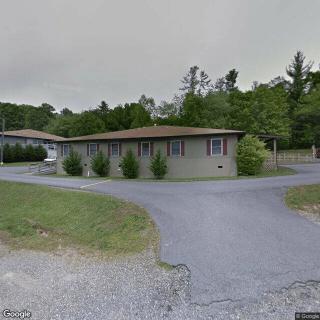
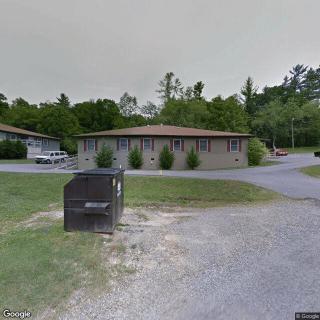
Richmond Hill Rest Home 1 in Asheville, NC

95 Richmond Hill Road, Asheville, NC 28806

For more information about senior living options: (844) 490-3973

3.9 from 18 reviews
5 stars
13
4 stars
0
3 stars
0
2 stars
0
1 stars
5

Assisted Living Board and Care Home

What level of care are you interested in?

Assisted Living

Memory Care

Independent Living

Skilled Nursing Facility

Continuing Care Retirement Community (CCRC)CCRC

Other


Request a tour at Richmond Hill Rest Home 1

    Overall Review of Richmond Hill Rest Home 1

    Pros

    • pro The staff are incredibly helpful and patient, taking the time to care for the residents.
    • pro Residents feel like family, and the home is clean and well managed.
    • pro The caregivers are highly regarded by families and visitors for their dedication.
    • pro New management has brought substantial improvements, and residents are well cared for and happy to live there.
    • pro The facility is clean, smells good, and provides a welcoming environment.
    • pro The management team and staff are professional, friendly, and focused on residents' well-being.

    Cons

    • pro They were unable to reach anyone and found it difficult to get a hold of.
    • pro The mother was reportedly being mistreated at the facility, not receiving her diabetic diet, meals were not adequate, and medications were not being given correctly or at all.

    Review

    Richmond Hill Rest Home 1 in Asheville is best suited for families seeking a small, home-like setting where residents are treated with ongoing warmth and staff engage closely with daily life. The community appears to reward those who value a neighborly atmosphere, where caregivers are patient, approachable, and willing to personalize care. Under new ownership and clinical leadership, the facility signals that strong oversight and professional processes are returning, with clean, inviting spaces and a resident-centered vibe that can translate into meaningful daily interactions. This is a place for families that want visible staff involvement, steady improvements over time, and a sense that care is anchored in a familiar, homey environment. Those who require highly regimented medical routines, constant administrative accessibility, or ironclad, 24/7 guarantees may want to explore alternatives.

    What stands out most is the quality of resident-staff relationships. Multiple observers describe caregivers who know residents well, respond to questions with patience, and create an atmosphere where residents feel respected and valued. The cleanliness and pleasant smell of the homes reinforce a lived-in comfort that matters when a senior settles in for long-term living. The impression of new, physician-led management adds credibility to the notion that medical oversight and care planning are being strengthened, with staff who are no longer simply performing tasks but actively supporting residents' daily lives. The sense that residents feel at home and visitors are welcomed into a respectful, well-ordered environment is repeatedly cited as a core strength.

    Yet the community is marked by notable caveats that demand careful scrutiny. A recurring complaint is difficulty reaching someone by phone or getting timely answers, which can create hesitation or worry for families with pressing questions. Reviews also acknowledge past management turmoil and an ongoing adjustment period, suggesting variability in consistency of oversight during transitions. A particularly troubling account alleges mistreatment - improper meal planning for a diabetic diet and questions about medication administration - highlighting a real risk area that prospective residents must investigate. These concerns do not erase the positives, but they do require rigorous verification that current practices meet expectations before committing.

    The positives can meaningfully offset the concerns when viewed through the lens of sustained, verifiable improvements. A home-like daily rhythm, where residents are treated like family and staff know their histories, can yield tangible quality-of-life benefits that are hard to capture in larger facilities. The infusion of on-site clinical leadership and physician involvement promises more consistent medical review, better adherence to care plans, and quicker remediation of issues as they arise. Cleanliness, odor control, and a welcoming physical environment reinforce comfort and pride in the residence. If families can establish reliable, clear communication channels with the administration and confirm that current dietary and medication protocols are actively followed, the upside becomes compelling.

    For families evaluating Richmond Hill Rest Home 1, a practical, action-oriented approach is essential. Schedule a thorough discussion with the administrator and the clinical director about current care plans, menus, and medication administration procedures. Request the latest inspection results and concrete metrics on staff-to-resident ratios, then observe care routines during a full tour - especially mealtimes and activities - to gauge consistency and attentiveness. Speak privately with several residents about day-to-day satisfaction and with families of current residents about how communication is handled after hours and during transitions. If the facility cannot provide clear, up-to-date answers and documentation, that uncertainty should steer consideration toward alternatives with proven, stable operations.

    In summary, Richmond Hill Rest Home 1 represents a viable option for families who prize a warm, smaller-scale setting and can verify that recent improvements stay in place with transparent communication. It is a strong match for residents who flourish in a homey environment and benefit from visible, engaged staff supported by a physician-led management team. However, for those who require unwavering medical oversight, perfectly consistent dietary adherence, and unfailingly easy admin access, caution is warranted until current performance is confirmed. The decision hinges on validating ongoing safeguards, reliability, and a track record of steady communication that matches the hopeful promise reflected in recent positive feedback.

    Features

    Housing

    • 12 resident community capacity 12 resident community capacity

    Types of Care

    • Assisted Living Assisted LivingAssisted living facilities provide crucial support and care for seniors who may need help with daily tasks such as medication management, bathing, and meal preparation. These communities offer a safe and comfortable environment where seniors can maintain their independence while receiving the assistance they need to thrive in their golden years.
    • Board and Care Home Board and Care HomeBoard and care homes provide a smaller, more intimate setting for seniors who require assistance with daily tasks but do not need the level of care offered by a nursing home. They offer personalized care, meals, and social activities in a homelike environment, ensuring that seniors receive individualized attention and support in their golden years.

    Amenities

    • Cable or satellite TV Cable or satellite TVCable or satellite TV is important for seniors because it provides entertainment, news, and companionship, helping to combat loneliness and boredom. It also offers a wide range of programming options tailored to different interests and preferences.
    • Dining room Dining roomDining rooms are important for seniors as they provide a space for socialization, connection, and nutritious meals. They offer opportunities for residents to bond over shared meals, foster a sense of community, and promote healthy eating habits. Dining rooms also ensure that seniors have access to well-balanced meals tailored to their dietary needs and preferences.
    • Fully furnished Fully furnishedFully furnished senior living communities are important for seniors because they provide convenience, comfort, and a hassle-free moving experience. Seniors can easily settle into their new living space without the stress of having to buy and move furniture. This allows them to focus on enjoying their new home and community.
    • Garden GardenGardens are important for seniors as they provide a peaceful and therapeutic environment for relaxation, physical activity, and socialization. Being in nature has been shown to reduce stress, improve mood, and promote overall well-being. Gardens also offer opportunities for seniors to engage in gardening activities, which can improve mobility, flexibility, and cognitive function. Additionally, gardens create a sense of community and connection with others who share a passion for plants and outdoor spaces.
    • Housekeeping services Housekeeping servicesHousekeeping services are important for seniors because they help maintain a clean and safe living environment, promote independence, and reduce the risk of accidents or illnesses. Additionally, having assistance with household chores can alleviate physical strain and allow seniors to focus on other aspects of their well-being.
    • Move-in coordination Move-in coordinationMove-in coordination is important for seniors because it helps ease the transition into their new living environment. It ensures that all logistics, such as packing, organizing movers, and setting up utilities are taken care of, allowing seniors to focus on settling in and adjusting to their new home. Having a smooth move-in process can alleviate stress and anxiety, making the transition smoother and more enjoyable for seniors.
    • Outdoor space Outdoor spaceOutdoor spaces are important for seniors as they provide opportunities for physical activity, social interaction, exposure to natural light and fresh air, and a sense of connection to nature. Having access to outdoor spaces can improve overall well-being and quality of life for older adults living in senior communities.
    • Telephone TelephoneTelephones are important for seniors as they provide a lifeline for communication with loved ones, emergency services, and healthcare providers. They offer a sense of security and independence, enabling seniors to stay connected and access assistance when needed.
    • Wi-Fi/high-speed internet available Wi-Fi/high-speed internet availableWi-Fi/high-speed internet is important for seniors to stay connected with loved ones, access online resources, and participate in virtual activities to combat feelings of loneliness and isolation. It also allows them to easily manage healthcare needs, access entertainment, and engage in lifelong learning opportunities.

    Transportation

    • Asheville Regional (13 miles away) Asheville Regional (13 miles away)

    Care Services

    • 24-hour supervision 24-hour supervision24-hour supervision is important for seniors to ensure their safety, well-being, and access to immediate assistance in case of emergencies or health issues. This constant support provides peace of mind for both seniors and their loved ones, allowing them to age in place with dignity and security.
    • Activities of daily living assistance Activities of daily living assistanceActivities of daily living assistance are important for seniors because they provide essential support with tasks such as eating, bathing, dressing, and mobility. This assistance helps seniors maintain their independence, dignity, and overall quality of life as they age.
    • Assistance with bathing Assistance with bathingAssistance with bathing is crucial for seniors as it helps maintain personal hygiene, prevents infections, and ensures their overall well-being and comfort. It also provides a sense of dignity and independence for seniors who may struggle with this task on their own.
    • Assistance with dressing Assistance with dressingAssistance with dressing is important for seniors because it helps maintain their independence, promotes personal hygiene, prevents accidents and injuries, and improves overall quality of life. This service ensures that seniors can continue to dress comfortably and confidently, despite any physical limitations they may have.
    • Assistance with transfers Assistance with transfersAssistance with transfers is crucial for seniors as it helps prevent falls and injuries, maintains their independence, and ensures they can safely navigate their living environment. It also provides peace of mind for both seniors and their loved ones.
    • Coordination with health care providers Coordination with health care providersCoordination with health care providers is crucial for seniors to ensure proper medical care, medication management, and overall well-being. This collaboration helps prevent overlapping treatments, track progress more effectively, and provide comprehensive support tailored to individual needs.
    • Diabetes diet Diabetes dietA diabetes diet is crucial for seniors as it helps manage blood sugar levels, reduce risks of complications, and improve overall health and well-being. By following a balanced and nutritious diet tailored to their specific needs, seniors can better control their diabetes and enhance their quality of life.
    • Meal preparation and service Meal preparation and serviceMeal preparation and service are crucial for seniors as they may have limited mobility or energy to cook nutritious meals. Having access to healthy and convenient food options can ensure they are getting the proper nutrition needed to maintain their overall health and well-being.
    • Medication management Medication managementMedication management is crucial for seniors to ensure they are taking the right medications at the correct dosages and times. This helps prevent adverse drug interactions, reduces the risk of medication errors, and promotes overall health and well-being. Proactive management also allows for adjustments as needed based on changing health conditions or new prescriptions.
    • Special dietary restrictions Special dietary restrictionsSpecial dietary restrictions are important for seniors because age-related changes in metabolism and health conditions can make it difficult for their bodies to process certain foods. By following a diet tailored to their specific needs, seniors can maintain their overall health and well-being, manage chronic conditions, and reduce the risk of complications such as malnutrition or food interactions with medications.
    • Transportation arrangement (medical) Transportation arrangement (medical)Transportation arrangements for medical purposes are essential for seniors as they may have difficulty driving themselves to appointments or accessing public transportation. Having reliable and safe transportation options ensures that seniors can receive timely medical care and maintain their health and well-being.
    • Transportation to doctors appointments Transportation to doctors appointmentsTransportation to doctors' appointments is crucial for seniors as it ensures they have access to necessary medical care and support for their health needs. Without reliable transportation, seniors may struggle to attend important appointments, leading to potential delays in treatment and health complications. Providing transportation services helps seniors maintain their overall well-being and quality of life.

    Dining

    • Diabetes diet Diabetes dietA diabetes diet is crucial for seniors as it helps manage blood sugar levels, reduce risks of complications, and improve overall health and well-being. By following a balanced and nutritious diet tailored to their specific needs, seniors can better control their diabetes and enhance their quality of life.
    • Special dietary restrictions Special dietary restrictionsSpecial dietary restrictions are important for seniors because age-related changes in metabolism and health conditions can make it difficult for their bodies to process certain foods. By following a diet tailored to their specific needs, seniors can maintain their overall health and well-being, manage chronic conditions, and reduce the risk of complications such as malnutrition or food interactions with medications.

    Activities

    • Community-sponsored activities Community-sponsored activitiesCommunity-sponsored activities are important for seniors as they provide opportunities for social interaction, mental stimulation, and physical activity. These activities can help improve overall well-being, combat loneliness and isolation, and promote a sense of belonging and purpose among older adults.
    • Scheduled daily activities Scheduled daily activitiesScheduled daily activities are important for seniors because they provide structure, socialization, mental stimulation, and physical activity. Engaging in regular activities can improve overall well-being and quality of life for seniors living in a community setting.

    Description

    Richmond Hill Rest Home 1 in Asheville, NC is a board and care home that offers a comfortable and supportive environment for seniors. Residents at this community can enjoy fully furnished accommodations with access to a dining room and outdoor spaces. Housekeeping services are provided to ensure a clean and tidy living environment.

    The staff at Richmond Hill Rest Home 1 are dedicated to providing assistance with daily activities such as bathing, dressing, and transfers. They also coordinate with healthcare providers to ensure residents receive the necessary medical care. Medication management is available to help residents maintain their health and well-being.

    Special dietary restrictions are accommodated in the dining options offered at this community. Meals are prepared and served according to specific needs, including diabetes diets.

    To keep residents engaged and active, scheduled daily activities are organized. In addition, Richmond Hill Rest Home 1 is conveniently located near several cafes, parks, pharmacies, physicians' offices, restaurants, places of worship, and hospitals. Transportation arrangements are made for medical appointments to provide convenience for residents.

    Overall, Richmond Hill Rest Home 1 provides a caring and supportive assisted living community where seniors can receive personalized care while enjoying a comfortable and enriching lifestyle in Asheville, NC.

    Nearby Places of Interest

    Restaurants

    • Zillicoah Beer Company (0.5 miles)
    • Salvage Station (1.4 miles)
    • River Duck (1.6 miles)
    • Smoky Park Supper Club (1.8 miles)
    • Five Points Restaurant (1.8 miles)
    • Whit's Frozen Custard (1.8 miles)
    • McDonald's (1.9 miles)

    Physicians

    • Pisgah Institute (0.9 miles)
    • MAHEC Family Health Center at Newbridge (1.6 miles)
    • Dedman Karen MD (1.8 miles)
    • The Eye Center (2.1 miles)
    • Jody S Harrison (2.2 miles)
    • Dermatology of North Asheville (2.2 miles)
    • Anthony Weisenberger, MD (2.4 miles)

    Hospitals

    • Highland Hospital (0.9 miles)
    • Mission Hospital Operating Room (3.3 miles)
    • Mission St Joseph's (5.9 miles)

    Pharmacies

    • CVS Pharmacy (1.8 miles)
    • Walgreens (2 miles)
    • Walgreens (2 miles)
    • Ingles Market (2.2 miles)
    • Genoa Healthcare (2.4 miles)
    • Good Neighbor Pharmacy (2.6 miles)
    • Walgreens (2.6 miles)

    Cafes

    • Starbucks (1.9 miles)
    • Pollen (2.1 miles)
    • High Five Coffee (2.2 miles)
    • Green Sage Cafe Downtown (2.3 miles)
    • Taco Billy (2.5 miles)
    • Vortex Doughnuts (2.5 miles)
    • BattleCat Coffee Bar (2.5 miles)

    Parks

    • Memorial Stadium (2.9 miles)
    • Tanbark Ridge Overlook (6.2 miles)

    Places of Worship

    • St John's Episcopal Church (4.5 miles)
    • St Joan of Arc Roman Catholic Church (6.1 miles)

    Frequently Asked Questions

    Where is Richmond Hill Rest Home 1?

    Nearby Communities

    • Richmond Hill Rest Home 2

      Richmond Hill Rest Home 2

      Asheville, NC


      pro Cozy, small board-and-care with personalized care, meals, activities, and outdoor space.

    • Richmond Hill Rest Home 5

      Richmond Hill Rest Home 5

      Asheville, NC


      pro Small, intimate board-and-care with personalized ADL support and meals on-site.

    • Richmond Hill Rest Home 4

      Richmond Hill Rest Home 4

      Asheville, NC


      pro 24-hour supervision in a home-like, fully furnished setting.

    • Richmond Hill Rest Home 3

      Richmond Hill Rest Home 3

      Asheville, NC


      pro Small, intimate setting with furnished rooms and 24-hour supervision.

    • Richmond Hill Rest Homes

      Richmond Hill Rest Homes

      Asheville, NC


      pro Access to many nearby amenities and a tranquil Asheville setting.

    • Richmond Hill

      Richmond Hill

      Asheville, NC

       
      $3,000 / month

      pro Personalized diabetic care with affordable $3,000/month pricing

    • Harmony At Reynolds Mountain

      Harmony At Reynolds Mountain

      Asheville, NC

      4.1 from 163 reviews
      $4,340 to $6,000 / month

      pro Beautiful views, spacious rooms, and caring staff with active social programs.

    • Emerald Ridge

      Emerald Ridge

      Asheville, NC

      2.8 from 54 reviews
       

      pro Compassionate staff (e.g., Erica) and helpful admissions team (Ginger J.) with therapy dogs.

    • The Laurels of Summit Ridge

      The Laurels of Summit Ridge

      Asheville, NC

      4.3 from 99 reviews
      $2,550 to $5,520 / month

      pro Caring staff, clean facility, and engaging activities.

    Related Resources

    • does medicaid pay for assisted livingUnderstanding Medicaid Coverage for Assisted Living: A Comprehensive Guide

      The guide outlines the complexities of Medicaid coverage for assisted living, highlighting significant state-to-state variations, limited coverage often restricted to personal care services, and the existence of specialized waivers for certain needs like memory care. It advises families to consult local Medicaid offices for options while emphasizing the importance of understanding state-specific regulations and facility policies.

    • does medicaid pay for assisted livingHow and When Medicaid May Cover Assisted Living Costs

      Medicaid coverage for assisted living varies by state and is primarily available to low-income individuals, with eligibility dependent on strict income and asset limits. Some states offer HCBS waivers for specific services in assisted living, but families must generally cover room and board costs, and should verify facility acceptance of Medicaid while considering potential waiting lists.

    • assisted living waiver programA Detailed Exploration of Assisted Living Medicaid Waivers Across the United States

      Medicaid waivers for assisted living services provide vital support for seniors and individuals with disabilities in need of long-term care, with varying state-specific eligibility criteria and benefits. These waivers cover personal care and case management but often do not fully cover room and board, leading to waiting lists for many applicants.


    Get Pricing Ask A Question Schedule A Tour Contact Senior Advisor