Frances Schervier Home Care in Bronx, NY
Save
2975 Independence Ave, Bronx, NY 10463
For more information about senior living options: (844) 490-3973
What level of care are you interested in?

Assisted Living

Memory Care

Independent Living

Skilled Nursing Facility

Continuing Care Retirement Community (CCRC)CCRC

Other
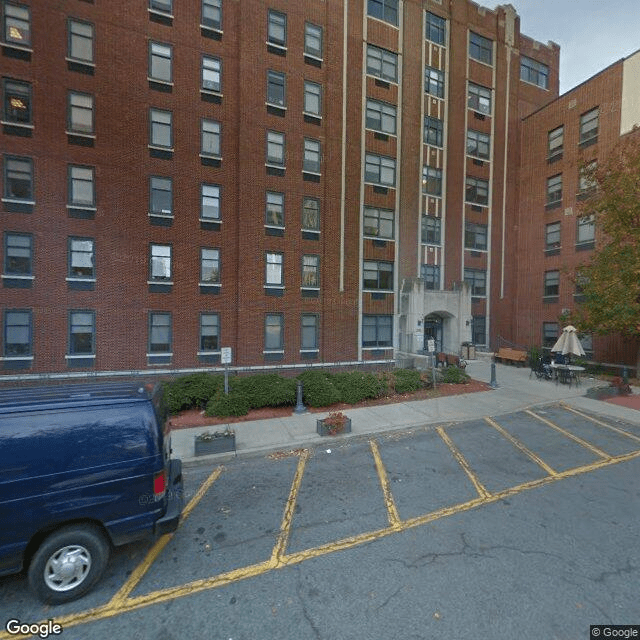
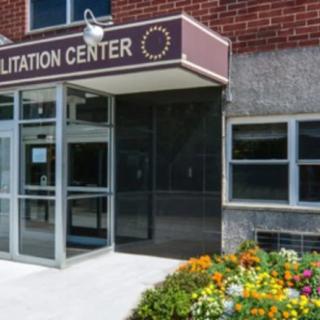
Frances Schervier Rehabilitation and Nursing Center in the Bronx is best suited for families seeking aggressive, therapy-driven rehabilitation in a modern, hotel-like setting. The center consistently earns praise for its rehabilitation team, including physical therapy specialists, attentive nurses, and a concierge-like staff that coordinates care and keeps families informed. This community works well for post-acute residents recovering from surgery or hospitalization who want robust therapy, structured activity planning, and visible family engagement through open channels with administrators and therapists. The campus atmosphere - clean, well-kept, with on-site amenities and easy visitor access - helps ease the stress of placement for many families.
Those weighing alternatives should consider whether a uniformly high level of daily staffing, immediate responsiveness, and tightly supervised memory-care safety are non-negotiables. Several reviews highlight significant variability by unit, with some families experiencing excellent consistency and others reporting delays, unanswered calls, or gaps in basic supervision. For residents with advanced dementia or behavioral challenges, the memory-care experience appears more mixed, with some families praising safety and warmth and others describing safety lapses or inadequate incident response. Families who prioritize relentless reliability and a strictly regimented safety protocol may want to compare other facilities with a more uniform staffing model.
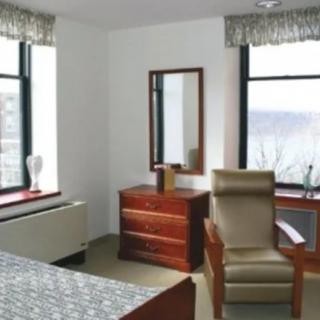
On balance, the strongest pros here are the dedicated therapy teams and the proactive family communication. Therapists, rehabilitation nurses, and the social-work team earn frequent commendations for professionalism, progress tracking, and goal setting. The concierge role - exemplified by Moishe - and the involvement of the dietitian help translate medical plans into day-to-day routines that families can understand and trust. The environment reinforces these positives: spacious rooms, modern renovations, a welcoming reception, a Starbucks-style caf? vibe in the lobby, and substantial amenities such as on-site parking and even complimentary transportation for visitors. These elements collectively offset a routine concern: the sense that care is highly individualized rather than uniformly perfect.
Yet serious concerns recur in a meaningful subset of reviews. Complaints about inconsistent staffing, slow or unreturned communications, and perceived neglect on certain floors cannot be dismissed. Some families report delayed or missing mobility aids, untreated bed or chair concerns, and lapses in medication management or routine medical follow-up. There are also repeated comments about the physical environment in some areas feeling dated or not as pristine as the public-facing photos suggest. These tensions between exceptional individual experiences and uneven unit-wide performance mean that the quality of care can hinge on which staff members are on duty and which unit a resident occupies.
Despite the unevenness, the pros frequently outweigh the cons for families focused on recovery outcomes and interpersonal care. When therapy goals are clear and staff coordinate around them, residents tend to demonstrate meaningful progress, and families gain reassurance from regular updates and approachable leadership. The presence of a strong, responsive auxiliary team - dietitian, social workers, and recreation staff - helps families feel involved and informed, which reduces the anxiety that accompanies transitions from hospital to rehab. The setting's quality of life aspects - cleanliness, room comfort, social programming, and visitor conveniences - enhance overall satisfaction and can shorten the emotional runway toward returning home or moving into long-term care.
In practical terms, families evaluating Frances Schervier should insist on unit-specific observations before committing: meet with the rehab director, request a tour of the floors most likely to house the loved one, and speak with current patients or families about routine responsiveness and care coordination. Ask for concrete examples of how medications are managed, how quickly nurses respond to call bells, and how therapy sessions are scheduled and documented. Confirm transportation needs and parking preferences, and review the exact items included in meal plans and visiting policies. If dementia care is a priority, request a focused briefing on safety protocols, staff training, and daily supervision practices for memory-care residents. This approach will reveal whether Schervier's strengths align with the resident's needs and the family's expectations.
Frances Schervier Home Care is an assisted living community located in the lively neighborhood of Bronx, NY. Situated conveniently close to various amenities, it offers a comfortable and convenient lifestyle for its residents.
Nature enthusiasts will appreciate the presence of five parks nearby, providing ample opportunity for outdoor activities and leisurely strolls. Additionally, there are seven pharmacies nearby, ensuring easy access to medications and health supplies.
Residents can rest assured knowing that there are two physicians in close proximity. This makes healthcare services readily available whenever needed. Furthermore, should any culinary cravings arise, six restaurants can be found nearby, offering a diverse range of dining options.
With ten transportation options nearby, getting around the city has never been easier. Whether residents prefer public transportation or have their own vehicles, they have multiple choices to suit their preferences and needs.
For those seeking spiritual solace and community engagement, there is a place of worship within reach. This enables residents to nurture their faith while staying connected with like-minded individuals.
In terms of healthcare facilities, Frances Schervier Home Care benefits from being close to six hospitals. This provides peace of mind as well as quick access to quality medical care in case of emergencies or regular check-ups.
Overall, Frances Schervier Home Care offers a supportive and enriching environment for seniors looking for assisted living in Bronx, NY. With its proximity to various amenities and services, residents can enjoy a fulfilling lifestyle while receiving the care they need.
This part of Bronx, New York is a vibrant and diverse neighborhood with a variety of amenities within close proximity. There are several pharmacies available for easy access to medication, and hospitals such as NewYork-Presbyterian Allen Hospital and St Barnabas Hospital provide quality healthcare services nearby. The area also offers convenient transportation options including subway stations like Inwood/207th St and Dyckman St. For leisure activities, there are beautiful parks like Riverdale Park and Inwood Hill Park as well as restaurants like Last Stop Bar & Grill and Harlem Kebab Grill. Additionally, there are cafes such as Kuppi Coffee Company and Starbucks for socializing or relaxing. Overall, this neighborhood provides a mix of healthcare, transportation, dining options, and recreational opportunities that would be suitable for seniors looking for a comfortable living environment.
Frances Schervier Home Care is located at 2975 Independence Ave, Bronx, NY 10463 in New York County, New York
Exploring Palliative Care in the Home: A Comprehensive Overview
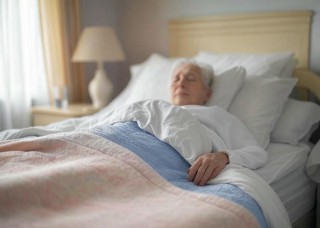
Palliative care enhances the quality of life for seriously ill patients by providing comprehensive support at home through a multidisciplinary team, addressing various needs and prioritizing comfort over curative treatments. While it offers personalized care and involves family in decision-making, challenges like caregiver stress and logistical issues persist, with growing demand prompting advancements in technology and healthcare policies to improve access.
Comprehensive Insights into Palliative Home Care: What It Is and What to Expect

Palliative home care focuses on improving the quality of life for individuals with serious illnesses by providing comfort, symptom management, and emotional support in their own homes. This approach includes personalized care plans, regular assessments, and resources for family caregivers, all while prioritizing person-centered treatment that aligns with patients' goals.
Skilled Nursing Facilities vs. Nursing Homes: Making Sense of the Differences
Skilled nursing facilities (SNFs) provide high-level medical care and rehabilitation for short-term recovery, typically covered by Medicare after hospitalization, while nursing homes focus on ongoing custodial care for chronic conditions, mainly funded by Medicaid or private payments. The staffing and regulatory structures differ significantly between the two, necessitating clarity for families in choosing appropriate long-term care options.