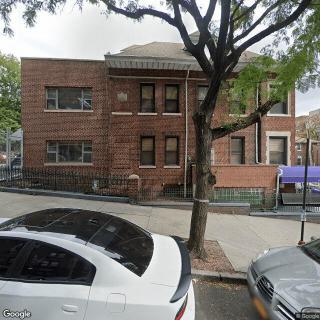
2553 University Avenue, Bronx, NY 10468
For more information about senior living options: (866) 208-4318
Overall Review of The New Jewish Home
Pros
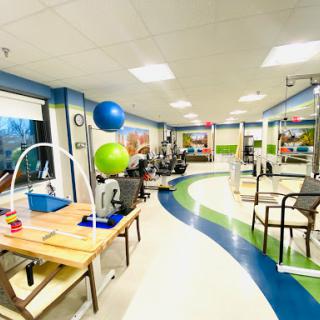
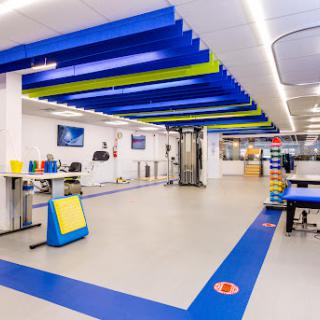
 The professional staff, including physical and occupational therapists, are wonderful.
- The nurses listen well, communicate effectively, and welcome additional training.
- The building is excellent and issues are addressed promptly.
- The facility offers engaging activities like bingo, sing-alongs, and movies.
- Residents’ feedback leads to tangible improvements, as shown by the food committee’s ongoing meetings and subsequent improvements.
Cons
 They say proper directions to reach the facility are lacking.
- They claim the reviews are mostly bad and allege staff incompetence.
- They argue issues should be addressed with kindness, citing retaliation fears and delays in timely care as real problems.
- They state assisted living should help residents live, not wait for them to die.
- They describe the building supervisor as unprofessional and prone to cursing, a very bad person.
- They allege residents are left for hours without care, with no Spanish-speaking staff, and no therapy.
- They report meals as mediocre and not eaten, prompting the reviewer to provide meals elsewhere.
- They note activities are limited and not community-wide, with reductions during the pandemic.
Review
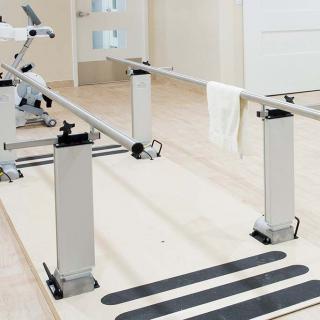
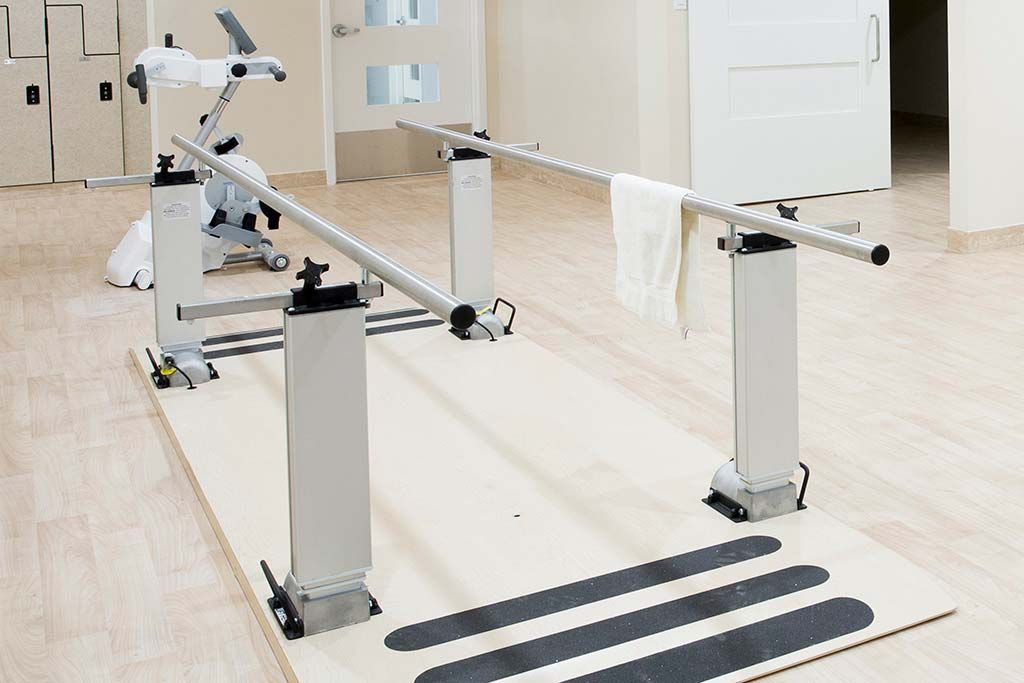
The New Jewish Home in Bronx is best suited for seniors who prioritize professional rehabilitation support within a modern, well-maintained setting and are prepared to engage with a care team that can respond to concerns. The campus has a relatively new build and dependable infrastructure, including on-site generators and a clear emphasis on therapy-assisted care. The rehabilitation services stand out: physical therapists and occupational therapists are described as capable, and nurses are attentive and communicative. For families seeking a residence where staff leadership and engineering responsiveness are visible on a regular basis, this community can deliver.
However, this community is not the right fit for everyone. Alternatives should be considered by families who require consistent, culturally attuned daily care and meals, or who value floor-to-floor unity in activities rather than a more segmented, floor-specific program. Several reviews flag ongoing concerns about meal quality and social programming, and there are clear signals that broad-based needs, such as language accessibility and a consistently respectful care culture, may not be reliably met. If those dimensions are non-negotiable, exploring other options becomes advisable.
The strongest upside lies in the professional core: therapists who can drive meaningful mobility and daily functioning gains, nurses who listen, and a facility infrastructure that responds to problems promptly. When issues are raised, tangible improvements can follow, most notably in the dining program, where a monthly food committee has driven changes with reported, even if incremental, success. The building’s recent construction and its attached generator provide a sense of reliability and modern care delivery that can be meaningful for families prioritizing safety and continuity of service during power or weather events. In short, competent clinical support and solid maintenance responsiveness balance part of the otherwise uneven experience.
Yet substantial drawbacks temper those strengths. Meal quality is a recurring pain point, with residents sometimes relying on outside food or family-provided meals to meet nutritional needs. Activities that feel cohesive across the community are less common; programs are often floor-centric rather than collectively communal, which can limit social engagement for residents who crave broader connection. There are serious care lapses cited, including allegations that a resident was left unassisted for hours and that caregivers responded negatively when assistance was finally provided. Language and cultural barriers are noted as well, with instances of Spanish-speaking support being scarce, which can impede comfortable communication for non-English-speaking families. Allegations, including complaints about professionalism from supervisory staff, and fears of retaliation for speaking up, contribute to an atmosphere where concerns may feel risky to raise.
Within the range of experiences, there is a thread of credible, positive clinical engagement that persists. The same team praised for rehabilitation work is repeatedly described as capable and responsive, and where residents do voice concerns, management and staff appear capable of implementing changes. This indicates that the community is capable of higher performance when governance and frontline staff align with resident feedback. Families who can participate actively, assessing PT/OT access, monitoring meal quality, and ensuring language needs are met, may see a measurable improvement over time. The overall picture is of a capable care platform with meaningful variances in day-to-day experience, highly dependent on individual staff dynamics and resident expectations.
Bottom line: The New Jewish Home offers a credible option for families prioritizing rehabilitation intensity, a modern environment, and prompt maintenance response. It can compensate for some operational shortcomings through engaged staff and a responsive governance culture, but it also presents real risks around consistent daily care, meal satisfaction, and cultural-linguistic accessibility. Those considering placement should arrange thorough pre-admission visits focused on therapy availability, meal testing, cross-floor activity opportunities, and conversations with current residents about daily routines. If comfort with variable day-to-day quality is possible and the emphasis on rehab and safety outweighs concerns about meals or language access, this community can work. If not, exploring alternatives with stronger track records in dining, full-building social programming, and consistently culturally attuned care is prudent.
 72 resident community capacity
 Assisted Living
 Respite Care
 Air-conditioning
 Beauty salon
 Cable or satellite TV
 Computer center
 Dining room
 Fitness room
 Fully furnished
 Gaming room
 Garden
 Housekeeping services
 Kitchenette
 Move-in coordination
 Outdoor space
 Private bathrooms
 Restaurant-style dining
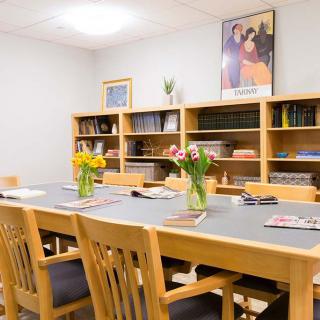
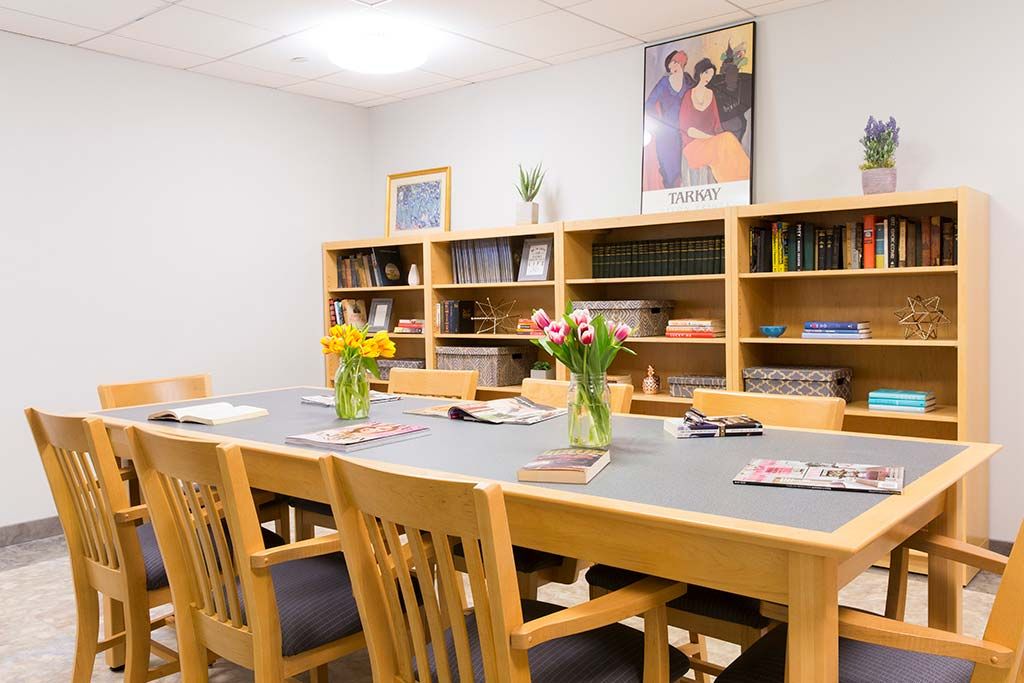
 Small library
 Telephone
 Wellness center
 Wi-Fi/high-speed internet available
 LaGuardia (6 miles away)
 Community operated transportation
 12-16 hour nursing
 24-hour call system
 Activities of daily living assistance
 Assistance with bathing
 Assistance with dressing
 Assistance with transfers
 Diabetes diet
 Medication management
 Mental wellness program
 Special dietary restrictions
 Concierge services
 Planned day trips


 Comprehensive Insights into Activities of Daily Living (ADLs) and Their Assessment
 Medicare Coverage for Assisted Living: An In-Depth Exploration
 Your Comprehensive Guide to Luxury Assisted Living: Elevated Facilities, Amenities, and Costs