For more information about senior living options: (866) 208-4318
4.1 from 61 reviews
5 stars
44
4 stars
4
3 stars
0
2 stars
1
1 stars
12
Overall Review of University Center For Rehabilitation And Nursing
common26 reviews mention this
Staff care is a consistent theme
Residents describe staff who are caring, professional, and attentive to needs.
Many reviewers say the staff treats residents with respect and kindness and works to meet day-to-day needs. Several families also mention that nurses, CNAs, and therapists coordinate well, and that staff take time to understand the person and respond to questions. A few negative reviews point to issues with care quality and neglect, but the most detailed positive accounts emphasize consistent, humane support throughout the stay.
common18 reviews mention this
Facility cleanliness and upkeep
Reviews are split, with many praising cleanliness while others report major maintenance concerns.
Positive reviews commonly describe the building as clean, well-maintained, and safe or comfortable for residents and visitors. Some also mention homelike common areas and an environment that feels organized and inviting. In contrast, multiple negative reviews criticize the building as old, poorly maintained, and unsanitary, including concerns about odors and safety risks.
common8 reviews mention this
Communication with families
Families often mention being kept informed and able to get answers.
Several reviewers say staff keep families updated about changes in health, respond to concerns, and make it easier to feel confident about ongoing care. Some also describe the administrator as approachable and attentive to questions. Other reviews take the opposite view, alleging delayed responses, missed communication, and not getting timely answers during serious situations.
common6 reviews mention this
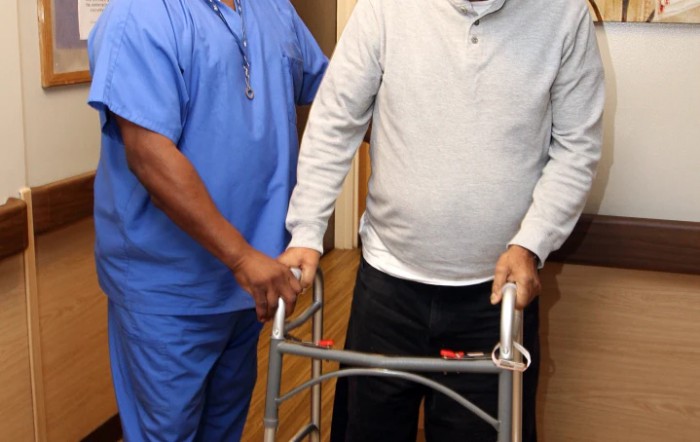
Rehab therapy and progress
Many reviewers say therapy and rehabilitation helped patients regain strength and function.
A number of residents and families describe PT/OT work as helpful, with therapists who are engaged, compassionate, and focused on improving mobility and daily function. Some also mention that care included other therapeutic services beyond basic nursing. A minority of reviews criticize rehab delivery, including claims of limited physical therapy sessions and an inability to meet rehabilitation needs.
caveat4 reviews mention this
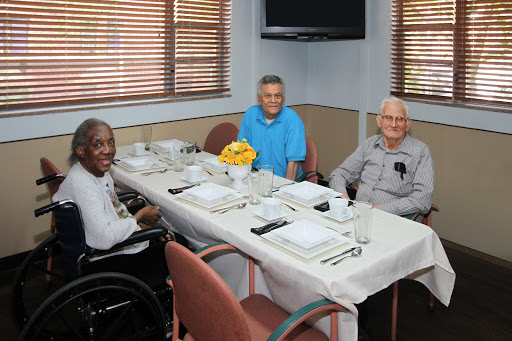
Meals are mixed in reviews
Dining gets both praise and criticism across reviews.
Some reviewers specifically comment that meals are good and nutritious and part of an overall well-rounded stay. Others report food quality as inadequate and describe the dining environment as poorly presented or unclear. Because both viewpoints appear, meal experience may vary by resident situation and timing of the stay.
common6 reviews mention this
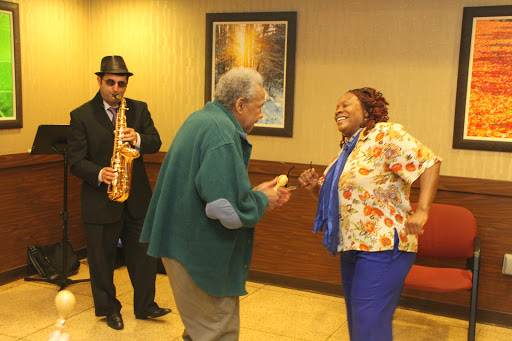
Activities and a home-like feel
Residents and families mention programming and a more personal, homelike environment.
Positive reviews frequently describe activities that keep residents engaged, including recreation and scheduled daily programming. Some also describe the facility size as smaller and more personal, where staff and residents become familiar with each other. Negative reviews mention residents mainly sitting and watching television, which contrasts with the activity-focused praise.
How we summarize
Counts show how many written reviews mention each theme; a review can touch several themes, and only frequently mentioned themes are displayed.
Features
Housing
46 resident community capacity
Types of Care
Skilled Nursing Facility
Amenities
Beauty salon
Cable or satellite TV
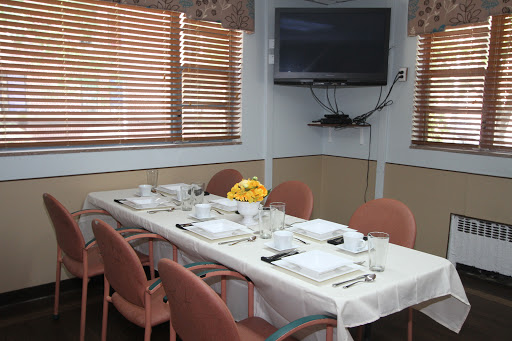
Dining room
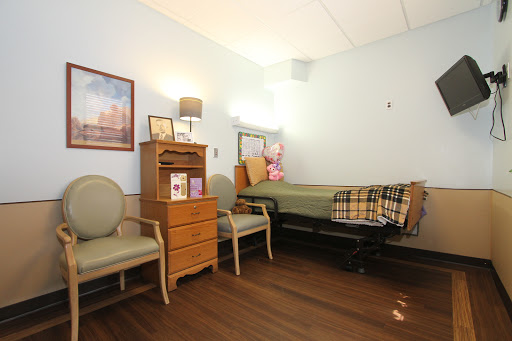
Fully furnished
Garden
Housekeeping services
Kitchenette
Move-in coordination
Outdoor space
Restaurant-style dining
Small library
Telephone
Wi-Fi/high-speed internet available
Transportation
LaGuardia (6 miles away)
John F Kennedy International (17 miles away)
Westchester Cty (17 miles away)
Newark International (18 miles away)
Care Services
24-hour call system
24-hour supervision
Activities of daily living assistance
Assistance with bathing
Assistance with dressing
Assistance with transfers
Diabetes diet
Meal preparation and service
Medication management
Mental wellness program
Special dietary restrictions
Dining
Diabetes diet
Special dietary restrictions
Activities
Community-sponsored activities
Resident-run activities
Scheduled daily activities
Nearby Places of Interest
Hospitals
Bronx VA Medical Center (0.3 miles)
NewYork-Presbyterian Allen Hospital (0.8 miles)
St Barnabas Hospital (1 miles)
Russ Berrie Medical Science Pavilion (2.6 miles)
Milstein Hospital Building (2.7 miles)
Manhattan Psychiatric Center (5.4 miles)
Holy Name Medical Center (5.8 miles)
Transportation
MTA Subway - Fordham Rd (0.3 miles)
MTA Fordham Metro-North Station (0.6 miles)
MTA Subway - Inwood/207th St (1 miles)
MTA Subway - Dyckman St (1.2 miles)
MTA Subway - 190th St (1.6 miles)
MTA Subway - 181st St (2.1 miles)
MTA Subway - 168th St (2.5 miles)
Parks
Inwood Hill Park (1 miles)
Riverdale Park (2.2 miles)
J. Hood Wright Park (2.4 miles)
Flat Rock Brook Nature Center (3.5 miles)
St Nicholas Park (3.8 miles)
Marcus Garvey Park (4.7 miles)
Randall's Island Park (4.9 miles)
Pharmacies
Rite Aid (1.4 miles)
CVS Pharmacy (1.5 miles)
Walgreens (3.5 miles)
CVS Pharmacy (3.5 miles)
Walgreens (3.9 miles)
CVS Pharmacy (4.4 miles)
Walgreens (4.7 miles)
Places of Worship
The Riverdale Minyan (1.9 miles)
Physicians
Morgan Stanley Children's Hospital (2.7 miles)
Park Medical Group PA (5.6 miles)
Cummings, Allegra Weill Cornell Medicine Obstetrics and Gynecology (6.9 miles)
David H. Koch Center for Cancer Care at Memorial Sloan Kettering Cancer Center (7.2 miles)
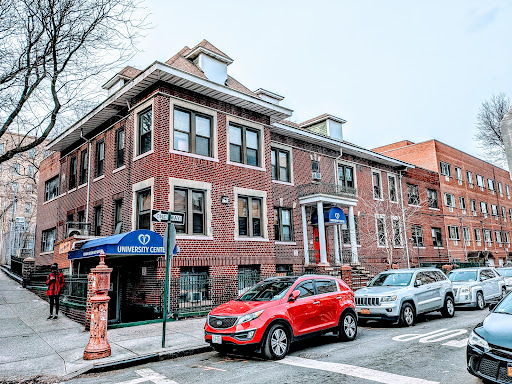
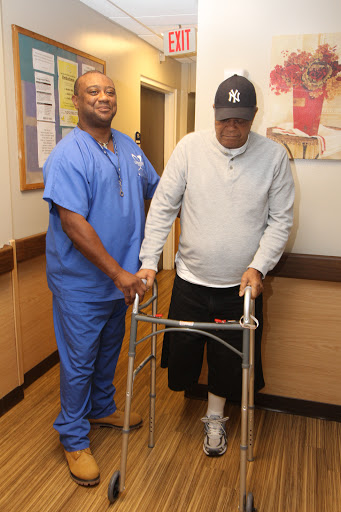
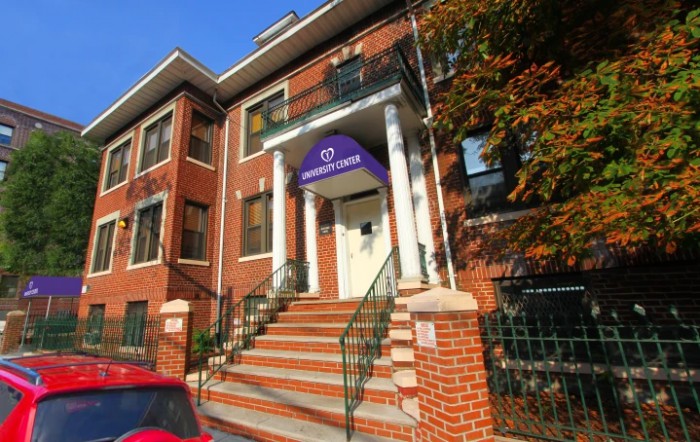
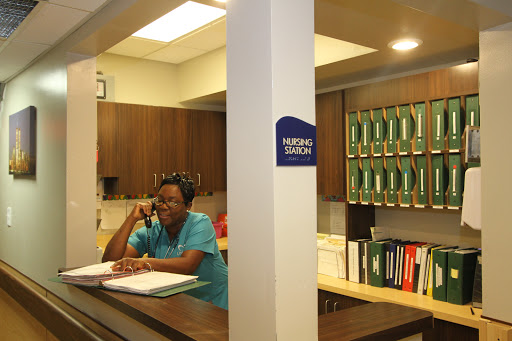
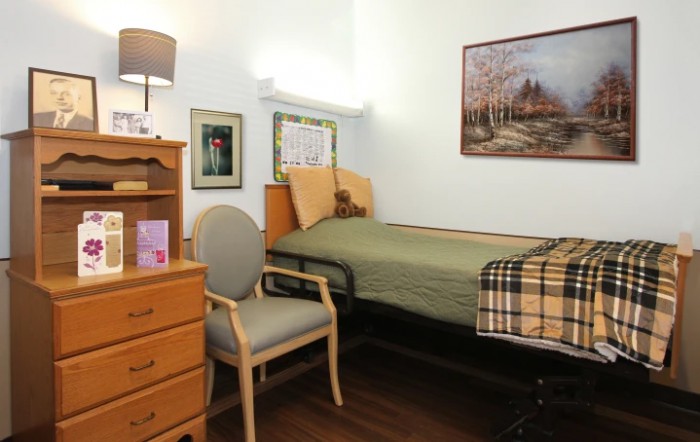
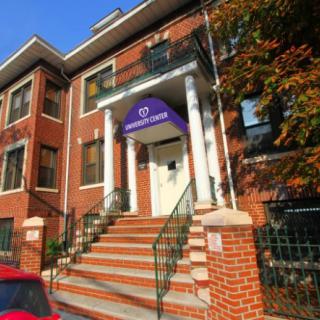
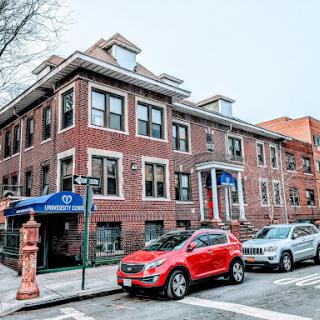
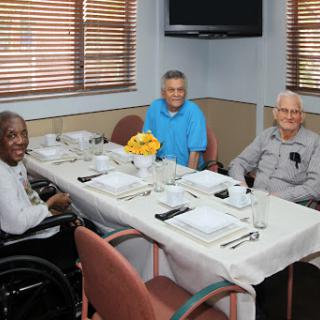
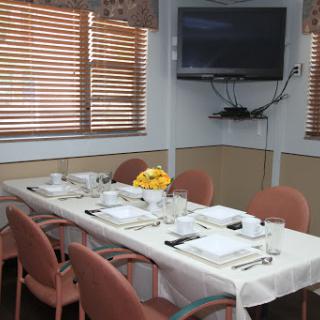
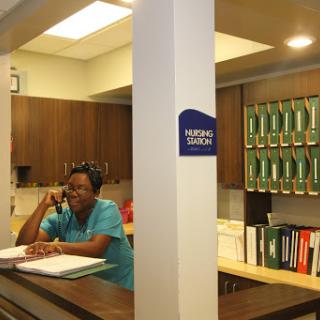
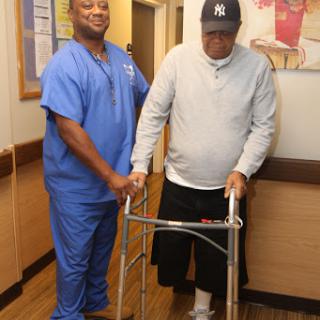
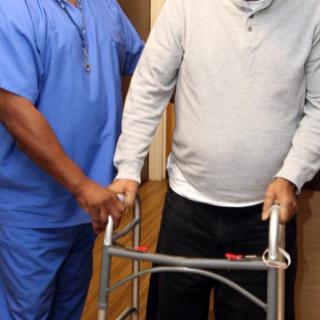
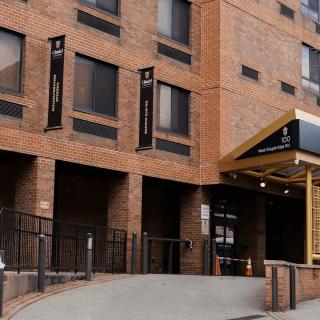
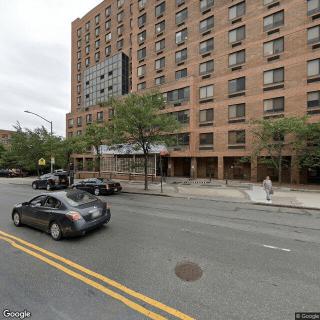
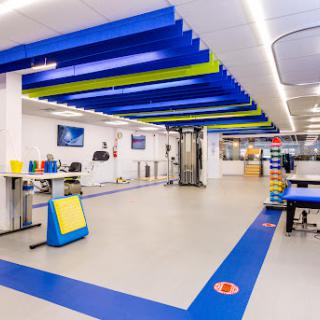
University Center For Rehabilitation And Nursing on seniors.fyi includes 10 photos including images showing dining, bedroom, building, assistance, interior, healthcare, urban, entrance, and more.
Nearby Communities
University Nursing Home
Bronx, NY
3.9 from 51 reviews
Compassionate staff with strong rehabilitation support.
Kittay Senior Apartments
Bronx, NY
4.4 from 71 reviews
$2,350 to $3,750 / month
Friendly, attentive staff and a vibrant community with on-site dining and diverse activities.
The New Jewish Home
Bronx, NY
3 from 11 reviews
Professional staff and a modern, well-maintained facility with responsive management
The Plaza Rehab And Nursing Center
Bronx, NY
4.4 from 129 reviews
Nice layout and attractive dining area with opportunities for resident activities.
Jewish Home & Hospital
Bronx, NY
2.4 from 15 reviews
Some staff are kind and the facility is well-kept, with good family communication options (FaceTime).
First Care of NY Inc
Bronx, NY
4.1 from 54 reviews
Engaging, motivating instructor who supports students.
Atria Home Care-Bronx, NYC, & Queens
Riverdale, NY
4 from 119 reviews
Wide range of on-site amenities and activities (theater, salon, library) with well-maintained apartments and available memory care/rehab services.
Bainbridge Nursing & Rehabilitation Center
Bronx, NY
4.5 from 121 reviews
Positive rehab outcomes and engaging activities.
Wayne Center For Nursing & Rehabilitation
Bronx, NY
4.5 from 116 reviews
Clean, homey environment with attentive staff, good communication, and solid therapy plus on-site amenities.
Caregiver burnout is a common issue resulting from the intense physical, emotional, and mental demands of caregiving, leading to symptoms like fatigue and social withdrawal. To prevent burnout, caregivers should recognize early warning signs and implement self-care strategies, seek support, and prioritize their own well-being alongside that of those they care for.
Caregiver exhaustion, or burnout, stems from the relentless demands of caregiving, leading to emotional and physical depletion characterized by stress, frustration, and neglect of personal needs. Addressing this burden is essential to prevent long-term consequences, with early recognition and support being crucial for caregivers to maintain balance and implement self-care.
Hospice care at home provides specialized end-of-life support that focuses on comfort and dignity for individuals with life-limiting illnesses, offering a range of services including medical management, emotional and spiritual support, and logistical assistance tailored to the family's needs. It involves collaboration to create individualized care plans and extends to bereavement support after a loved one's passing.
University Center For Rehabilitation And Nursing photos
×
Interior
Decor
Building
Architecture
Dining
Television
Office
Healthcare
Assistance
Interior
Decor and Wall Art
Bedroom
Dining
Building
Architecture, Brick, and Urban
Television
Entrance and Awning
Healthcare
Painting
Office
Rehabilitation and Nurse
Wheelchair
Assistance
Additional Photos
Get PricingAsk A QuestionSchedule A TourContact Senior Advisor
By clicking submit, you agree to our Partner's Terms of Use. You
also consent to receive calls and texts, which may be autodialed, from our Partner. Your consent is not a condition to
using our Partner's service. Please visit our Partner's Privacy Policy for information about their privacy practices.

 46 resident community capacity
 Skilled Nursing Facility
 Beauty salon
 Cable or satellite TV
 Dining room
 Fully furnished
 Garden
 Housekeeping services
 Kitchenette
 Move-in coordination
 Outdoor space
 Restaurant-style dining
 Small library
 Telephone
 Wi-Fi/high-speed internet available
 LaGuardia (6 miles away)
 24-hour call system
 Activities of daily living assistance
 Assistance with bathing
 Assistance with dressing
 Assistance with transfers
 Diabetes diet
 Medication management
 Mental wellness program
 Special dietary restrictions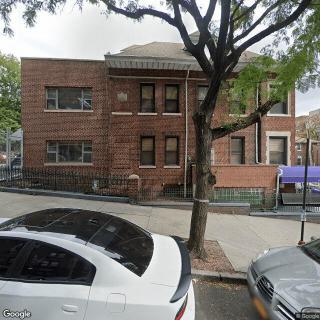
 Compassionate staff with strong rehabilitation support.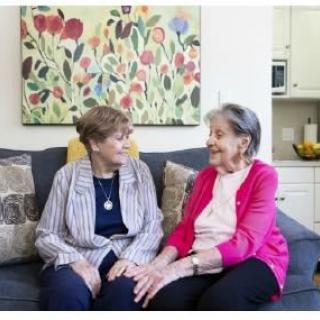




 Caring for Those Who Care: Recognizing, Understanding, and Overcoming Caregiver Burnout
 Caregiver Exhaustion: Recognizing the Signs and Restoring Your Well-Being
 Understanding Hospice Care at Home: Comprehensive Services, Key Benefits, and Eligibility