
Riverdale Manor in Bronx, NY

Save

  • Interior

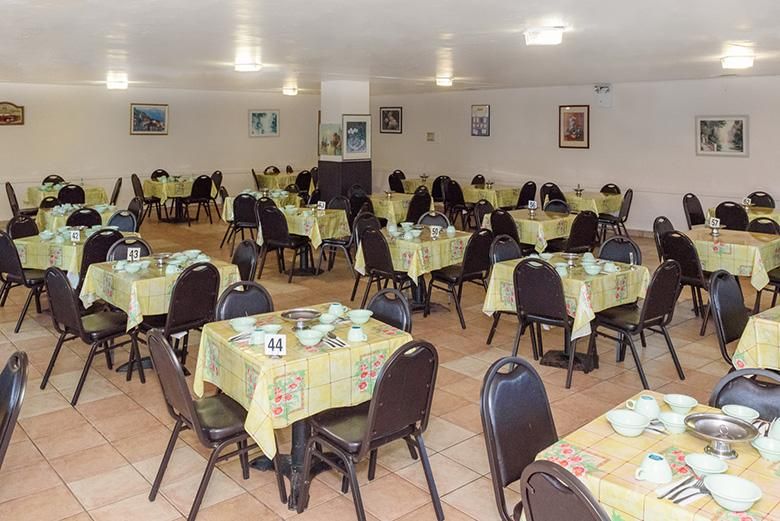
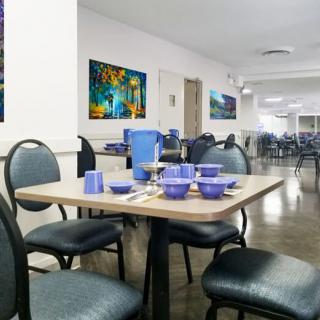
    An empty restaurant dining area with tables set for service.
  • Decor

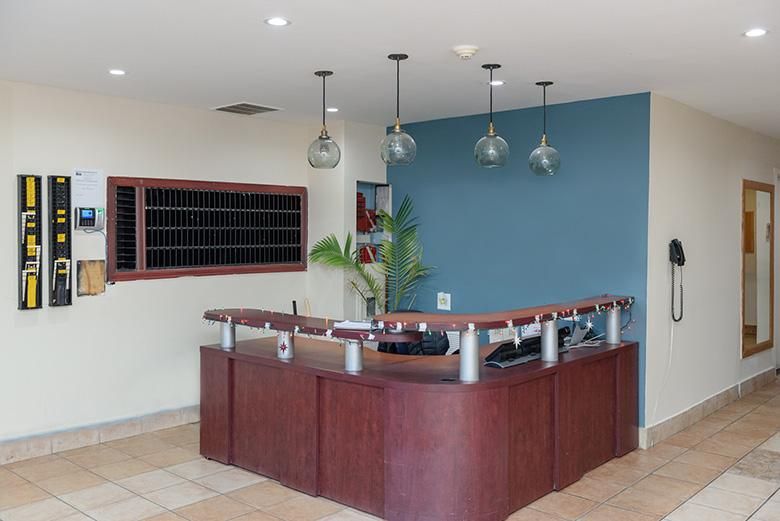
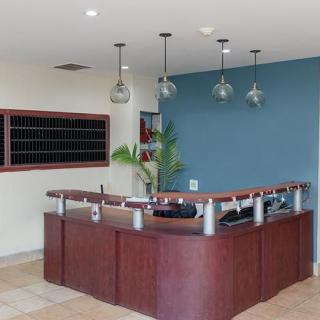
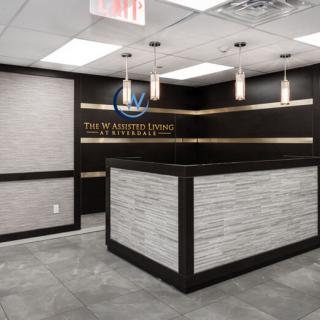
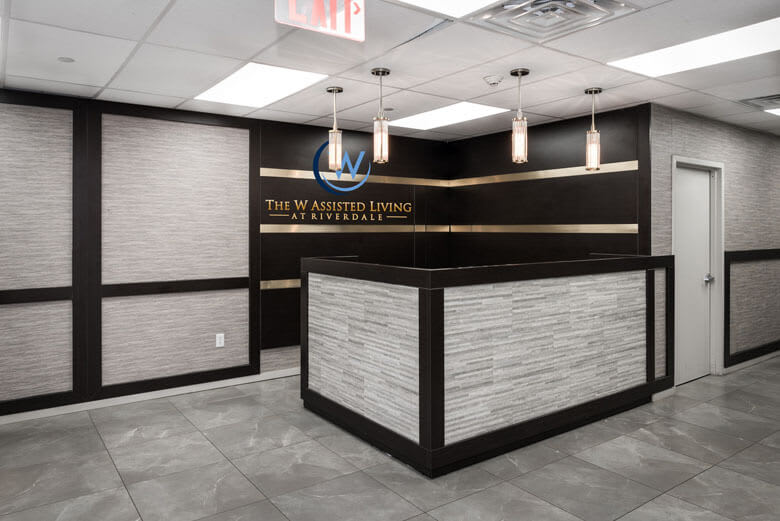
    A modern reception desk in a lobby with stylish pendant lights.
  • Building

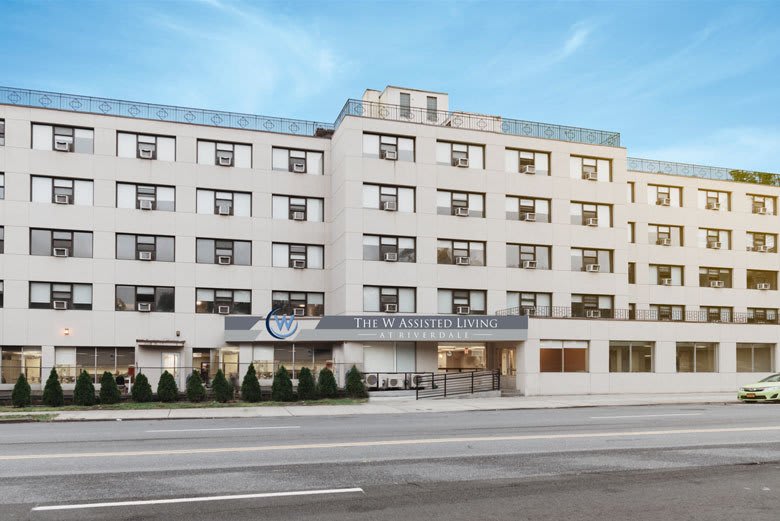
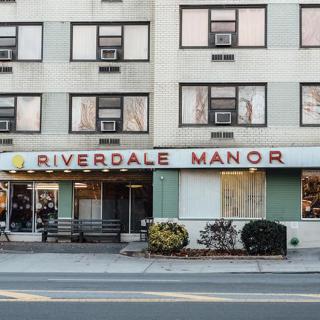
    A view of a multi-story city hotel with numerous windows and a street-level entrance.
  • Bedroom

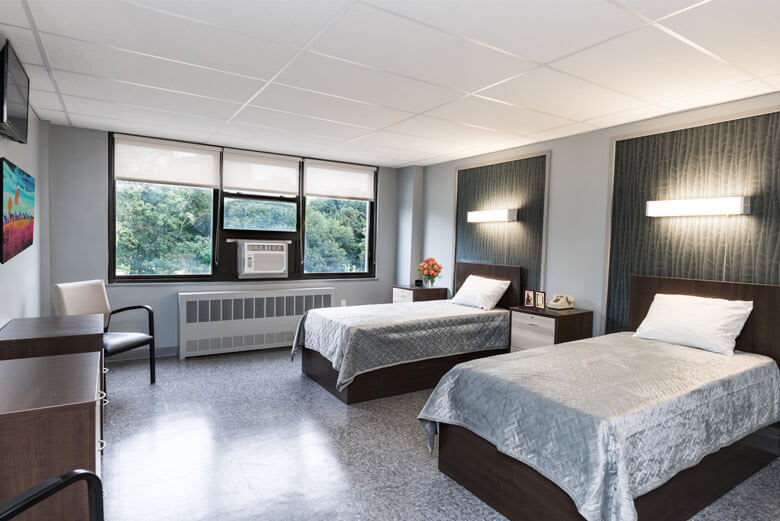
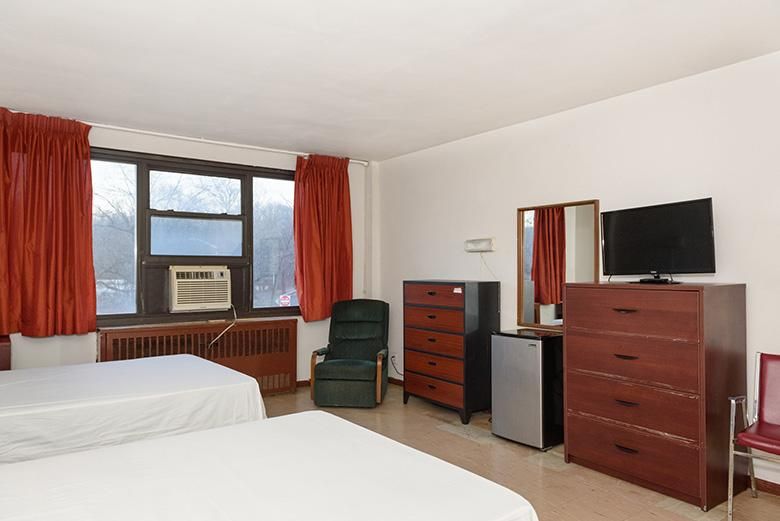
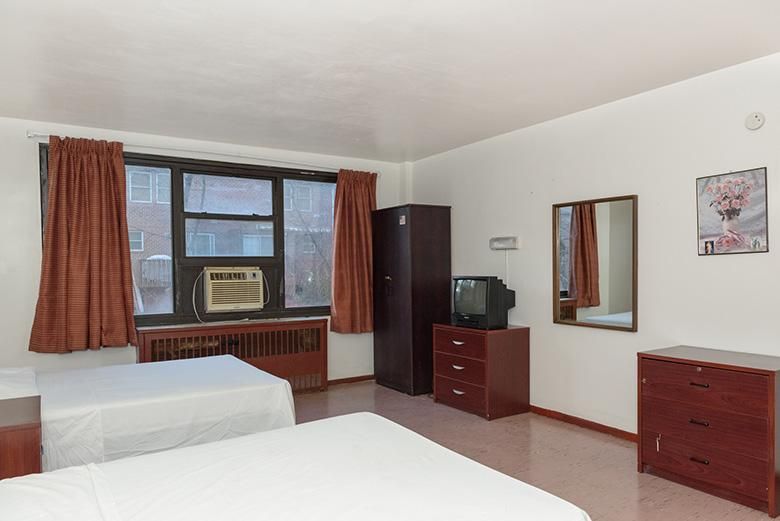
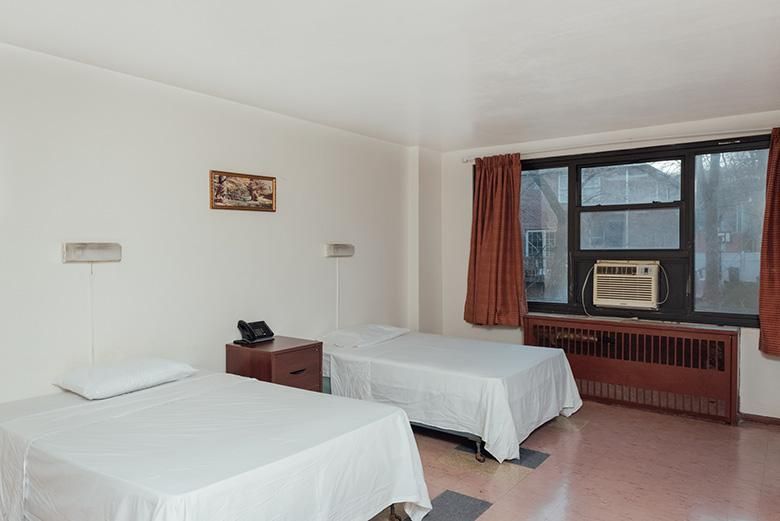
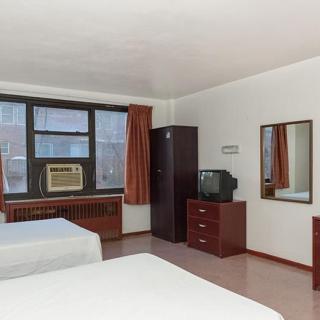
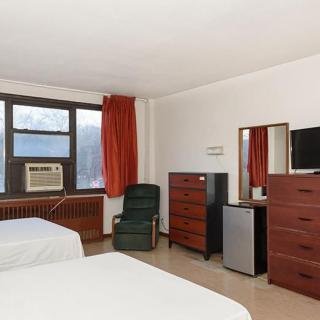
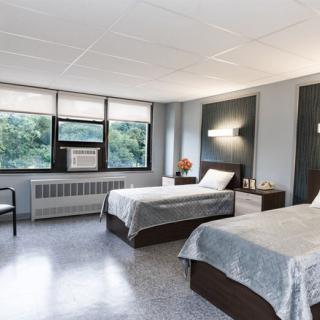
    A modest hotel room with two beds, a TV, a mirror, and an air conditioner.
  • Windows

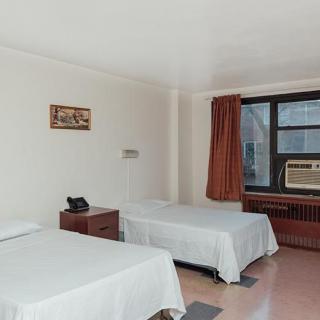
    A simple bedroom with two single beds, white sheets, a nightstand, and an air conditioner by the window.
  • Dining

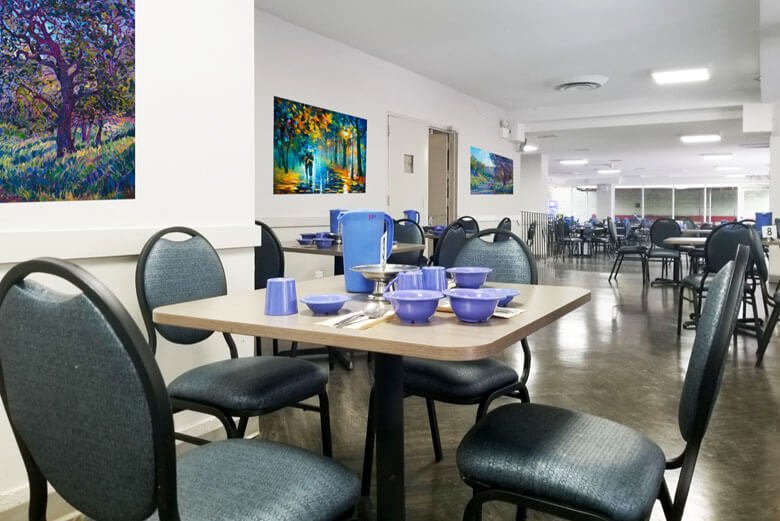
    A neatly set dining area with tables and chairs, ready for guests.
  • Lighting

    Modern office reception area with a sleek desk and elegant lighting.
  • Bathroom

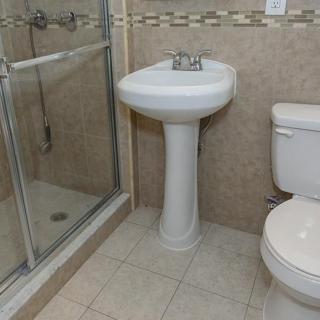
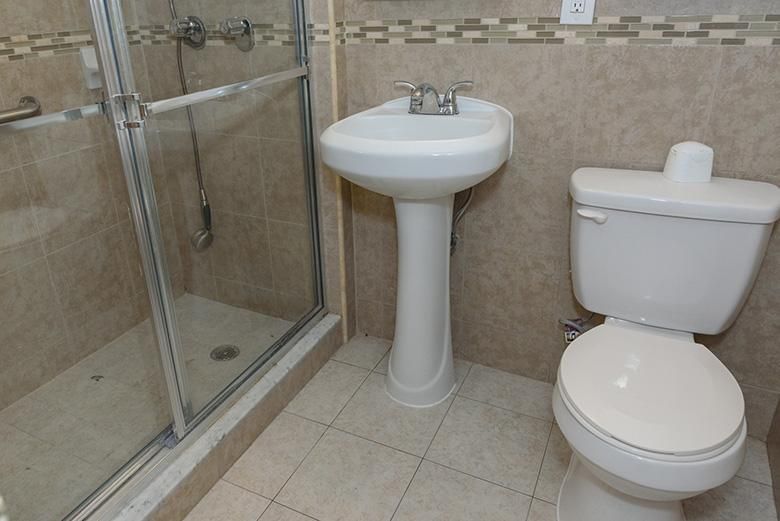
    A clean and compact bathroom featuring a pedestal sink, toilet, and glass-enclosed shower.
  • Television

    A hotel room with two beds, an air conditioner, and various pieces of furniture including a dresser and television.
  • Exterior

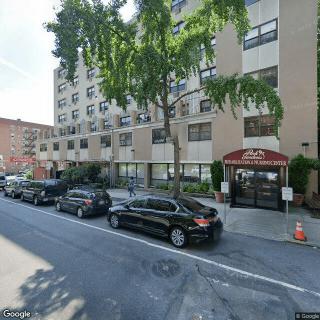
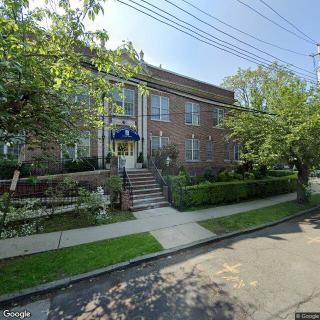
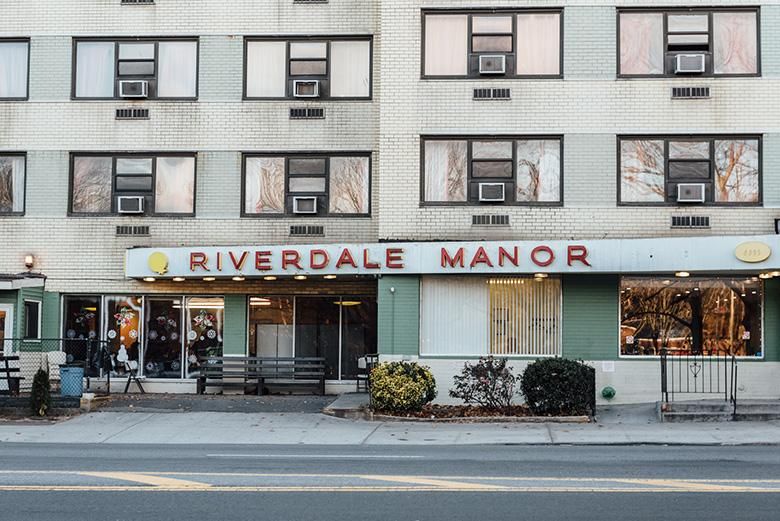
    The exterior of Riverdale Manor, an urban apartment building, viewed from the street.
  • Natural Light

    A modern bedroom with two neatly made beds, large windows, and natural light.
  • Hallway

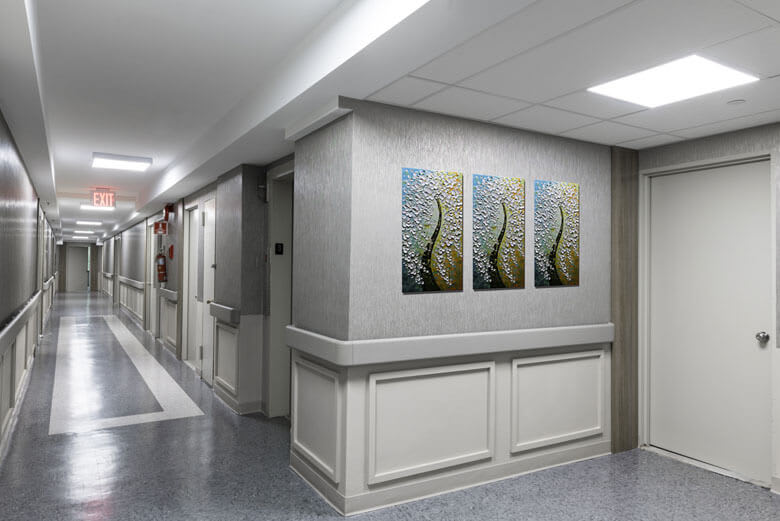
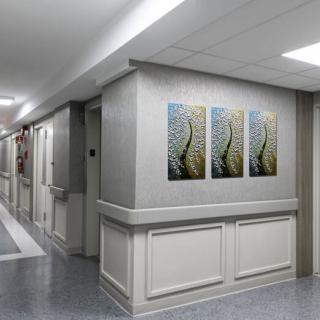
    A clean and well-lit hospital corridor featuring art on the walls.

Riverdale Manor in Bronx, NY

6355 Broadway, Bronx, NY 10471

For more information about senior living options: (844) 490-3973

2.8 from 6 reviews
5 stars
0
4 stars
2
3 stars
2
2 stars
1
1 stars
1

Assisted Living Respite Care

Riverdale Manor Costs & Pricing

At Riverdale Manor, the cost of care presents a compelling value when compared to both Bronx County and the broader New York state averages. For semi-private rooms, residents can expect to pay $2,200 per month, significantly less than the Bronx County average of $4,602 and the New York state average of $4,389. When considering studio accommodations, Riverdale Manor remains competitive at $4,400 per month, although it is higher than Bronx County's average of $3,209; however, it offers a favorable rate compared to the state average of $4,532. This pricing strategy allows residents and their families to access quality living arrangements while maintaining a focus on affordability within the region.

Floor plansRiverdale ManorBronx CountyNew York
Semi-Private$2,200$4,602$4,389
Studio$4,400$3,209$4,532

What level of care are you interested in?

Assisted Living

Memory Care

Independent Living

Skilled Nursing Facility

Continuing Care Retirement Community (CCRC)CCRC

Other


Request a tour at Riverdale Manor

    Overall Review of Riverdale Manor

    Pros

    • pro The living areas are clean, good, and well maintained.
    • pro The rooms are nice, spacious, and safe.
    • pro The facility offers activities, including karaoke, with staff planning them.
    • pro The staff communicate well during ongoing situations.
    • pro New owners are modernizing and upgrading the facility.
    • pro A brand-new makeover is underway, and residents are excited about the improvements.
    • pro The staff treat residents with care and consideration.
    • pro There are outdoor and social areas where residents can sit, exercise, and gather.

    Cons

    • pro There was no security at the facility, allowing residents to roam and come and go at will.
    • pro It did not feel like a real assisted living place due to lax safeguards and excessive freedom.
    • pro Residents could leave and re-enter within 90 days and still have a spot, indicating an overly permissive policy.
    • pro The environment was unsafe and unhealthy, with smoking and a lack of safety measures.
    • pro On-site safety equipment was missing: no smoke alarms and no fire extinguishers.
    • pro The facility had unsanitary conditions, with garbage piled outside and a strong odor.
    • pro The bathrooms were horrible, and the furniture was old and rotten.
    • pro Riverdale Manor felt more like an apartment building and lacked essential amenities such as an on-site store, doctors, and proper kitchen facilities.

    Review

    Riverdale Manor in the Bronx is best suited for seniors who want an apartment-style setting with social opportunities and light oversight, rather than a tightly structured assisted-living campus. The vibe is open and informal, with residents and staff moving through common areas and hallways. It appeals to those who value independence, routine social activities, and affordable living options, provided the resident can tolerate a less supervised environment. This is not the choice for someone who needs constant nursing care, comprehensive safety monitoring, or highly controlled access. Families seeking a highly regulated, medical-focused community should look elsewhere.

    There are clear reasons to consider alternatives, especially for residents with higher care needs or safety concerns. Several reviewers raise questions about security and supervision, noting that people can come and go with minimal friction and that hallways can feel crowded and unrestricted. The impression of a lax environment - no guaranteed security or easily enforceable access controls - might be unacceptable for a loved one who requires consistent monitoring. Additionally, basic safety infrastructure such as on-site fire alarms, extinguishers, or emergency medical support appears inconsistent across accounts, underscoring a misalignment with expectations for a traditional assisted-living setting.

    On the upside, the pros are tangible and reasonably compelling for the right resident. The living spaces are described as clean, roomy, and comfortable, with well-maintained common areas and a sense of warmth in the interior design. There is a visible emphasis on social engagement: activities are planned by an activity staff, and residents have access to gathering spaces, card games, and even outdoor seating for mild exercise. The staff, when engaged, shows communicative responsiveness, and some accounts highlight ongoing modernization under new ownership, suggesting a trajectory toward improved amenities and resident experience. These elements can translate into meaningful quality of life for residents who thrive on activity, companionship, and a lighter touch of supervision.

    Yet the main drawbacks cannot be dismissed. Several reviews paint a stark picture of risk and dissatisfaction: a facility that feels more like a rental building than a true assisted-living community, significant safety hazards linked to inconsistent safety systems, and the absence of essential conveniences like on-site doctors, full kitchen facilities, or even a consistent assortment of basic amenities. For families prioritizing medical oversight, properly equipped dining options, guaranteed safety protocols, or modern, well-equipped private spaces, Riverdale Manor may fall short. The most visceral critiques describe foul odors, clutter, and a sense of neglect in certain areas, which clashes with the expectations of care-centric living environments.

    The way the positive elements line up against the negatives depends largely on individual priorities. If the resident values social interaction, a pleasant, apartment-like atmosphere, and a reasonable price tag, the improvements under new ownership and the presence of activity programming can offset some concerns. In practice, this means Riverdale Manor can deliver a livable, sociable home for someone who can self-advocate and who does not require constant medical or security oversight. The modernization efforts suggest that what exists now may become substantially stronger, making future visits feel more promising as renovations complete and policies evolve to tighten safety and services.

    Decision-makers should approach with a practical scavenger hunt mindset. Ask direct questions about security measures, staff-to-resident ratios, and the presence of on-site medical personnel or partnerships with nearby clinics. Verify the state of essential infrastructure: functioning smoke alarms, fire suppression, and emergency response protocols; confirm whether dining options can accommodate varied dietary needs and whether refrigerators or cooking facilities exist within units. Schedule extended tours to observe how residents interact with staff, how activities are staffed and resourced, and whether the overall environment feels safe and well-maintained during different times of the day. In short, Riverdale Manor is a viable option for a social, independent-leaning senior who can tolerate lighter supervision, but it demands careful due diligence for families prioritizing safety, medical support, and comprehensive amenities.

    Features

    Housing

    • 256 resident community capacity 256 resident community capacity

    Types of Care

    • Assisted Living Assisted LivingAssisted living facilities provide crucial support and care for seniors who may need help with daily tasks such as medication management, bathing, and meal preparation. These communities offer a safe and comfortable environment where seniors can maintain their independence while receiving the assistance they need to thrive in their golden years.
    • Respite Care Respite CareRespite care provides temporary relief for caregivers, allowing them to recharge and attend to their own needs. It also gives seniors the opportunity to socialize, receive professional care, and experience a change of scenery, promoting overall well-being and reducing feelings of isolation.

    Amenities

    • Activities on-site Activities on-siteActivities on-site are important for seniors because they provide opportunities for socialization, mental stimulation, physical activity, and overall well-being. Engaging in activities can help seniors stay active, maintain their independence, and improve their quality of life.
    • Air-conditioning Air-conditioningAir conditioning is important for seniors as they are more vulnerable to heat-related illnesses and may have underlying health conditions that make it difficult for them to regulate their body temperature. It helps to keep them comfortable, safe, and healthy in hot weather.
    • Beautician on-site Beautician on-siteHaving a beautician on-site at a senior living community is important for seniors as it allows them to easily access grooming and personal care services, boosting their self-esteem and overall well-being. It also provides convenience and helps seniors maintain their sense of independence and personal style.
    • Beauty salon Beauty salonBeauty salons are important for seniors because they provide a space for them to feel pampered, socialize, and maintain their personal grooming and hygiene. Regular visits to a beauty salon can help boost seniors' self-esteem and overall well-being.
    • Cable or satellite TV Cable or satellite TVCable or satellite TV is important for seniors because it provides entertainment, news, and companionship, helping to combat loneliness and boredom. It also offers a wide range of programming options tailored to different interests and preferences.
    • Computer center Computer centerA computer center is essential for seniors as it provides access to technology, communication tools, and resources that can enhance their daily lives. It allows them to stay connected with loved ones, engage in online activities, and learn new skills, ultimately promoting socialization and mental stimulation.
    • Devotional services off-site Devotional services off-siteDevotional services off-site are important for seniors as they provide spiritual nourishment, social engagement, and a sense of community outside of the senior living facility. This can enhance overall well-being and help combat feelings of isolation and loneliness often experienced by older adults.
    • Dining room Dining roomDining rooms are important for seniors as they provide a space for socialization, connection, and nutritious meals. They offer opportunities for residents to bond over shared meals, foster a sense of community, and promote healthy eating habits. Dining rooms also ensure that seniors have access to well-balanced meals tailored to their dietary needs and preferences.
    • Fitness room Fitness roomHaving a fitness room in a senior living community is essential for seniors to stay active, maintain their physical health, and improve their overall well-being. Regular exercise can help prevent falls, reduce the risk of chronic diseases, and promote mental sharpness. It also provides social opportunities for residents to connect with others and enjoy a sense of community.
    • Fully furnished Fully furnishedFully furnished senior living communities are important for seniors because they provide convenience, comfort, and a hassle-free moving experience. Seniors can easily settle into their new living space without the stress of having to buy and move furniture. This allows them to focus on enjoying their new home and community.
    • Gaming room Gaming roomGaming rooms are important for seniors as they provide a fun and engaging environment for socializing, cognitive stimulation, and physical activity. Games can improve memory, problem-solving skills, and overall mental well-being while fostering friendships and reducing feelings of isolation.
    • Garden GardenGardens are important for seniors as they provide a peaceful and therapeutic environment for relaxation, physical activity, and socialization. Being in nature has been shown to reduce stress, improve mood, and promote overall well-being. Gardens also offer opportunities for seniors to engage in gardening activities, which can improve mobility, flexibility, and cognitive function. Additionally, gardens create a sense of community and connection with others who share a passion for plants and outdoor spaces.
    • Housekeeping services Housekeeping servicesHousekeeping services are important for seniors because they help maintain a clean and safe living environment, promote independence, and reduce the risk of accidents or illnesses. Additionally, having assistance with household chores can alleviate physical strain and allow seniors to focus on other aspects of their well-being.
    • Indoor common areas Indoor common areasIndoor common areas are crucial for seniors as they provide a space for socialization, recreation, and community engagement, promoting overall well-being and reducing feelings of isolation and loneliness.
    • Kitchenette KitchenetteKitchenettes are important for seniors living in senior living communities because they provide the convenience and independence of being able to prepare simple meals and snacks in the comfort of their own living space. This can help promote a sense of autonomy and well-being for seniors, allowing them to maintain some level of control over their dietary choices and daily routines.
    • Move-in coordination Move-in coordinationMove-in coordination is important for seniors because it helps ease the transition into their new living environment. It ensures that all logistics, such as packing, organizing movers, and setting up utilities are taken care of, allowing seniors to focus on settling in and adjusting to their new home. Having a smooth move-in process can alleviate stress and anxiety, making the transition smoother and more enjoyable for seniors.
    • Outdoor space Outdoor spaceOutdoor spaces are important for seniors as they provide opportunities for physical activity, social interaction, exposure to natural light and fresh air, and a sense of connection to nature. Having access to outdoor spaces can improve overall well-being and quality of life for older adults living in senior communities.
    • Private bathrooms Private bathroomsPrivate bathrooms are important for seniors in senior living communities because they provide independence, dignity, and comfort. Having a private bathroom allows seniors to maintain their personal hygiene routines without the need for assistance, promoting a sense of autonomy and privacy. Additionally, private bathrooms help prevent the spread of infections and provide a safe and clean environment for seniors to navigate safely.
    • Restaurant-style dining Restaurant-style diningRestaurant-style dining is important for seniors because it allows them to enjoy delicious, nutritious meals in a social and upscale setting. This enhances their dining experience, promotes healthy eating habits, and fosters socialization with fellow residents, ultimately contributing to their overall well-being and quality of life.
    • Small library Small librarySmall libraries are important for seniors as they provide access to a variety of reading materials, including books, newspapers, and magazines. This can help stimulate their minds, keep them engaged, and provide a sense of community through book clubs and other social activities. Additionally, reading has been shown to improve cognitive function and overall mental well-being in older adults.
    • Telephone TelephoneTelephones are important for seniors as they provide a lifeline for communication with loved ones, emergency services, and healthcare providers. They offer a sense of security and independence, enabling seniors to stay connected and access assistance when needed.
    • Wellness center Wellness centerWellness centers are important for seniors because they offer a variety of programs and services that promote physical, mental, and emotional well-being. These centers provide opportunities for exercise, socialization, education, and relaxation, helping seniors maintain their overall health and quality of life.
    • Wi-Fi/high-speed internet available Wi-Fi/high-speed internet availableWi-Fi/high-speed internet is important for seniors to stay connected with loved ones, access online resources, and participate in virtual activities to combat feelings of loneliness and isolation. It also allows them to easily manage healthcare needs, access entertainment, and engage in lifelong learning opportunities.

    Transportation

    • LaGuardia (9 miles away) LaGuardia (9 miles away)
    • Westchester Cty (15 miles away) Westchester Cty (15 miles away)
    • John F Kennedy International (19 miles away) John F Kennedy International (19 miles away)
    • Newark International (20 miles away) Newark International (20 miles away)
    • Community operated transportation Community operated transportationCommunity operated transportation is crucial for seniors as it provides them with the means to access essential services, social activities, and medical appointments. It allows seniors to maintain their independence and quality of life by ensuring they can participate in activities outside of their homes. Additionally, community-operated transportation services offer a safe and reliable way for seniors to travel without having to rely on family or friends for assistance.
    • Transportation arrangement Transportation arrangementTransportation arrangements are crucial for seniors as they may face challenges with driving, mobility, or access to public transportation. Having reliable transportation services ensures that seniors can easily attend appointments, social activities, and maintain their independence and quality of life.
    • Transportation arrangement (non-medical) Transportation arrangement (non-medical)Transportation arrangements are essential for seniors as they provide access to essential services, activities, and social interactions outside the home. This service helps maintain independence, mobility, and overall well-being for seniors who may have limited transportation options.
    • Transportation to doctors appointments Transportation to doctors appointmentsTransportation to doctors appointments is crucial for seniors as it ensures they have access to necessary medical care and support, promoting their health and well-being. It allows them to receive timely treatment, monitor existing conditions, and address any new health concerns efficiently. Additionally, transportation services can help seniors maintain their independence and quality of life by enabling them to stay connected with their healthcare providers.

    Care Services

    • 12-16 hour nursing 12-16 hour nursing12-16 hour nursing care is crucial for seniors in order to ensure around-the-clock monitoring, timely medication administration, and prompt response to any health concerns or emergencies. This level of care helps to promote the overall well-being and safety of seniors living in senior living communities.
    • 24-hour call system 24-hour call system24-hour call systems are important for seniors because they provide peace of mind and immediate assistance in case of emergencies. This technology ensures that help is always available, promoting safety and security for elderly individuals living alone or in assisted living facilities.
    • 24-hour supervision 24-hour supervision24-hour supervision is important for seniors to ensure their safety, well-being, and access to immediate assistance in case of emergencies or health issues. This constant support provides peace of mind for both seniors and their loved ones, allowing them to age in place with dignity and security.
    • Activities of daily living assistance Activities of daily living assistanceActivities of daily living assistance are important for seniors because they provide essential support with tasks such as eating, bathing, dressing, and mobility. This assistance helps seniors maintain their independence, dignity, and overall quality of life as they age.
    • Ambulatory care Ambulatory care"Ambulatory care services provide essential medical support and treatment to seniors without requiring hospitalization, allowing them to maintain their independence and quality of life while managing chronic conditions or receiving routine medical care."
    • Assistance with bathing Assistance with bathingAssistance with bathing is crucial for seniors as it helps maintain personal hygiene, prevents infections, and ensures their overall well-being and comfort. It also provides a sense of dignity and independence for seniors who may struggle with this task on their own.
    • Assistance with dressing Assistance with dressingAssistance with dressing is important for seniors because it helps maintain their independence, promotes personal hygiene, prevents accidents and injuries, and improves overall quality of life. This service ensures that seniors can continue to dress comfortably and confidently, despite any physical limitations they may have.
    • Assistance with transfers Assistance with transfersAssistance with transfers is crucial for seniors as it helps prevent falls and injuries, maintains their independence, and ensures they can safely navigate their living environment. It also provides peace of mind for both seniors and their loved ones.
    • Diabetes diet Diabetes dietA diabetes diet is crucial for seniors as it helps manage blood sugar levels, reduce risks of complications, and improve overall health and well-being. By following a balanced and nutritious diet tailored to their specific needs, seniors can better control their diabetes and enhance their quality of life.
    • Diabetic care Diabetic careDiabetic care is crucial for seniors as they are more susceptible to developing diabetes due to aging and other health conditions. Proper management of diabetes can help prevent complications such as heart disease, vision loss, and nerve damage, improving the overall quality of life for seniors in senior living communities.
    • Incontinence care Incontinence careIncontinence care is essential for seniors to maintain their dignity, hygiene, and overall quality of life. By addressing incontinence issues promptly and effectively, seniors can enjoy a sense of independence and comfort in their daily activities.
    • Meal preparation and service Meal preparation and serviceMeal preparation and service are crucial for seniors as they may have limited mobility or energy to cook nutritious meals. Having access to healthy and convenient food options can ensure they are getting the proper nutrition needed to maintain their overall health and well-being.
    • Medication management Medication managementMedication management is crucial for seniors to ensure they are taking the right medications at the correct dosages and times. This helps prevent adverse drug interactions, reduces the risk of medication errors, and promotes overall health and well-being. Proactive management also allows for adjustments as needed based on changing health conditions or new prescriptions.
    • Mental wellness program Mental wellness programMental wellness programs are essential for seniors as they promote cognitive stimulation, emotional support, and social engagement. These programs help prevent isolation, depression, and cognitive decline, ultimately enhancing the overall quality of life for older adults.
    • Special dietary restrictions Special dietary restrictionsSpecial dietary restrictions are important for seniors because age-related changes in metabolism and health conditions can make it difficult for their bodies to process certain foods. By following a diet tailored to their specific needs, seniors can maintain their overall health and well-being, manage chronic conditions, and reduce the risk of complications such as malnutrition or food interactions with medications.

    Dining

    • Diabetes diet Diabetes dietA diabetes diet is crucial for seniors as it helps manage blood sugar levels, reduce risks of complications, and improve overall health and well-being. By following a balanced and nutritious diet tailored to their specific needs, seniors can better control their diabetes and enhance their quality of life.
    • Meals provided Meals provided"Meals provided" are crucial for seniors in assisted living communities as it ensures they have access to nutritious, balanced meals without the stress of meal planning and preparation. This can help promote overall health and well-being for seniors who may have limited mobility or cognitive abilities.
    • Special dietary restrictions Special dietary restrictionsSpecial dietary restrictions are important for seniors because age-related changes in metabolism and health conditions can make it difficult for their bodies to process certain foods. By following a diet tailored to their specific needs, seniors can maintain their overall health and well-being, manage chronic conditions, and reduce the risk of complications such as malnutrition or food interactions with medications.

    Activities

    • Activities on-site Activities on-siteActivities on-site are important for seniors because they provide opportunities for socialization, mental stimulation, physical activity, and overall well-being. Engaging in activities can help seniors stay active, maintain their independence, and improve their quality of life.
    • Community-sponsored activities Community-sponsored activitiesCommunity-sponsored activities are important for seniors as they provide opportunities for social interaction, mental stimulation, and physical activity. These activities can help improve overall well-being, combat loneliness and isolation, and promote a sense of belonging and purpose among older adults.
    • Concierge services Concierge servicesConcierge services are essential for seniors as they provide assistance with daily tasks and errands, enhance their quality of life by offering convenience and personalized care, and promote a sense of safety and security.
    • Devotional activities offsite Devotional activities offsiteDevotional activities offsite are important for seniors because they provide social engagement, spiritual growth, and a sense of community outside of their living environment. This can improve overall well-being, mental health, and combat feelings of isolation or loneliness.
    • Fitness programs Fitness programsFitness programs are crucial for seniors as they help improve strength, flexibility, balance, and overall well-being. Staying active can reduce the risk of chronic diseases, improve mental health, and enhance quality of life in older adults.
    • Planned day trips Planned day tripsPlanned day trips are important for seniors because they offer opportunities for socialization, mental stimulation, and physical activity. They provide a change of scenery and help seniors stay engaged and connected to their community, promoting overall well-being and quality of life.
    • Resident-run activities Resident-run activitiesResident-run activities are important for seniors as they encourage social interaction, creativity, and a sense of autonomy. These activities empower seniors to stay engaged and active in their community while fostering meaningful connections with their peers.
    • Scheduled daily activities Scheduled daily activitiesScheduled daily activities are important for seniors because they provide structure, socialization, mental stimulation, and physical activity. Engaging in regular activities can improve overall well-being and quality of life for seniors living in a community setting.

    Description

    Riverdale Manor is an assisted living community located in the Bronx, NY. Our primary type of care is respite care, providing short-term relief to caregivers. We offer a wide range of amenities to ensure the comfort and convenience of our residents. Each room is fully furnished and equipped with air-conditioning, cable or satellite TV, and a private bathroom. We also have an on-site beautician and beauty salon for residents' grooming needs.

    Our community-operated transportation service is available for shopping trips or other outings, as well as transportation to doctors' appointments. Residents can stay connected with their loved ones through our computer center and Wi-Fi/high-speed internet access. Our dedicated staff takes care of housekeeping services, ensuring a clean and pleasant living environment.

    In terms of care services, we provide 24-hour supervision and assistance with activities of daily living such as bathing, dressing, and transfers. Our staff also supports residents with diabetes care and management of special dietary restrictions. Medication management is provided to ensure the proper administration of medications.

    At Riverdale Manor, we prioritize the mental well-being of our residents by offering a mental wellness program and engaging activities such as fitness programs, community-sponsored events, planned day trips, resident-run activities, and scheduled daily activities. These opportunities foster socialization and create a lively atmosphere within our community.

    Additionally, our location provides easy access to various amenities and services in the surrounding area. There are parks nearby for outdoor leisure activities, numerous pharmacies for convenient access to medication supplies, physicians in close proximity for medical needs, restaurants offering diverse dining options nearby for culinary enjoyment, multiple transportation options for easy commuting, places of worship for spiritual fulfillment, theaters for entertainment purposes nearby,and hospitals in the vicinity for any healthcare emergencies.

    Overall, at Riverdale Manor we strive to provide a comfortable and engaging assisted living environment where residents can receive excellent care while enjoying a variety of amenities and activities both within our community and in the surrounding area.

    Nearby Places of Interest

    This part of Bronx, New York offers a convenient and diverse range of amenities for seniors looking to settle in the area. With several transportation options nearby such as Metro North and MTA Subway stations, getting around the city is easily accessible. The proximity to parks like Riverdale Park and Inwood Hill Park provides opportunities for outdoor activities and scenic walks. Additionally, there are various pharmacies and hospitals in the vicinity including NewYork-Presbyterian Allen Hospital and St Barnabas Hospital for medical needs. Residents can also enjoy dining at restaurants like Last Stop Bar & Grill or Serafina, as well as grabbing a coffee at cafes such as Starbucks or Kuppi Coffee Company. Overall, this neighborhood offers a balanced mix of convenience, healthcare facilities, recreational spaces, and dining options for seniors seeking a comfortable living environment.

    Transportation

    • Metro North - Riverdale Station (0.9 miles)
    • MTA Subway - Inwood/207th St (2.6 miles)
    • MTA Subway - Fordham Rd (2.8 miles)
    • MTA Fordham Metro-North Station (2.8 miles)
    • MTA Subway - Dyckman St (3.2 miles)
    • MTA Subway - 190th St (3.5 miles)
    • Metro North - Mt Vernon East Train Station (3.5 miles)

    Parks

    • Riverdale Park (1 miles)
    • Inwood Hill Park (2.4 miles)
    • Flat Rock Brook Nature Center (4.2 miles)
    • J. Hood Wright Park (4.4 miles)
    • Uniontown Playground (5.8 miles)
    • St Nicholas Park (6.1 miles)
    • Marcus Garvey Park (7.1 miles)

    Places of Worship

    • The Riverdale Minyan (1.1 miles)

    Pharmacies

    • Rite Aid (1.1 miles)
    • CVS Pharmacy (1.3 miles)
    • Walgreens (3.8 miles)
    • CVS Pharmacy (4.3 miles)
    • CVS Pharmacy (4.6 miles)
    • CVS Pharmacy (4.7 miles)
    • Walgreens (4.8 miles)

    Hospitals

    • NewYork-Presbyterian Allen Hospital (2.1 miles)
    • Bronx VA Medical Center (2.4 miles)
    • St Barnabas Hospital (3.3 miles)
    • Russ Berrie Medical Science Pavilion (4.8 miles)
    • Milstein Hospital Building (4.8 miles)
    • Montefiore New Rochelle Hospital (5.8 miles)
    • Holy Name Medical Center (6 miles)

    Restaurants

    • Last Stop Bar & Grill (2.4 miles)
    • McDonald's (3.8 miles)
    • McDonald's (4.8 miles)
    • Kura Revolving Sushi Bar (4.8 miles)
    • McDonald's (5.3 miles)
    • The River Palm Terrace (5.5 miles)
    • Serafina (6.7 miles)

    Physicians

    • Park Medical Group PA (3.9 miles)
    • Morgan Stanley Children's Hospital (4.9 miles)
    • Kayal Orthopedic - Westwood (8.4 miles)

    Theaters

    • AMC Bay Plaza Cinema 13 (4.4 miles)
    • Alamo Drafthouse Yonkers (6.8 miles)
    • AMC DINE-IN Shops At Riverside 9 (6.9 miles)

    Cafes

    • Cafe Zeppieri (6.6 miles)
    • Starbucks (6.7 miles)
    • Starbucks (6.7 miles)
    • Kuppi Coffee Company (7 miles)
    • Bogota Press Cafe (7.6 miles)
    • Starbucks (7.6 miles)
    • Starbucks (7.7 miles)

    Frequently Asked Questions

    How much does it cost to live at Riverdale Manor in Bronx, NY?
    Where is Riverdale Manor?
    What photos are available for Riverdale Manor in Bronx, New York?

    Nearby Communities

    • Park Gardens Rehabilitation & Nursing Center

      Park Gardens Rehabilitation & Nursing Center

      Riverdale, NY

      4 from 35 reviews
       

      pro Therapy programs are effective.

    • Methodist Home For Nursing And Rehabilitation

      Methodist Home For Nursing And Rehabilitation

      Bronx, NY

      4.1 from 114 reviews
       

      pro Compassionate, attentive staff with strong therapy services and private, homelike rooms.

    • Hebrew Home For The Aged At Riverdale

      Hebrew Home For The Aged At Riverdale

      Riverdale, NY

      4.5 from 2 reviews
      $3,500 to $10,500 / month

      pro Clean, well-funded facility with attentive staff, extensive activities, and on-site medical services.

    • RiverSpring Health

      RiverSpring Health

      Riverdale, NY


      pro Restaurant-style dining with 24-hour supervision.

    • St Michael's Home For the Aged

      St Michael's Home For the Aged

      Yonkers, NY


      pro Assisted living with on-site activities and diabetic care.

    • St Michaels Home

      St Michaels Home

      Yonkers, NY


      pro Extensive amenities and services (beauty salon, dining, fitness, transportation, activities) with 24-hour supervision.

    • Five Star Premier Residences Of Yonkers

      Five Star Premier Residences Of Yonkers

      Yonkers, NY

      4.3 from 97 reviews
      $4,500 to $6,700 / month

      pro Friendly staff in a clean, attractive facility with engaging activities.

    • Atria Home Care-Bronx,  NYC,  & Queens

      Atria Home Care-Bronx, NYC, & Queens

      Riverdale, NY

      4 from 119 reviews
       

      pro Wide range of on-site amenities and activities (theater, salon, library) with well-maintained apartments and available memory care/rehab services.

    • Bainbridge Nursing & Rehabilitation Center

      Bainbridge Nursing & Rehabilitation Center

      Bronx, NY

      4.5 from 104 reviews
       

      pro Positive rehab outcomes and engaging activities.

    Related Resources

    • assisted living costUnderstanding the True Cost of Assisted Living in 2025: A Comprehensive Guide

      Assisted living in 2025 offers a crucial balance of independence and support for seniors, with costs varying from $2,500 to over $7,000 per month based on factors such as location and care level. Understanding pricing complexities, including regional differences and potential hidden fees, is essential for families to plan financially while ensuring quality care for their loved ones.

    • does medicaid pay for assisted livingUnderstanding Medicaid Coverage for Assisted Living: A Comprehensive Guide

      The guide outlines the complexities of Medicaid coverage for assisted living, highlighting significant state-to-state variations, limited coverage often restricted to personal care services, and the existence of specialized waivers for certain needs like memory care. It advises families to consult local Medicaid offices for options while emphasizing the importance of understanding state-specific regulations and facility policies.

    • does medicaid pay for assisted livingHow and When Medicaid May Cover Assisted Living Costs
      Medicaid coverage for assisted living varies by state and is primarily available to low-income individuals, with eligibility dependent on strict income and asset limits. Some states offer HCBS waivers for specific services in assisted living, but families must generally cover room and board costs, and should verify facility acceptance of Medicaid while considering potential waiting lists.


    Get Pricing Ask A Question Schedule A Tour Contact Senior Advisor