








5901 Palisade Avenue, Riverdale, NY 10471
For more information about senior living options: (866) 208-4318
Hebrew Home For The Aged At Riverdale Costs & Pricing
Hebrew Home For The Aged At Riverdale offers a range of housing options with costs that reflect its comprehensive services and quality of care. For a studio apartment, the monthly fee is $3,500, which is competitive compared to the Bronx County average of $3,209 but falls below the state average of $4,532. A one-bedroom unit is priced at $4,500, again higher than the county's $3,077 yet still slightly less than New York's statewide average of $4,307. The two-bedroom option costs $6,000, surpassing both local and state averages at $4,322 and $4,786 respectively. Notably, the private room rate stands at $10,500 - significantly higher than the Bronx average of $8,546 and well above New York's average of $5,159. These pricing dynamics suggest that while Hebrew Home For The Aged At Riverdale may present higher costs for certain room types compared to local averages, it provides a distinctive value that reflects its mission-driven approach to senior living in a supportive environment.
| Floor plans | Hebrew Home For The Aged At Riverdale | Bronx County | New York |
|---|---|---|---|
| Studio | $3,500 | $3,209 | $4,532 |
| 1 Bedroom | $4,500 | $3,077 | $4,307 |
| 2 Bedrooms | $6,000 | $4,322 | $4,786 |
| Private | $10,500 | $8,546 | $5,159 |
Skilled Nursing Facilities with a similar price nearby
-
from +$150 / mo
Plattduetsche Home Society
$3,650 to $6,250 / month18.3 miles away -
from -$405 / mo
Pine Valley Center For Rehabilitation And Nursing
$3,095 to $7,395 / month17.1 miles away -
from +$500 / mo
Regal Heights Rehabilitation And Health Care Center
$4,000 / month11.0 miles away -
from -$250 / mo

Harbour View Senior Living
$3,250 to $5,000 / month10.0 miles away -
from +$595 / mo

Atria Tanglewood
$4,095 to $8,995 / month21.5 miles away
Overall Review of Hebrew Home For The Aged At Riverdale
Pros
 The facility is very clean.
- The specialists are wonderful, and Dr. Schwartz is great, sympathetic, and caring.
- The nursing staff is good.
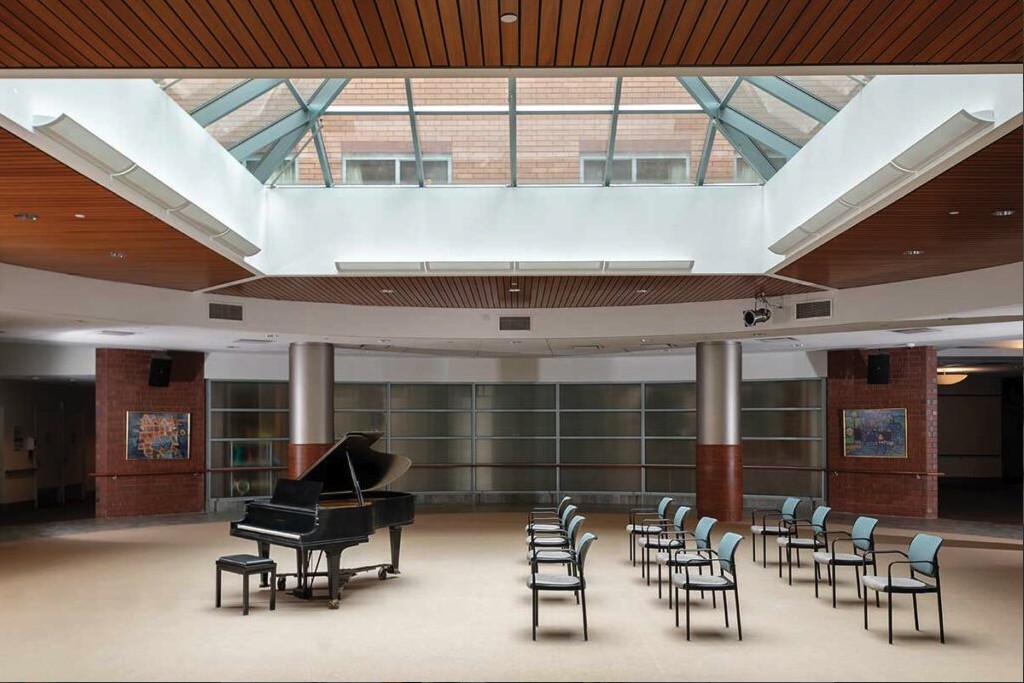
- The Hebrew Home provides many activities and keeps residents on the same floor when possible.
- The facility is superb, clean, and offers lots to do.
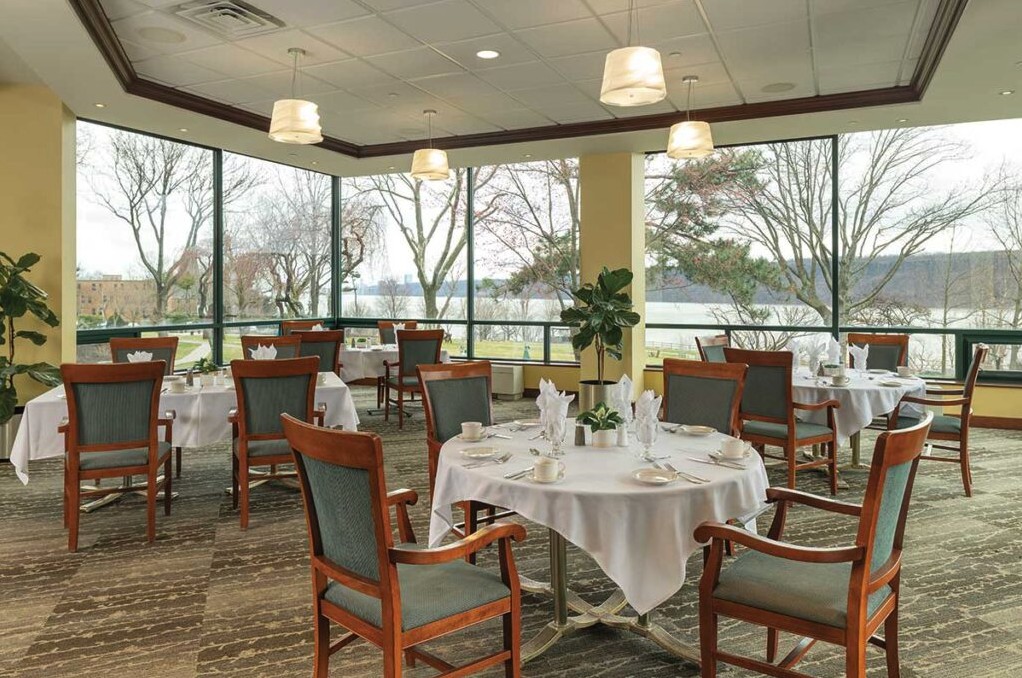
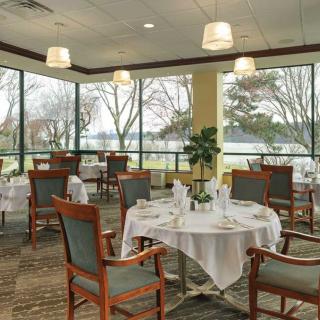
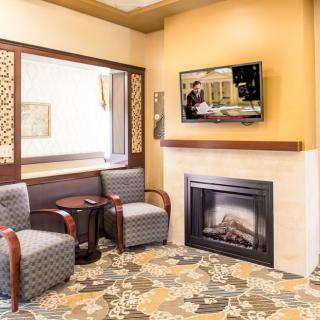
- The dining area is clean and spacious, with an artificial fireplace that makes the space feel homely.
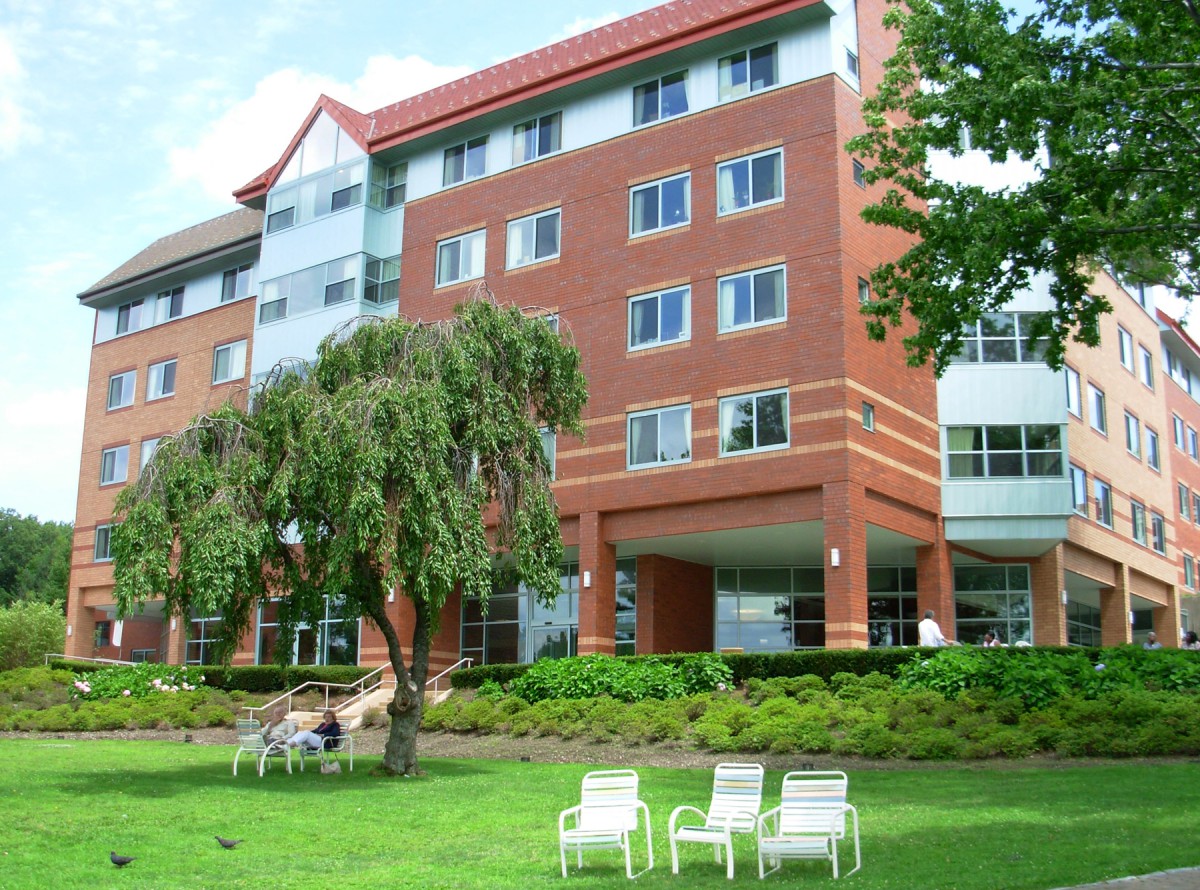
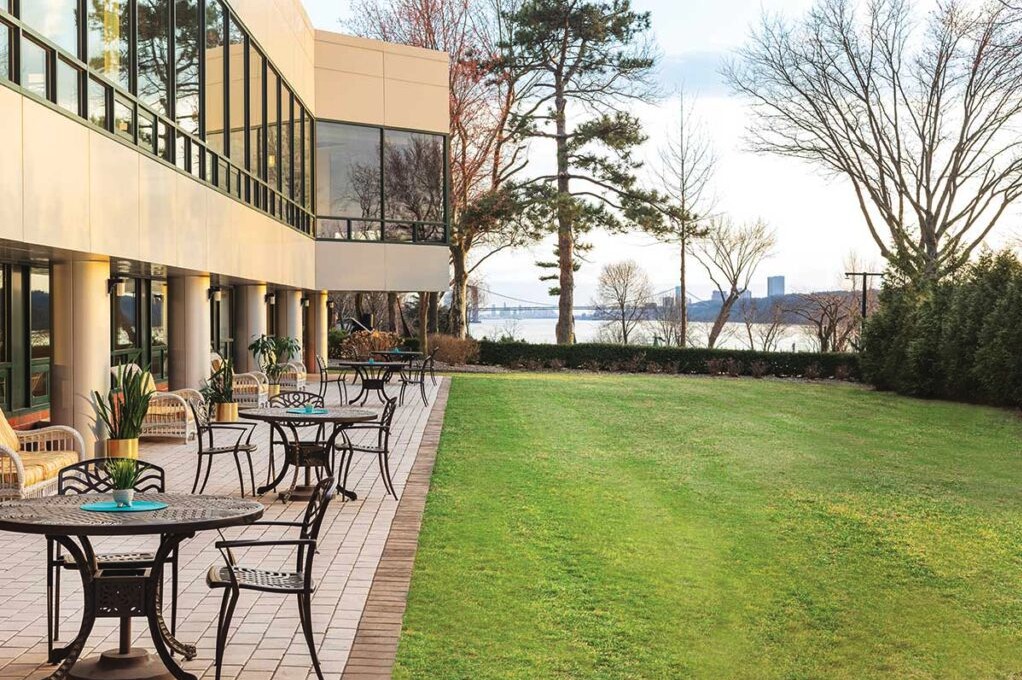
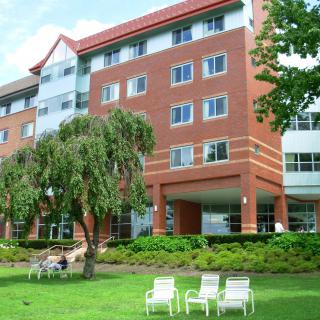
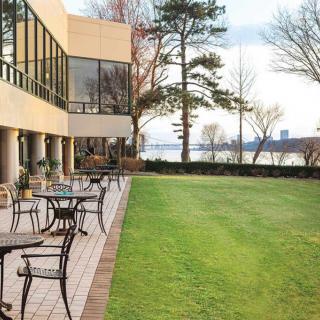
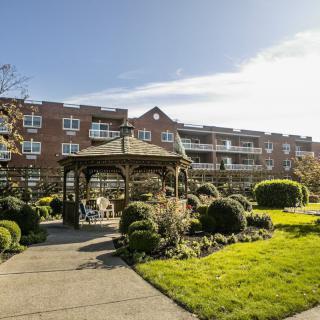
- The grounds are well maintained and overlook the Hudson River waterfront.
- There is a 24-hour on-site doctor, along with a pharmacy, lab, and oncology department.
- Memory care patients wear bracelets, and they are provided with many activities.
Cons
 The doctor assigned to her mother was unsatisfactory.
- They had to constantly stay on top of the doctor regarding hospital visits or tests.
- They were reluctant to challenge the doctor for fear of upsetting the doctor.
Review
Hebrew Home For The Aged At Riverdale is best suited for families seeking a large, well-funded senior community that delivers robust medical resources, strong memory-care capabilities, and a busy calendar of engagement. The campus scale, alongside 24-hour on-site medical access, an in-house pharmacy and laboratory, and an oncology department, creates a safety net that many families want when navigating complex health needs. The facility’s emphasis on continuity of groups on the same floors, and the broad array of activities, provide a sense of stability for residents who benefit from structured programming and social connection. The setting along the Hudson River, with well-kept grounds and a dining environment described as clean and homelike, also matters for families prioritizing a pleasant daily living atmosphere.
That said, certain families may want to consider alternatives. For those who value a smaller, more intimate atmosphere with a single point of care or a highly predictable primary physician relationship, the sheer size of this community can feel daunting. One reviewer highlighted a tension around medical oversight: the primary doctor assigned to a family’s loved one could be slow to act on hospital referrals or tests, even as nursing staff were competent and specialists generally strong. In such cases, families should expect to advocate actively for timely decisions and clear communication, or opt for a setting where medical leadership appears more centralized and transparent.
The strongest positives here offset the potential drawbacks in meaningful, practical ways. The on-site doctor presence around the clock reduces the lag time for urgent decisions, and the campus supports a broad medical ecosystem, specialists who are described as wonderful, with particular praise for a physician noted as sympathetic and caring. The facility’s generous funding enables a rich schedule of activities and a deliberate effort to keep memory-care residents engaged. For families with loved ones who require consistent social programming, memory-support tools like bracelets and a dedicated approach to memory care activities translate into tangible safety and daily engagement benefits.
Care delivery on this campus reflects both the advantages and the complexities of a large operation. The memory-care program is reinforced with bracelets and targeted activities, signaling a structured approach to safety and cognitive needs. The presence of a 24-hour physician, alongside a full spectrum of specialists, means medical teams can coordinate across disciplines when needed. However, the sheer size and multi-department structure can complicate even well-intentioned care plans if advocacy isn’t maintained. Residents may move through multiple care teams, and without a named point of contact, families can experience information gaps or slower escalations. Arm yourself with a clear care plan, a designated clinician contact, and a routine for timely updates to mitigate these risks.
Environment and daily life at Hebrew Home Riverdale strongly support ongoing engagement and comfort. The dining areas are clean and inviting, with homelike touches that reduce the sense of institutional distance. The waterfront setting adds an appealing backdrop for strolls and outdoor time, while grounds are well maintained for safe, pleasant outdoor activity. For families weighing daily quality of life, these amenities, combined with a robust activities program, make a meaningful difference, particularly for residents who thrive on social interaction and structured routines. The on-site resources, pharmacy, lab, and even oncology, also offer reassurance to families managing complex medical journeys in one campus.
The bottom line is practical and decisive: this community is an excellent fit for families prioritizing comprehensive medical support, strong memory-care infrastructure, and a dynamic activity ecosystem within a spacious, well-maintained environment. It is less ideal for those who require a tightly knit, small-community feel with a single physician orchestrating every step, or for families unwilling to advocate actively for timely medical decisions. For those pursuing Hebrew Home Riverdale, the prudent path is to secure a named care team and explicit escalation protocols, confirm floor placement that aligns with care needs, and review the financial outline with care coordinators to ensure the care plan matches expectations. In the right circumstances, this campus delivers substantial value, safety, and daily vitality that many families seek.
 843 resident community capacity
 Day Program
 Independent Living
 Memory Care
 Skilled Nursing Facility
 Air-conditioning
 Beautician on-site
 Cable or satellite TV
 Computer center
 Devotional services on-site
 Dining room
 Fitness room
 Fully furnished
 Gaming room
 Garden
 Housekeeping services
 Indoor common areas
 Kitchenette
 Move-in coordination
 Outdoor common areas
 Private
 Private bathrooms
 Respite or short term stays offered
 Restaurant-style dining
 Small library
 Swimming pool / hot tub
 Telephone
 Wellness center
 Wheelchair accessible showers
 Wi-Fi/high-speed internet available
 LaGuardia (9 miles away)
 Community operated transportation
 12-16 hour nursing
 24-hour call system
 Assistance with bathing
 Assistance with dressing
 Assistance with transfers
 Diabetes diet
 Medication management
 Mental wellness program
 Special dietary restrictions
 Concierge services
 Planned day trips





 Nourishing the Mind: Essential Dietary Approaches for Dementia
 Understanding Dementia Behaviors: Practical Insights and Strategies for Caregivers
 When Dementia Sparks Anger and Aggression: Understanding the Connection and Ways to Cope