St Michaels Home

Save

  • Interior

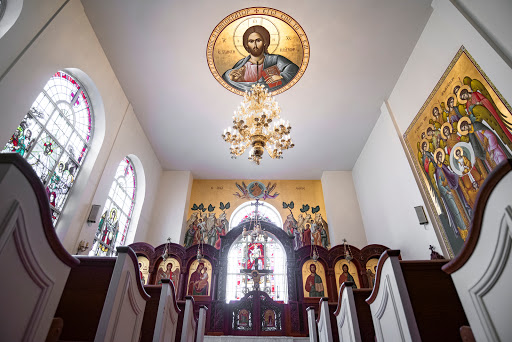
    Interior of an Orthodox church featuring an iconostasis and a grand chandelier.
  • Building

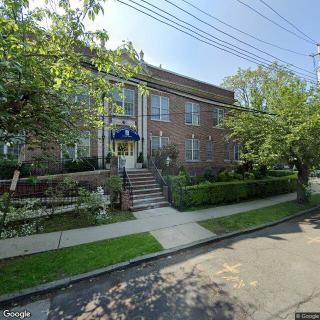
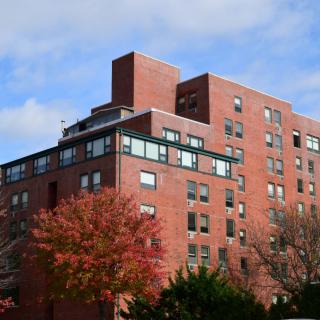
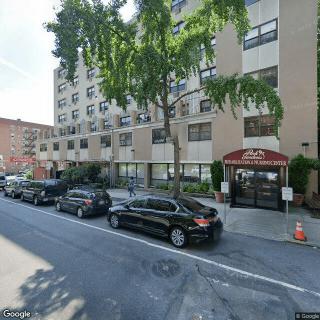
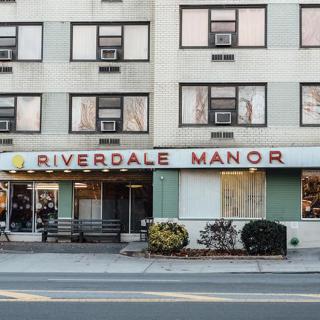
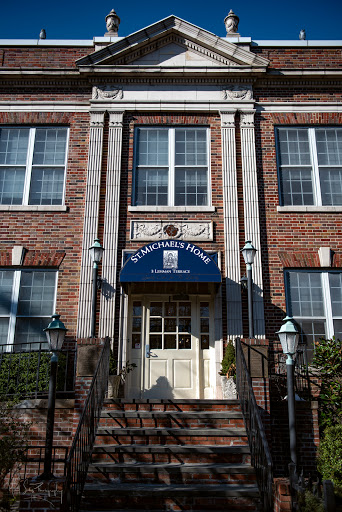
    A view of the entrance to a brick building under a clear blue sky.
  • Architecture

    The elegant entrance of a historic brick building, showcasing classic architectural features.
  • Windows

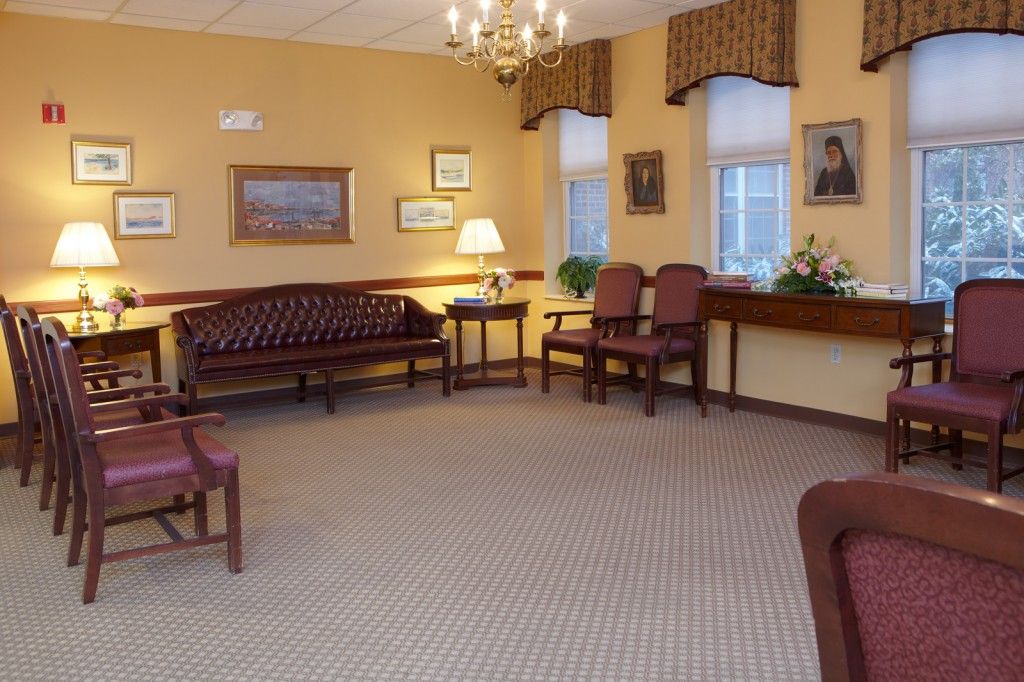
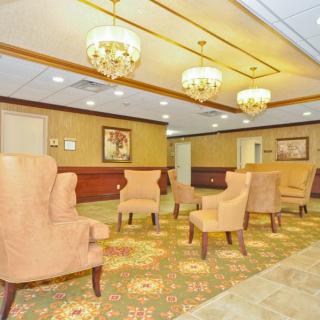
    A cozy waiting room with traditional furniture, including chairs, couches, and a table, adorned with paintings and a lamp.
  • Entrance

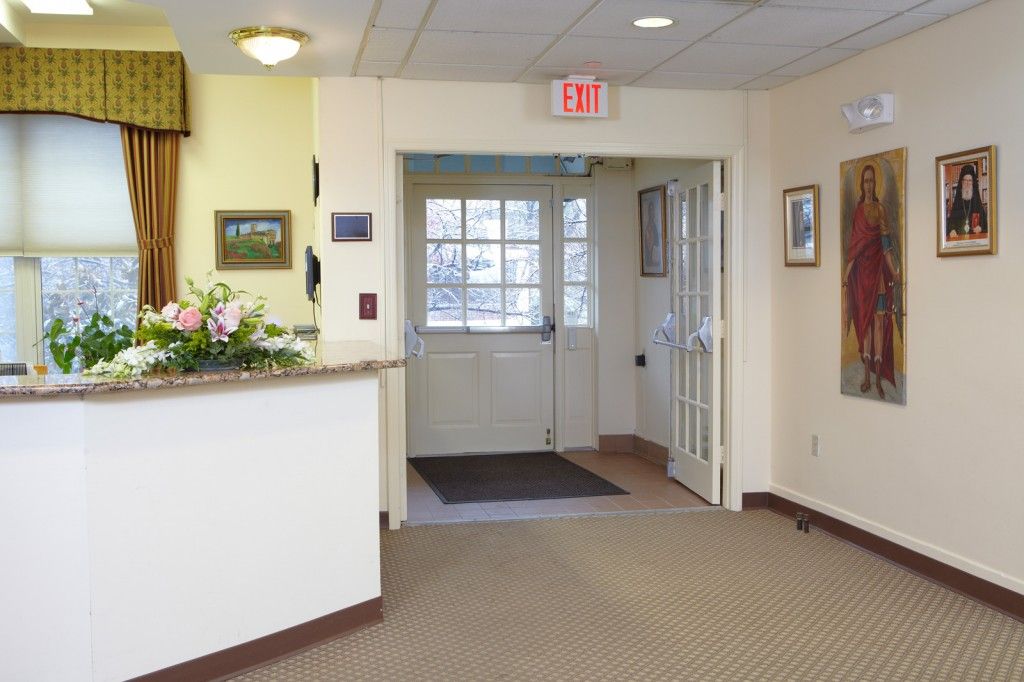
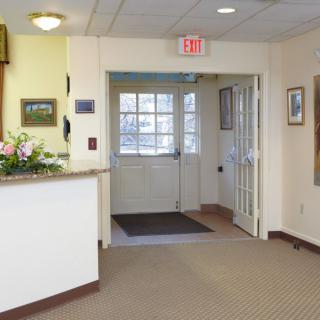
    A welcoming lobby area with a reception desk and entrance door.
  • Chandelier

    A beautifully decorated banquet hall with elegant table settings and floral centerpieces, ready for a formal event.
  • Church

    The beautiful interior of a church, showcasing religious icons and an ornate chandelier.

St Michaels Home

3 Lehman Terrace, Yonkers, NY 10705

For more information about senior living options: (844) 490-3973

4.4 from 30 reviews
5 stars
25
4 stars
0
3 stars
0
2 stars
1
1 stars
4

Assisted Living Respite Care

Overall Review of St Michaels Home

Pros

  • pro The staff at St. Michael's Home are professional, caring, and attentive to residents' needs.
  • pro The facility is organized, clean, and safe, providing a home-like environment.
  • pro Residents are treated with respect and dignity by the staff and leadership.
  • pro The Greek Orthodox chapel, Greek cuisine, holiday celebrations, and cultural activities create a loving, culturally rich community.
  • pro Administrators and staff go above and beyond to welcome new residents and ease transitions.
  • pro The care team coordinates medications and medical needs with patience and professionalism.
  • pro Families have peace of mind knowing their loved ones are in good hands at St. Michael's.
  • pro The home offers engaging activities and inviting spaces, including a dining hall, patio, recreation room, and common areas.

Cons

  • pro These people take advantage of these elderly people.
  • pro KIKI the administrator is a manipulator and a liar.
  • pro The facility failed to tell any of the biological family members, most of which are in Greece.
  • pro My aunt died alone with strangers and her proxy wasn't even there.
  • pro She was buried without any family present.
  • pro KIKI refused to talk to me when I called.
  • pro She instructed everyone there to not release anymore information.
  • pro There was certainly foul play surrounding my aunt's death.
  • pro They will take their money and as soon as their memory starts to go they will take advantage and do their best to keep you away from your family member so that they can get off with their insurance money.
  • pro Staff not allowed to talk to family members.
  • pro Yelling to consumers if they try to get up from their chair.
  • pro My mom was getting UTI because the staff wasn't taking care of her.

Review

St. Michael's Home is described by many families as more than a place of care - it is a community that honors Greek heritage, faith, and the everyday rhythms of aging with a level of organization, warmth, and attention that many residents and their loved ones deeply value. Across the testimonials, the setting itself - the clean, well-kept environment with accessible common areas, a chapel, and spaces designed for socializing and activities - consistently appears as a foundation for the positive experiences people report. Residents' families repeatedly emphasize how the facility's atmosphere feels like a nurturing extended family, where residents are treated with respect and dignity.

Several accounts center on long-standing relationships and the positive impact of the staff on daily life. One family highlighted their mother-in-law's life-affirming arc, noting that she is turning 102 in four months and that living at St. Michael's has contributed to her well-being in a life-enriching environment. The sentiment behind these remarks is that the Greek Orthodox setting, the facility's culture, and the overall environment contribute meaningfully to the residents' longevity and quality of life. The family words carry a sense of gratitude for a place that feels devoted to a specific cultural and spiritual heritage, alongside the practical care that keeps residents safe, engaged, and comfortable.

A particularly detailed and positive narrative centers on an aunt who moved to St. Michael's in January 2024 after more than five decades in her previous home. The transition is described as smooth and thoughtful, with the staff going "above and beyond" to ease the move. The resident was happy to find familiar and meaningful features - an expansive dining room, a patio, a recreation room, and a beautiful chapel. The provision for Greek Orthodox services on-site and support from clergy, including the presence of His Grace Bishop Andonios, are highlighted as significant blessings. Several staff members are singled out for their roles: Kiki, described as professional and instrumental in the admission process; Stivin, who handled financial details and helped decorate and hang icons; Peter, the cheerful voice greeting visitors; Lana, who plans engaging activities; and Patrina, the medical staff member known for her patience and attentiveness to medications and medical needs. The kitchen staff receive praise for meals and their willingness to offer alternatives when meals aren't to a resident's liking. The overall message is one of a home where a family can feel their loved one is in very good hands, with peace of mind reinforced by compassionate care and thoughtful touches that honor the resident's Greek heritage.

Other testimonials reinforce the sense that St. Michael's is a place of daily kindness and dependable routines. A separate account speaks to a father who has been there for more than two years and who now refers to St. Michael's as a "fantastic home." The writer notes that staff treat all residents like their own family, that the facility is clean and family-friendly, and that their brother's quality of life improved after moving there. The praise extends to the overall atmosphere, suggesting that the home's leadership and staff set clear expectations and foster a climate in which residents are encouraged to walk, socialize, and engage in activities while enjoying delivered meals and supportive services. This sense of a thriving, respectful community is echoed by stories from other families as well.

Cultural continuity and religious life receive emphasis in another testimonial, where a 91-year-old Greek-born mother is described as thriving in a place that feels like a loving community. The author highlights the administrators, staff, residents, and visiting family members as central to this sense of belonging. The facility's Greek identity - through daily life, celebrations of Greek holidays, Greek food, a chapel, and opportunities for worship - frames the experience as culturally meaningful as well as physically safe and socially engaging. In this view, St. Michael's offers not just care but a lived connection to heritage, faith, and community, all of which contribute to a sense of safety and happiness for residents and reassurance for their families.

Amid these largely positive voices, one review presents a starkly different experience, raising serious concerns about care and communication. The writer claims that the facility's leadership and procedures can be manipulative and secretive, citing the administrator Kiki as a confrontational figure who allegedly withheld information about the aunt's death and failed to contact biological family members who were outside the country. The reviewer argues that the proxy designation was not respected, information was not released, and attempts to communicate with the staff were met with resistance. They further allege that their aunt died alone, without family present, and describe a pattern of not being able to speak with staff or to obtain timely updates. These claims include accusations of foul play and the withholding of information as a way to manage finances or insurance, and they note that counsel is being sought. It is important to acknowledge that these are grave allegations presented by a single reviewer and that they stand in contrast to the many positive experiences shared elsewhere.

The same reviewer also reports a troubling pattern of staff-staff and staff-family interactions, including claims that staff were not allowed to talk to family members, that residents were yelled at when attempting to move, and that a resident suffered UTIs due in part to delayed assistance with bathroom needs. The narrative includes a specific instance where a resident with a medical issue was refused transport or care coordination, leading to emergency room visits and subsequent dissatisfaction with how communications were handled. In this account, a family member describes a sense of frustration and distress around how information was shared, or not shared, and questions whether appropriate care and timely notification were consistently practiced. These claims clearly conflict with the other stories of care and compassion and remind readers that experiences at elder-care facilities can be highly variable from one moment to the next, depending on staff, leadership, and the particular circumstances involved.

Despite the contrasting perspectives, the collection of reviews as a whole presents a portrait of a place that many families find deeply meaningful and beneficial for their loved ones. Athena and the staff are repeatedly recognized for prioritizing safety, especially during the COVID era, with observable adherence to state regulations and an emphasis on protecting residents and their families. The home is described as welcoming, Greek heritage is acknowledged in daily life, and the range of services - medical oversight, hairdressers, arts and crafts, and an on-site church - contributes to a comprehensive, culturally resonant living environment. For many families, St. Michael's is described as a blessing for the community and a source of ease and comfort, a place that can feel, at its best, like family taking care of family.

In conclusion, St. Michael's Home is portrayed by most reviewers as a facility that strives to balance high standards of care, cultural reverence, and a nurturing community. The overwhelmingly positive narratives emphasize impeccable organization, compassionate staff, and an environment that supports both physical well-being and spiritual and cultural life. At the same time, a single, highly critical account raises questions about communication, transparency, and the handling of sensitive family matters. Readers and prospective families are invited to consider both the strong, supportive experiences reported by many and the serious concerns raised by another reviewer, and to engage directly with the facility to understand current policies, practices, and channels for reporting concerns.

Features

Housing

  • 60 resident community capacity 60 resident community capacity

Types of Care

  • Assisted Living Assisted LivingAssisted living facilities provide crucial support and care for seniors who may need help with daily tasks such as medication management, bathing, and meal preparation. These communities offer a safe and comfortable environment where seniors can maintain their independence while receiving the assistance they need to thrive in their golden years.
  • Respite Care Respite CareRespite care provides temporary relief for caregivers, allowing them to recharge and attend to their own needs. It also gives seniors the opportunity to socialize, receive professional care, and experience a change of scenery, promoting overall well-being and reducing feelings of isolation.

Amenities

  • Air-conditioning Air-conditioningAir conditioning is important for seniors as they are more vulnerable to heat-related illnesses and may have underlying health conditions that make it difficult for them to regulate their body temperature. It helps to keep them comfortable, safe, and healthy in hot weather.
  • Beauty salon Beauty salonBeauty salons are important for seniors because they provide a space for them to feel pampered, socialize, and maintain their personal grooming and hygiene. Regular visits to a beauty salon can help boost seniors' self-esteem and overall well-being.
  • Cable or satellite TV Cable or satellite TVCable or satellite TV is important for seniors because it provides entertainment, news, and companionship, helping to combat loneliness and boredom. It also offers a wide range of programming options tailored to different interests and preferences.
  • Computer center Computer centerA computer center is essential for seniors as it provides access to technology, communication tools, and resources that can enhance their daily lives. It allows them to stay connected with loved ones, engage in online activities, and learn new skills, ultimately promoting socialization and mental stimulation.
  • Dining room Dining roomDining rooms are important for seniors as they provide a space for socialization, connection, and nutritious meals. They offer opportunities for residents to bond over shared meals, foster a sense of community, and promote healthy eating habits. Dining rooms also ensure that seniors have access to well-balanced meals tailored to their dietary needs and preferences.
  • Fitness room Fitness roomHaving a fitness room in a senior living community is essential for seniors to stay active, maintain their physical health, and improve their overall well-being. Regular exercise can help prevent falls, reduce the risk of chronic diseases, and promote mental sharpness. It also provides social opportunities for residents to connect with others and enjoy a sense of community.
  • Fully furnished Fully furnishedFully furnished senior living communities are important for seniors because they provide convenience, comfort, and a hassle-free moving experience. Seniors can easily settle into their new living space without the stress of having to buy and move furniture. This allows them to focus on enjoying their new home and community.
  • Gaming room Gaming roomGaming rooms are important for seniors as they provide a fun and engaging environment for socializing, cognitive stimulation, and physical activity. Games can improve memory, problem-solving skills, and overall mental well-being while fostering friendships and reducing feelings of isolation.
  • Garden GardenGardens are important for seniors as they provide a peaceful and therapeutic environment for relaxation, physical activity, and socialization. Being in nature has been shown to reduce stress, improve mood, and promote overall well-being. Gardens also offer opportunities for seniors to engage in gardening activities, which can improve mobility, flexibility, and cognitive function. Additionally, gardens create a sense of community and connection with others who share a passion for plants and outdoor spaces.
  • Housekeeping services Housekeeping servicesHousekeeping services are important for seniors because they help maintain a clean and safe living environment, promote independence, and reduce the risk of accidents or illnesses. Additionally, having assistance with household chores can alleviate physical strain and allow seniors to focus on other aspects of their well-being.
  • Kitchenette KitchenetteKitchenettes are important for seniors living in senior living communities because they provide the convenience and independence of being able to prepare simple meals and snacks in the comfort of their own living space. This can help promote a sense of autonomy and well-being for seniors, allowing them to maintain some level of control over their dietary choices and daily routines.
  • Move-in coordination Move-in coordinationMove-in coordination is important for seniors because it helps ease the transition into their new living environment. It ensures that all logistics, such as packing, organizing movers, and setting up utilities are taken care of, allowing seniors to focus on settling in and adjusting to their new home. Having a smooth move-in process can alleviate stress and anxiety, making the transition smoother and more enjoyable for seniors.
  • Outdoor space Outdoor spaceOutdoor spaces are important for seniors as they provide opportunities for physical activity, social interaction, exposure to natural light and fresh air, and a sense of connection to nature. Having access to outdoor spaces can improve overall well-being and quality of life for older adults living in senior communities.
  • Private bathrooms Private bathroomsPrivate bathrooms are important for seniors in senior living communities because they provide independence, dignity, and comfort. Having a private bathroom allows seniors to maintain their personal hygiene routines without the need for assistance, promoting a sense of autonomy and privacy. Additionally, private bathrooms help prevent the spread of infections and provide a safe and clean environment for seniors to navigate safely.
  • Restaurant-style dining Restaurant-style diningRestaurant-style dining is important for seniors because it allows them to enjoy delicious, nutritious meals in a social and upscale setting. This enhances their dining experience, promotes healthy eating habits, and fosters socialization with fellow residents, ultimately contributing to their overall well-being and quality of life.
  • Small library Small librarySmall libraries are important for seniors as they provide access to a variety of reading materials, including books, newspapers, and magazines. This can help stimulate their minds, keep them engaged, and provide a sense of community through book clubs and other social activities. Additionally, reading has been shown to improve cognitive function and overall mental well-being in older adults.
  • Telephone TelephoneTelephones are important for seniors as they provide a lifeline for communication with loved ones, emergency services, and healthcare providers. They offer a sense of security and independence, enabling seniors to stay connected and access assistance when needed.
  • Wellness center Wellness centerWellness centers are important for seniors because they offer a variety of programs and services that promote physical, mental, and emotional well-being. These centers provide opportunities for exercise, socialization, education, and relaxation, helping seniors maintain their overall health and quality of life.
  • Wi-Fi/high-speed internet available Wi-Fi/high-speed internet availableWi-Fi/high-speed internet is important for seniors to stay connected with loved ones, access online resources, and participate in virtual activities to combat feelings of loneliness and isolation. It also allows them to easily manage healthcare needs, access entertainment, and engage in lifelong learning opportunities.

Transportation

  • LaGuardia (10 miles away) LaGuardia (10 miles away)
  • Westchester Cty (15 miles away) Westchester Cty (15 miles away)
  • John F Kennedy International (20 miles away) John F Kennedy International (20 miles away)
  • Newark International (21 miles away) Newark International (21 miles away)
  • Community operated transportation Community operated transportationCommunity operated transportation is crucial for seniors as it provides them with the means to access essential services, social activities, and medical appointments. It allows seniors to maintain their independence and quality of life by ensuring they can participate in activities outside of their homes. Additionally, community-operated transportation services offer a safe and reliable way for seniors to travel without having to rely on family or friends for assistance.
  • Transportation arrangement Transportation arrangementTransportation arrangements are crucial for seniors as they may face challenges with driving, mobility, or access to public transportation. Having reliable transportation services ensures that seniors can easily attend appointments, social activities, and maintain their independence and quality of life.
  • Transportation arrangement (non-medical) Transportation arrangement (non-medical)Transportation arrangements are essential for seniors as they provide access to essential services, activities, and social interactions outside the home. This service helps maintain independence, mobility, and overall well-being for seniors who may have limited transportation options.
  • Transportation to doctors appointments Transportation to doctors appointmentsTransportation to doctors appointments is crucial for seniors as it ensures they have access to necessary medical care and support, promoting their health and well-being. It allows them to receive timely treatment, monitor existing conditions, and address any new health concerns efficiently. Additionally, transportation services can help seniors maintain their independence and quality of life by enabling them to stay connected with their healthcare providers.

Care Services

  • 12-16 hour nursing 12-16 hour nursing12-16 hour nursing care is crucial for seniors in order to ensure around-the-clock monitoring, timely medication administration, and prompt response to any health concerns or emergencies. This level of care helps to promote the overall well-being and safety of seniors living in senior living communities.
  • 24-hour call system 24-hour call system24-hour call systems are important for seniors because they provide peace of mind and immediate assistance in case of emergencies. This technology ensures that help is always available, promoting safety and security for elderly individuals living alone or in assisted living facilities.
  • 24-hour supervision 24-hour supervision24-hour supervision is important for seniors to ensure their safety, well-being, and access to immediate assistance in case of emergencies or health issues. This constant support provides peace of mind for both seniors and their loved ones, allowing them to age in place with dignity and security.
  • Activities of daily living assistance Activities of daily living assistanceActivities of daily living assistance are important for seniors because they provide essential support with tasks such as eating, bathing, dressing, and mobility. This assistance helps seniors maintain their independence, dignity, and overall quality of life as they age.
  • Assistance with bathing Assistance with bathingAssistance with bathing is crucial for seniors as it helps maintain personal hygiene, prevents infections, and ensures their overall well-being and comfort. It also provides a sense of dignity and independence for seniors who may struggle with this task on their own.
  • Assistance with dressing Assistance with dressingAssistance with dressing is important for seniors because it helps maintain their independence, promotes personal hygiene, prevents accidents and injuries, and improves overall quality of life. This service ensures that seniors can continue to dress comfortably and confidently, despite any physical limitations they may have.
  • Assistance with transfers Assistance with transfersAssistance with transfers is crucial for seniors as it helps prevent falls and injuries, maintains their independence, and ensures they can safely navigate their living environment. It also provides peace of mind for both seniors and their loved ones.
  • Diabetes diet Diabetes dietA diabetes diet is crucial for seniors as it helps manage blood sugar levels, reduce risks of complications, and improve overall health and well-being. By following a balanced and nutritious diet tailored to their specific needs, seniors can better control their diabetes and enhance their quality of life.
  • Meal preparation and service Meal preparation and serviceMeal preparation and service are crucial for seniors as they may have limited mobility or energy to cook nutritious meals. Having access to healthy and convenient food options can ensure they are getting the proper nutrition needed to maintain their overall health and well-being.
  • Medication management Medication managementMedication management is crucial for seniors to ensure they are taking the right medications at the correct dosages and times. This helps prevent adverse drug interactions, reduces the risk of medication errors, and promotes overall health and well-being. Proactive management also allows for adjustments as needed based on changing health conditions or new prescriptions.
  • Mental wellness program Mental wellness programMental wellness programs are essential for seniors as they promote cognitive stimulation, emotional support, and social engagement. These programs help prevent isolation, depression, and cognitive decline, ultimately enhancing the overall quality of life for older adults.
  • Special dietary restrictions Special dietary restrictionsSpecial dietary restrictions are important for seniors because age-related changes in metabolism and health conditions can make it difficult for their bodies to process certain foods. By following a diet tailored to their specific needs, seniors can maintain their overall health and well-being, manage chronic conditions, and reduce the risk of complications such as malnutrition or food interactions with medications.

Dining

  • Diabetes diet Diabetes dietA diabetes diet is crucial for seniors as it helps manage blood sugar levels, reduce risks of complications, and improve overall health and well-being. By following a balanced and nutritious diet tailored to their specific needs, seniors can better control their diabetes and enhance their quality of life.
  • Special dietary restrictions Special dietary restrictionsSpecial dietary restrictions are important for seniors because age-related changes in metabolism and health conditions can make it difficult for their bodies to process certain foods. By following a diet tailored to their specific needs, seniors can maintain their overall health and well-being, manage chronic conditions, and reduce the risk of complications such as malnutrition or food interactions with medications.

Activities

  • Community-sponsored activities Community-sponsored activitiesCommunity-sponsored activities are important for seniors as they provide opportunities for social interaction, mental stimulation, and physical activity. These activities can help improve overall well-being, combat loneliness and isolation, and promote a sense of belonging and purpose among older adults.
  • Concierge services Concierge servicesConcierge services are essential for seniors as they provide assistance with daily tasks and errands, enhance their quality of life by offering convenience and personalized care, and promote a sense of safety and security.
  • Fitness programs Fitness programsFitness programs are crucial for seniors as they help improve strength, flexibility, balance, and overall well-being. Staying active can reduce the risk of chronic diseases, improve mental health, and enhance quality of life in older adults.
  • Planned day trips Planned day tripsPlanned day trips are important for seniors because they offer opportunities for socialization, mental stimulation, and physical activity. They provide a change of scenery and help seniors stay engaged and connected to their community, promoting overall well-being and quality of life.
  • Resident-run activities Resident-run activitiesResident-run activities are important for seniors as they encourage social interaction, creativity, and a sense of autonomy. These activities empower seniors to stay engaged and active in their community while fostering meaningful connections with their peers.
  • Scheduled daily activities Scheduled daily activitiesScheduled daily activities are important for seniors because they provide structure, socialization, mental stimulation, and physical activity. Engaging in regular activities can improve overall well-being and quality of life for seniors living in a community setting.

Description

St Michaels Home in Yonkers, NY is an assisted living community that specializes in respite care. We offer a variety of amenities to ensure our residents' comfort and well-being. Our community features a beauty salon where residents can get their hair styled or enjoy other pampering services. Residents can also relax and watch their favorite shows on the cable or satellite TV provided in their fully furnished rooms.

Transportation is made easy with our community-operated transportation services, which can arrange both non-medical transportation and trips to doctors appointments. Residents can also make use of our computer center and Wi-Fi/high-speed internet to stay connected with loved ones or pursue personal interests online.

Staying active and engaged is important at St Michaels Home, which is why we provide various recreational facilities such as a fitness room, gaming room, and small library. Our residents can participate in scheduled daily activities planned by our dedicated staff or organize their own resident-run activities. For those who prefer the outdoors, we have a beautiful garden and outdoor space where they can relax and enjoy nature.

Our care services are designed to meet the individual needs of each resident. With 24-hour call system and supervision, residents can rest assured that help is always available whenever they need it. Assistance with activities of daily living, bathing, dressing, transfers, and medication management are provided by our trained caregivers. We also cater to special dietary restrictions such as Diabetes diet or other specific dietary needs.

Meals are served restaurant-style in our dining room where residents can enjoy delicious food prepared by our skilled chefs. Our mental wellness program ensures that the emotional well-being of our residents is taken care of alongside their physical health.

St Michaels Home is conveniently located near parks, pharmacies, physicians' offices, restaurants, transportation options, places of worship, and hospitals. This ensures easy access to healthcare facilities as well as opportunities for outings and socialization within the surrounding community.

At St Michaels Home in Yonkers, NY, we strive to create a comfortable and supportive environment for our residents. With a range of amenities, care services, dining options, and activities available, we are dedicated to providing exceptional care and enhancing the quality of life for all our residents.

Nearby Places of Interest

Transportation

  • Metro North - Riverdale Station (0.9 miles)
  • MTA Subway - Inwood/207th St (3.3 miles)
  • MTA Subway - Fordham Rd (3.6 miles)
  • Metro North - Mt Vernon East Train Station (3.7 miles)
  • MTA Fordham Metro-North Station (3.7 miles)
  • MTA Subway - Dyckman St (3.9 miles)
  • Metro North - Bronxville Train Station (3.9 miles)

Parks

  • Riverdale Park (1.5 miles)
  • Inwood Hill Park (3.1 miles)
  • Flat Rock Brook Nature Center (4.5 miles)
  • Uniontown Playground (5 miles)
  • J. Hood Wright Park (5.1 miles)
  • St Nicholas Park (6.8 miles)
  • Tallman Mountain State Park (6.9 miles)

Places of Worship

  • The Riverdale Minyan (1.7 miles)

Pharmacies

  • Rite Aid (2 miles)
  • CVS Pharmacy (2 miles)
  • Walgreens (3.5 miles)
  • CVS Pharmacy (3.6 miles)
  • CVS Pharmacy (3.9 miles)
  • Walgreens (4.4 miles)
  • CVS Pharmacy (5.1 miles)

Restaurants

  • Last Stop Bar & Grill (2.7 miles)
  • McDonald's (4.4 miles)
  • McDonald's (5 miles)
  • McDonald's (5.3 miles)
  • Kura Revolving Sushi Bar (5.3 miles)
  • Harvest on Hudson (5.9 miles)
  • The River Palm Terrace (6.1 miles)

Hospitals

  • NewYork-Presbyterian Allen Hospital (2.9 miles)
  • Bronx VA Medical Center (3.3 miles)
  • St Barnabas Hospital (4.2 miles)
  • Russ Berrie Medical Science Pavilion (5.5 miles)
  • Milstein Hospital Building (5.5 miles)
  • Montefiore New Rochelle Hospital (6 miles)
  • Holy Name Medical Center (6.1 miles)

Physicians

  • Park Medical Group PA (3.2 miles)
  • Morgan Stanley Children's Hospital (5.6 miles)
  • Kayal Orthopedic - Westwood (7.7 miles)

Theaters

  • AMC Bay Plaza Cinema 13 (5.1 miles)
  • Alamo Drafthouse Yonkers (6.2 miles)
  • AMC DINE-IN Shops At Riverside 9 (6.7 miles)

Cafes

  • Starbucks (6.1 miles)
  • Starbucks (6.3 miles)
  • Cafe Zeppieri (6.9 miles)
  • Starbucks (7.2 miles)
  • Bogota Press Cafe (7.6 miles)
  • Kuppi Coffee Company (7.6 miles)
  • Starbucks (8.2 miles)

Frequently Asked Questions

Where is St Michaels Home?
What photos are available for St Michaels Home in Yonkers, New York?

Nearby Communities

Related Resources

  • activities of daily livingComprehensive Insights into Activities of Daily Living (ADLs) and Their Assessment

    Activities of Daily Living (ADLs) are fundamental tasks vital for an individual's independence, particularly in older adults over 85, and include functions like bathing and dressing; assessing ADLs alongside Instrumental Activities of Daily Living (IADLs) helps determine the level of required assistance due to age-related health challenges. Tailored support plans, involving family and community resources, are essential for maintaining dignity and autonomy in assisted living environments.

  • does medicare pay for assisted livingMedicare Coverage for Assisted Living: An In-Depth Exploration

    Medicare does not cover assisted living costs, as it focuses on acute medical needs and short-term care, with exceptions for certain medically necessary services like physical therapy. Individuals must explore other options such as Medicaid, veterans' benefits, or long-term care insurance to manage these expenses effectively.

  • assisted living vs nursing homeChoosing the Right Senior Care: A Detailed Exploration of Assisted Living and Nursing Homes
    Choosing between assisted living and nursing homes involves evaluating emotional and financial factors, with assisted living offering independence and support for daily activities at a lower cost, while nursing homes provide intensive medical care for individuals with significant health needs. The decision is influenced by personal preferences, health status, cognitive function, and varying Medicaid coverage across states.