Westchester Center For Independent And Assisted Living Costs & Pricing
At Westchester Center for Independent and Assisted Living, the monthly costs for accommodations reflect a competitive positioning within both Westchester County and the broader New York state landscape. For a semi-private room, residents can expect to pay $5,000 per month, which is notably lower than the county average of $5,983 but slightly above the state average of $4,389. In comparison, studio apartments are offered at $5,500 per month - again more affordable than Westchester County's average of $5,326 while still exceeding the typical state cost of $4,532. This pricing structure indicates that Westchester Center provides an attractive option for those seeking quality independent or assisted living services in a region where costs can be considerably high.
Floor plans
Westchester Center For Independent And Assisted Living
Westchester County
New York
Semi-Private
$5,000
$5,983
$4,389
Studio
$5,500
$5,326
$4,532
Assisted Living communities with a similar price nearby
Overall Review of Westchester Center For Independent And Assisted Living
common30 reviews mention this
Staff care and responsiveness stand out
Residents and families consistently describe staff as caring, kind, and responsive.
Across the reviews, families highlight staff warmth, helpfulness, and follow-through when they’re dealing with day-to-day needs. Multiple reviewers also describe communication that helps families feel comfortable, along with staff members who seem to know residents well by name. Residents and families mention supportive help from caregivers and nurses, and several say the community helped during transitions or changes in health.
common14 reviews mention this
Cleanliness is a frequent point
Many reviewers say the community stays clean and well maintained.
A large share of reviewers praise the facility as clean, bright, and well kept, often mentioning rooms and common areas. A few reviews also contrast this with other places they’ve seen, describing the environment as more comfortable day to day. There are also negative cleanliness-related comments, including complaints about pests and rooms described as dirty, so expectations can vary.
common8 reviews mention this
Activities keep residents engaged
Residents commonly mention activities, recreation, and outings.
Several reviews say residents are participating rather than staying idle, with references to recreation staff, movie nights, and group activities in shared spaces. Families also describe planned routines like supermarket trips and day-to-day social time. A few reviewers mention a desire for more activity programming or ongoing engagement, which adds a note to how consistently activities meet everyone’s needs.
caveat3 reviews mention this
Medication and safety concerns recur
Some reviews raise serious concerns about medication handling.
While many families are pleased with care, a handful of reviews describe medication problems, including wrong medication administration and insulin-related issues. Those same reviews express that families felt the concerns weren’t handled quickly or effectively. Because these accounts involve patient safety, it’s worth asking specific questions about medication management processes before committing.
caveat4 reviews mention this
Food, routines, and environment concerns
A few reviews describe issues with food options and building conditions.
Some negative reviews mention meal preferences or dietary limitations, including concerns about low-salt options. Other complaints involve building conditions such as pests and no-heat periods, which can directly affect comfort and safety. On the positive side, many families praise meals and supportive routines, so these complaints appear inconsistent across reviews.
How we summarize
Counts show how many written reviews mention each theme; a review can touch several themes, and only frequently mentioned themes are displayed.
Features
Housing
195 resident community capacity
Types of Care
Assisted Living
Respite Care
Amenities
Activities off-site
Activities on-site
Air-conditioning
Beautician on-site
Beauty salon
Cable or satellite TV
Computer center
Devotional services off-site
Devotional services on-site
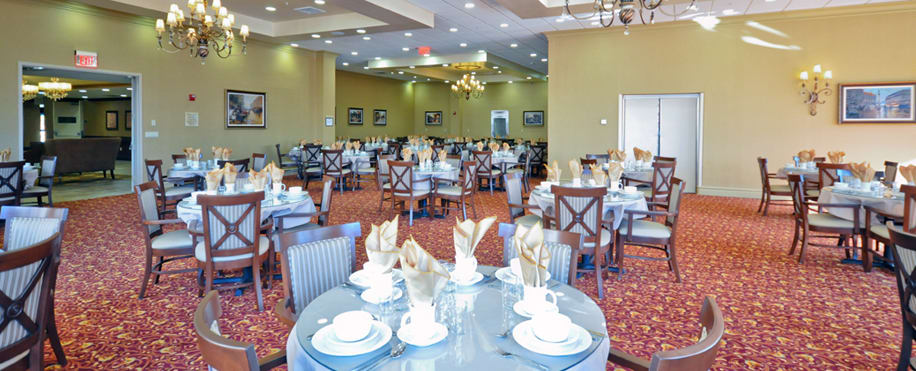
Dining room
Fitness room
Fully furnished
Gaming room
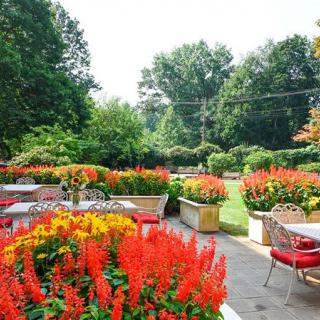
Garden
Housekeeping services
Indoor common areas
Kitchenette
Move-in coordination
Outdoor common areas
Outdoor space
Private bathrooms
Restaurant-style dining
Small library
Telephone
Wellness center
Wheelchair accessible showers
Wi-Fi/high-speed internet available
Transportation
LaGuardia (11 miles away)
Westchester Cty (12 miles away)
John F Kennedy International (22 miles away)
Newark International (23 miles away)
Community operated transportation
Transportation arrangement
Transportation arrangement (non-medical)
Transportation to doctors appointments
Care Services
12-16 hour nursing
24-hour call system
24-hour supervision
Activities of daily living assistance
Ambulatory care
Assistance with bathing
Assistance with dressing
Assistance with transfers
Diabetes diet
Diabetic care
Meal preparation and service
Medication management
Mental wellness program
Special dietary restrictions
Dining
Diabetes diet
Meals provided
Special dietary restrictions
Activities
Activities off-site
Activities on-site
Community-sponsored activities
Concierge services
Devotional activities offsite
Devotional activities on-site
Fitness programs
Planned day trips
Resident-run activities
Scheduled daily activities
Nearby Places of Interest
This part of Yonkers, New York, offers a convenient and vibrant community for senior living. With multiple pharmacies, transportation options including nearby train stations, parks for leisurely strolls, a variety of restaurants to enjoy meals, cafes for socializing, theaters for entertainment, places of worship for spiritual fulfillment, and reputable physicians and hospitals for medical needs. The area provides easy access to essential services and amenities that cater to the needs of older adults looking for a comfortable and active lifestyle.
Pharmacies
CVS Pharmacy (1.6 miles)
Value Drugs Eastchester (3.2 miles)
CVS Pharmacy (3.2 miles)
CVS Pharmacy (3.4 miles)
Rite Aid (4.1 miles)
CVS Pharmacy (4.3 miles)
CVS Pharmacy (4.4 miles)
Transportation
Metro North - Bronxville Train Station (2.2 miles)
Metro North - Mt Vernon East Train Station (3.2 miles)
Metro North - Riverdale Station (3.2 miles)
Pelham Station (4.2 miles)
Metro North - Dobbs Ferry Train Station (4.8 miles)
MTA Subway - Inwood/207th St (5.6 miles)
MTA Fordham Metro-North Station (5.6 miles)
Parks
Uniontown Playground (2.8 miles)
Riverdale Park (3.8 miles)
Tallman Mountain State Park (5.3 miles)
Inwood Hill Park (5.4 miles)
Memorial Park (6.2 miles)
Hart's Brook Park & Preserve (6.6 miles)
Flat Rock Brook Nature Center (6.7 miles)
Restaurants
Last Stop Bar & Grill (3.1 miles)
Harvest on Hudson (3.9 miles)
Serafina (4.2 miles)
McDonald's (4.7 miles)
Hudson Social (4.8 miles)
The 9W Market (5.3 miles)
The Filling Station (5.3 miles)
Cafes
Starbucks (3.8 miles)
Starbucks (4.2 miles)
Starbucks (4.9 miles)
Cafe Zeppieri (6.3 miles)
Starbucks (6.6 miles)
Starbucks (8.1 miles)
State Of The Art Coffee (8.3 miles)
Theaters
Alamo Drafthouse Yonkers (3.9 miles)
AMC Bay Plaza Cinema 13 (5.9 miles)
AMC DINE-IN Shops At Riverside 9 (8.3 miles)
Places of Worship
The Riverdale Minyan (4 miles)
Physicians
Park Medical Group PA (4.3 miles)
Babra Saeed (7.3 miles)
Kayal Orthopedic - Westwood (7.8 miles)
Orangetown Pediatric Associates (7.8 miles)
Morgan Stanley Children's Hospital (7.8 miles)
Northeast Orthopedics & Sports Medicine - Orangeburg (8 miles)
Dickstein Cancer Treatment Center (8.2 miles)
Hospitals
Montefiore New Rochelle Hospital (5.1 miles)
NewYork-Presbyterian Allen Hospital (5.1 miles)
Bronx VA Medical Center (5.4 miles)
St Barnabas Hospital (6.2 miles)
Russ Berrie Medical Science Pavilion (7.8 miles)
Hackensack Meridian Health Pascack Valley Medical Center (7.8 miles)
At Westchester Center for Independent and Assisted Living, the monthly costs for accommodations reflect a competitive positioning within both Westchester County and the broader New York state landscape. For a semi-private room, residents can expect to pay $5,000 per month, which is notably lower than the county average of $5,983 but slightly above the state average of $4,389. In comparison, studio apartments are offered at $5,500 per month - again more affordable than Westchester County's average of $5,326 while still exceeding the typical state cost of $4,532. This pricing structure indicates that Westchester Center provides an attractive option for those seeking quality independent or assisted living services in a region where costs can be considerably high.
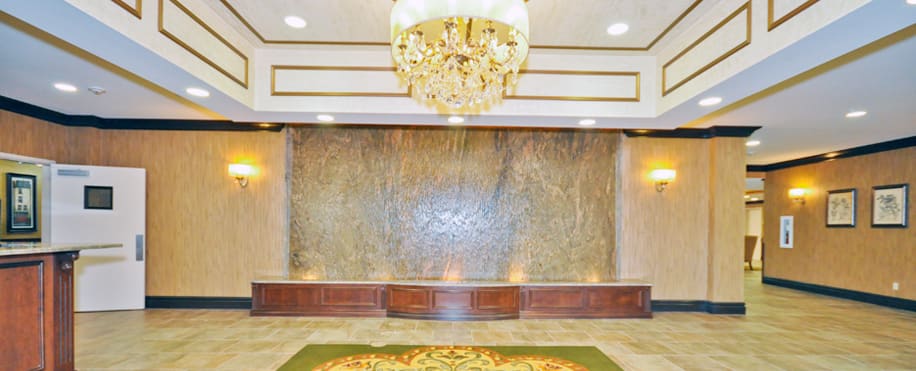
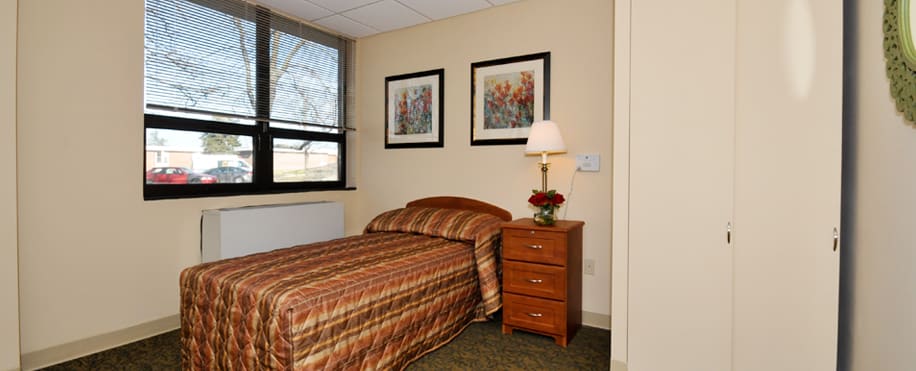
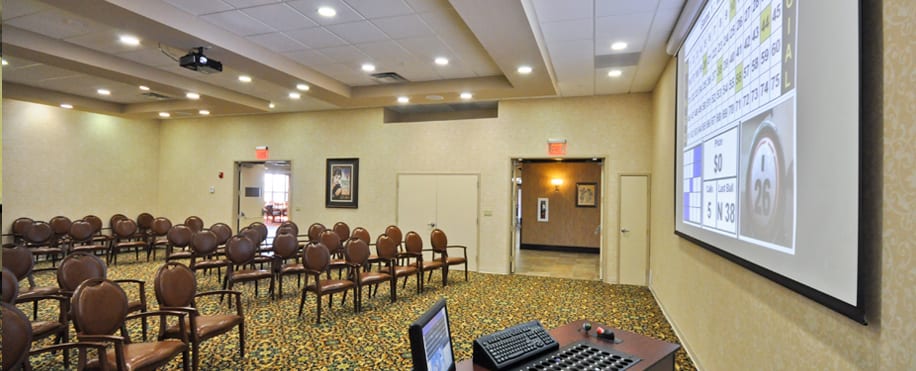
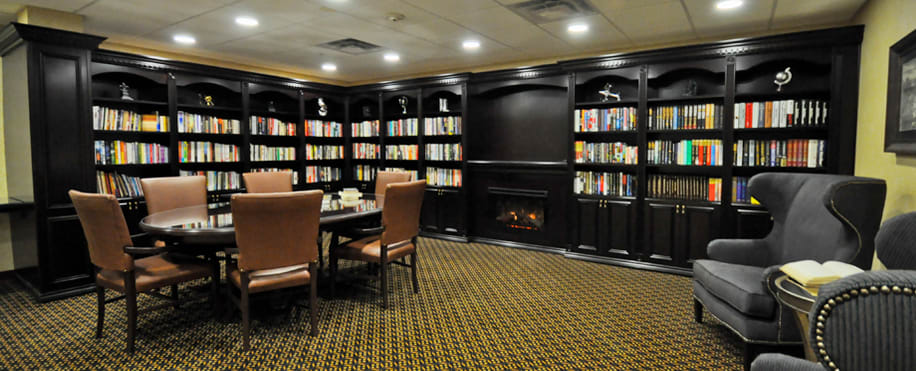
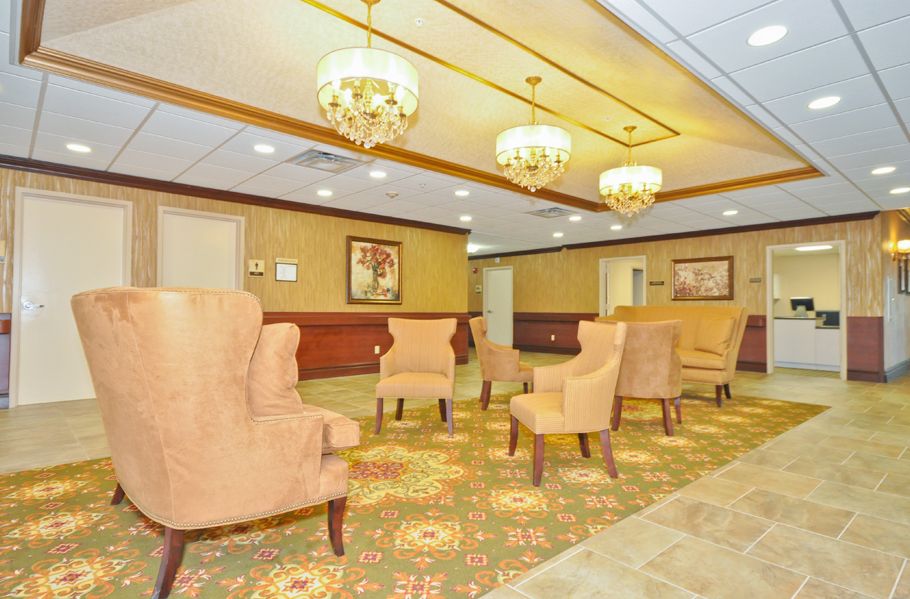
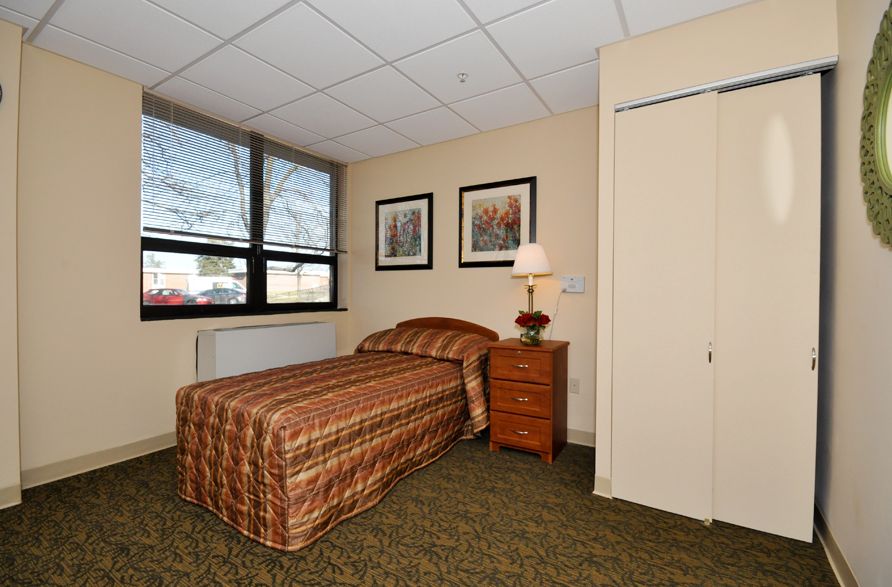
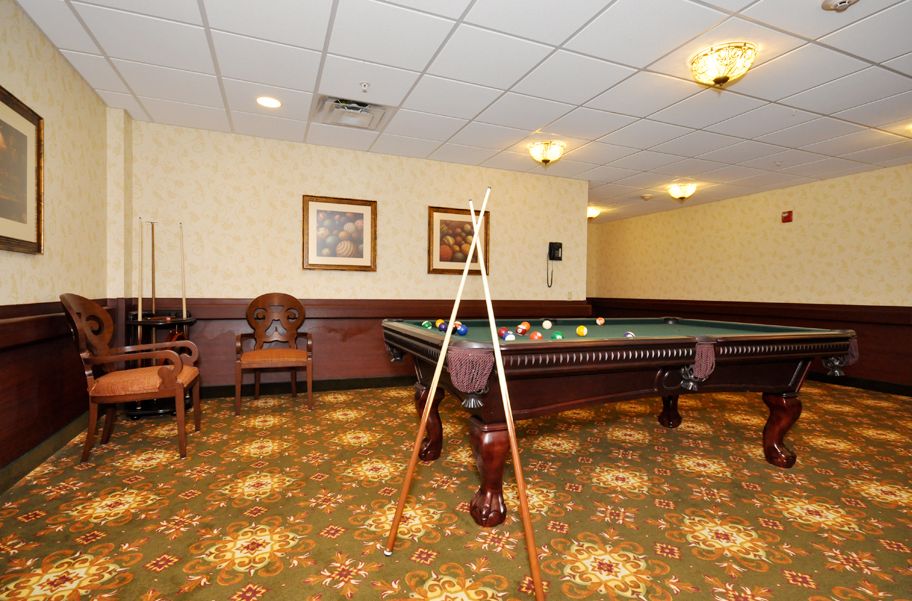
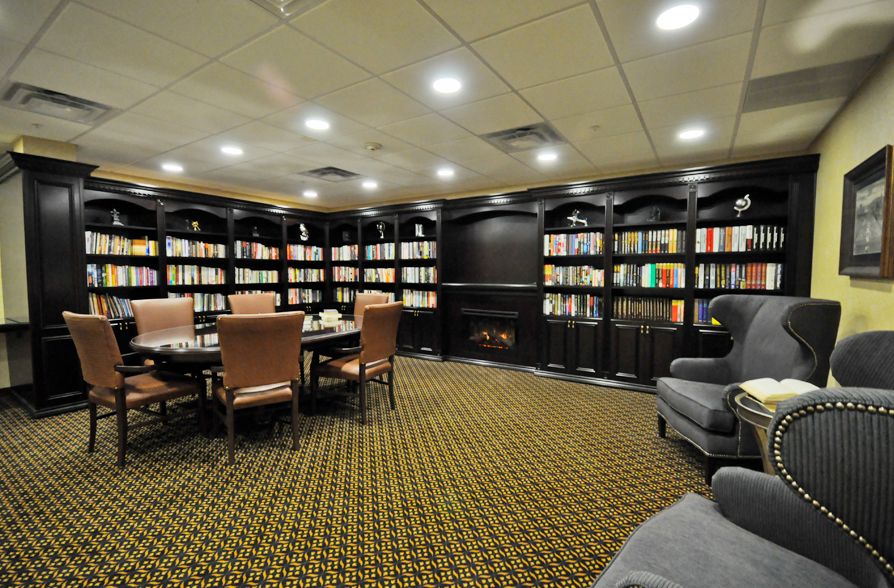
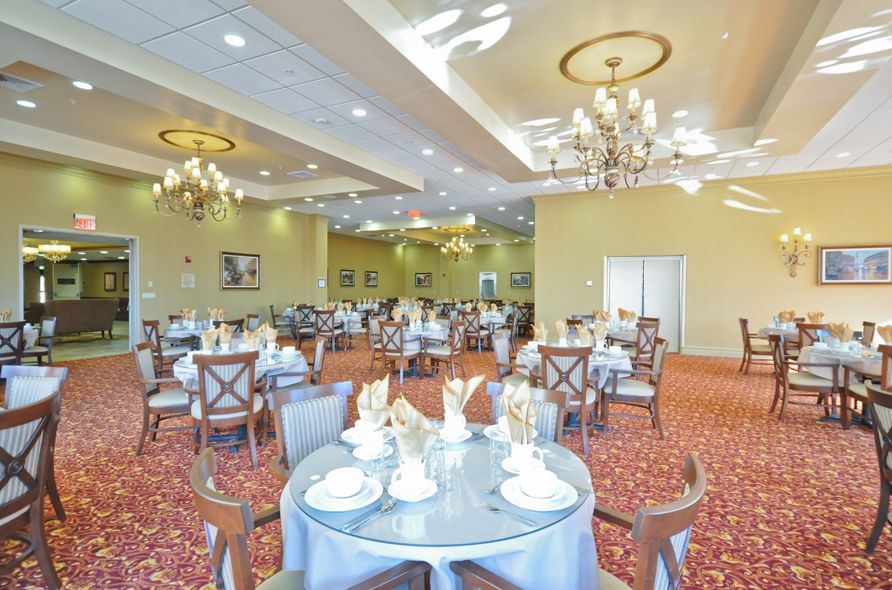
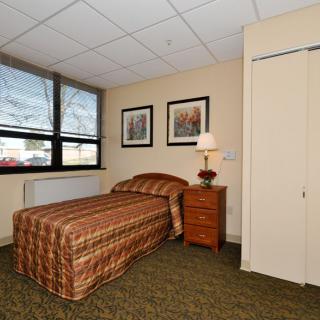
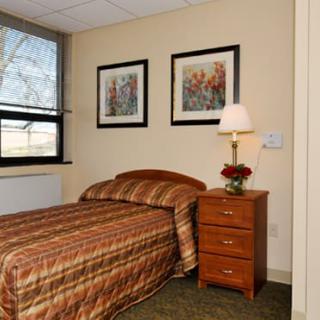
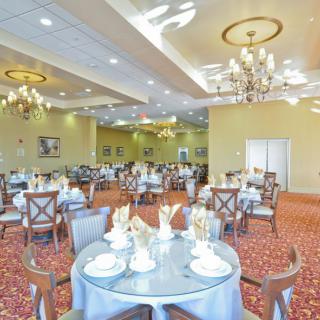
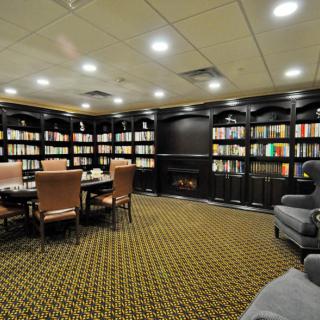
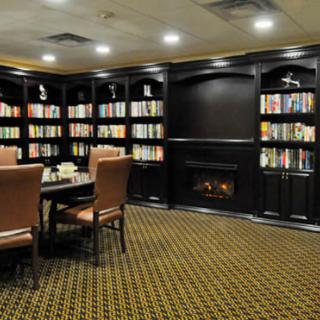
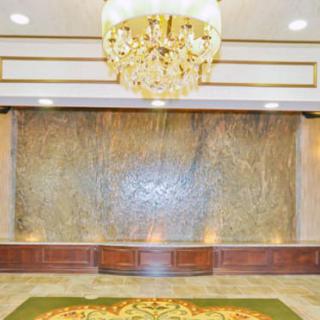
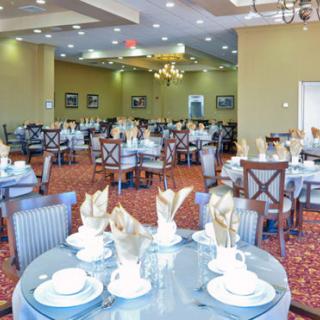
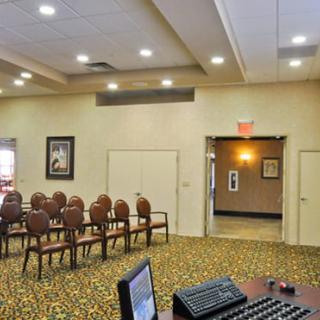
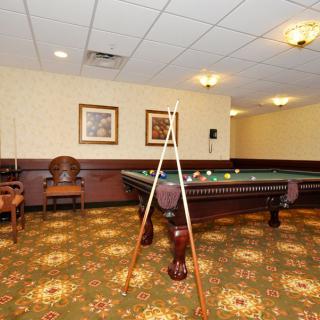
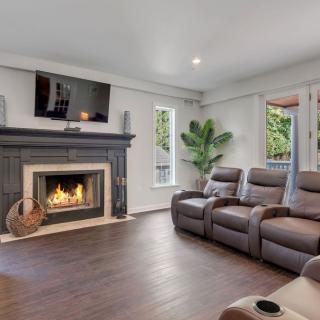
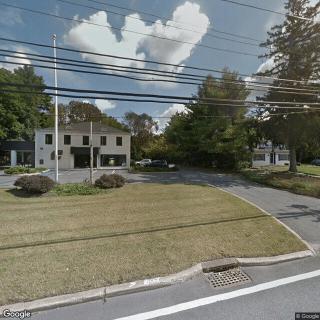
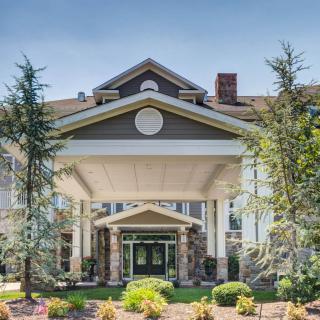
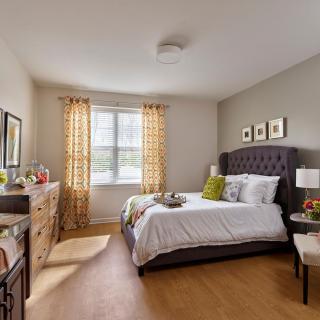
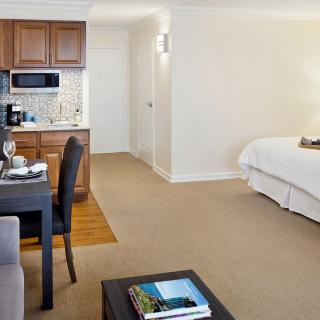
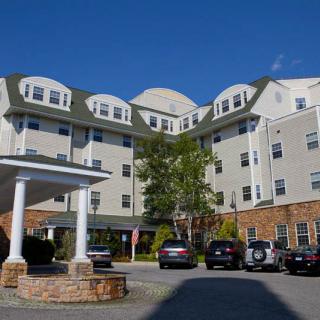
Westchester Center For Independent And Assisted Living on seniors.fyi includes 11 photos including images showing interior, chandelier, bedroom, dining, lobby, library, windows, billiards, and more.
Nearby Communities
Home For Aged Blind
Yonkers, NY
4.6 from 77 reviews
Well-connected location with easy access to amenities and transportation for visually impaired seniors.
Trinity Senior Apartments
Yonkers, NY
4.8 from 6 reviews
$855 to $915 / month
Pricing is notably lower than regional and state averages.
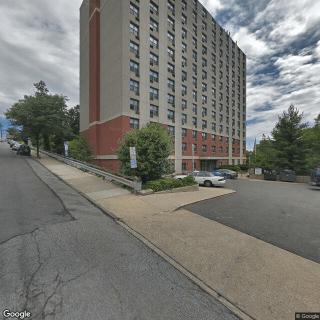
Finian Sullivan Tower
Yonkers, NY
1 from 2 reviews
Strong nearby dining, parks, pharmacies, transit, and cultural options.
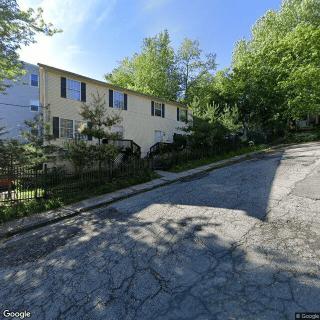
Kubasek-Trinity Manor
Yonkers, NY
5 from 3 reviews
Experienced, thoughtful staff with good communication; clean environment and satisfying meals.
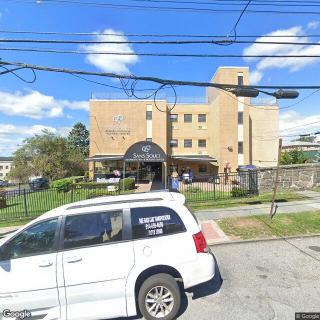
Sans Souci Rehabilitation And Nursing Center
Yonkers, NY
4.7 from 131 reviews
Friendly staff, clean rooms, and engaging activities.
Regency Extended Care Center
Yonkers, NY
1.7 from 6 reviews
Some residents report appropriate care during their stay.
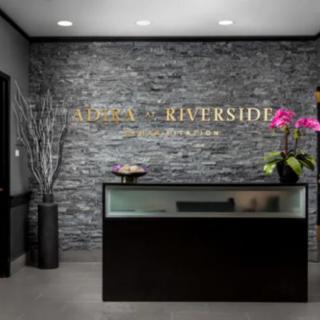
Adira At Riverside Rehabilitation And Nursing
Yonkers, NY
3.9 from 133 reviews
Strong respiratory and rehab teams with attentive staff in a clean, well-kept facility.
Five Star Premier Residences Of Yonkers
Yonkers, NY
4.3 from 106 reviews
$4,500 to $6,700 / month
Friendly staff in a clean, attractive facility with engaging activities.
The Fountains at RiverVue
Tuckahoe, NY
4.6 from 141 reviews
$5,195 to $7,495 / month
Friendly, attentive staff in a clean, engaging environment.
Assisted living facilities provide support for older adults needing help with daily activities without extensive medical care, but their costs can be high and vary by location and services offered. Families often seek various funding options and financial strategies to manage these expenses effectively while considering future needs and potential price increases.
The article discusses assisted living expenses, the importance of long-term care insurance in covering these costs, and various financing options, highlighting the need for careful policy review and early planning to address potential needs. It also clarifies common misconceptions about Medicare and private health insurance limitations regarding long-term care coverage.
Assisted living facilities offer crucial support for older adults needing help with daily activities but come with varying and significant costs, which can be financed through personal savings, government assistance programs, long-term care insurance, and home equity options. Professional guidance from experts can aid families in navigating these financial complexities to establish a sustainable budgeting approach for assisted living services.
Westchester Center For Independent And Assisted Living photos
×
Interior
Bedroom
Windows
Dining
Lighting
Fireplace
Lobby
Chandelier
Conference Room
Billiards
Interior
Bedroom and Windows
Dining
Lighting and Reading Room
Artwork
Chandelier
Fireplace and Bookshelves
Seating Area
Lobby
Library
Billiards
Conference Room, Meeting Space, and Doors
Closet
Place Settings
Get PricingAsk A QuestionSchedule A TourContact Senior Advisor
By clicking submit, you agree to our Partner's Terms of Use. You
also consent to receive calls and texts, which may be autodialed, from our Partner. Your consent is not a condition to
using our Partner's service. Please visit our Partner's Privacy Policy for information about their privacy practices.

 195 resident community capacity
 Assisted Living
 Respite Care
 Activities off-site
 Air-conditioning
 Beautician on-site
 Cable or satellite TV
 Computer center
 Devotional services off-site
 Dining room
 Fitness room
 Fully furnished
 Gaming room
 Garden
 Housekeeping services
 Indoor common areas
 Kitchenette
 Move-in coordination
 Outdoor common areas
 Private bathrooms
 Restaurant-style dining
 Small library
 Telephone
 Wellness center
 Wheelchair accessible showers
 Wi-Fi/high-speed internet available
 LaGuardia (11 miles away)
 Community operated transportation
 12-16 hour nursing
 24-hour call system
 Ambulatory care
 Assistance with bathing
 Assistance with dressing
 Assistance with transfers
 Diabetes diet
 Diabetic care
 Medication management
 Mental wellness program
 Special dietary restrictions
 Concierge services
 Planned day trips
 Well-connected location with easy access to amenities and transportation for visually impaired seniors.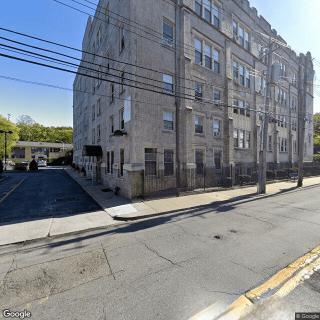

 Funding and Affording Assisted Living: A Thorough Overview
 Assisted Living Expenses and Long-Term Care Insurance: A Comprehensive Exploration
 Securing Financial Support for Assisted Living: A Comprehensive Overview