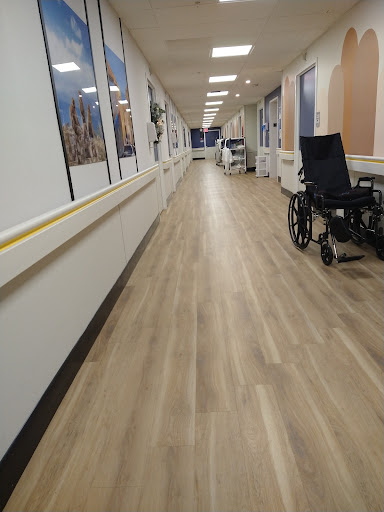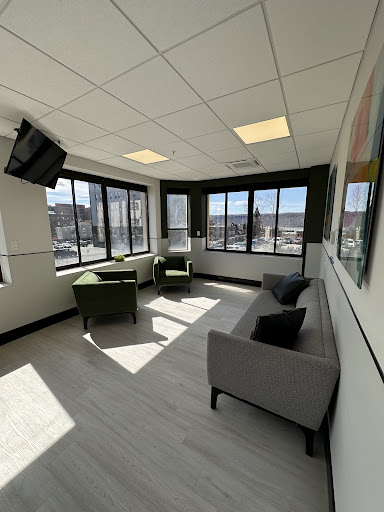

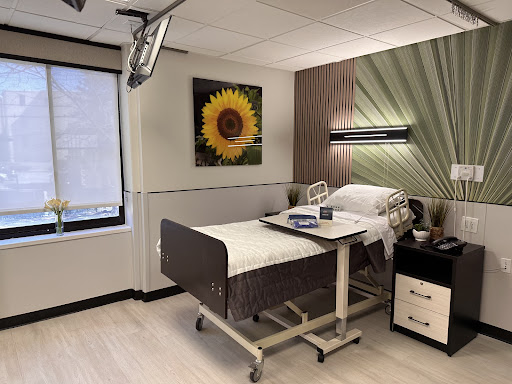










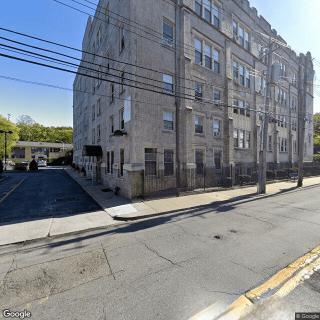
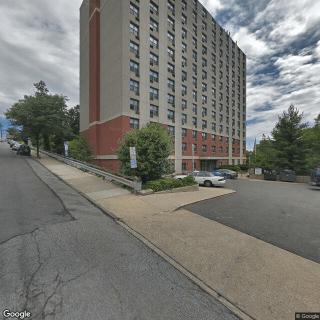
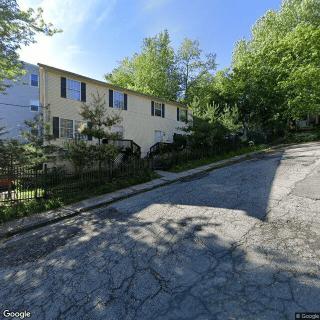
65 Ashburton Avenue, Yonkers, NY 10701
For more information about senior living options: (866) 208-4318
Overall Review of Regency Extended Care Center
Pros
 It is a good facility and the care was appropriate, according to the reviewer.
- The facility is described as good with appropriate care during the stay.
- Regency Extended Care Center was noted as a good facility with appropriate care.
Cons
 The facility is a very bad place.
- Residents' rights are trampled.
- There is harassment of residents.
- The building is understaffed and residents suffer from a lack of proper care.
- Some residents sit in soiled garments for hours.
- Call bells are not always answered promptly.
- The care provided is rough and uncaring.
- The staff forget they are dealing with fragile people.
- The neglect at Regency Nursing Home is horrific.
- The social worker supervisor is disrespectful and unprofessional.
- The facility is unsanitary.
- The nursing home should be shut down.
Review
Regency Extended Care Center in Yonkers is best suited for families that must secure a care option quickly and are prepared to take a highly hands-on oversight role. In practice, this facility functions as a last-resort choice when higher-rated options are unavailable, and the family can tolerate inconsistent staffing and uneven quality. Placing a vulnerable loved one here should come with a clear plan for daily monitoring, rapid escalation of concerns, and an openness to moving the resident if conditions deteriorate. This is not a setting to rely on for dependable, dignified care; it is a fallback option that demands proactive, persistent family involvement.
Those who should seriously consider alternatives are families that prioritize safety, respectful treatment, cleanliness, and reliable responsiveness. If the goal is consistent call-bell responsiveness, well-maintained rooms, fresh meals, and steady professional engagement from social workers and nursing staff, Regency falls short. Prospective residents and families should exhaust other options first, reviewing state inspection histories, staffing ratios, and family satisfaction signals. Tours, pointed questions, and tests of call-bell response times should be non-negotiable before any commitment is made.
One faint positive note from the limited positive feedback is that the facility exists as a legitimate care setting where some care was deemed appropriate. That isolated点赞, however, amounts to a narrow signal amid a pattern of serious concern. The practical takeaway is that any potential upside is highly contingent on constant, vigilant oversight by family or guardians, with a readiness to intervene quickly. In other words, the existence of occasional adequacy does not translate into reliable quality or predictable outcomes for residents.
The overwhelming body of experience conveyed in the reviews centers on severe drawbacks: understaffing leading to neglect or rough treatment, residents left in soiled garments for hours, and call bells that go unanswered. Harassment and disrespect of residents, unsanitary conditions, and vermin concerns compound the risk. Social workers are repeatedly described as hard to reach or unhelpful, with reports of long delays in following up on incidents or questions. Night-shift care is singled out as particularly problematic, with accounts of inadequate assistance during times when a resident needs help most. Taken together, these threads form a consistency of dysfunction that cannot be dismissed.
Because the negative experiences are so persistent and impactful, the limited advantages found in any single review do not offset the core risks. The implications are straightforward: safety, dignity, and reliable care are not guaranteed, and the likelihood of troubling incidents or diminished quality remains unacceptably high. For families weighing options, Regency Extended Care Center should not be their default choice; it should be a facility approached only after exhausting clearly stronger options and with an explicit plan for rigorous oversight, frequent reassessments, and a ready exit strategy.
If the decision is to investigate Regency, proceed with a disciplined, evidence-backed process. Schedule multiple, in-person tours with direct observation of staff interactions and call-bell operations. Request up-to-date staffing rosters, nurse-to-resident ratios, and daily schedules that demonstrate meaningful resident engagement. Demand transparent communication protocols with social workers and physicians, and set a schedule for daily updates during the first weeks. Finally, insist on seeing recent inspection reports and any corrective-action plans. In parallel, actively compare other local facilities that consistently demonstrate clean environments, attentive staffing, and respectful, responsive care, so that the final choice prioritizes long-term safety, dignity, and peace of mind for both resident and family.
 315 resident community capacity
 Skilled Nursing Facility
 Air-conditioning
 Beauty salon
 Cable or satellite TV
 Computer center
 Dining room
 Fitness room
 Fully furnished
 Gaming room
 Garden
 Housekeeping services
 Kitchenette
 Move-in coordination
 Outdoor space
 Private bathrooms
 Restaurant-style dining
 Small library
 Telephone
 Wellness center
 Wi-Fi/high-speed internet available
 LaGuardia (11 miles away)
 Community operated transportation
 12-16 hour nursing
 24-hour call system
 Activities of daily living assistance
 Assistance with bathing
 Assistance with dressing
 Assistance with transfers
 Diabetes diet
 Medication management
 Mental wellness program
 Special dietary restrictions
 Concierge services
 Planned day trips




 Home Health Care Demystified: A Comprehensive Guide for Families and Caregivers
 Seniors and Modern Transportation: Exploring Uber, Lyft, and Other Ride-Hailing Options
 Comprehensive Guide to Qualifying for Home Health Care Services