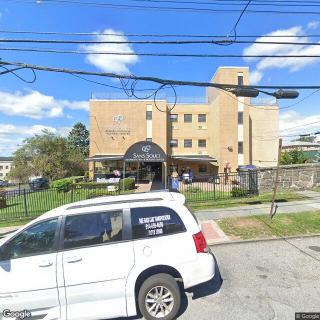
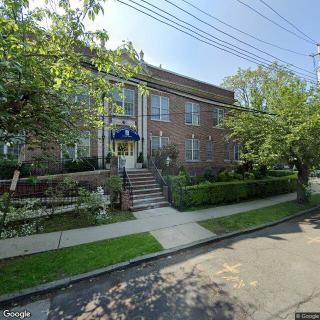
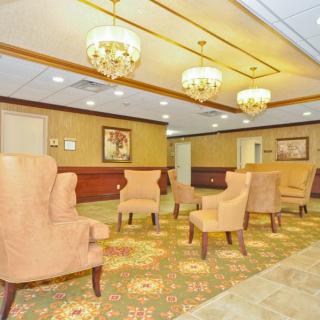
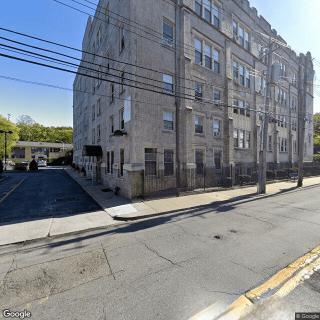
Yonkers Gardens Center For Nursing And Rehab in Yonkers, NY

Save
Yonkers Gardens Center For Nursing And Rehab Yonkers Gardens Center For Nursing And Rehab Yonkers Gardens Center For Nursing And Rehab

Yonkers Gardens Center For Nursing And Rehab in Yonkers, NY

Information last verified:

115 South Broadway, Yonkers, NY 10701

For more information about senior living options: (844) 490-3973

4.1 from 109 reviews
5 stars
72
4 stars
10
3 stars
8
2 stars
4
1 stars
15

Overall Review of Yonkers Gardens Center For Nursing And Rehab

Pros

  • pro The staff are caring and attentive, and residents feel well looked after.
  • pro The facility is clean, well-maintained, and has a welcoming atmosphere.
  • pro Kesha at the front desk is described as a gem, always helpful and caring.
  • pro The front desk staff are warm, friendly, and professional, making visitors feel welcome.
  • pro The rehabilitation services and physical therapy are highly regarded and help residents make progress.
  • pro The administration is attentive, professional, and genuinely cares about residents and staff.
  • pro The security team is courteous and provides a warm welcome and clear directions.
  • pro The nurses and therapists are capable and dedicated, delivering thoughtful care.
  • pro Yonkers Center is repeatedly praised as a well-run facility with compassionate care.

Cons

  • pro The facility lost all of the clothes and refuses to compensate.
  • pro The staff is severely understaffed and cannot provide basic care.
  • pro The administration is unprofessional and rude.
  • pro The phone system is a mess and cannot connect callers to patient rooms.
  • pro The nursing staff are negligent and do not order medications, leaving patients in pain.
  • pro The facility is dirty and poorly maintained, with nonfunctional elevators.
  • pro There is neglect and abuse toward the elderly.
  • pro Items were stolen from residents, including jewelry and clothing.
  • pro Water and ice are served from a single communal container, which is unsanitary.
  • pro Residents have to wait hours for basic necessities like toilet tissue and hydration.

Review

Yonkers Gardens Center For Nursing And Rehab is best suited for families prioritizing robust rehabilitation and post-acute recovery, especially when a resident benefits from consistent physical therapy, wound care, and a structured care plan aimed at regaining independence. The center has earned praise for its rehabilitation focus, clean surroundings, and moments when staff members go above and beyond to engage residents. For families with a loved one who can thrive in a facility where therapy teams drive progress, Yonkers Center can be a solid, home-like environment during the critical transition from hospital to greater mobility. The setting also appeals to those who value a front desk presence that feels both welcoming and capable, along with administration that is capable of coordinating care and navigation through the rehab process. In short, this is a practical choice for rehab-first care, not a luxury hotel, where the right resident and family commitment can translate into meaningful gains.

That said, there are clear signals to consider alternatives. Families needing near-perfect, day-to-day responsiveness from clinical and administrative staff may want to look elsewhere. Reviews describe significant staffing gaps at times, with missed calls, delayed doctor visits, and inconsistent medication management on several floors. Allegations ranging from neglect to theft have appeared, underscoring a risk profile that can overwhelm even well-meaning teams when census, turnover, or morale dips. The facility is also undergoing renovations that can affect routine and access, and some reviewers have found the experience to vary markedly by floor. For any family whose loved one requires highly proactive oversight, constant communication, or a consistently smooth day-to-day operation, alternatives deserve serious consideration.

The strongest positives center on rehabilitation outcomes and a generally clean, organized environment. Multiple accounts highlight successful mobility gains, with residents moving from wheelchairs or bed to standing or walking longer distances after dedicated PT and targeted care plans. The wound-care and therapy teams are frequently singled out for competence and patience, and when administration aligns with this energy, care coordination, such as timely care-plans and proactive progress notes, appears to improve noticeably. The building itself is described as well maintained, with renovated spaces and a calm atmosphere that supports recovery. Front-line staff, therapists, aides, and even the security and reception teams, are repeatedly praised for warmth, reliability, and professional demeanor. When the care model works, tangible progress is visible and reassuring for families seeking meaningful rehab outcomes.

Yet the negative threads are real and nontrivial, and they cannot be dismissed. Understaffing remains a recurring concern, translating into delayed aide responses, infrequent assistance with basic needs, and lapses in routine hygiene or diaper changes. Several reviews recount missed or delayed doctor rounds, inconsistent pain management, and communications gaps between families and clinicians. The most troubling narratives describe situations where family members felt ignored or misled about treatment plans or transfer options, with some calls going unanswered for hours. Theft allegations, equipment issues, and reports of inadequate housekeeping contribute to a perception of insecurity for residents and their loved ones. Those risks are not universal, but they are persistent enough to warrant careful scrutiny before committing to the facility.

Practical due diligence can tilt the balance toward a successful placement, even amidst these tensions. Prospective families should press for transparency on staffing levels by shift and floor, and request direct access to the nursing supervisor or director of rehabilitation to understand how care coordination works in practice. Tours should probe how therapy sessions are scheduled, how often progress is documented, and how quickly new care plans are activated when a resident’s needs shift. Ensure there is a designated social worker who can serve as a consistent point of contact, and confirm that calls or messages from family are tracked and answered promptly. Inspect the dining area and kitchen for consistency in meal quality and service, and verify room accommodations, accessibility, and the presence of a TV or other comfort features that matter to the resident. Finally, ask about incident reporting and how theft or safety concerns are escalated and resolved.

The bottom line is clear: Yonkers Center can be a strong, rehab-forward choice for families willing to engage actively in oversight and care planning. When the rehab team is aligned with attentive administration, residents make meaningful strides toward greater independence, enjoy a cleaner, more comfortable environment, and benefit from staff who communicate and collaborate with families. However, the facility’s history of inconsistent staffing and mixed experiences on different floors means that this option is best reserved for situations where rehabilitation goals drive the decision and where families can commit to ongoing, vigilant involvement. If the decision lands here, pair the admission with a concrete governance plan: designate a couple of family members to serve as liaison points, insist on regular progress updates, and set clear expectations for response times and accountability. Yonkers Center will deliver solid rehabilitation and a compassionate culture in many cases, but it demands proactive, informed participation to ensure that the cons do not overwhelm the compelling rehab advantages.

Features

Housing

  • 200 resident community capacity 200 resident community capacity

Types of Care

  • Skilled Nursing Facility Skilled Nursing FacilitySkilled Nursing Facilities are crucial for seniors as they provide round-the-clock medical care, rehabilitation services, and assistance with daily activities. These facilities ensure that seniors receive the specialized care they need to maintain their health and well-being as they age.

Amenities

  • Air-conditioning Air-conditioningAir conditioning is important for seniors as they are more vulnerable to heat-related illnesses and may have underlying health conditions that make it difficult for them to regulate their body temperature. It helps to keep them comfortable, safe, and healthy in hot weather.
  • Beauty salon Beauty salonBeauty salons are important for seniors because they provide a space for them to feel pampered, socialize, and maintain their personal grooming and hygiene. Regular visits to a beauty salon can help boost seniors' self-esteem and overall well-being.
  • Cable or satellite TV Cable or satellite TVCable or satellite TV is important for seniors because it provides entertainment, news, and companionship, helping to combat loneliness and boredom. It also offers a wide range of programming options tailored to different interests and preferences.
  • Computer center Computer centerA computer center is essential for seniors as it provides access to technology, communication tools, and resources that can enhance their daily lives. It allows them to stay connected with loved ones, engage in online activities, and learn new skills, ultimately promoting socialization and mental stimulation.
  • Dining room Dining roomDining rooms are important for seniors as they provide a space for socialization, connection, and nutritious meals. They offer opportunities for residents to bond over shared meals, foster a sense of community, and promote healthy eating habits. Dining rooms also ensure that seniors have access to well-balanced meals tailored to their dietary needs and preferences.
  • Fitness room Fitness roomHaving a fitness room in a senior living community is essential for seniors to stay active, maintain their physical health, and improve their overall well-being. Regular exercise can help prevent falls, reduce the risk of chronic diseases, and promote mental sharpness. It also provides social opportunities for residents to connect with others and enjoy a sense of community.
  • Fully furnished Fully furnishedFully furnished senior living communities are important for seniors because they provide convenience, comfort, and a hassle-free moving experience. Seniors can easily settle into their new living space without the stress of having to buy and move furniture. This allows them to focus on enjoying their new home and community.
  • Gaming room Gaming roomGaming rooms are important for seniors as they provide a fun and engaging environment for socializing, cognitive stimulation, and physical activity. Games can improve memory, problem-solving skills, and overall mental well-being while fostering friendships and reducing feelings of isolation.
  • Garden GardenGardens are important for seniors as they provide a peaceful and therapeutic environment for relaxation, physical activity, and socialization. Being in nature has been shown to reduce stress, improve mood, and promote overall well-being. Gardens also offer opportunities for seniors to engage in gardening activities, which can improve mobility, flexibility, and cognitive function. Additionally, gardens create a sense of community and connection with others who share a passion for plants and outdoor spaces.
  • Housekeeping services Housekeeping servicesHousekeeping services are important for seniors because they help maintain a clean and safe living environment, promote independence, and reduce the risk of accidents or illnesses. Additionally, having assistance with household chores can alleviate physical strain and allow seniors to focus on other aspects of their well-being.
  • Kitchenette KitchenetteKitchenettes are important for seniors living in senior living communities because they provide the convenience and independence of being able to prepare simple meals and snacks in the comfort of their own living space. This can help promote a sense of autonomy and well-being for seniors, allowing them to maintain some level of control over their dietary choices and daily routines.
  • Move-in coordination Move-in coordinationMove-in coordination is important for seniors because it helps ease the transition into their new living environment. It ensures that all logistics, such as packing, organizing movers, and setting up utilities are taken care of, allowing seniors to focus on settling in and adjusting to their new home. Having a smooth move-in process can alleviate stress and anxiety, making the transition smoother and more enjoyable for seniors.
  • Outdoor space Outdoor spaceOutdoor spaces are important for seniors as they provide opportunities for physical activity, social interaction, exposure to natural light and fresh air, and a sense of connection to nature. Having access to outdoor spaces can improve overall well-being and quality of life for older adults living in senior communities.
  • Private bathrooms Private bathroomsPrivate bathrooms are important for seniors in senior living communities because they provide independence, dignity, and comfort. Having a private bathroom allows seniors to maintain their personal hygiene routines without the need for assistance, promoting a sense of autonomy and privacy. Additionally, private bathrooms help prevent the spread of infections and provide a safe and clean environment for seniors to navigate safely.
  • Restaurant-style dining Restaurant-style diningRestaurant-style dining is important for seniors because it allows them to enjoy delicious, nutritious meals in a social and upscale setting. This enhances their dining experience, promotes healthy eating habits, and fosters socialization with fellow residents, ultimately contributing to their overall well-being and quality of life.
  • Small library Small librarySmall libraries are important for seniors as they provide access to a variety of reading materials, including books, newspapers, and magazines. This can help stimulate their minds, keep them engaged, and provide a sense of community through book clubs and other social activities. Additionally, reading has been shown to improve cognitive function and overall mental well-being in older adults.
  • Telephone TelephoneTelephones are important for seniors as they provide a lifeline for communication with loved ones, emergency services, and healthcare providers. They offer a sense of security and independence, enabling seniors to stay connected and access assistance when needed.
  • Wellness center Wellness centerWellness centers are important for seniors because they offer a variety of programs and services that promote physical, mental, and emotional well-being. These centers provide opportunities for exercise, socialization, education, and relaxation, helping seniors maintain their overall health and quality of life.
  • Wi-Fi/high-speed internet available Wi-Fi/high-speed internet availableWi-Fi/high-speed internet is important for seniors to stay connected with loved ones, access online resources, and participate in virtual activities to combat feelings of loneliness and isolation. It also allows them to easily manage healthcare needs, access entertainment, and engage in lifelong learning opportunities.

Transportation

  • LaGuardia (11 miles away) LaGuardia (11 miles away)
  • Westchester Cty (14 miles away) Westchester Cty (14 miles away)
  • John F Kennedy International (21 miles away) John F Kennedy International (21 miles away)
  • Newark International (22 miles away) Newark International (22 miles away)
  • Community operated transportation Community operated transportationCommunity operated transportation is crucial for seniors as it provides them with the means to access essential services, social activities, and medical appointments. It allows seniors to maintain their independence and quality of life by ensuring they can participate in activities outside of their homes. Additionally, community-operated transportation services offer a safe and reliable way for seniors to travel without having to rely on family or friends for assistance.
  • Transportation arrangement Transportation arrangementTransportation arrangements are crucial for seniors as they may face challenges with driving, mobility, or access to public transportation. Having reliable transportation services ensures that seniors can easily attend appointments, social activities, and maintain their independence and quality of life.
  • Transportation arrangement (non-medical) Transportation arrangement (non-medical)Transportation arrangements are essential for seniors as they provide access to essential services, activities, and social interactions outside the home. This service helps maintain independence, mobility, and overall well-being for seniors who may have limited transportation options.
  • Transportation to doctors appointments Transportation to doctors appointmentsTransportation to doctors appointments is crucial for seniors as it ensures they have access to necessary medical care and support, promoting their health and well-being. It allows them to receive timely treatment, monitor existing conditions, and address any new health concerns efficiently. Additionally, transportation services can help seniors maintain their independence and quality of life by enabling them to stay connected with their healthcare providers.

Care Services

  • 12-16 hour nursing 12-16 hour nursing12-16 hour nursing care is crucial for seniors in order to ensure around-the-clock monitoring, timely medication administration, and prompt response to any health concerns or emergencies. This level of care helps to promote the overall well-being and safety of seniors living in senior living communities.
  • 24-hour call system 24-hour call system24-hour call systems are important for seniors because they provide peace of mind and immediate assistance in case of emergencies. This technology ensures that help is always available, promoting safety and security for elderly individuals living alone or in assisted living facilities.
  • 24-hour supervision 24-hour supervision24-hour supervision is important for seniors to ensure their safety, well-being, and access to immediate assistance in case of emergencies or health issues. This constant support provides peace of mind for both seniors and their loved ones, allowing them to age in place with dignity and security.
  • Activities of daily living assistance Activities of daily living assistanceActivities of daily living assistance are important for seniors because they provide essential support with tasks such as eating, bathing, dressing, and mobility. This assistance helps seniors maintain their independence, dignity, and overall quality of life as they age.
  • Assistance with bathing Assistance with bathingAssistance with bathing is crucial for seniors as it helps maintain personal hygiene, prevents infections, and ensures their overall well-being and comfort. It also provides a sense of dignity and independence for seniors who may struggle with this task on their own.
  • Assistance with dressing Assistance with dressingAssistance with dressing is important for seniors because it helps maintain their independence, promotes personal hygiene, prevents accidents and injuries, and improves overall quality of life. This service ensures that seniors can continue to dress comfortably and confidently, despite any physical limitations they may have.
  • Assistance with transfers Assistance with transfersAssistance with transfers is crucial for seniors as it helps prevent falls and injuries, maintains their independence, and ensures they can safely navigate their living environment. It also provides peace of mind for both seniors and their loved ones.
  • Diabetes diet Diabetes dietA diabetes diet is crucial for seniors as it helps manage blood sugar levels, reduce risks of complications, and improve overall health and well-being. By following a balanced and nutritious diet tailored to their specific needs, seniors can better control their diabetes and enhance their quality of life.
  • Meal preparation and service Meal preparation and serviceMeal preparation and service are crucial for seniors as they may have limited mobility or energy to cook nutritious meals. Having access to healthy and convenient food options can ensure they are getting the proper nutrition needed to maintain their overall health and well-being.
  • Medication management Medication managementMedication management is crucial for seniors to ensure they are taking the right medications at the correct dosages and times. This helps prevent adverse drug interactions, reduces the risk of medication errors, and promotes overall health and well-being. Proactive management also allows for adjustments as needed based on changing health conditions or new prescriptions.
  • Mental wellness program Mental wellness programMental wellness programs are essential for seniors as they promote cognitive stimulation, emotional support, and social engagement. These programs help prevent isolation, depression, and cognitive decline, ultimately enhancing the overall quality of life for older adults.
  • Special dietary restrictions Special dietary restrictionsSpecial dietary restrictions are important for seniors because age-related changes in metabolism and health conditions can make it difficult for their bodies to process certain foods. By following a diet tailored to their specific needs, seniors can maintain their overall health and well-being, manage chronic conditions, and reduce the risk of complications such as malnutrition or food interactions with medications.

Dining

  • Diabetes diet Diabetes dietA diabetes diet is crucial for seniors as it helps manage blood sugar levels, reduce risks of complications, and improve overall health and well-being. By following a balanced and nutritious diet tailored to their specific needs, seniors can better control their diabetes and enhance their quality of life.
  • Special dietary restrictions Special dietary restrictionsSpecial dietary restrictions are important for seniors because age-related changes in metabolism and health conditions can make it difficult for their bodies to process certain foods. By following a diet tailored to their specific needs, seniors can maintain their overall health and well-being, manage chronic conditions, and reduce the risk of complications such as malnutrition or food interactions with medications.

Activities

  • Community-sponsored activities Community-sponsored activitiesCommunity-sponsored activities are important for seniors as they provide opportunities for social interaction, mental stimulation, and physical activity. These activities can help improve overall well-being, combat loneliness and isolation, and promote a sense of belonging and purpose among older adults.
  • Concierge services Concierge servicesConcierge services are essential for seniors as they provide assistance with daily tasks and errands, enhance their quality of life by offering convenience and personalized care, and promote a sense of safety and security.
  • Fitness programs Fitness programsFitness programs are crucial for seniors as they help improve strength, flexibility, balance, and overall well-being. Staying active can reduce the risk of chronic diseases, improve mental health, and enhance quality of life in older adults.
  • Planned day trips Planned day tripsPlanned day trips are important for seniors because they offer opportunities for socialization, mental stimulation, and physical activity. They provide a change of scenery and help seniors stay engaged and connected to their community, promoting overall well-being and quality of life.
  • Resident-run activities Resident-run activitiesResident-run activities are important for seniors as they encourage social interaction, creativity, and a sense of autonomy. These activities empower seniors to stay engaged and active in their community while fostering meaningful connections with their peers.
  • Scheduled daily activities Scheduled daily activitiesScheduled daily activities are important for seniors because they provide structure, socialization, mental stimulation, and physical activity. Engaging in regular activities can improve overall well-being and quality of life for seniors living in a community setting.

Description

Yonkers Gardens Center for Nursing and Rehab in Yonkers, NY is an assisted living community that offers a range of amenities and care services to meet the needs of its residents. The facility provides a comfortable and welcoming environment with fully furnished apartments that include private bathrooms and kitchenettes.

The community offers various amenities to enhance the quality of life for residents. These amenities include a beauty salon, a gaming room, a small library, a fitness room, and a computer center with Wi-Fi/high-speed internet access. There is also an outdoor space and garden where residents can relax and enjoy nature.

Yonkers Gardens ensures that residents receive the assistance they need with daily living activities such as bathing, dressing, and transfers. The staff is available 24/7 through the 24-hour call system and provides supervision to ensure the safety and well-being of all residents. Medication management services are also offered to assist residents in taking their prescribed medications accurately.

The community goes beyond basic care by offering additional support for mental wellness through its dedicated program. Special dietary restrictions are accommodated in meal preparation, ensuring that residents with specific dietary needs can enjoy delicious and nutritious meals.

Yonkers Gardens provides transportation arrangements both for non-medical purposes as well as for doctor's appointments, allowing residents to maintain their independence and access essential services conveniently. Move-in coordination is offered to assist new residents with transitioning into their new home smoothly.

Residents can enjoy restaurant-style dining in the community's dining room, where special dietary restrictions are taken into consideration. Additionally, a variety of activities are organized daily to keep residents engaged and entertained. These activities range from fitness programs to planned day trips as well as resident-run activities.

The community's location boasts easy access to nearby parks, pharmacies, physicians' offices, restaurants, transportation options, places of worship, and hospitals. This convenient proximity ensures that necessary services are easily accessible for both residents and their families.

Overall, Yonkers Gardens Center for Nursing and Rehab offers a comprehensive range of amenities and care services to create a comfortable, supportive, and engaging living environment for its residents.

Nearby Places of Interest

Transportation

  • Metro North - Riverdale Station (1.9 miles)
  • Metro North - Bronxville Train Station (3.4 miles)
  • Metro North - Mt Vernon East Train Station (3.7 miles)
  • MTA Subway - Inwood/207th St (4.4 miles)
  • MTA Subway - Fordham Rd (4.7 miles)
  • MTA Fordham Metro-North Station (4.7 miles)
  • Pelham Station (4.8 miles)

Parks

  • Riverdale Park (2.6 miles)
  • Uniontown Playground (3.9 miles)
  • Inwood Hill Park (4.2 miles)
  • Flat Rock Brook Nature Center (5.3 miles)
  • Tallman Mountain State Park (5.8 miles)
  • J. Hood Wright Park (6.2 miles)
  • Memorial Park (7.2 miles)

Places of Worship

  • The Riverdale Minyan (2.7 miles)

Pharmacies

  • CVS Pharmacy (2.8 miles)
  • Rite Aid (3.1 miles)
  • CVS Pharmacy (3.1 miles)
  • CVS Pharmacy (3.4 miles)
  • Walgreens (4 miles)
  • Walgreens (4.2 miles)
  • Value Drugs Eastchester (4.5 miles)

Restaurants

  • Last Stop Bar & Grill (3.1 miles)
  • Harvest on Hudson (4.8 miles)
  • McDonald's (4.8 miles)
  • McDonald's (5.3 miles)
  • Serafina (5.6 miles)
  • Hudson Social (5.8 miles)
  • The 9W Market (5.9 miles)

Physicians

  • Park Medical Group PA (3.2 miles)
  • Morgan Stanley Children's Hospital (6.6 miles)
  • Kayal Orthopedic - Westwood (7.2 miles)
  • Orangetown Pediatric Associates (7.9 miles)
  • Babra Saeed (8.4 miles)
  • Northeast Orthopedics & Sports Medicine - Orangeburg (8.4 miles)

Hospitals

  • NewYork-Presbyterian Allen Hospital (4 miles)
  • Bronx VA Medical Center (4.4 miles)
  • St Barnabas Hospital (5.3 miles)
  • Montefiore New Rochelle Hospital (5.9 miles)
  • Russ Berrie Medical Science Pavilion (6.5 miles)
  • Milstein Hospital Building (6.6 miles)
  • Holy Name Medical Center (6.7 miles)

Cafes

  • Starbucks (5.2 miles)
  • Starbucks (5.5 miles)
  • Starbucks (6.3 miles)
  • Cafe Zeppieri (7 miles)
  • Starbucks (7.9 miles)
  • Bogota Press Cafe (8.2 miles)
  • Kuppi Coffee Company (8.6 miles)

Theaters

  • Alamo Drafthouse Yonkers (5.3 miles)
  • AMC Bay Plaza Cinema 13 (5.8 miles)
  • AMC DINE-IN Shops At Riverside 9 (7.1 miles)

Frequently Asked Questions

Where is Yonkers Gardens Center For Nursing And Rehab?
What photos are available for Yonkers Gardens Center For Nursing And Rehab in Yonkers, New York?

Nearby Communities

  • Synergy HomeCare Scarsdale

    Synergy HomeCare Scarsdale

    Scarsdale, NY

    4.9 from 97 reviews
     

    pro Compassionate, highly responsive staff with personalized dementia care and strong family communication.

  • Regency Extended Care Center

    Regency Extended Care Center

    Yonkers, NY

    1.7 from 6 reviews
     

    pro Some residents report appropriate care during their stay.

  • Kubasek-Trinity Manor

    Kubasek-Trinity Manor

    Yonkers, NY

    5 from 3 reviews
     

    pro Experienced, thoughtful staff with good communication; clean environment and satisfying meals.

  • Trinity Senior Apartments

    Trinity Senior Apartments

    Yonkers, NY

    4.8 from 6 reviews
    $855 to $915 / month

    pro Pricing is notably lower than regional and state averages.

  • Sans Souci Rehabilitation And Nursing Center

    Sans Souci Rehabilitation And Nursing Center

    Yonkers, NY

    4.7 from 121 reviews
     

    pro Friendly staff, clean rooms, and engaging activities.

  • St Michael's Home For the Aged

    St Michael's Home For the Aged

    Yonkers, NY

    4.4 from 30 reviews
     

    pro Assisted living with on-site activities and diabetic care.

  • Five Star Premier Residences Of Yonkers

    Five Star Premier Residences Of Yonkers

    Yonkers, NY

    4.3 from 100 reviews
    $4,500 to $6,700 / month

    pro Friendly staff in a clean, attractive facility with engaging activities.

  • Westchester Center For Independent And Assisted Living

    Westchester Center For Independent And Assisted Living

    Yonkers, NY

    4.4 from 89 reviews
    $5,000 to $5,500 / month

    pro Clean, welcoming facility with engaging activities and responsive staff.

  • Hebrew Home For The Aged At Riverdale

    Hebrew Home For The Aged At Riverdale

    Riverdale, NY

    4.5 from 2 reviews
    $3,500 to $10,500 / month

    pro Clean, well-funded facility with attentive staff, extensive activities, and on-site medical services.

Related Resources

  • aid and attendance vaIn-Depth Look at the VA Aid and Attendance Program

    The VA Aid and Attendance program offers financial assistance to veterans needing help with daily activities due to health issues, available through a pension for low-income wartime veterans or an allowance for 100% disabled individuals. Eligibility depends on medical documentation of care needs and navigating guidelines about income and service history, with funds being usable for various healthcare-related expenses.

  • caring for elderly parentsNurturing Our Loved Ones: A Daughter's Journey in Caring for Her Mother

    Please provide the content you'd like summarized.

  • caring for elderly parentsNurturing Our Elders: Linda's Journey of Supporting Her Mother


    Linda's caregiving journey for her elderly mother, Joan, is marked by deep love and challenges as she navigates health changes, emotional support, and practical arrangements while learning to prioritize self-care and utilize community resources. Their evolving relationship highlights resilience and the universal themes of empathy and preparedness in caregiver experiences.