Home For Aged Blind in Yonkers, NY
Save75 Stratton St S, Yonkers, NY 10701
For more information about senior living options: (844) 490-3973
What level of care are you interested in?

Assisted Living

Memory Care

Independent Living

Skilled Nursing Facility

Continuing Care Retirement Community (CCRC)CCRC

Other
This Yonkers community is best suited for seniors who want a warm, social, and service-oriented living environment with visible attentiveness from staff. It caters to residents who value a home-like setting where everyday routines - meals, activities, and companionship - are integrated into a clearly managed program. Families seeking reassurance through a clean, well-maintained atmosphere and welcoming front-line staff will find this option particularly compelling. The vibe many families report is that of a boutique, comfortable residence where residents are known by name, engaged in activities, and supported to stay independent while receiving daily care and supervision as needed.
Those who may want to consider alternatives are residents with higher-acuity medical needs, complex dementia care, or requirements for consistent, hands-on clinical oversight. Several reviews highlight strong social support and routine but do not depict a facility built for intensive nursing, memory-care specialization, or 24-hour medical management. Safety and consistency in medication administration are also legitimate concerns raised by some residents' families. If a loved one needs frequent, highly medicalized interventions or a calm, highly controlled clinical environment, a different setting with dedicated memory-care or skilled-nursing units may be more appropriate.
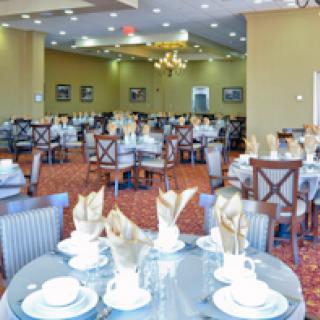
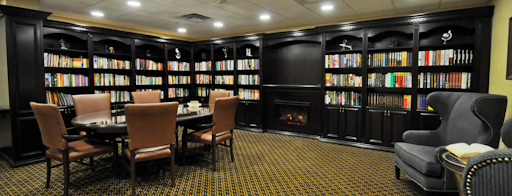
The upside here is substantial: exceptionally attentive staff, a bright, clean, and thoughtfully designed living space, and a robust calendar of recreational activities. Residents frequently praise the warmth and approachability of caregivers, reception staff, and the recreation team, along with comfortable dining areas and ample common spaces. The sense of community extends beyond programming to everyday interactions - residents note being treated with respect, having their needs anticipated, and enjoying social connections that feel genuine. The combination of a safe, clean environment and active engagement tends to offset occasional maintenance quirks or sporadic delays in repairs.
At the same time, several concrete drawbacks warrant due diligence. A handful of reviews mention pests and inconsistent maintenance responses, with specific complaints about roaches, mice, and delayed repairs in some rooms. There are also sporadic observations about temperature control and a few reports describing limited activities in certain areas at times. A notable safety concern described in one account involves gaps in medical oversight, including medication administration, which underscores the importance of verifying current clinical protocols, staffing levels, and accountability with the administrator during a visit. These factors do not negate the overall strengths but do temper the hands-on confidence expected for some families.
For families weighing options, practical steps during a visit are essential. Probe current pest-control measures and maintenance response times; review the latest incident and safety reports if available; ask to meet with a nursing or medical director to understand how medications are managed and what level of nursing support is provided around the clock. Examine meal quality and menu variety, and request an activities schedule to confirm that interests align with the resident's preferences. Take note of temperature consistency in rooms and corridors, and observe the overall cleanliness of private and shared spaces. Finally, talk to several residents and their families about how staffing changes have affected daily life and responsiveness.
If alternatives are being considered, focus on facilities with explicit memory-care programming, higher nursing-to-resident ratios, or a tighter track record on pest control and preventative maintenance. Other Westchester options might offer more specialized clinical oversight or quieter, smaller settings for residents who do not demand a bustling social calendar. The decisive factor remains alignment with the resident's care needs and lifestyle goals: a lively, well-staffed environment with plenty of social life and safety, or a calmer, more clinically focused setting where medical care dominates daily routines. The right choice will hinge on current needs, not just past reputation.
The Home For Aged Blind in Yonkers, NY is a well-connected assisted living community that provides a safe and comfortable environment for elderly individuals with visual impairments. Situated in a convenient location, this community offers easy access to various amenities and services.
Residents of the Home For Aged Blind can enjoy the convenience of having three cafes nearby, where they can gather with friends or family members for a cup of coffee or a light meal. Additionally, two parks in close proximity offer opportunities for leisurely strolls and enjoying the beauty of nature.
Healthcare needs are well catered to with eight pharmacies located nearby, ensuring that residents have easy access to medications and other necessary healthcare supplies. Moreover, there is a physician's office nearby, providing convenient medical care for any routine check-ups or health concerns.
To satisfy culinary desires, five restaurants in the vicinity offer diverse dining options. Whether residents crave fine dining or casual meals with friends, these eateries provide an array of choices to suit different tastes.
Transportation is readily accessible near the Home For Aged Blind, as five transportation options are available nearby. This makes it convenient for residents to travel around the city for appointments, shopping trips, or recreational outings.
For those seeking spiritual solace and connection within their community, there is a place of worship located nearby where residents can join religious services or engage in spiritual activities.
Furthermore, entertainment is close at hand with a theater located nearby. Residents can enjoy plays, movies, and cultural events without having to travel far from the comfort of their home.
Overall, the Home For Aged Blind in Yonkers offers not only excellent care for visually impaired seniors but also ensures that they have all necessary amenities and services within reach. With its diverse range of nearby establishments and convenient accessibility options, this assisted living community aims to provide a comfortable and enriching lifestyle for its residents.
This part of Yonkers, New York, offers a convenient and diverse range of amenities for senior living. There are multiple pharmacies nearby for easy access to medications, as well as several transportation options including train stations and subway stops. The area boasts a variety of parks for outdoor activities and relaxation, along with a selection of restaurants and cafes for dining out or socializing. Additionally, there are healthcare facilities in close proximity, including physicians' offices and hospitals for medical needs. Overall, this neighborhood provides a well-rounded environment with essential services that cater to the needs of seniors looking for a comfortable and convenient living situation.
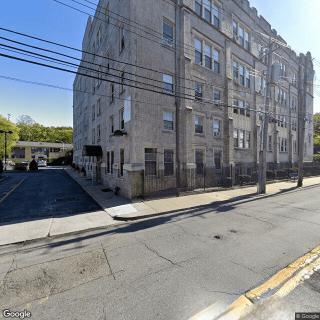
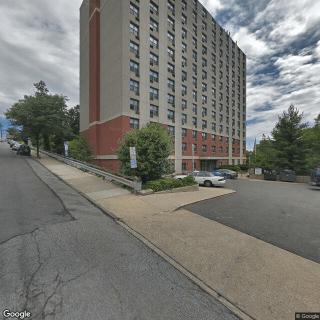
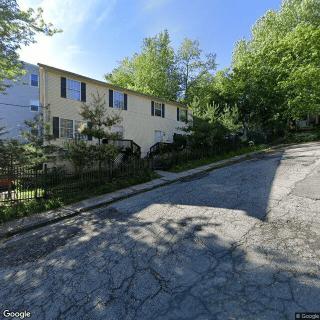
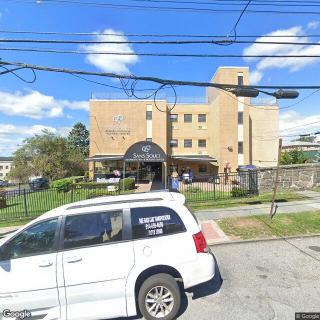
Home For Aged Blind is located at 75 Stratton St S, Yonkers, NY 10701 in Westchester County, New York
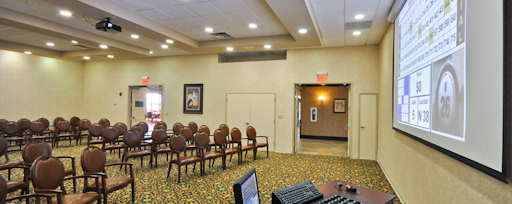
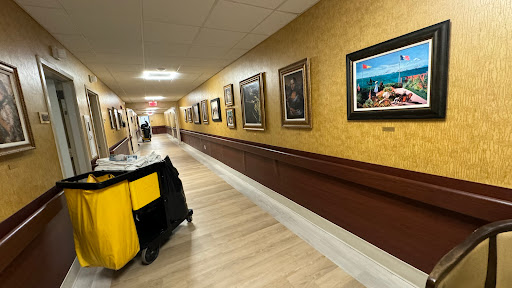
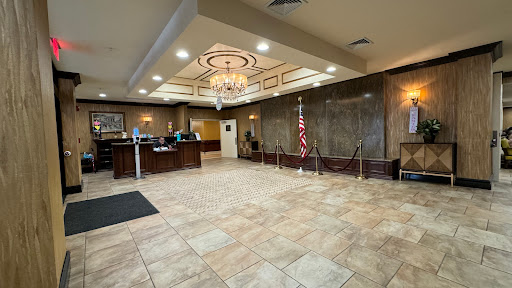
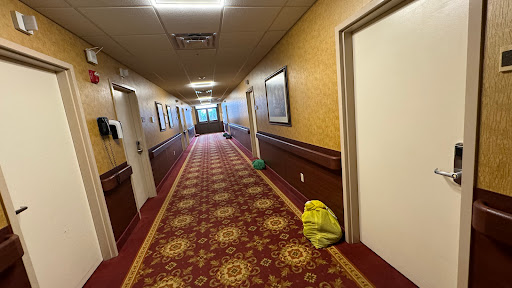
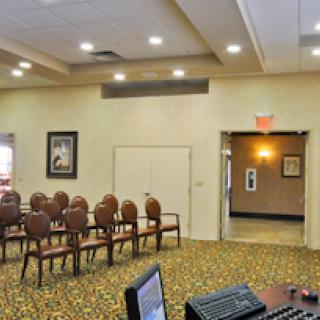
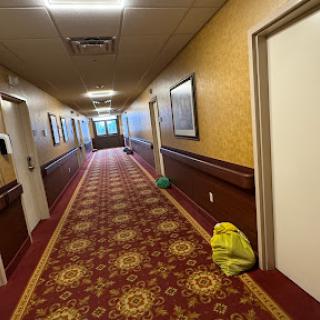
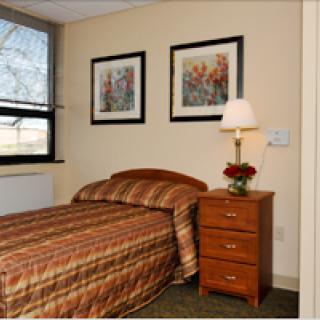
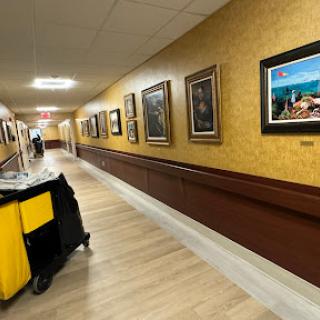
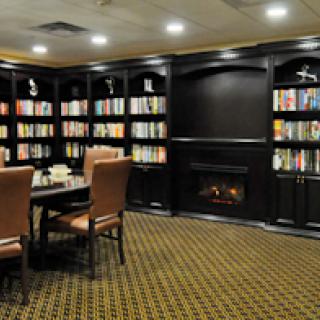
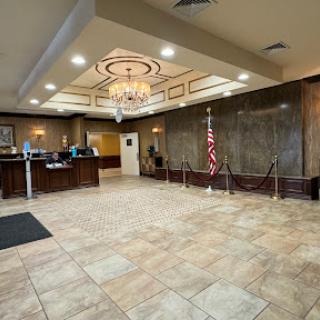
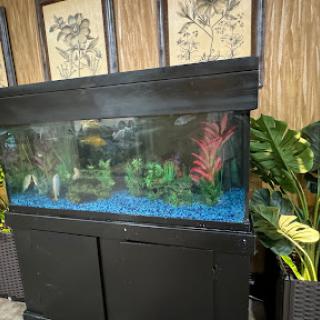
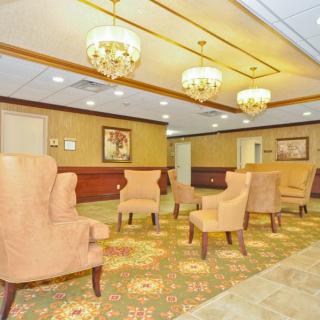
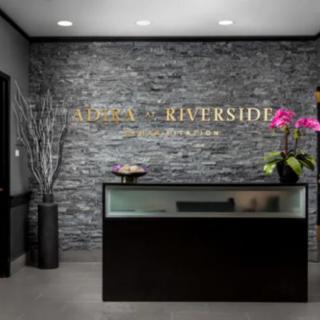
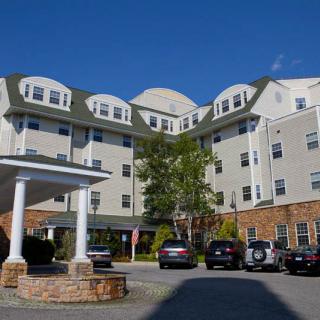
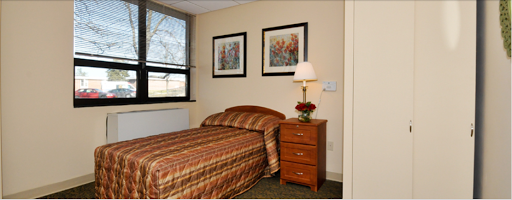
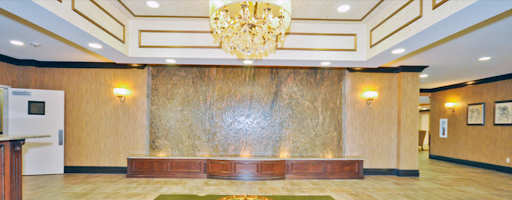
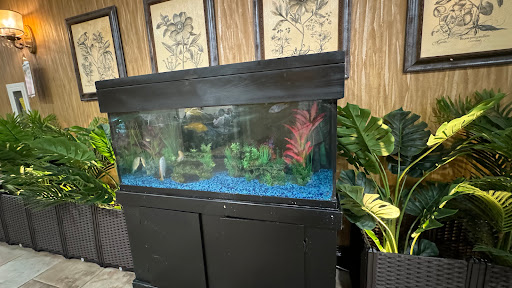
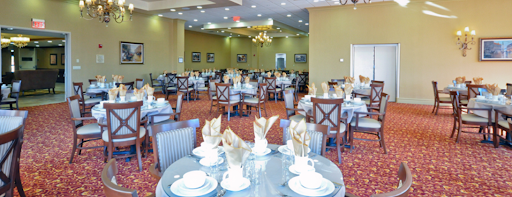
Home For Aged Blind on seniors.fyi includes 11 photos including images showing interior, lobby, decor, dining, bedroom, waiting area, reception, aquarium, and more.
Powerful Realities of Elder Abuse and the Most Effective Ways to Report It

Elder abuse affects many older adults worldwide and includes physical, emotional, neglectful, and financial harm, with about one in six individuals over 60 experiencing abuse annually. Prevention and intervention strategies focus on awareness, support for caregivers, and mandatory reporting, while recovery necessitates comprehensive support for both physical and emotional needs.
Ten Vital Duties of a Senior Caregiver: A Comprehensive Guide

The guide details ten essential responsibilities of senior caregivers, including personal care, mobility assistance, medication management, and emotional support, while emphasizing the importance of safety, nutrition, and maintaining a safe living environment to enhance seniors' quality of life and independence.
9 Stimulating Memory Activities for Seniors: Puzzles, Cards, and Much More
The article highlights nine memory-boosting activities for seniors that enhance cognitive health and social interaction, including puzzles, trivia quizzes, and storytelling, while emphasizing the importance of adapting these activities to individual preferences to maximize enjoyment and engagement. Consistent mental engagement is linked to improved cognitive function and emotional well-being in older adults.