
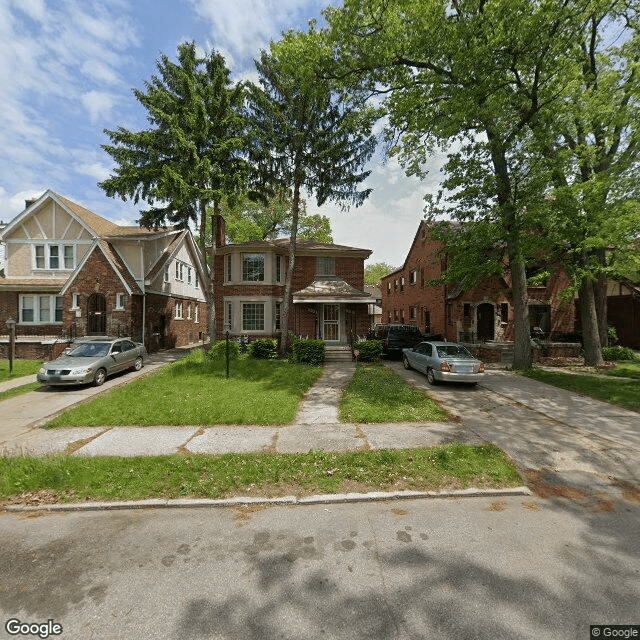
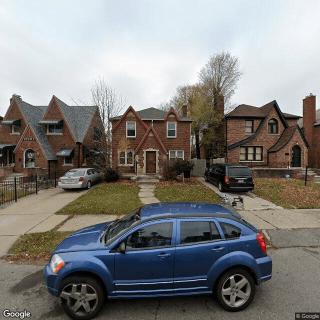
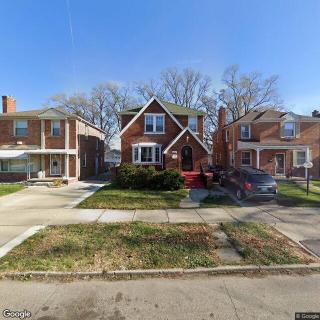
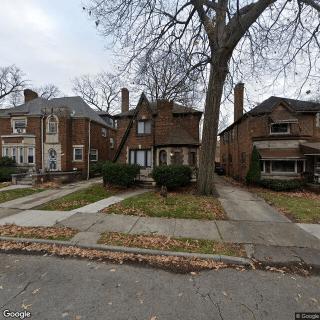
18040 Roselawn, Detroit, MI 48211
To contact a resident: (734) 873-7764
For more information about senior living options: (866) 208-4318
Mother Cabrini Home #1 Costs & Pricing
At Mother Cabrini Home #1, the monthly costs for accommodation present a competitive option compared to both Wayne County and the broader state averages in Michigan. For semi-private rooms, residents can expect to pay between $1,500 and $2,100, significantly lower than the county average of $2,860 and the state average of $3,191. The pricing remains attractive for one-bedroom units as well, with a flat monthly rate of $3,000 that is slightly below Wayne County's average of $3,210 and Michigan's statewide figure of $3,384. Additionally, two-bedroom accommodations at Mother Cabrini are available for $4,200 per month; while this exceeds the county's average of $3,452 and state average of $3,523, it ensures spacious living conditions that may cater to specific needs. Overall, Mother Cabrini Home #1 offers various options that balance affordability with quality care in a supportive environment.
| Floor plans | Mother Cabrini Home #1 | Wayne County | Michigan |
|---|---|---|---|
| Semi-Private | $1,500 to $2,100 | $2,860 | $3,189 |
| 1 Bedroom | $3,000 | $3,210 | $3,384 |
| 2 Bedrooms | $4,200 | $3,452 | $3,523 |
Senior living communities with a similar price nearby
-
About the same
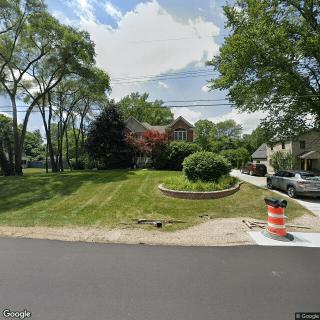
Tendercare Residential Services
$1,500 to $3,095 / month10.6 miles away -
from -$225 / mo
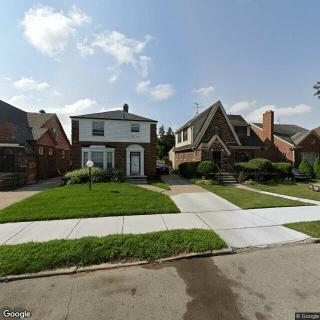
Kenyata's Adult Foster Care
$1,275 to $1,950 / month6.8 miles away -
from -$200 / mo
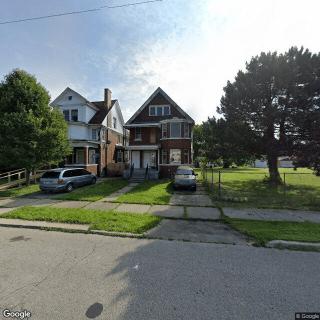
Assure Residential Care
$1,300 to $2,000 / month8.1 miles away -
from -$100 / mo
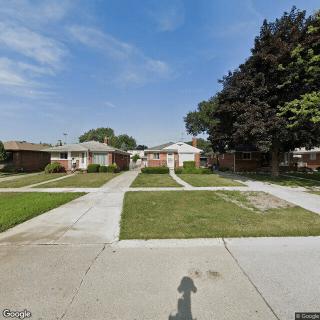
Better Life AFC
$1,400 / month11.3 miles away -
About the same
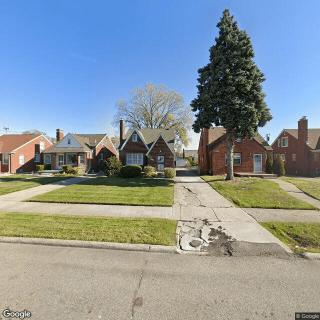
Blue Care Assisted Living
$1,500 to $2,000 / month1.7 miles away
Overall Review of Mother Cabrini Home #1
Pros
 The sisters are loved by fabulous people.
- They are very polite.
- They are awesome.
- The sisters are spreading the Faith locally and globally.
- The ladies are inviting.
Cons
Review
Mother Cabrini Home #1 in Detroit is best suited for seniors who want a small, intimate environment where faith, hospitality, and personal attention from devoted sisters shape daily life. The atmosphere is clearly geared toward residents who value a welcoming, family-like setting and a spiritually engaged community. With an emphasis on warmth, courtesy, and a gentle pace, this is the option to consider when the priority is meaningful connection, steady companionship, and reassurance from staff who embody the home’s Catholic mission.
Those who may want to consider alternatives are seniors with robust, hands-on medical needs or who require highly structured, secular programming with extensive clinical oversight. If memory care, skilled nursing, or a broad menu of off-site activities and specialized therapies are essential, this setting may fall short of expectations. Families should assess whether a more clinical model, larger campus, or non-religious programming would better support daily care, complex nursing tasks, and a wider range of independent living amenities.
The strongest positives are relationship-driven. Reviews consistently highlight “fabulous people” and “very polite” staff, with residents feeling welcomed and valued by the Sisters. The reputation for kindness translates into everyday experiences: warm greetings, inviting conversations, and thoughtful, person-centered interactions. The Sisters’ active role in ministry and outreach, extending hospitality beyond the home’s walls, creates a sense of purpose and belonging that can be deeply comforting for residents seeking spiritual nourishment and steady companionship. In this setting, care is less about ticking boxes and more about being seen, heard, and treated with genuine courtesy.
Where this model presents its natural limits, the corresponding offsets become decisive. The religious, small-scale framework naturally prioritizes spiritual-life programming, personal attention, and community cohesion over expansive health services or secular leisure offerings. That trade-off can be a meaningful strength for residents who cherish routine, prayer, and relationships with the Sisters and fellow residents. However, prospective families should acknowledge that a broad array of medical services, diverse activity options, or secular social events may not be as readily available as at larger, non-religious campuses. The 4.9 rating across nine reviews signals consistent satisfaction with the core strengths, even if the setting intentionally narrows the focus.
Practical considerations should shape the decision. Insightful families will verify the precise mix of care levels available, the cadence of spiritual programming, and how medical oversight is structured day-to-day. Important questions include: what levels of resident independence are accommodated; how transportation to appointments is managed; what meal options look like; how visits from family are supported; what religious services or sacraments are offered; and what the policy is around guest stays and personal freedoms within a faith-guided schedule. Understanding fees, potential add-ons, and transition plans will prevent surprises and align expectations with the residency experience.
In the end, this community stands out for families prioritizing a warm, faith-forward home where residents are treated with personal attention and a welcoming, communal ethos. It excels as a sanctuary for seniors who want to deepen spiritual life, maintain meaningful relationships, and enjoy a supportive, intimate living environment. For anyone whose primary needs include extensive clinical care, memory-support specifics, or secular programming, alternatives with broader medical capabilities and a wider activity slate are advisable. A campus visit is essential to confirm alignment on daily routine, staff chemistry, and how the Sisters’ caregiving philosophy harmonizes with the resident’s goals and temperament.
 Board and Care Home
 Activities off-site
 Indoor common areas
 Detroit Metropolitan-Wayne County (18 miles away)
 Meals provided



 8 Essential Assistive Devices for Older Adults
 Navigating the Financial Road to Nursing Home Care: In-Depth Guidance and Resources
 Supportive Employee Benefits That Help Caregivers Attain Better Work-Life Harmony