
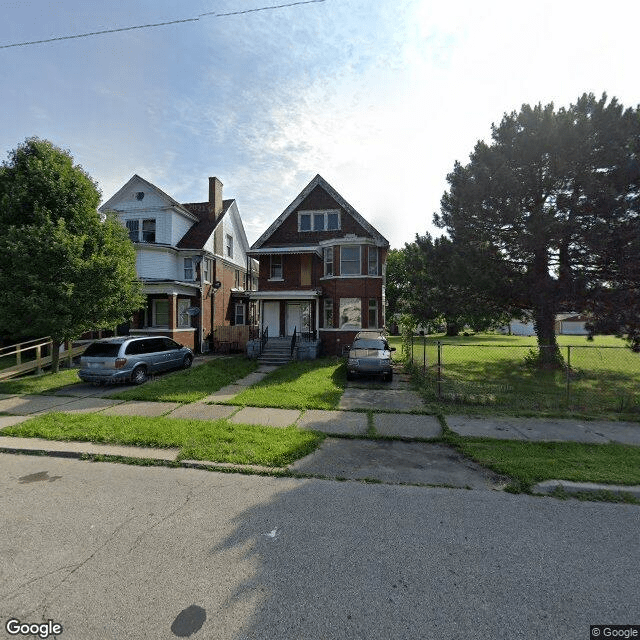
846 East Grand Blvd, Detroit, MI 48207
To contact a resident: (313) 969-6682
For more information about senior living options: (866) 208-4318
Assure Residential Care Costs & Pricing
Assure Residential Care offers competitive pricing for its services compared to both Wayne County and the broader state of Michigan. For a semi-private room, residents can expect to pay $1,300 per month at Assure, significantly lower than the county's average of $2,860 and the state's average of $3,191. Similarly, the cost for a private room at Assure is $2,000 per month, which again demonstrates a substantial savings when compared to Wayne County's average of $3,335 and Michigan's state average of $3,675. These figures highlight Assure Residential Care's commitment to providing quality care at more accessible prices for families seeking supportive living arrangements.
| Floor plans | Assure Residential Care | Wayne County | Michigan |
|---|---|---|---|
| Semi-Private | $1,300 | $2,860 | $3,189 |
| Private | $2,000 | $3,335 | $3,674 |
Senior living communities with a similar price nearby
-
from +$200 / mo

Tendercare Residential Services
$1,500 to $3,095 / month18.4 miles away -
About the same
Kenyata's Adult Foster Care
$1,275 to $1,950 / month5.1 miles away -
from +$200 / mo
Mother Cabrini Home #1
$1,500 to $4,200 / month8.1 miles away -
from +$100 / mo
Better Life AFC
$1,400 / month13.8 miles away -
from +$200 / mo
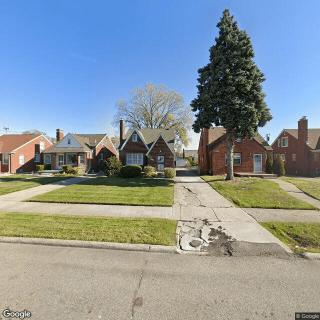
Blue Care Assisted Living
$1,500 to $2,000 / month9.7 miles away
Overall Review of Assure Residential Care
Pros
 Assured Home Nursing Services is described as a well-established private-duty care company that provides excellent care to a wide variety of patients with different care needs.
- The organization offers the highest quality home care with professional caregivers who have the necessary skillset and a positive attitude.
- Caregivers are consistently described as dependable, kind, and arriving on time for shifts.
- The company goes above and beyond to ensure clients are well taken care of and happy with the services.
- The organization treats employees well and provides a great work environment.
- The staff is polite, helpful, and encouraging, and orientation experiences support career advancement.
- Clients appreciate great communication and flexible scheduling, and would recommend the company for care needs.
Review
This community is best suited for families seeking highly dependable, in-home elder care delivered by a seasoned private-duty team. It excels for seniors who want to remain in their own home while receiving consistent, compassionate caregiving and clear, proactive communication from a dedicated staff. In Detroit, the framework shown by the reviews points to a model where skilled nurses and caregivers can manage daily needs with responsiveness and familiarity, making it a strong fit for anyone prioritizing stability, routine, and personal attention over a traditional campus-style setting.
Those considering alternatives should weigh whether a residential assisted-living campus with on-site amenities and social programming better fits the elder’s preferences. The reviews emphasize home-based care rather than a shared facility, so families seeking 24/7 on-site supervision, structured activities in a community living space, or specialized memory-care programming in a single location may want to compare with facility-based options. Pricing, insurance coverage, and the exact mix of skilled nursing versus basic home care are not laid out in the feedback, so these details deserve direct confirmation before deciding.
The core advantages translate into meaningful practical gains. The staff consistently comes across as warm and courteous, with nurses described as very nice and orientations that are polite, helpful, and encouraging. This level of professionalism and congenial approach supports smoother transitions, fewer misunderstandings, and greater confidence that the elder’s preferences are respected. The emphasis on great communication and scheduling flexibility means care plans can adapt to changing needs and daily rhythms, reducing the risk of missed tasks or rushed responses.
Additional strengths center on reliability and staff quality. Caregivers are repeatedly portrayed as dependable, punctual, and skilled, with observers noting that the team arrives on time, meets daily needs, and demonstrates a positive attitude. The organization is described as a superior workplace for caregivers, which typically correlates with lower turnover and more consistent caregiver assignments. For families, that combination, steadiness in who arrives, how care is delivered, and the tone of interactions, creates measurable peace of mind and a higher likelihood of long-term satisfaction.
Given the absence of explicit drawbacks in the reviews, the main caveat is implicit rather than explicit: home-based care, no matter how excellent, may not replicate every benefit of a traditional campus environment. The material does not spell out cost structures, insurance options, or the availability of round-the-clock supervision on an on-site basis. For families weighing options, it is prudent to confirm what level of medical oversight exists after hours, how emergencies are handled, and whether there is access to social activities or transportation services that might complement at-home care. These factors can shift the balance when comparing to a conventional assisted-living setting.
In sum, this Detroit-based option stands out for families prioritizing high-quality, personalized in-home care with reliable staffing and outstanding caregiver engagement. The consistently positive feedback on caregiver demeanor, timeliness, and communication makes it a compelling choice for seniors who want to stay at home without sacrificing professional support. If the elder’s needs point toward a more communal living experience, or if access to robust on-site programming is a priority, exploring alternative facilities makes sense. For ready-to-mace a decision, families should pursue a direct conversation about caregiver matching, scheduling flexibility, care plans, and a potential trial period to verify that the service pattern aligns with the elder’s daily life.
 Board and Care Home
 Activities off-site
 Bath tubs
 Devotional services off-site
 Indoor common areas
 Outdoor common areas
 Private
 Private bathrooms
 Respite or short term stays offered
 Detroit Metropolitan-Wayne County (20 miles away)
 Ambulatory care
 Diabetic care
 Kosher





 Understanding the Nuances of Palliative Care and Hospice: A Comprehensive Exploration
 Fecal Incontinence in Older Adults: A Comprehensive Guide
 Recognizing the Journey: Understanding and Navigating Anticipatory Grief