
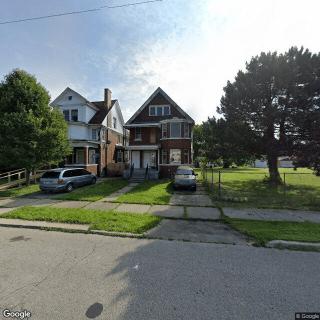
849 East Grand Boulevard, Detroit, MI 48207
For more information about senior living options: (866) 208-4318
Mack Adult Foster Care Home Costs & Pricing
At Mack Adult Foster Care Home, the monthly charge for a private room is $5,000, which notably exceeds the average costs observed in Wayne County at $3,335 and in Michigan as a whole at $3,675. This premium pricing reflects the specialized services and quality of care provided by the facility. While it may be higher than the regional benchmarks, potential residents and their families should consider the unique amenities and personalized support offered at Mack Adult Foster Care Home that could justify the investment in such a notable price point.
| Floor plans | Mack Adult Foster Care Home | Wayne County | Michigan |
|---|---|---|---|
| Private | $5,000 | $3,335 | $3,674 |
Assisted Living communities with a similar price nearby
-
About the same
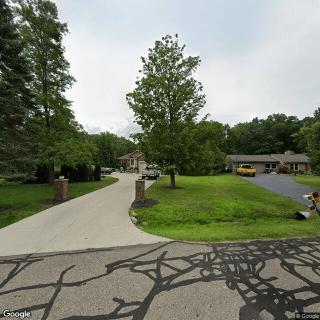
Greencastle Family Care
$5,000 / month18.3 miles away -
from -$500 / mo
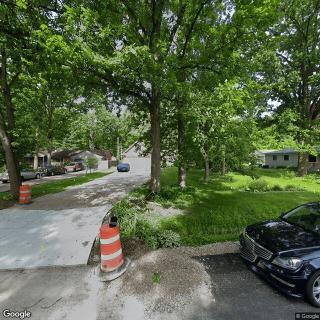
New Hope Family Care I
$4,500 to $5,000 / month18.6 miles away -
from -$500 / mo

Stratford House
$4,500 / month13.6 miles away -
from -$700 / mo
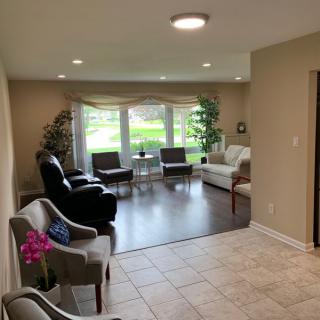
Sterling Senior Care
$4,300 to $5,300 / month13.1 miles away -
from -$980 / mo

The Avalon of Bloomfield Township
$4,020 to $6,940 / month20.9 miles away
Overall Review of Mack Adult Foster Care Home
Pros
 It is one of the best places to work and to place a loved one.
- The owner goes above and beyond the call of duty.
Cons
 The facility is under investigation.
- The provider is rude.
- The staff are not professional.
- There is bad medication management by the staff.
- Staff yell at members.
- The interior condition of the building, including the rooms, bathrooms, and furniture, is very poor.
- They would not recommend this place.
Review
Mack Adult Foster Care Home in Detroit, MI is best suited for families seeking a small, owner-driven setting where personal attention comes from hands-on involvement by the caregiver and where a home-like atmosphere can translate into meaningful daily interactions. This facility tends to work for residents who don’t require high-acuity medical care but still need diligent supervision, flexible routines, and a feel of family oversight. The upside is the potential for rapid responsiveness and a level of accessibility that larger institutions often cannot match. For families willing to trade a polished institutional aesthetic for direct, visible owner engagement and a tighter, more intimate caregiving dynamic, Mack can feel like the right fit.
That said, a clear note of caution is warranted for families weighing alternatives. If a loved one depends on strong professional protocols, especially around medication management, and expects a consistently calm, professionally supervised environment, other options may be safer bets. The concerns raised by a former reviewer point to issues that would give pause to anyone prioritizing formalized nursing oversight, strict behavioral guidelines, and a facility that projects a sense of clear, well-maintained standards. Prospective entrants should be prepared to scrutinize how medications are handled, how conflicts are de-escalated, and whether the physical space meets modern safety and accessibility expectations.
On the positive side, the narrative of an owner who “goes to over and beyond the call of duty” signals a level of commitment that can translate into highly responsive care. In a smaller setting, such dedication often means shorter lines of communication, tailored daily schedules, and a caregiver who treats residents with genuine familiarity. The sense that the owner is personally invested can foster a trusting, familial tone that helps residents settle in and feel known. When staff operate under this kind of leadership, where morale and accountability appear interconnected, the day-to-day caregiving can feel more cohesive and attentive.
Yet the most troubling thread in the available feedback centers on the facility’s management of safety-critical aspects. Allegations of poor medication management, staff yelling at residents, and a building in poor condition constitute serious risks. While a single negative report in a small sample can tilt impressions, the combination of potentially unsafe practices and an aging interior raises legitimate red flags about ongoing oversight, staff training, and compliance with basic standards. An under-investigation status should prompt careful verification of current licensing, recent inspections, and concrete steps the operation has taken to address deficiencies before any decision is made.
In weighing pros versus cons, the key question is alignment with the resident’s priority needs. For families seeking a cost-conscious, intimate setting with visible owner involvement and a preference for a homey atmosphere, Mack offers a compelling option, provided due diligence confirms that medication processes are sound and that the building’s safety and accessibility meet expectations. For those whose nonnegotiables include rigorous clinical oversight, pristine facilities, and consistently respectful staff interactions, alternatives with robust governance and longer track records in dementia or chronic care may deliver greater peace of mind.
The practical path forward is disciplined and concrete. Arrange a sustained visit, observe caregiver interactions with residents, and request a transparent walk-through of medication procedures, incident reporting, and daily care routines. Ask to review the current state licensing, any recent corrective action orders, and the exact qualifications of staff responsible for medication administration. Speak with multiple residents or families about ongoing experiences, and probe how the owner responds to concerns in real time. If the answers satisfy safety and professionalism benchmarks, Mack can be a viable home-like choice. If not, the prudent move is to explore alternatives that offer stronger clinical oversight, cleaner facilities, and consistently respectful conduct from staff.
 20 resident community capacity
 Assisted Living
 Beauty salon
 Cable or satellite TV
 Dining room
 Fully furnished
 Garden
 Housekeeping services
 Kitchenette
 Move-in coordination
 Outdoor space
 Telephone
 Wi-Fi/high-speed internet available
 Detroit Metropolitan-Wayne County (20 miles away)
 24-hour call system
 Activities of daily living assistance
 Assistance with bathing
 Assistance with dressing
 Assistance with transfers
 Diabetes diet
 Meal preparation and service
 Medication management
 Mental wellness program
 Special dietary restrictions
 Transportation arrangement (medical)
 Transportation to doctors appointments





 An Extensive Exploration of the VA Aid and Attendance Benefit
 Senior Transition Services: Understanding Their Role, Cost, and Importance
 Exploring the Path to Senior Living: A Comprehensive Look at Independent Living and Assisted Living