
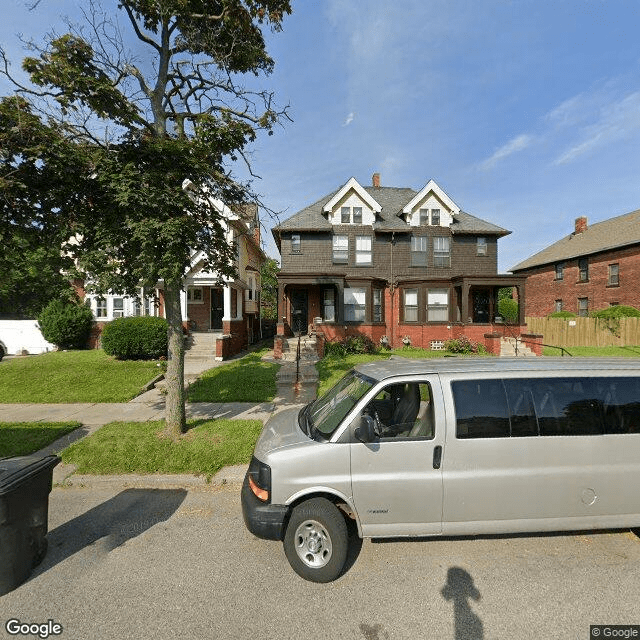
927 E Grand Blvd, Detroit, MI 48207
To contact a resident: (313) 304-5330
For more information about senior living options: (866) 208-4318
Miracle Manor Corp Costs & Pricing
Miracle Manor Corp offers competitive pricing for its room types compared to both Wayne County and the broader state of Michigan. For a semi-private room, residents at Miracle Manor are charged $1,275 per month, significantly lower than the county average of $2,860 and the state average of $3,191. Similarly, in terms of private accommodations, the monthly fee of $1,950 at Miracle Manor stands in stark contrast to Wayne County's $3,335 and Michigan's $3,675 averages. This substantial difference highlights Miracle Manor Corp's commitment to providing quality care at an accessible price point, making it an attractive option for individuals seeking affordable living solutions without compromising on their needs.
| Floor plans | Miracle Manor Corp | Wayne County | Michigan |
|---|---|---|---|
| Semi-Private | $1,275 | $2,860 | $3,189 |
| Private | $1,950 | $3,335 | $3,674 |
Senior living communities with a similar price nearby
-
from +$225 / mo

Tendercare Residential Services
$1,500 to $3,095 / month18.2 miles away -
About the same
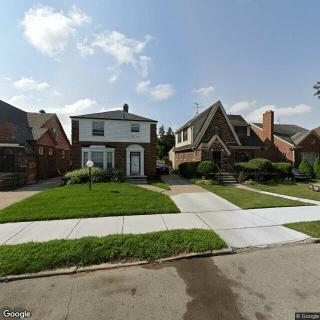
Kenyata's Adult Foster Care
$1,275 to $1,950 / month5.0 miles away -
About the same
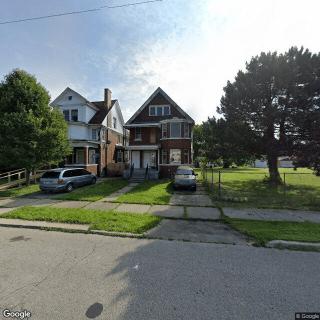
Assure Residential Care
$1,300 to $2,000 / month0.2 miles away -
from +$225 / mo
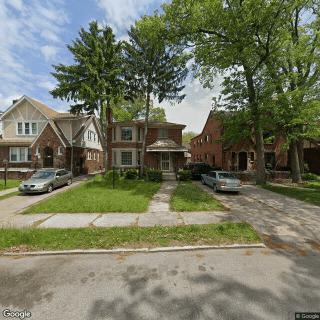
Mother Cabrini Home #1
$1,500 to $4,200 / month8.0 miles away -
from +$125 / mo
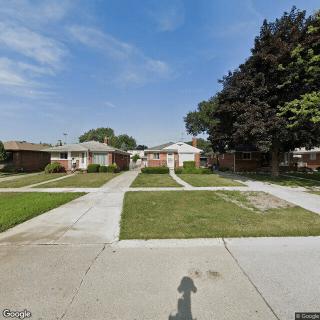
Better Life AFC
$1,400 / month13.7 miles away
Overall Review of Miracle Manor Corp
Cons
 Mrs. Hamilton is rude and deplorable and lacks kindness.
- The facility deserves no stars.
- The reviewer warns not to send loved ones there.
- It is more about money than the workers' hearts for the job.
Review
Miracle Manor Corp in Detroit is best suited for families that want a straightforward care option and can tolerate variability in how warmly residents are greeted and cared for day to day. The reviews point to a core reality: basic caregiving can be delivered, but the emotional tone from some staff can be inconsistent. One family portrays an administrator or caregiver as rude and lacking kindness, framing the facility as one where compassion isn’t guaranteed. The critique goes further, suggesting financial considerations may drive decisions more than genuine devotion to residents. There is at least one contrasting five-star perspective, indicating that experiences can differ by shift and caregiver. The takeaway is clear: outcomes hinge on which staff member is on duty and how well the team is led on any given day.
Families who should consider alternatives are those prioritizing consistently warm, person-centered care. If reliable, proactive engagement from both staff and management is non-negotiable, this facility may fall short. Residents who require highly attentive companionship, precise medication management, or steady rapport across shifts could be disappointed by uneven interpersonal dynamics. Those with complex medical needs or who rely on rapid, compassionate responses will want to compare options with proven track records in continuity of care. Also, any hesitation about billing transparency or cost-driven decisions warrants exploring communities with clearer value and a steadier culture of resident-first service.
The main pros visible in the available feedback include the existence of care and some staff who can build positive connections. The district’s strongest praise, when it appears, demonstrates that caring relationships are possible and that not every interaction is negative. Yet the most persistent con in the reviews is a perception that kindness can be in short supply and that money considerations may influence how care is delivered. In practical terms, the positive experiences show that quality care can emerge, but they do not fully offset the risk of disrespectful interaction or inconsistent quality across shifts. Families should factor in the likelihood of encountering both supportive caregivers and moments of friction.
For families engaging with Miracle Manor, practical due diligence is essential. Plan multiple visits and observe how staff interact with residents during routine tasks, mealtime, and assistance with mobility. Inquire with the administration about caregiver turnover, training programs, and how leadership responds when workloads spike. Request introductions to potential caregivers and arrange to shadow a typical day to gauge consistency. Clarify the billing structure: what is included in monthly rates, what could trigger increases, and how ancillary services are billed. Seek corroboration from current residents or family members about whether the warmth and responsiveness noted on paper translate into daily reality.
Residents with particular needs, mobility assistance, memory care support, or strict safety supervision, should scrutinize whether the team can maintain continuity and compassionate contact as needs evolve. The whole picture matters: safety, attentiveness, and clear communication are foundational, not optional. If a culture of transparent dialogue, respectful interaction, and dependable responsiveness is non-negotiable, Miracle Manor may require a more deliberate vetting process or comparison with other communities that have stronger reputations for stable, person-centered care. There is ample reason to pursue alternatives that better align with these nonnegotiables.
Miracle Manor Corp is a mixed bag that demands careful, discerning evaluation. It can meet essential care needs within a straightforward, no-frills environment, and occasional staff warmth can emerge, but persistent concerns about kindness and the perceived emphasis on billing cannot be ignored. The prudent path weighs the risk of inconsistent, sometimes blunt interactions against any potential convenience or cost savings. For families that insist on sustained warmth, proactive communication, and predictable quality across shifts, alternatives deserve serious consideration. For those willing to actively oversee care, ask pointed questions, observe across multiple visit windows, and compare several options, Miracle Manor can still function as a workable choice, provided the care team on duty aligns with the resident’s needs and the family’s expectations.
 Board and Care Home
 Private
 Detroit Metropolitan-Wayne County (20 miles away)
 Small, intimate community with personalized care and strong amenities.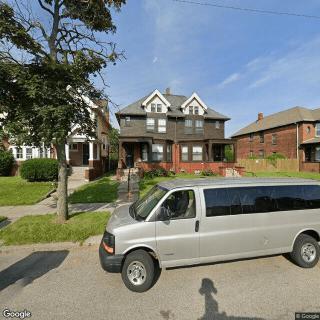



 Comprehensive Look at Senior Blood Pressure Charts: Normal and Elevated Levels by Age
 Top Canine Companions for Older Adults
 Comprehensive Guide to Blood Pressure Charts for Older Adults: Understanding Normal and High Readings by Age