
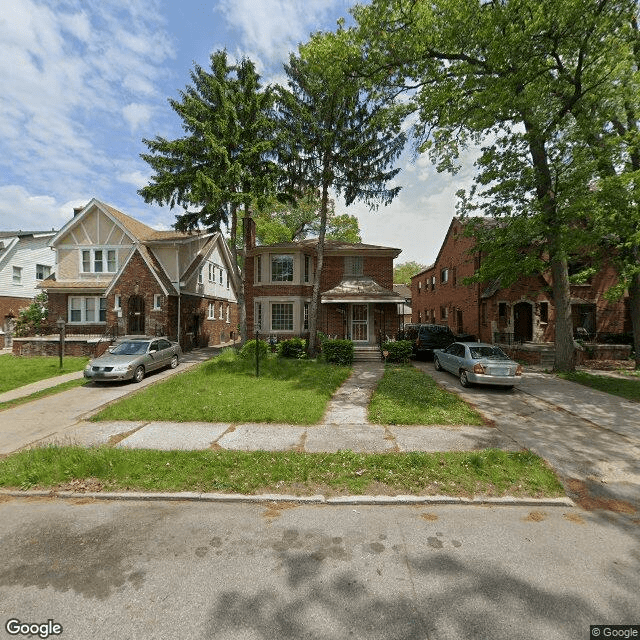
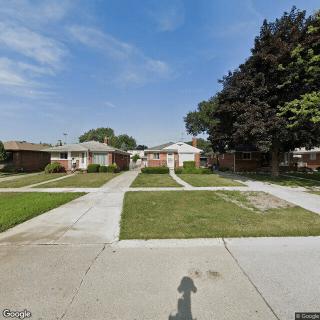
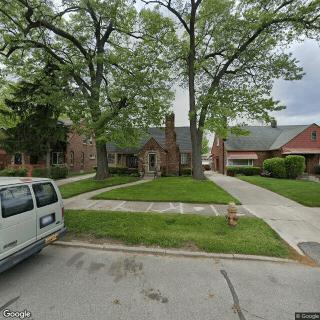
18042 Roselawn, Detroit, MI 48211
To contact a resident: (734) 973-7764
For more information about senior living options: (866) 208-4318
Mother Cabrini Home #5 Costs & Pricing
At Mother Cabrini Home #5, the costs for accommodation offer a compelling alternative when compared to both Wayne County and broader Michigan averages. The semi-private room, priced at $1,500 per month, presents a significant savings opportunity against the county average of $2,860 and the state average of $3,191. In contrast, the studio option is priced at $6,600 per month, which notably exceeds both Wayne County's average of $3,495 and Michigan's statewide average of $3,824. This pricing structure indicates that while Mother Cabrini Home #5 provides competitive rates for semi-private accommodations, potential residents should carefully consider their needs and budget when evaluating the higher cost associated with studio living arrangements.
| Floor plans | Mother Cabrini Home #5 | Wayne County | Michigan |
|---|---|---|---|
| Semi-Private | $1,500 | $2,860 | $3,189 |
| Studio | $6,600 | $3,495 | $3,824 |
Senior living communities with a similar price nearby
-
About the same

Tendercare Residential Services
$1,500 to $3,095 / month10.6 miles away -
from -$225 / mo
Kenyata's Adult Foster Care
$1,275 to $1,950 / month6.8 miles away -
from -$200 / mo
Assure Residential Care
$1,300 to $2,000 / month8.1 miles away -
About the same
Mother Cabrini Home #1
$1,500 to $4,200 / month0.0 miles away -
from -$100 / mo
Better Life AFC
$1,400 / month11.3 miles away
Overall Review of Mother Cabrini Home #5
Pros
 He was helped in his pastoral work among the tribals, and he is grateful to them.
- He is enthusiastic and positive, as reflected by his “Because yes” expression.
- He delights whenever he has time to visit there.
Review
Mother Cabrini Home #5 in Detroit is best suited for seniors who want a quiet, faith-centered living environment where personal connections and pastoral encouragement are part of everyday life. The community reads as a small, home-like setting that rewards visits and informal, relationship-driven care more than high-end amenities or aggressive medical programming. For families prioritizing warmth, spiritual support, and a sense of belonging over glossy facilities, this option can feel like a comfortable, if modest, home base.
Those who should consider alternatives are seniors needing robust, highly supervised medical oversight, advanced memory care, or modern, resort-style environments. The available signal suggests variability in guest experience and a lack of detailed, consistently positive feedback about care quality, programming, or staff stability. For families seeking transparent metrics, comprehensive activity calendars, and strongly regimented daily routines, this community may fall short. In short, this is not the pick for those chasing top-tier medical support or cutting-edge senior living amenities.
Pros center on the social and spiritual texture of daily life. Positive signals come from residents who respond warmly to visits and express gratitude for the community’s openness and accessibility. The sense of a welcoming, personal space, where staff interactions and the ability to connect with faith-based activities appear to be valued, can meaningfully buoy a resident’s mood and sense of purpose. In a setting where companionship and religious or pastoral touchpoints are readily available, these advantages can compensate for a leaner program than larger facilities offer. Yet the strength of these pros hinges on consistent staff presence and genuine engagement, which the limited reviews cannot fully confirm.
The main cons are implied by the mixed, small-sample feedback and the absence of durable metrics on care quality. With four reviews weighing in and a 3.5 overall rating, experiences vary enough to raise questions about consistency in daily care, activity variety, and responsiveness. One star on the spectrum hints at meaningful dissatisfaction in at least one instance, underscoring the risk that not every resident will share the same level of comfort or confidence in care. Families should not assume uniform outcomes; instead, they should probe directly about staffing stability, supervision, and the availability of licensed caregivers during evenings and weekends.
These pros and cons balance differently depending on priorities. For a resident who places a premium on intimate, faith-infused community life and close-knit staff relationships, the positives can outweigh the gaps in formal programming. The ability to cultivate meaningful connections through visits and spiritual support can sustain well-being even when the facility’s resources feel modest. Conversely, for those who require predictable daily schedules, robust clinical oversight, or extensive activity diversity, the uncertainties implied by limited, mixed feedback suggest planning a more thorough on-site visit and comparison with higher-rated options before committing.
Families evaluating Mother Cabrini Home #5 should plan a targeted, in-depth visit and come prepared with probing questions. Key topics include: exact staffing ratios on each shift, the level of licensed medical oversight available 24/7, the range of care services offered (assistance with activities of daily living, medication management, mobility support), the frequency and content of organized activities, and the availability of faith-based programming. Ask about caregiver turnover, emergency response times, safety measures, meal quality, and transparency in billing. Compare these answers with nearby facilities that emphasize higher ratings or specialized memory or medical care. This community can be an ideal fit for those prioritizing companionship and spiritual connection within a modest, homelike environment; for those seeking robust clinical metrics and a structured, high-amenity experience, it’s prudent to look at alternatives and keep expectations aligned with the mixed performance signals.
 Board and Care Home
 Activities off-site
 Indoor common areas
 Detroit Metropolitan-Wayne County (18 miles away)
 Meals provided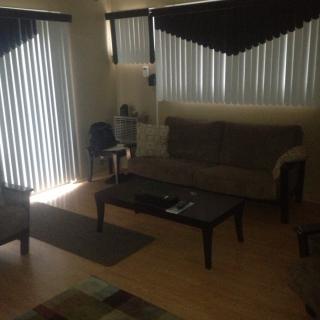



 Understanding Hospice Care at Home: Comprehensive Services, Key Benefits, and Eligibility
 Understanding the Full Cost of 24/7 In-Home Care: A Detailed Overview
 Exploring the World of Home Health Nurses: Qualifications, Roles, and Hiring Tips