
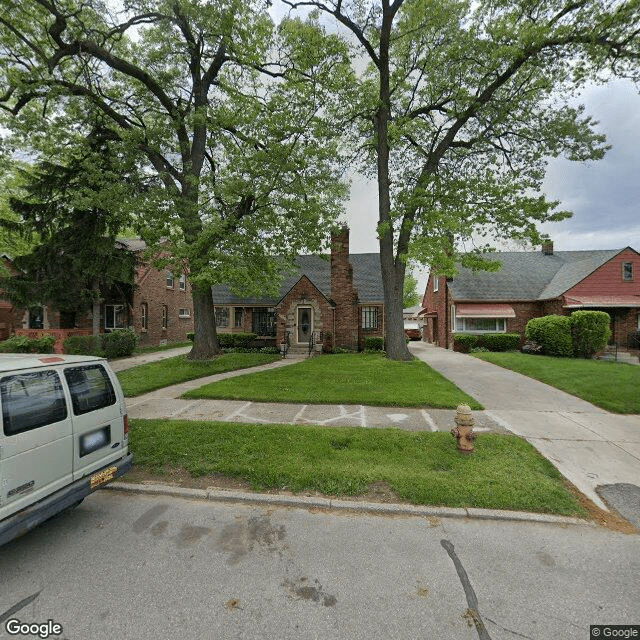
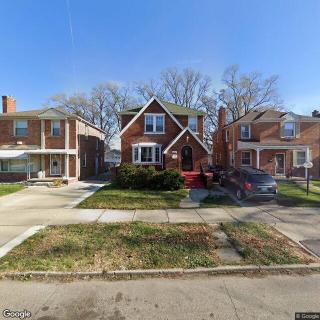
18403 Kentucky, Detroit, MI 48221
For more information about senior living options: (866) 208-4318
Overall Review of Alternative Adult Residence
Pros
 Everything is fine so far.
- All family members, including the grandchildren, are pleased.
- They have responded very well to anything that has come up.
- The staff keep the family well informed about everything.
- Special arrangements were made to place her on the first floor.
- The facility is always clean, and everyone is very friendly.
- They are happy with the food and everything.
- Anyone looking for a place for their loved one should consider these services.
Review
This Detroit community is best suited for families seeking a small, attentive assisted-living option where everyday operations feel personal and straightforward. The setting works well for residents who value a home-like atmosphere, where cleanliness and a friendly staff are the baseline, and where family members want clear, regular updates. The ability to accommodate an on-site needs shift, such as placing a resident on the first floor, speaks to practical planning that reduces daily stress. In short, it serves seniors who want reliable day-to-day support without the pace and scale of a large campus, and who prize accessibility and responsive communication above all.
Those with more intensive medical needs or a requirement for memory-care specialized programming should consider alternatives. The reports describe a calm, clean environment with approachable staff, but there is little public information about on-site clinicians, care plans for complex conditions, or structured activity tracks beyond the basics. For residents who need round-the-clock nursing oversight, advanced wound care, or memory-support services, a larger facility with dedicated memory-care wings and broader clinical resources will likely deliver more peace of mind. In other words, this community shines for routine assistance and companionship, but it is not positioned as a high-acuity or memory-focused option.
Key strengths, impeccable cleanliness, consistently friendly staff, and strong family communication, are not cosmetic. They translate into tangible reductions in daily anxiety for relatives, who feel informed and connected. The good meals and approachable atmosphere support ongoing independence and social engagement, while the willingness to arrange first-floor living demonstrates practical empathy for mobility needs. The main caveat is the limited, two-review data set, which leaves questions about the breadth of services, particular care disciplines, and long-term consistency. Still, these positives present a credible case that, for many seniors, the day-to-day experience will feel reassuring and steady.
Those positives offset potential downsides with a clear return on investment: cleanliness and staff responsiveness reduce risk, confusion, and frustration; transparent communication keeps families out of the informational fog that often accompanies care transitions; and accessible room placement reduces fall risks and mobility strain. If a resident is content with a simple routine, moderate social activity, and reliable meals, the combination of a warm staff and a tidy environment can compensate for fewer bells-and-whistles amenities. The absence of reported medical complexity within the reviews suggests that the care model prioritizes daily living support over medical acceleration, which aligns with families seeking dependable, low-drama oversight.
Families evaluating this community should walk away with a checklist: confirm current staff-to-resident ratios and the availability of licensed clinicians, inquire about care planning processes and how changes are communicated, and verify dietary accommodations and menu flexibility. Ask about transportation options, activity calendars, and guest policies to gauge social opportunities. Since accessibility on the first floor was explicitly mentioned, confirm current floor assignments and any upcoming renovations. Practical assurances, such as emergency protocols, medication management, and fall-prevention measures, are worth anchoring in a concise written plan before move-in.
In sum, this Detroit residence is a solid fit for families seeking a warm, well-run, clean, and communicative home for a loved one who needs light to moderate daily assistance rather than high-acuity medical care. It is less suited for those requiring robust medical oversight, complex memory-care services, or expansive social programming found in larger campuses. The 4.5 rating from two reviews signals high satisfaction, but the small data set means prospective residents should schedule thorough tours and ask pointed questions. When matched with realistic expectations, strong daily quality, dependable staffing, and a straightforward care approach, it becomes a compelling option worth seriously considering.
 4 resident community capacity
 Assisted Living
 Board and Care Home
 Memory Care
 Respite Care
 Cable or satellite TV
 Dining room
 Fully furnished
 Garden
 Housekeeping services
 Move-in coordination
 Outdoor space
 Private
 Telephone
 Wi-Fi/high-speed internet available
 Detroit Metropolitan-Wayne County (18 miles away)
 24-hour supervision
 Activities of daily living assistance
 Assistance with bathing
 Assistance with dressing
 Assistance with transfers
 Diabetes diet
 Diabetic care
 High acuity care
 Meal preparation and service
 Medication management
 Special dietary restrictions
 Transportation arrangement (medical)
 Transportation to doctors appointments



 Guiding Your Journey: Understanding Power of Attorney for Elderly Parents
 22 Remarkable Caregiver Support Groups Available Online and In-Person
 Understanding Medicaid Coverage for Assisted Living: A Comprehensive Guide