Moms & Pops Place offers a remarkably competitive pricing structure compared to the average costs in Baltimore city and the broader Maryland area. For semi-private rooms, the monthly rate at Moms & Pops is $1,700, significantly lower than the $3,116 charged in Baltimore city and $3,545 across the state. Similarly, for private accommodations, Moms & Pops Place maintains affordability with a fee of $2,000 per month, contrasting sharply with Baltimore city's average of $3,729 and Maryland's statewide average of $4,112. This value positioning makes Moms & Pops Place an attractive option for those seeking quality care without the burden of exorbitant costs.
Floor plans
Moms & Pops Place
Baltimore city
Maryland
Semi-Private
$1,700
$3,116
$3,545
Private
$2,000
$3,729
$4,112
Memory care communities with a similar price nearby
Residents and visitors repeatedly call out the cleanliness of bathrooms and common areas.
Multiple reviewers mention very clean bathrooms, including comments like “bathrooms immaculate” and “Bathrooms were VERY CLEAN.” Another reviewer also highlights the place being exceptionally clean inside. One more review simply rates cleanliness as good, reinforcing that it stays consistent to people who have been there.
common2 reviews mention this
Care feels personal to families
Families describe caregiving as personal and attentive to their loved ones.
At least a couple of reviews emphasize the small, hands-on feel, including having “one on one personable interaction” and recognizing caregivers by name. Another review says staff provide good care and work with patient and family requests, framing it as responsive day-to-day support. Together, these comments point to a more individualized caregiving experience rather than feeling like a large facility.
caveat2 reviews mention this
Oversight and daily monitoring raise doubts
Some reviews question care monitoring, oversight, and daily adult support.
One critical review says daily adult senior activities are limited to watching television, and also complains that care metrics like blood sugar, weight, and temperature are not tracked regularly when ordered. Another very negative review states that service is exceptionally poor and advises against placing a loved one there. These comments suggest inconsistent follow-through on daily routines and care documentation for certain situations.
How we summarize
Counts show how many written reviews mention each theme; a review can touch several themes, and only frequently mentioned themes are displayed.
Features
Housing
4 resident community capacity
Types of Care
Assisted Living
Board and Care Home
Memory Care
Amenities
Activities off-site
Activities on-site
Bath tubs
Cable or satellite TV
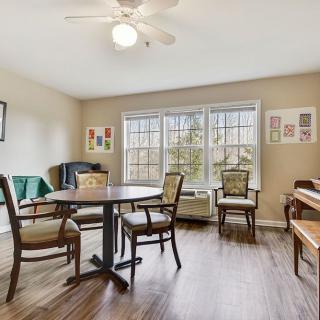
Dining room
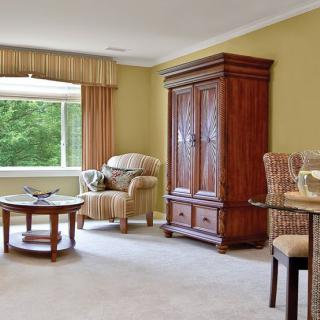
Fully furnished
Garden
Housekeeping services
Indoor common areas
Move-in coordination
Outdoor space
Private
Respite or short term stays offered
Telephone
Wi-Fi/high-speed internet available
Transportation
Baltimore-Washington International (16 miles away)
Care Services
24-hour supervision
Activities of daily living assistance
Ambulatory care
Assistance with bathing
Assistance with dressing
Assistance with transfers
Coordination with health care providers
Diabetes diet
Diabetic care
Incontinence care
Meal preparation and service
Medication management
Special dietary restrictions
Transportation arrangement (medical)
Transportation to doctors appointments
Dining
Diabetes diet
Kosher
Meals provided
Special dietary restrictions
Vegetarian
Activities
Activities off-site
Activities on-site
Community-sponsored activities
Scheduled daily activities
Nearby Places of Interest
This part of Parkville, Maryland offers a variety of amenities and services that cater to senior living needs. With multiple pharmacies such as Giant, Walgreens, and CVS nearby, accessing medication and medical equipment is convenient. In terms of healthcare, there are several reputable physicians' offices and hospitals in the vicinity, including MedStar Franklin Square Medical Center and GBMC. For recreational activities, residents can enjoy the parks like Cromwell Valley Park for outdoor relaxation. Additionally, the area provides easy access to dining options ranging from fast food chains like McDonald's to sit-down restaurants like Looney's Pub Perry Hall. There are also cafes such as Starbucks and Panera Bread for social gatherings. Transportation options include the Lutherville Light Rail Station for easy commuting. Overall, this part of Parkville combines essential services with recreational opportunities suitable for seniors looking for a comfortable and convenient living environment.
Pharmacies
Giant (1.1 miles)
Walgreens (1.1 miles)
Northern Pharmacy and Med Equipment (1.6 miles)
Walgreens (2.3 miles)
CVS Pharmacy (2.5 miles)
Walgreens (2.6 miles)
CVS Pharmacy (2.6 miles)
Physicians
Overlea Personal Physicians (1.2 miles)
Patient First (2.7 miles)
Pediatric Partners (2.7 miles)
Katzen Eye Group (3.1 miles)
Maryland Vascular Specialists (3.5 miles)
Johns Hopkins White Marsh (3.8 miles)
Clinical Associates (3.8 miles)
Restaurants
McDonald's (1.2 miles)
Taco Bell (1.2 miles)
Remo's of NY (1.4 miles)
Chick-Fil-A (1.5 miles)
Checkers (1.7 miles)
Looney's Pub Perry Hall (2.4 miles)
Burger King (2.4 miles)
Parks
Cromwell Valley Park (2.4 miles)
Honeygo Run Regional Park (4.3 miles)
Rodgers Forge Tot Lot (4.7 miles)
Lake Roland (6.5 miles)
Places of Worship
St Demetrios Greek Ort (2.8 miles)
Church of the Immaculate Conception (4.4 miles)
Brown Memorial Woodbrook Presbyterian Church (5.2 miles)
Church of the Nativity (5.9 miles)
Cafes
Starbucks (2.9 miles)
Panera Bread (4.1 miles)
Starbucks (4.4 miles)
Starbucks (4.4 miles)
Miss Shirley's Cafe, Roland Park (6 miles)
Starbucks (6.6 miles)
Hospitals
MedStar Franklin Square Medical Center (3.3 miles)
Moms & Pops Place offers a remarkably competitive pricing structure compared to the average costs in Baltimore city and the broader Maryland area. For semi-private rooms, the monthly rate at Moms & Pops is $1,700, significantly lower than the $3,116 charged in Baltimore city and $3,545 across the state. Similarly, for private accommodations, Moms & Pops Place maintains affordability with a fee of $2,000 per month, contrasting sharply with Baltimore city's average of $3,729 and Maryland's statewide average of $4,112. This value positioning makes Moms & Pops Place an attractive option for those seeking quality care without the burden of exorbitant costs.
Moms & Pops Place incorporates various essential features that significantly enhance the quality of memory care provided to residents with dementia or Alzheimer's disease. Assistance with dressing and bathing not only promotes dignity but also fosters independence, which is crucial for maintaining self-esteem. Medication management ensures that residents receive their medications on time and in the correct dosages, thus preventing complications associated with missed doses. Meal preparation and service cater to specific dietary needs while encouraging social interaction during mealtimes. Transportation arrangements facilitate access to medical appointments, ensuring continuity of care, while coordination with healthcare providers helps establish comprehensive treatment plans tailored to individual needs. Support with activities of daily living and assistance with transfers promote mobility and safety, reducing the risk of falls or accidents. Additionally, 24-hour supervision provides peace of mind for both residents and families, ensuring immediate assistance is available when needed, whereas incontinence care addresses sensitive needs with respect and discretion for resident comfort. Together, these features create a supportive environment that promotes overall well-being and enhances the quality of life for individuals facing cognitive challenges.
Nearby Communities
Autumn Colors
Baltimore, MD
Comprehensive assisted living with meals, housekeeping, daily activities, and care coordination.
Community Care Assisted Living II
Parkville, MD
3.8 from 27 reviews
Willing to tailor care to family needs; clean, small, cozy environment.
Community Care Assisted Living III
Parkville, MD
3.8 from 23 reviews
Very clean facility with personalized attention due to a small resident population.
Autumn Colors Assisted Living
Parkville, MD
$3,500 to $4,000 / month
Private rooms with respite care; pricing aligned with local market.
Victorian Inn
Parkville, MD
3.8 from 16 reviews
Clean, bright facility with delicious meals and caring staff.
House of Victory Apostolic - Rolling Vista
Baltimore, MD
1 from 1 review
Intimate setting with personalized care and comprehensive services (ADLs, diabetes management, meds) plus on-site dining.
Oak Crest
Parkville, MD
4.3 from 60 reviews
$4,266 to $7,299 / month
Extensive amenities and a vibrant activities program, with strong independent living and restaurant-style dining.
John Manley House
Baltimore, MD
2.3 from 3 reviews
$572 / month
Controlled office access with some staff availability; general information available online.
The Cottages of Perry Hall
Parkville, MD
4.4 from 114 reviews
$4,950 / month
Warm, home-like atmosphere with personalized, attentive care in a small, close-knit community.
Dementia encompasses a range of cognitive impairments characterized by types such as Alzheimer's and vascular dementia, and follows a seven-stage progression model known as the Global Deterioration Scale (GDS), highlighting varying symptoms and decline timelines. Early detection allows for lifestyle adjustments to potentially slow progression, while caregivers need support and resources to manage the challenges involved in caring for affected individuals.
The article presents eight strategies for preserving cognitive health and memory in older adults, emphasizing a nutrient-rich diet, regular exercise, intellectually stimulating activities, adequate sleep, social connections, stress management techniques, limiting harmful substances, and regular medical checkups to mitigate age-related memory decline.
Activities of Daily Living (ADLs) are fundamental tasks vital for an individual's independence, particularly in older adults over 85, and include functions like bathing and dressing; assessing ADLs alongside Instrumental Activities of Daily Living (IADLs) helps determine the level of required assistance due to age-related health challenges. Tailored support plans, involving family and community resources, are essential for maintaining dignity and autonomy in assisted living environments.
Get PricingAsk A QuestionSchedule A TourContact Senior Advisor
By clicking submit, you agree to our Partner's Terms of Use. You
also consent to receive calls and texts, which may be autodialed, from our Partner. Your consent is not a condition to
using our Partner's service. Please visit our Partner's Privacy Policy for information about their privacy practices.

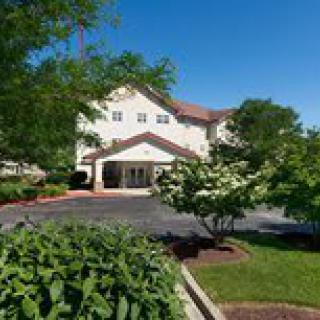
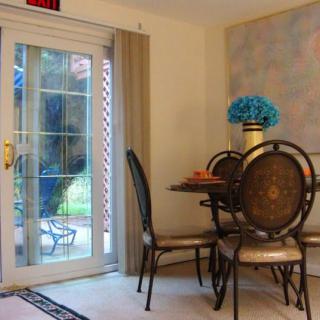
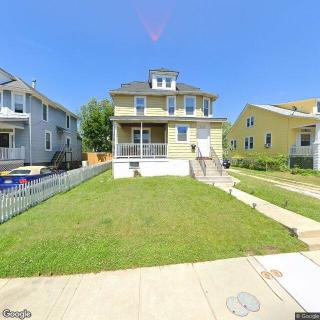
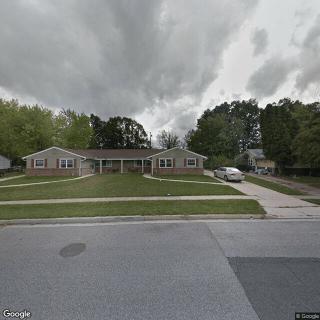

 4 resident community capacity
 Assisted Living
 Board and Care Home
 Memory Care
 Activities off-site
 Bath tubs
 Cable or satellite TV
 Dining room
 Fully furnished
 Garden
 Housekeeping services
 Indoor common areas
 Move-in coordination
 Outdoor space
 Private
 Respite or short term stays offered
 Telephone
 Wi-Fi/high-speed internet available
 Baltimore-Washington International (16 miles away)
 24-hour supervision
 Ambulatory care
 Assistance with bathing
 Assistance with dressing
 Assistance with transfers
 Diabetes diet
 Diabetic care
 Incontinence care
 Meal preparation and service
 Medication management
 Special dietary restrictions
 Transportation arrangement (medical)
 Transportation to doctors appointments
 Comprehensive assisted living with meals, housekeeping, daily activities, and care coordination.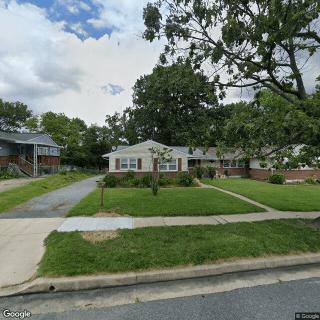

 Understanding Dementia Through Its Seven Stages: A Comprehensive Look at Progression and Expectations
 Safeguarding Your Memory Through the Golden Years: Eight Ways to Preserve Cognitive Health
 Comprehensive Insights into Activities of Daily Living (ADLs) and Their Assessment