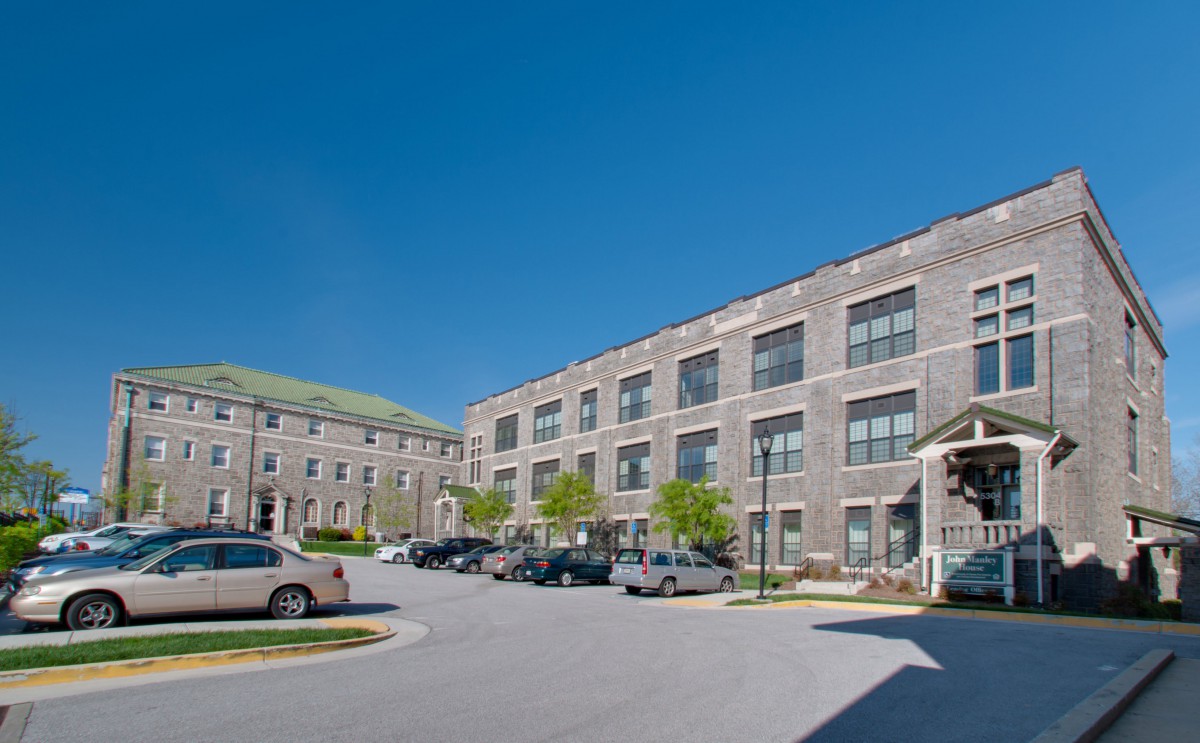
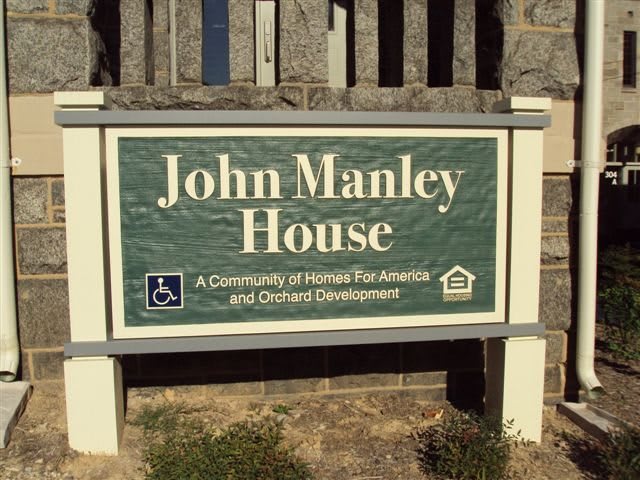











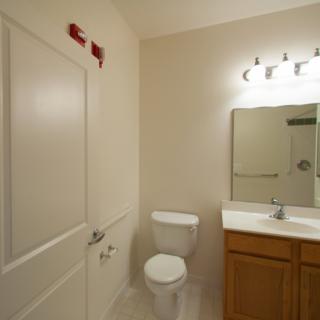
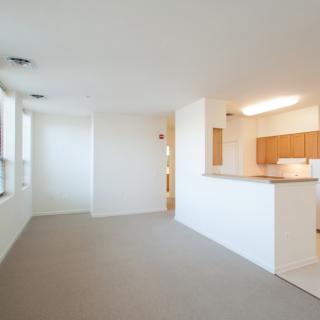
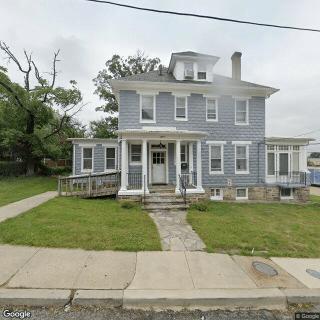
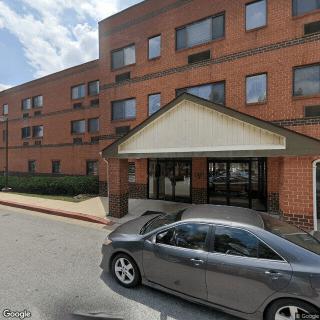
5304 Harford Road, Baltimore, MD 21214
To contact a resident: (410) 444-5244
For more information about senior living options: (866) 208-4318
John Manley House Costs & Pricing
The John Manley House offers an exceptionally affordable accommodation option, particularly when compared to the prevailing costs in Baltimore City and across Maryland. With a monthly rate of just $572 for a two-bedroom unit, it stands in stark contrast to the average city rate of $2,993 and the state average of $3,497. This substantial difference highlights the value that John Manley House provides, making it an attractive alternative for individuals and families seeking budget-friendly living arrangements without compromising on quality.
| Floor plans | John Manley House | Baltimore city | Maryland |
|---|---|---|---|
| 2 Bedrooms | $572 | $2,993 | $3,497 |
Senior living communities with a similar price nearby
-
from +$88 / mo
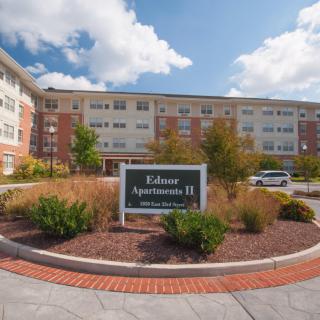
Ednor Apartments II
$660 to $737 / month2.6 miles away -
from -$63 / mo
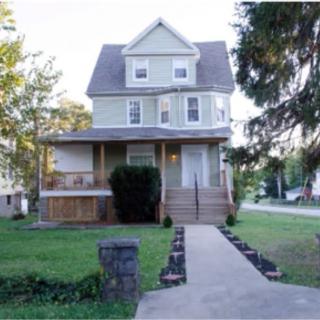
Maine Manor
$509 to $842 / month7.2 miles away -
About the same
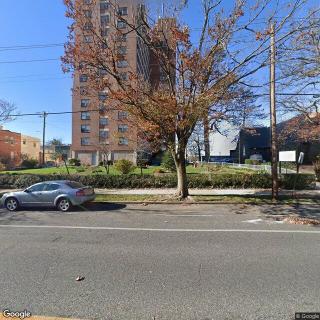
St Mary's Roland View Towers
$574 to $744 / month3.9 miles away -
from +$28 / mo
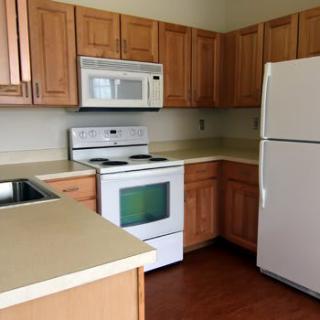
Tiber Hudson
$600 to $792 / month14.0 miles away -
from +$78 / mo
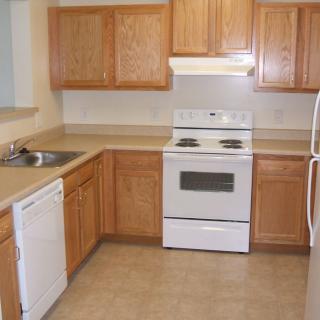
The Greens at Rolling Road
$650 / month10.7 miles away
Overall Review of John Manley House
Pros
 They value stability and have decided to stay in their home for now.
- They describe themselves as an active senior, signaling ongoing engagement with life.
- They advocate for clear, facility-specific information to support informed decisions.
- They would appreciate being shown apartment options with ample advance notice to ensure a proper fit.
- They are proactive in seeking a better housing alternative that better meets their needs.
Cons
 They feel the staff are uninterested and unhelpful, not assisting prospective renters.
- They perceive a chronic lack of facility-specific information about John Manley House.
- They note that information is relegated to the internet as generic data, not tailored to this facility.
- They claim email information is not provided and their questions are ignored.
- They were shown a studio apartment when they asked for a 2-bedroom, implying misrepresentation.
- They describe communications as poor, with calls rarely returned and unclear contact methods.
- They report difficult building access, including a buzz-in entry with unclear instructions and a grayed-out sign.
- They argue the showing process is rushed, with only two days to decide after viewing.
- They conclude there have been too many bad experiences over years to consider residing there.
Review
John Manley House in Baltimore is best viewed as a lean, independent-living option for seniors who prize affordability and a low-touch environment, and who can tolerate a management experience that is markedly slow to respond and thin on facility-specific information. It is not a good fit for those who rely on clear answers, proactive guidance, or timely communication when evaluating a move. This community rewards self-direction and a willingness to push for details, rather than expecting a responsive, question-friendly office or a straightforward, well-documented tour process.
Those who might want to consider alternatives are adults who need consistent, accessible, facility-specific information before applying. Families and individuals who value transparent rent structures, explicit policies on income limits, deposits, parking, utilities, pets, guest rules, and live-in assistance should look elsewhere. The track record here shows frequent gaps in information delivery, delayed return calls, and a general sense that the office is difficult to reach or to engage in meaningful conversations about what living here would actually entail.
The pros, if any, do not materially offset the most damaging cons. The facility’s sparse documentation, reliance on generic Habitat America materials, and the insistence on internet search for specifics undermine the decision-making process. The few positive attributes one might ascribe to any independent senior housing, like potential affordability or basic apartment living, are undercut by chronic access problems (buzz-in entry hurdles, unclear dial-in instructions, a malfunctioning or unreadable exterior buzzer), inconsistent phone communication, and a lack of tailored, facility-specific information. In short, the downsides overwhelm any perceived advantages, making the path to a confident commitment murky and risky.
For anyone still considering a tour or a move, the following clarifications are essential before proceeding. Demand a dedicated, per-property information packet that covers current rents, unit sizes (including availability of two-bedroom options), income qualifications, security deposits, auto-pay, and what utilities residents are expected to cover. Request a clear, step-by-step timeline for showings, with notice and options to view a unit before any repairs or painting begins. Insist on a direct line or email channel for follow-up questions, and ask for a written summary of the annual assessment metrics used in any waiting-list or occupancy conversations. Confirm live-in aides or temporary care arrangements, pet policies, guest limits, and safety measures that actively monitor mobility and daily living needs.
Comparisons with better-run options are straightforward. Seek communities that post facility-specific information online, provide prompt email and phone responses, and schedule tours with posted timelines and realistic expectations. Look for transparent policies on rent escalations, utility allocations, parking, and guest access, as well as straightforward paths for prospective residents to obtain written clarify-ers before signing. In practice, this means favoring homes where staff training is evident, office access is easy, and the overall intake process is standardized and documented rather than improvised or masked by general corporate materials.
The recommendation is clear: this community should be prioritized only by those who are comfortable navigating ambiguity and who can absorb the friction of a system that lacks straightforward, facility-tailored information. For most families weighing a move, safer bets lie with properties that demonstrate a proven track record of responsive management, transparent pricing, and well-documented policies. If choosing John Manley House, approach with a plan: lock in exact, written details up front; verify what is truly included in rent; and insist on a clear, repeatable process for evaluating apartment options and ongoing communications. Without those assurances, the decision becomes a gamble rather than a confident, informed choice.
 Active Adult Communities (55+)
 Cats allowed
 Dogs allowed
 Activities off-site
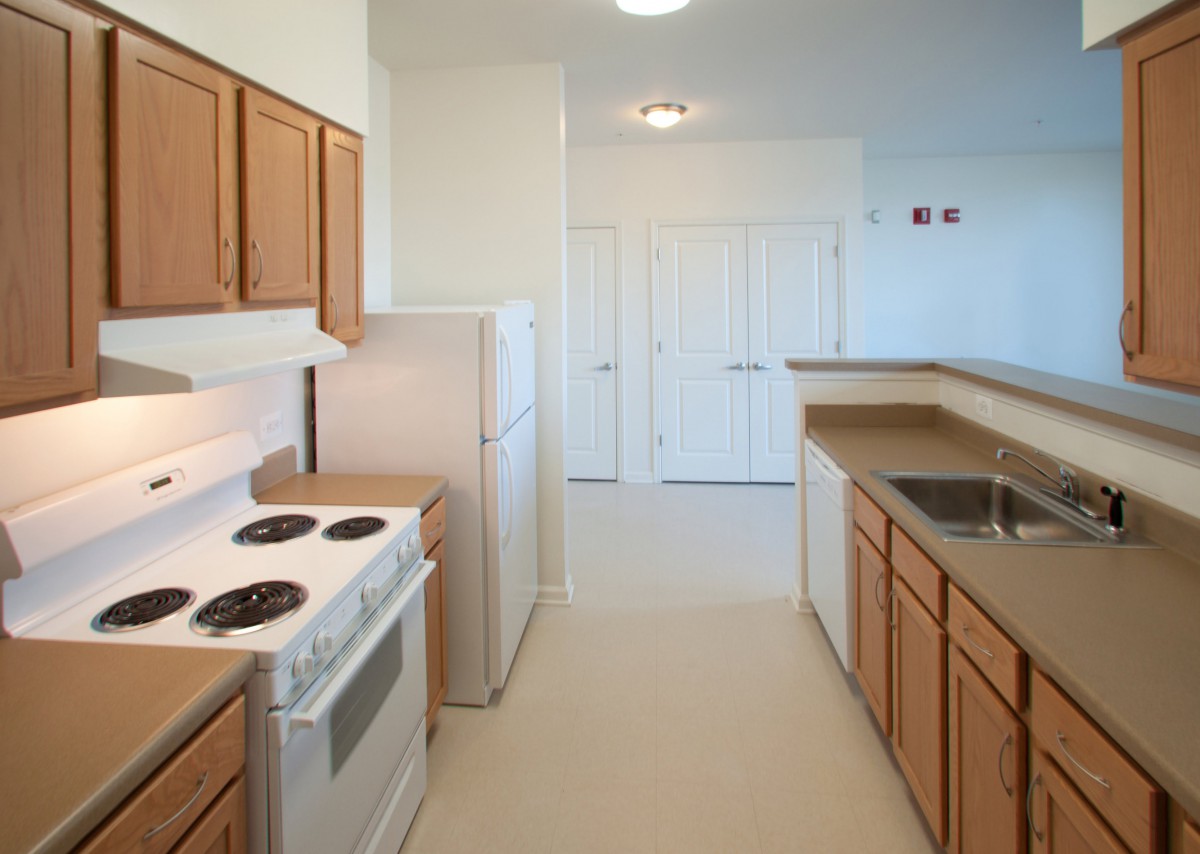
 Full kitchen
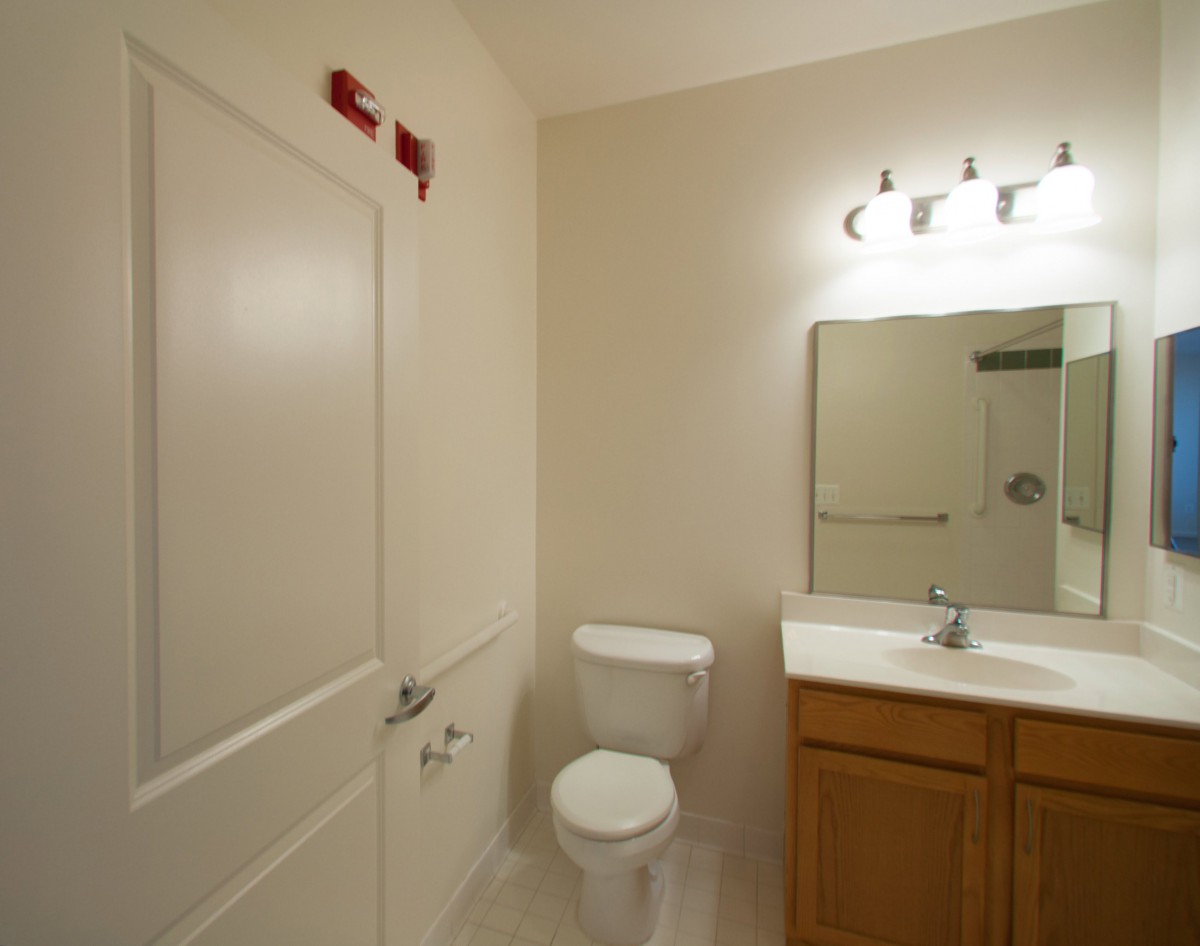
 Handicap accessible
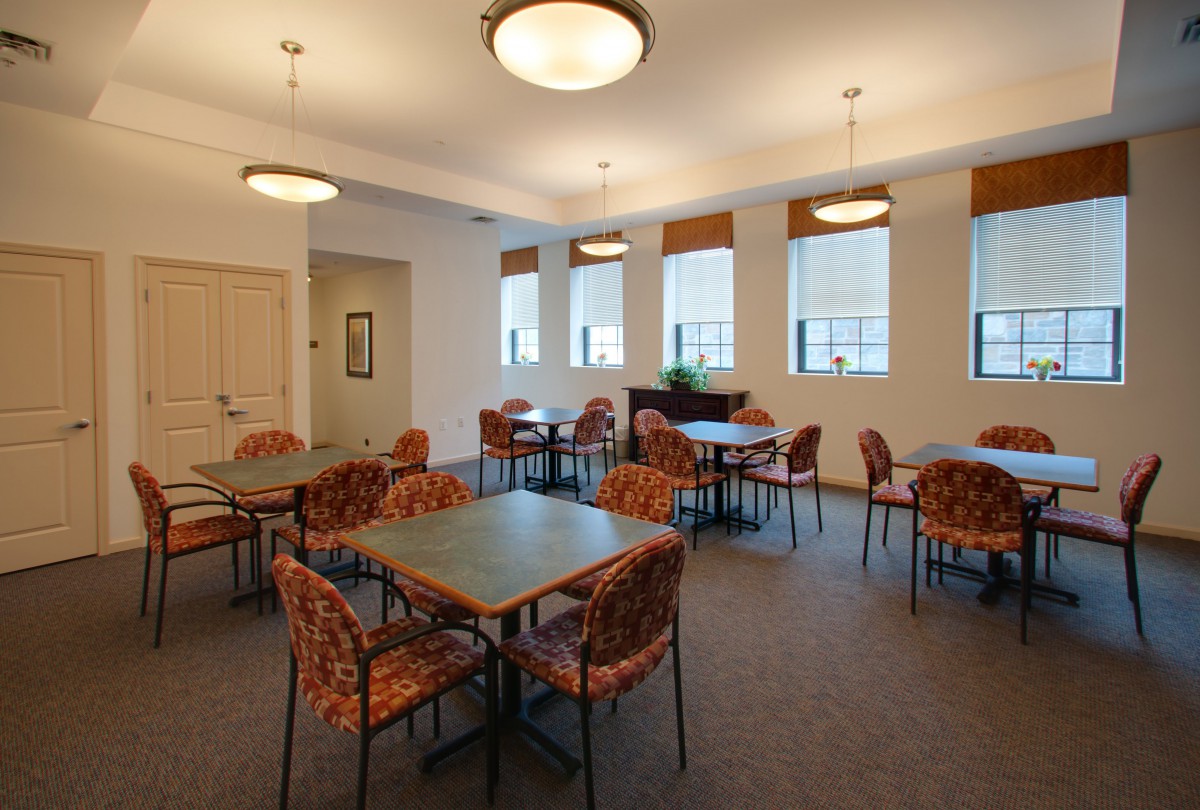
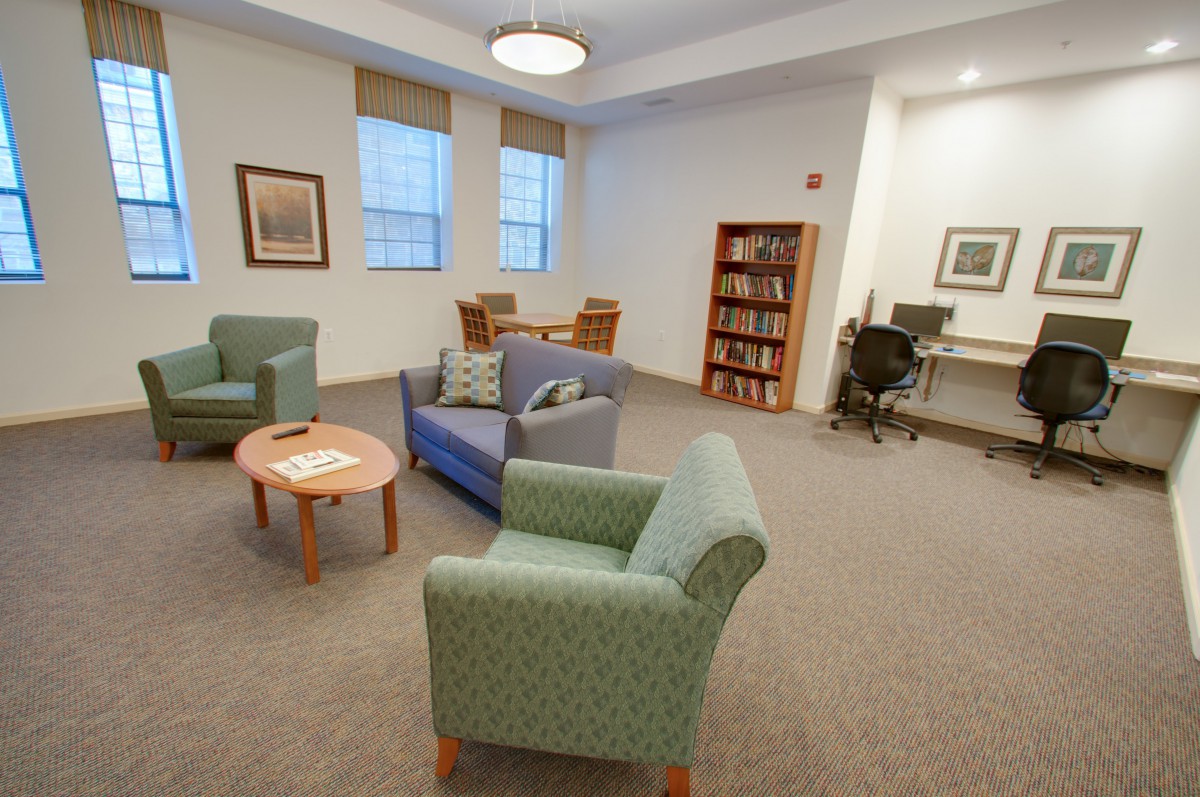
 Indoor common areas
 Outdoor common areas
 Baltimore-Washington International (13 miles away)
 Supportive Employee Benefits That Help Caregivers Attain Better Work-Life Harmony
 Top Cars for Senior Drivers and Essential Safety Innovations
 A Closer Look at Private Pay Home Care