
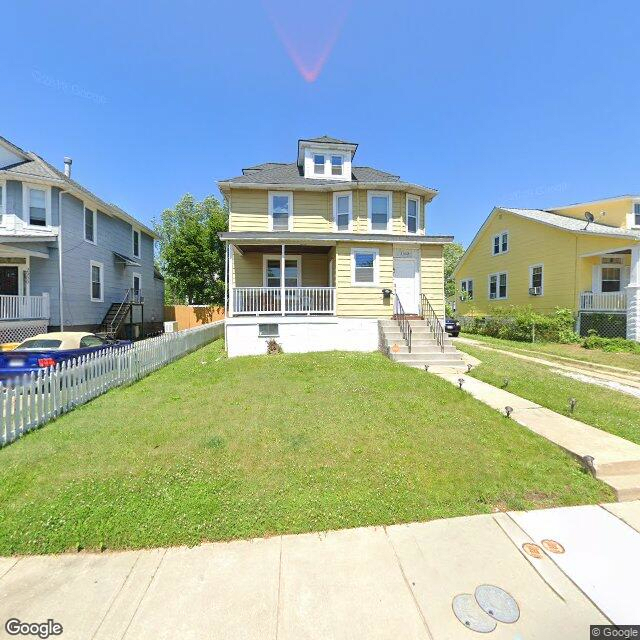
2902 Bayonne Ave, Baltimore, MD 21214
To contact a resident: (410) 236-7199
For more information about senior living options: (866) 208-4318
We Care First, LLC Costs & Pricing
We Care First, LLC offers competitive pricing for various room types compared to both Baltimore City and the broader Maryland region. For a semi-private room, We Care First charges $2,000 per month, significantly lower than the Baltimore City average of $3,116 and the state average of $3,545. Similarly, their private rooms are priced at $2,500 each month, providing substantial savings over the city's average of $3,729 and the state's average of $4,112. The cost remains consistent across studio and one-bedroom options as well, with both available at $2,500 per month - again a stark contrast to Baltimore City's studio price of $4,060 and one-bedroom rate of $3,113. Overall, We Care First positions itself as an affordable alternative in a market where costs can be considerably higher.
| Floor plans | We Care First, LLC | Baltimore city | Maryland |
|---|---|---|---|
| Semi-Private | $2,000 | $3,116 | $3,545 |
| Private | $2,500 | $3,729 | $4,112 |
| Studio | $2,500 | $4,060 | $4,656 |
| 1 Bedroom | $2,500 | $3,113 | $3,904 |
Memory care communities with a similar price nearby
-
from -$300 / mo
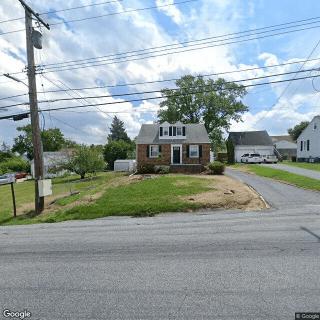
Moms & Pops Place
$1,700 to $2,000 / month2.4 miles away -
from +$280 / mo
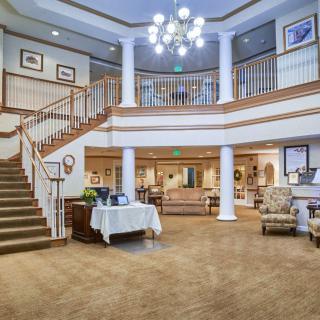
Sunrise of Pikesville
$2,280 to $4,225 / month9.1 miles away -
from -$172 / mo

Noble Senior Living at Baltimore
$1,828 to $2,858 / month5.1 miles away -
About the same
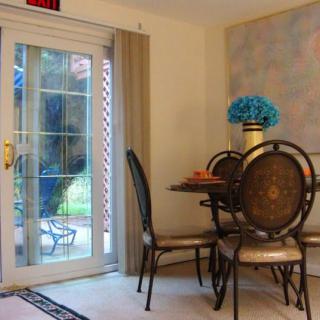
Homestyle - Pikesville
$2,000 to $2,800 / month10.5 miles away -
from +$300 / mo

Pfefferkorn Assisted Living
$2,300 to $2,900 / month23.7 miles away
Overall Review of We Care First, LLC
Pros
 The staff are easy to communicate with and attentive.
- They help residents with what they need, including wheelchair assistance.
- The food is home-cooked and well-liked.
- The facility is kept clean with housekeeping on site around the clock.
- Rooms are cleaned, beds are made, and laundry is promptly taken care of.
- There are engaging activities like bingo and arts and crafts, with visitors who sit and talk with residents.
- The doors are open all the time, allowing visits without advance notice.
- Lin’s is a smaller home that enables face-to-face conversations, with a hands-on staff and a readily reachable owner.
Cons
 The reviewer notes that the mother has a bedsore and is in pain a lot.
- There aren’t enough staff to provide adequate care; at night there are only about 12–15 people, with even fewer during the day, spreading attention too thin.
- There are some repairs that need to be done on the house.
Review
We Care First, LLC in Baltimore is best suited for families seeking a small, home-like environment where daily care is highly responsive and staff accessibility is front and center. This community shines for residents who need practical assistance, such as wheelchair support, help with bath and dressing, and steady oversight of safety and daily routines, and for families who want to drop in without a lot of notice. The open-door policy, visible housekeeping, and attentive staff create a sense of security and comfort that many families prioritize when a loved one relies on consistent, hands-on help. Cleanliness and a calm, predictable schedule contribute to reliability, while routine social activities offer meaningful engagement without overwhelming a resident who prefers a quieter pace.
That clarity about fit should also steer families toward alternatives when the situation calls for something more formal or medically intensive. For those who require a larger, institution-like setting with robust clinical oversight, or access to a broader range of therapies and skilled nursing options, exploring other licensed facilities with dedicated medical staffing can be wise. The most compelling counterpoint comes from smaller, owner-involved homes that emphasize intimate, highly personalized care and direct accountability from leadership. In such environments, families can often achieve extraordinary responsiveness, but the trade-off is a narrower scope of services and a tighter capacity to absorb sudden medical complexity.
The strongest pros here, attentive, easily reachable staff; clear communication channels; practical assistance for mobility-impaired residents; spotless, consistently maintained spaces; and a secure, comfortable atmosphere, do a powerful job of offsetting potential gaps. The combination of 24/7 housekeeping with proactive cleanliness and a schedule that carefully protects residents from cold-weather risks demonstrates real commitment to daily quality of life. Social programming, from bingo to crafts, adds structure without feeling bureaucratic, and the overall sense is that staff are present and engaged, not merely performing tasks. For families juggling multiple caregiving duties, this level of everyday reliability translates into meaningful peace of mind.
Where the conversation shifts is in the scale and formal support network. The smaller, home-style model highlighted in the companion alternatives presents a compelling contrast: owners who are hands-on, accessible, and intimately involved with each resident’s care, including wound care and hospice coordination when needed. These environments often excel at rapid responsiveness and personalized attention, even when resources are more modest and capacity is limited. However, that same intimacy can mean fewer on-site specialists, fewer on-site therapy options, and less formalized procedures for emergencies or rapid escalation of care. If a loved one’s needs threaten to outpace what a small home can sustainably provide, the value of a larger, facility-based program becomes clear.
For families evaluating a tour, the practical questions should focus on care scope and escalation paths. Confirm how daily needs are documented and communicated, who responds after hours, and how medical and therapy services (wound care, PT/OT, hospice) are coordinated. Observe the environment for accessibility, safety features, and the pace of daily activities. Ask about staff turnover, care plan customization, and the owner or administrator’s availability for direct conversations. If the priority is a homey, visible care style with straightforward oversight, We Care First delivers decisively; if the priority is a broader medical support network or more extensive therapy options, alternatives like the smaller, owner-operated homes or larger licensed communities may serve better.
In the end, the decision hinges on care intensity and visitation preferences. We Care First offers a dependable, uncluttered, clean, and communicative setup where families can feel confident in day-to-day supervision, safety, and companionship. Its strengths lie in practical support, ease of access, and a trusted staff presence that keeps residents engaged without sacrificing dignity. When the care needs skew toward complex medical management or require a broader ecosystem of professionals, or when a larger community with more formal infrastructure is sought, exploring alternatives, especially smaller, family-run homes that emphasize hands-on leadership and direct caretaker involvement, becomes a prudent, value-driven step.
 Board and Care Home
 Memory Care
 Activities on-site
 Devotional services off-site
 Indoor common areas
 Outdoor common areas
 Private
 Respite or short term stays offered
 Baltimore-Washington International (14 miles away)
 Diabetic care
 Incontinence care
 Kosher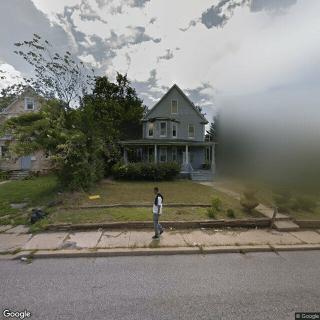

 Delving into the Inner World of Dementia: Insights into Thoughts and Awareness
 Five Subtle Dementia Indicators to Observe: An In-Depth Guide to Understanding “Does My Mom Have Dementia?”
 Dementia, Paranoia, and Caregiver Guidance: Understanding the Connection