
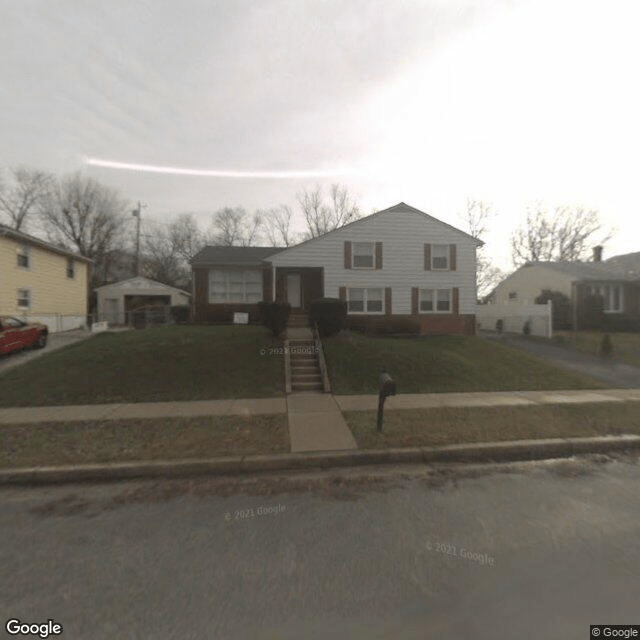
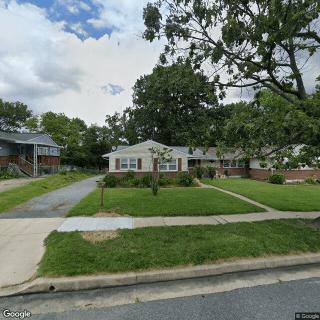
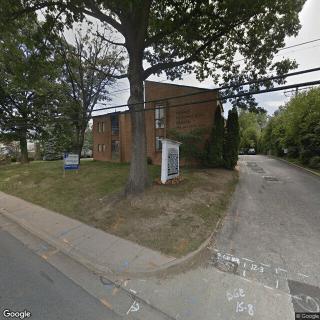
9309 Thornewoods Drive, Parkville, MD 21234
To contact a resident: (410) 665-7566
For more information about senior living options: (866) 208-4318
Overall Review of Community Care Assisted Living III
Pros
 The staff was very friendly, well trained and professional.
- The company is family owned and operated.
- They were very diligent in helping families understand the home health care process.
- The facility was very clean, and the staff were polite, respectful, and professional.
- The staff were very kind and patient.
- The agency has been a long-standing, trusted choice for many years.
- It provided trustworthy and knowledgeable nurses who delivered high-quality care.
- The staff and administrators are resourceful, knowledgeable, and follow the rules.
- CCNS is a great place to work.
- The management and coworkers treat employees like family.
- Everyone has positive energy and makes it a fun place to work.
- The staff is very helpful and caring.
Cons
 The agency is the worst possible to deal with.
- The nurses act as if they’re doing you a favor by taking the child’s case.
- The agency avoids talking to clients at all costs.
- They never have coverage if a nurse calls out.
- The scheduler waits until the last possible moment to communicate that there will be no coverage.
- The nurses are entitled, lazy, liars, and the agency imposes no reprimands for their employees.
- There are constant no-shows and at least one nurse slept on the job, with far fewer hours than contracted—DO NOT TRUST THEM.
- No patient confidentiality; stay away from this place; they treat patients and employees with no respect or care.
Review
Community Care Assisted Living III in Parkville tends to work best for families seeking a small, hands-on, family-like environment where caregivers are visible leaders in the daily routine and where management has a long-standing, practical approach to care. This is not a large, polished campus with a one-size-fits-all program; it’s a more intimate setting that rewards families who value consistent, personal attention, open communication, and a sense that the care team knows the resident’s story. Those who require guaranteed, round-the-clock nursing coverage without gaps or who need extensive accessibility upgrades may find this option less reliable and should consider alternatives.
The strongest positives center on staff demeanor and alignment with families. Reviews consistently describe the team as clean, polite, respectful, and professional, with caregivers who are genuinely caring and patient. The facility benefits from a family-owned atmosphere that many families interpret as trustworthy and accountable, with staff who are seen as resourceful and responsive. Notably, several families emphasize that the nursing services feel integrated, with replacements provided promptly when a caregiver is unavailable, and with a workforce that can grow familiar with a resident’s needs over years. For families who prize relationships, continuity, and a sense that “the team knows the right nurse for the right situation,” this environment delivers tangible peace of mind.
Yet, the service model carries meaningful caveats that can shape the decision. The most persistent concerns revolve around nursing coverage: last-minute callouts, gaps in scheduling, and instances where nurses were described as sleeping or otherwise not meeting expectations on the job. Communication around coverage changes can be inconsistent, especially when new nurses enter the home, leaving families feeling out of the loop during transitions. A subset of reviews also raises red flags about confidentiality and respect, signaling that the staffing arrangement may elevate risks in these domains if not carefully overseen. There are even observations about the physical setup that hint at gaps for residents with significant mobility or accessibility needs, such as limited wall railings or other features that would support a more labor-intensive day.
The key question is how these pros and cons balance out in real-life decisions. For families prioritizing trusted, people-first care and who can tolerate occasional scheduling variability, the positive track record of professionalism, warmth, and resourceful coordination can offset the downsides. The presence of a family-owned, responsive backbone helps many families feel that their loved one is in capable hands and that staffing concerns are addressable with proactive planning. However, for residents who are medically fragile, require near-constant nursing oversight, or who depend on a barrier-free environment with robust mobility supports, the reliability gaps and the physical-accessibility caveats become material risks that can undermine safety and daily independence.
Practical due diligence can clarify where this community sits on the decision spectrum. Families should verify the cadence of back-up coverage and request a written outline of who covers shifts when the assigned nurse is unavailable. Directly observing a shift change and speaking with current residents about their day-to-day experience can illuminate how well communication flows when new caregivers arrive. It is also essential to review accessibility features, rails, ramps, elevator access, and how the layout supports versus hinders mobility, to ensure alignment with the resident’s physical needs. Finally, inquire about confidentiality practices and staff training to ensure that the care environment respects privacy and dignity across all shifts and providers.
In the end, Community Care Assisted Living III offers a compelling option for families who want a close-knit, attentive setting with a demonstrated commitment to quality care and flexible staffing. It is not the best fit for anyone whose top priority is unwavering, 24/7 nurse coverage without scheduling gaps or for residents requiring robust, facility-wide accessibility accommodations. For those willing to engage actively with the care team, insist on clear coverage protocols, and value the human element of caregiving, this community can deliver meaningful, reassuring daily life for a loved one. The question becomes whether the potential for occasional scheduling variability and accessibility limitations is acceptable in exchange for the proven, personal approach that many families already prize here.
 Private bathrooms
 Baltimore-Washington International (17 miles away)
 Diabetic care
 High acuity care



 In-Home Care Costs in 2025: A Detailed State-by-State Exploration
 Understanding Home Health Care: A Comprehensive Guide
 Home Health Care Demystified: A Comprehensive Guide for Families and Caregivers