
7824 Rolling Vista Court, Baltimore, MD 21236
For more information about senior living options: (866) 208-4318
Overall Review of House of Victory Apostolic - Rolling Vista
Cons
 The manager Callie is unprofessional and mouthy.
- She says things that don’t make sense.
- This place feels more like a prison than a house of victory.
- It’s definitely not for a person with their right mind.
- The reviewer cautions others to beware of this place.
Review
This community is best suited for a very specific profile: a resident who deliberately accepts a tightly controlled, austere environment and who can tolerate a confrontational, less-than-professional staff dynamic. Based on the sole published feedback, the setting is not aligned with the expectations of dignity, autonomy, and respectful engagement that most families seek for a senior living arrangement. The reviewer’s experience portrays the management as unprofessional and blunt, with interactions that feel dismissive or confusing. In practical terms, this is not a fit for anyone who wants clear, courteous communication and a supportive day-to-day atmosphere. The takeaway: only the most risk-tolerant family, if any, would consider this option without pursuing extensive corroboration and safeguards.
The most salient drawbacks center on management behavior and the overall climate inside the building. The review describes professional boundaries as unclear and introduces a tone that reads as punitive rather than supportive. The characterization of the place as “like a prison” signals a culture where autonomy, resident rights, and comfortable, respectful interactions may be compromised. With no positive counterweight in the available feedback, these concerns are the dominant and defining risk. Families should weigh heavily whether a tightly supervised, potentially adversarial atmosphere aligns with their loved one’s needs and personality.
Who may want to consider alternatives? Families prioritizing a warm, resident-centered culture should look elsewhere. If reliable, empathetic staff who communicate with patience and consistency are nonnegotiable, this community should not be front of mind. Those who can tolerate a severe, rule-focused environment in exchange for other considerations (cost, location, or a religious setting) might still want to compare options elsewhere first, and only after direct, in-person assessments. In short, this option warrants a cautious pass for the vast majority of seniors who value dignity, autonomy, and supportive daily routines.
How the few potential positives stack up against the main cons? In this case, there are no documented positives in the feedback provided that would meaningfully offset the concerns described. Without evidence of compassionate staffing, transparent policies, or resident-rights protections, any claimed benefits are unverified and insufficient to counterbalance the risk of an oppressive atmosphere. The absence of credible strengths makes the negative aspects essentially unmitigated, which is a decisive factor for families evaluating safety, dignity, and long-term well-being.
For families evaluating options, a disciplined due diligence routine is essential. First-hand observations during a visit should focus on staff conduct, the tone of interactions with residents, and the ease with which residents can express preferences or concerns. Ask for the formal resident rights policy, the staff code of conduct, and the grievance resolution process, and request recent licensing and inspection records. Observe how staff respond to questions about resident autonomy and daily routines, and insist on speaking with residents and family members who have recent experience with the facility. If necessary, negotiate a trial period or short-term arrangement to assess fit before any long-term commitment. Clarify what accountability looks like and ensure there is a clear, timely mechanism for addressing dissatisfaction.
The bottom line is clear: for most families, this community represents a high-risk choice that contrasts sharply with the expectations of respectful, resident-focused care. Alternatives offering trained, courteous staff and transparent governance are strongly preferred. If nevertheless this option is on the table, proceed only after rigorous verification of policies, proactive demonstration of respectful communication, and a concrete plan to safeguard rights and dignity from day one. The prudent path is to pursue options with a track record of patient-centered care and credible resident advocacy, and to reserve this community as a last resort only after exhaustive comparison.
 4 resident community capacity
 Assisted Living
 Cable or satellite TV
 Dining room
 Fully furnished
 Garden
 Housekeeping services
 Move-in coordination
 Outdoor space
 Telephone
 Wi-Fi/high-speed internet available
 Baltimore-Washington International (16 miles away)
 24-hour supervision
 Activities of daily living assistance
 Assistance with bathing
 Assistance with dressing
 Assistance with transfers
 Diabetes diet
 Meal preparation and service
 Medication management
 Special dietary restrictions
 Transportation arrangement (medical)
 Transportation to doctors appointments
 Excellent access to healthcare, dining, and cultural/religious amenities nearby.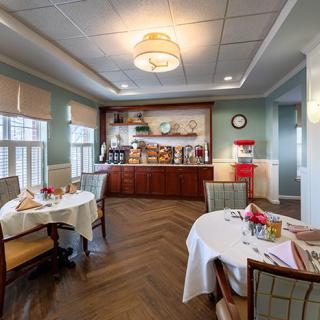






 An Extensive Exploration of the VA Aid and Attendance Benefit
 Senior Transition Services: Understanding Their Role, Cost, and Importance
 Exploring the Path to Senior Living: A Comprehensive Look at Independent Living and Assisted Living