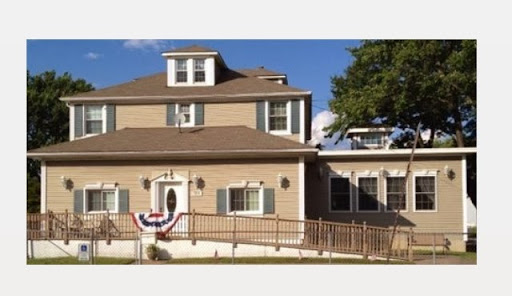





3216 Taylor Avenue, Parkville, MD 21234
To contact a resident: (410) 444-0031
For more information about senior living options: (866) 208-4318
Victorian Inn Costs & Pricing
At Victorian Inn, the monthly cost for a private room is set at $2,395, which positions it as a more affordable option compared to the broader market in Baltimore City and the state of Maryland. In Baltimore, similar accommodations average around $3,729 per month, while statewide figures reach approximately $4,112. This significant price disparity highlights Victorian Inn's competitive pricing strategy, making it an attractive choice for individuals seeking quality living arrangements without the premium associated with other local or state options.
| Floor plans | Victorian Inn | Baltimore city | Maryland |
|---|---|---|---|
| Private | $2,395 | $3,729 | $4,112 |
Overall Review of Victorian Inn
Pros
 The facility is clean.
- They cook good food, and residents enjoy it.
- The residents speak highly of the home.
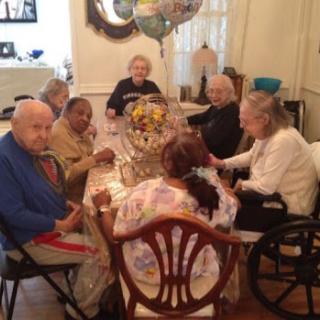
- It is a lovely, lively place with a spirited resident community.
- The staff are completely dedicated to residents' well-being.
- The care provided is phenomenal.
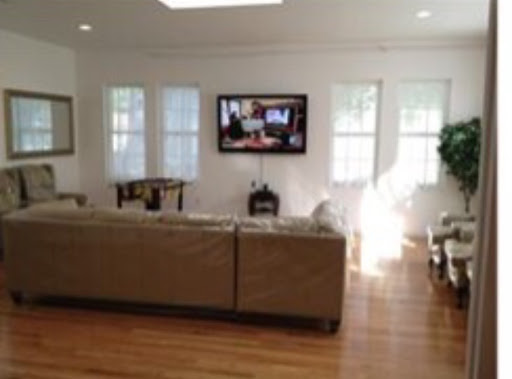
- The place is clean, bright, and cheerful.
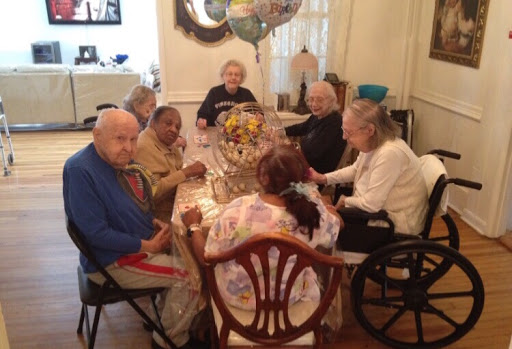
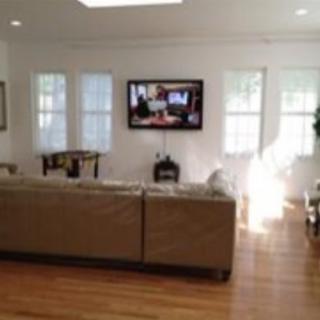
- The common area is large, bright, and a social hub.
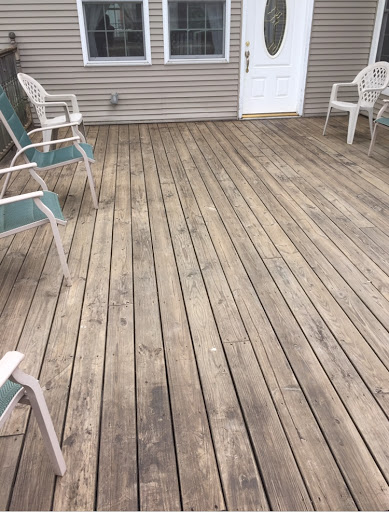
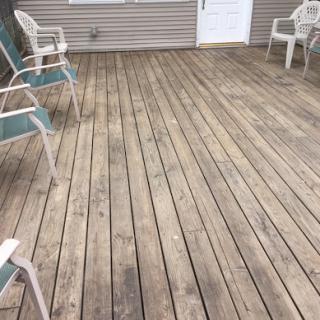
- Residents can safely access the outdoor area.
Cons
 The staff did not want to lift or get the resident out of bed and kept her sitting in a wheelchair all day.
- They cited shoulder and back pain as the reason they could not lift her.
- Medications were run out, and the resident was fussed at for being agitated.
- Management was not responsive to calls, texts, or emails.
- The owner never called to inquire about the resident during hospitalization after a low blood pressure and change in mental status.
- The care was described as below average, with a priority on monetary concerns rather than residents' well-being.
Review
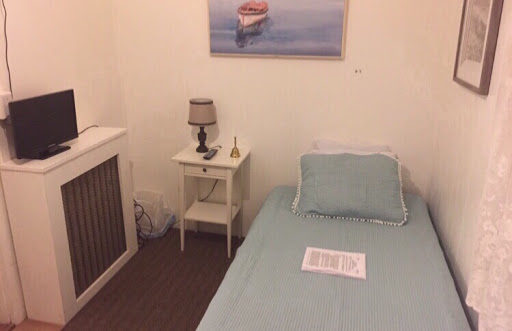
Victorian Inn in Parkville, MD is best suited for families seeking a small, home-like setting where daily care is personal, meals are dependable, and residents can enjoy a social, lively atmosphere. The community appeals to those who prioritize cleanliness, a bright, communal living space, and a safer, contained outdoor area that reduces wandering risk. Rooms are modest in size, but the emphasis on shared spaces fosters interaction and a sense of belonging. It is not a fit for families needing constant, high-level medical oversight or a tightly regimented clinical schedule; here the tempo tends to be gentler, with care folded into everyday routines rather than driven by a rigid medical calendar.
Those who may want to consider alternatives are light on the list. If the priority is proactive, highly responsive nursing oversight and consistently prompt management follow-up, this may not meet expectations. Families that require reliable medication management, rapid attention to changing health status, or a facility that maintains a predictable, scheduled activity calendar should look at other options. For residents with complex medical needs, frequent mobility challenges, or a desire for a more structured routine and readily available clinical support, a larger or more medically oriented community could be a safer fit.
The strongest positives at Victorian Inn center on care that is tangible in daily life: cleanliness, good food, and a warm, social environment. Several reviewers highlight that the staff are dedicated to residents’ well-being, meals are abundant and appealing, and the common areas promote interaction and safety. The sense of a lively, engaged resident body, people who know one another and enjoy company, creates a compelling living atmosphere that supports emotional well-being. These strengths matter when a family weighs day-to-day quality of life, especially for residents who thrive on companionship and routine that centers around meals and shared spaces.
However, the main drawbacks pull in the opposite direction and cannot be ignored. Reports of staff reluctance to assist with lifting or mobility, and instances where medications were not readily available, signal serious gaps in direct care. Management responsiveness appears inconsistent, with some families feeling ignored or let down during health changes or hospitalizations. The perception that financial considerations may eclipse resident welfare adds another layer of caution for families evaluating risk and trust. Finally, the absence of a structured, staff-led activities program means families who want a busy, stimulating calendar may need to fill in those gaps themselves, which diminishes the facility’s own value proposition.
From a practical standpoint, families should verify staffing levels, the routine for mobility and personal care, and the facility’s process for medication administration and clinician involvement. Tour the premises during peak hours to observe how staff interact with residents, especially those who require assistance. Inquire about incident logs, response times, and any recent changes in management or ownership that could influence daily operations. If possible, meet with the administrator and request a clear example of a typical day for a resident, including meals, activities, and care tasks. Consider asking for references from current families to gauge consistency over time.
Lifestyle-wise, Victorian Inn offers a safe, welcoming environment with ample, appetizing meals and bright, inclusive common spaces. Residents appear to value the social fabric and the sense of community in the shared areas, and the safety design, easy access to outdoor space without risk of wandering, adds peace of mind for families. The smaller footprint and home-like feel are meaningful advantages for those who dislike the impersonality of larger campuses and who prize a warm atmosphere over a high-tech clinical setting. Yet the lack of a formal activity schedule and the uneven care delivery may limit the appeal for residents who need more structured daily engagement or more robust clinical oversight.
In sum, Victorian Inn is a viable option for families prioritizing cleanliness, good nourishment, and a lively social milieu within a intimate setting. It works best when daily care tasks, feeding, bathing, and basic hygiene, are carried out reliably by attentive staff and when residents can thrive on companionship and a comfortable home-like routine. For those who require consistent, proactive medical management, rapid management responsiveness, strong medication oversight, or a full, professionally staffed activities calendar, alternatives should be explored. A careful site visit, focused questions about staffing and care plans, and conversations with current residents will reveal whether this community can deliver the balance of warmth and reliability that meets the specific care trajectory.
 16 resident community capacity
 Assisted Living
 Board and Care Home
 Respite Care
 Cable or satellite TV
 Dining room
 Fully furnished
 Garden
 Housekeeping services
 Move-in coordination
 Outdoor space
 Private
 Telephone
 Wi-Fi/high-speed internet available
 Baltimore-Washington International (15 miles away)
 24-hour supervision
 Activities of daily living assistance
 Assistance with bathing
 Assistance with dressing
 Assistance with transfers
 Diabetes diet
 Meal preparation and service
 Medication management
 Special dietary restrictions
 Transportation arrangement (medical)
 Transportation to doctors appointments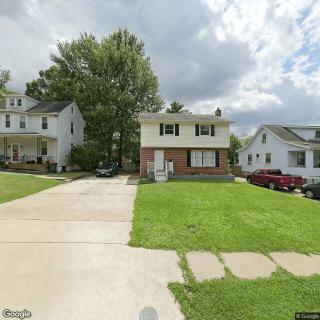






 Comprehensive Insights into Activities of Daily Living (ADLs) and Their Assessment
 Medicare Coverage for Assisted Living: An In-Depth Exploration
 Choosing the Right Senior Care: A Detailed Exploration of Assisted Living and Nursing Homes