Overall Review of Altenheim Health & Living Community
common
Staff compassion is the consistent theme
Residents and families repeatedly describe the staff as caring and attentive.
Across multiple reviews, residents and visitors highlight caregivers who go above and beyond, communicate well, and help make patients comfortable. Several comments specifically call out individual nurses and CNAs for kindness, professionalism, and responsiveness. Even among critical reviews, there are also mentions of certain staff members being helpful, which suggests experiences can vary by unit and shift.
differentiator
Memory care support stands out
The memory care unit is frequently praised for knowing residents’ needs.
Several reviews describe positive experiences in memory care, emphasizing staff who take time to get to know residents and focus on individual needs. Families also mention leadership within the unit and cite staff efforts such as engagement and tailored care. A separate set of reviews is more negative about care priorities in general, but the recurring memory care praise remains a distinct theme.
caveat
Call lights and responsiveness vary
Some reviewers say call light response and follow-through can be slow.
A recurring complaint is that families or residents experience delays when assistance is needed, including long waits after pressing call lights. Multiple negative reviews connect these response issues to broader concerns like missed needs, hygiene problems, or delayed support. On the other hand, there are also many positive reviews describing staff who are available and attentive, indicating that experiences are not uniform.
caveat
Cleanliness and maintenance are mixed
Reviews are split on cleanliness and condition of the facility.
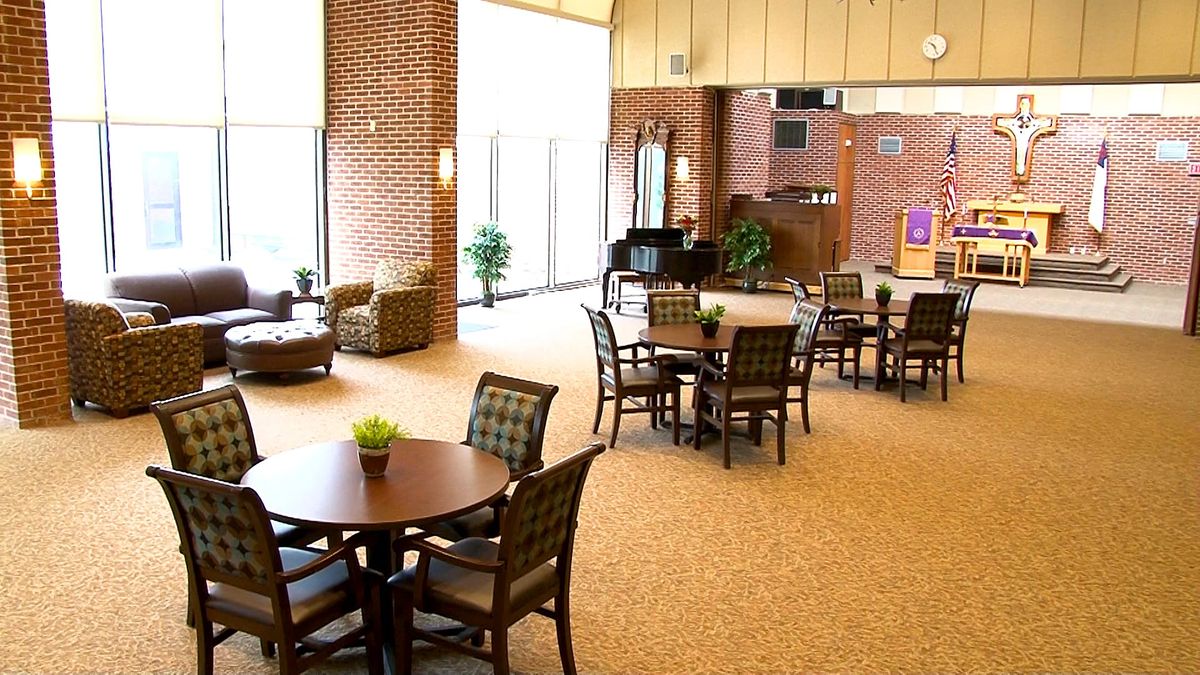
Some reviewers describe the facility as clean, tidy, and well maintained, including positive impressions of common areas and rooms. Other reviews raise serious cleanliness concerns, including reports of pests, unpleasant odors, and dirty conditions. There are also mentions of ongoing updates in some areas, including refurbishing activity spaces, which suggests the facility may be uneven from review to review.
common
Dining experience includes restaurant-style options
Residents describe dining as pleasant, with options to order and special diets.
Several reviews mention good meals, holiday dinners, and a dining setup that feels more like a restaurant than a cafeteria. Some reviewers also reference the ability to order what they want and being satisfied with food quality. The community also offers dietary support for special diets, which aligns with how some reviews discuss meal preferences and what residents can eat.
How we summarize
We summarize when many written reviews mention each theme; a review can touch several themes, and only frequently mentioned themes are displayed.
Features
Housing
191 resident community capacity
1-bedroom apartments
2-bedroom apartments
3-bedroom apartments
Studio apartments
Types of Care
Assisted Living
Independent Living
Skilled Nursing Facility
Amenities
Air-conditioning
Beautician on-site
Beauty salon
Cable or satellite TV
Computer center
Dining room
Fitness room
Full kitchen
Fully furnished
Gaming room
Garden
Guasts at mealtime
Housekeeping services
Kitchenette
Laundry
Move-in coordination
Outdoor space
Overnight guests
Party space
Private bathrooms
Resident parking
Restaurant-style dining
Small library
Telephone
Wellness center
Wi-Fi/high-speed internet available
Transportation
Indianapolis International (10 miles away)
Community operated transportation
Transportation & parking
Transportation arrangement
Care Services
24-hour call system
24-hour supervision
Activities of daily living assistance
Assistance with bathing
Assistance with dressing
Assistance with transfers
Diabetes diet
Meal preparation and service
Medication management
Physical therapy
Special dietary restrictions
Dining
Diabetes diet
Special dietary restrictions
Activities
Activities off-site
Community-sponsored activities
Concierge services
Fitness programs
Planned day trips
Religious services
Resident-run activities
Scheduled daily activities
Languages Spoken
English
Videos
Nearby Places of Interest
Located in Indianapolis, Indiana, this area offers convenient access to a variety of amenities and services essential for senior living. With multiple pharmacies such as Walgreens and CVS Pharmacy within a few miles, accessing medication and healthcare needs is made easy. Additionally, there are several physicians' offices nearby including Dr. Richard Stanley, DPM and Oak Street Health providing medical care close to home. For recreational activities, residents can enjoy the parks like Meridian Woods Park & Neighborhood or explore different dining options ranging from fast food joints like McDonald's to casual dining at Cracker Barrel. In terms of healthcare facilities, there are reputable hospitals such as St Francis Hospital Breast Center and Community Hospital South within a short drive, ensuring quality medical care when needed. Overall, this area in Indianapolis provides a well-rounded environment with essential amenities for seniors looking for a comfortable and convenient place to live.
Cafes
Starbucks (1.4 miles)
Starbucks (5 miles)
Starbucks (6.2 miles)
Pharmacies
Walgreens (1.5 miles)
CVS Pharmacy (2.2 miles)
CVS Pharmacy (2.4 miles)
CVS Pharmacy (2.4 miles)
CVS Pharmacy (2.5 miles)
CVS Pharmacy (2.7 miles)
Walgreens (2.8 miles)
Physicians
Dr Richard Stanley, DPM (2.2 miles)
Oak Street Health (2.5 miles)
Indiana Kidney Specialists (2.8 miles)
Windrose Health Network (2.9 miles)
Franciscan Surgery Center (4.2 miles)
My Ortho Team (4.4 miles)
Johnstone Family Practice (4.7 miles)
Places of Worship
Living Word Bible Church (2.2 miles)
Suburban Baptist Church (5.3 miles)
Restaurants
McDonald's (2.7 miles)
Cracker Barrel (2.9 miles)
Chick-Fil-A (3.2 miles)
Ben's Soft Pretzels (3.4 miles)
Anthony's Dugout (4.1 miles)
The Tailgate (4.1 miles)
McDonald's (4.2 miles)
Hospitals
St Francis Hospital Breast Center (3.2 miles)
Community Hospital South (5.1 miles)
OrthoIndy South (5.7 miles)
Indiana University Hospital (6 miles)
Eskenazi Hospital (6.2 miles)
Newborn Follow-Up Program, Riley Hospital for Children at IU Health (6.3 miles)
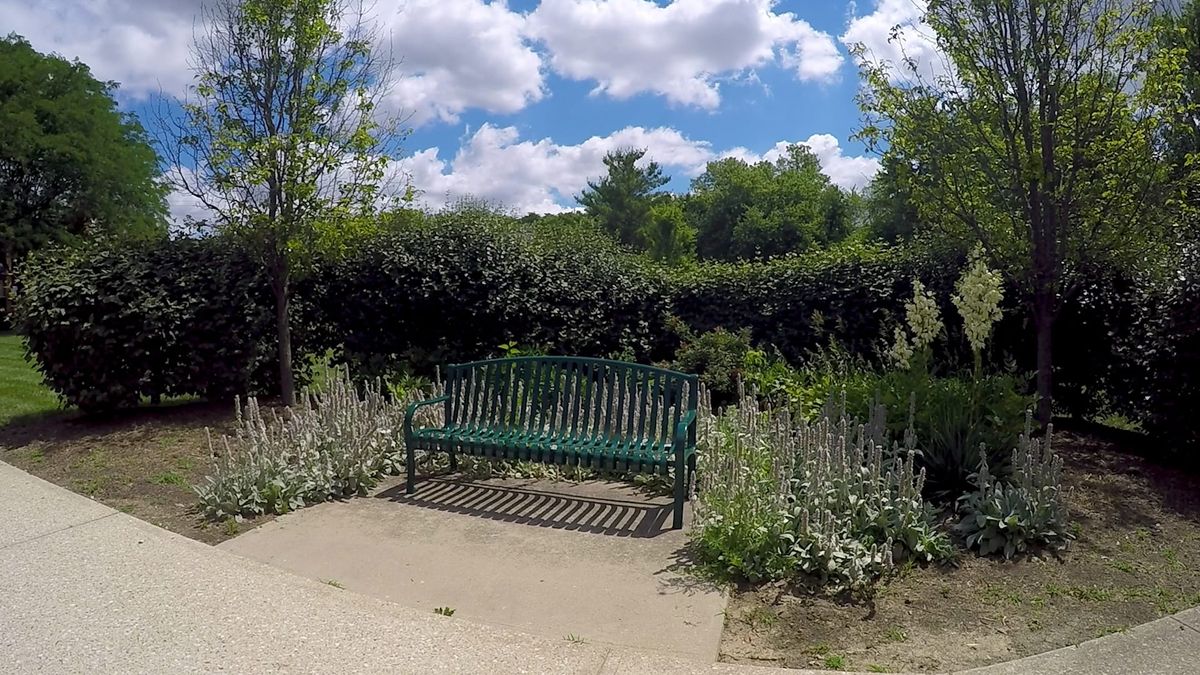
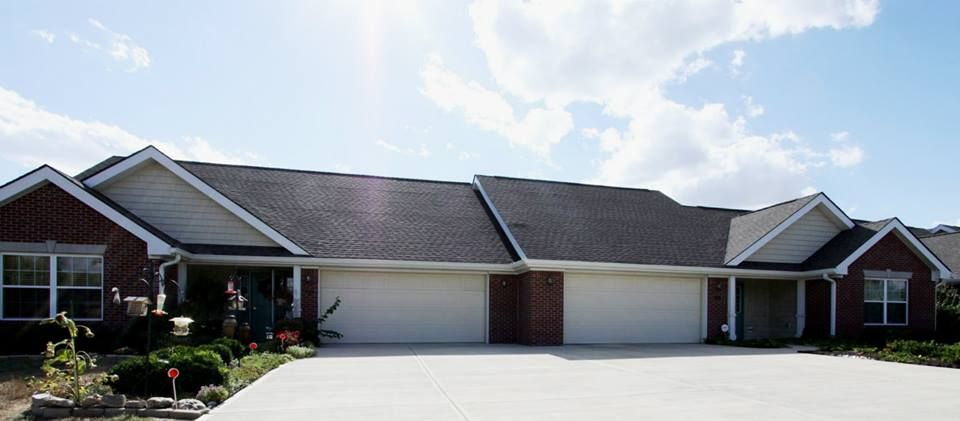
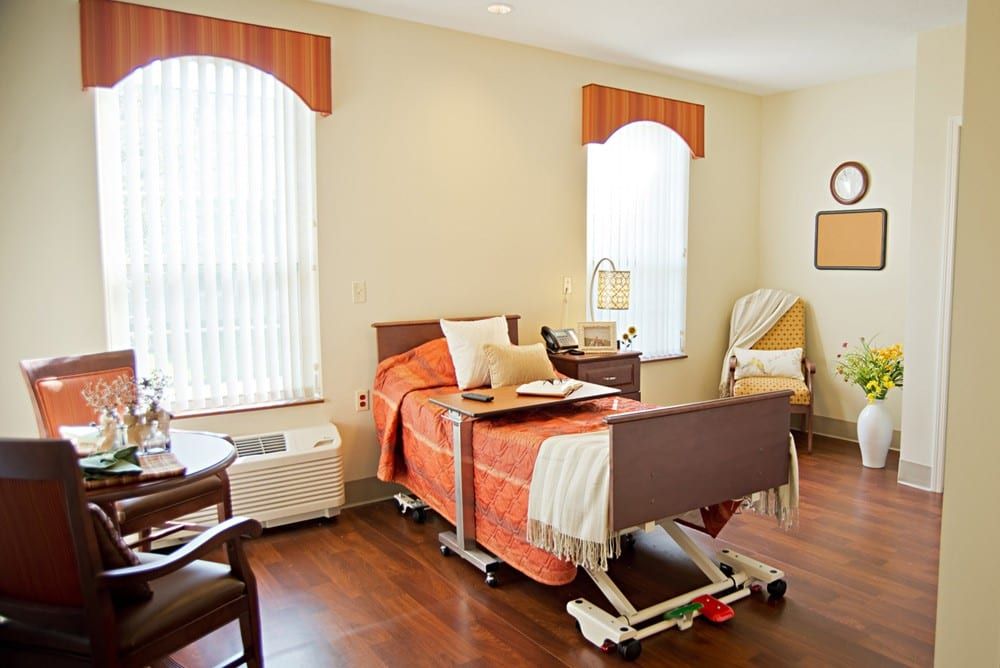
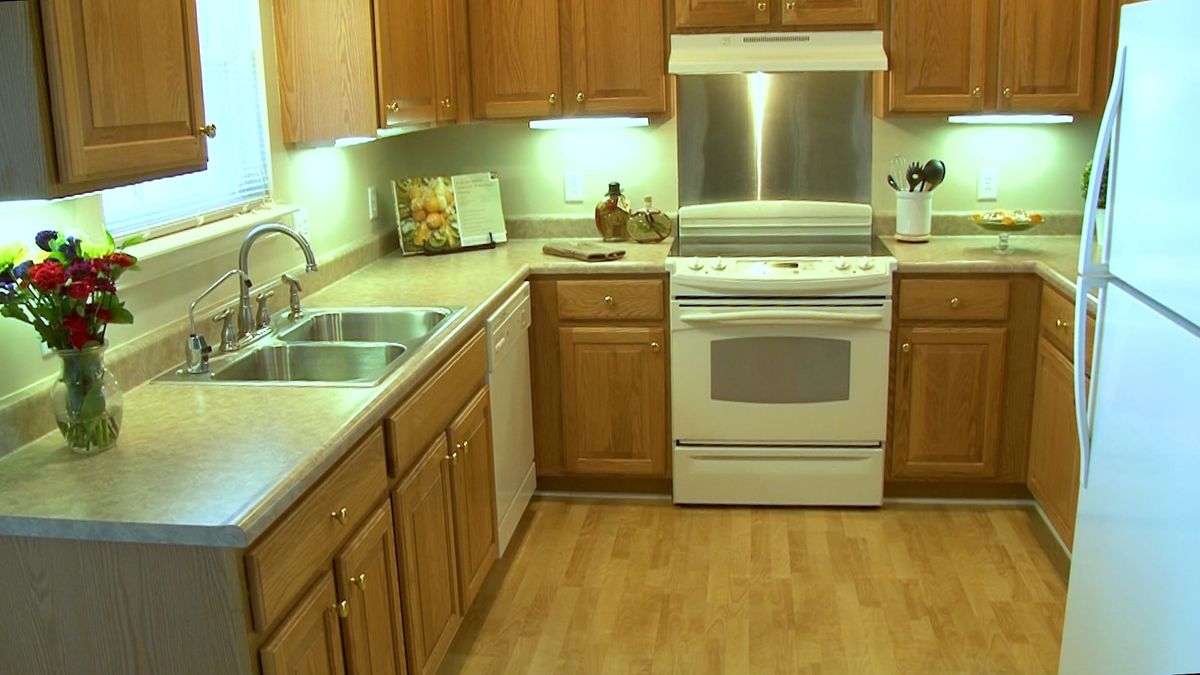
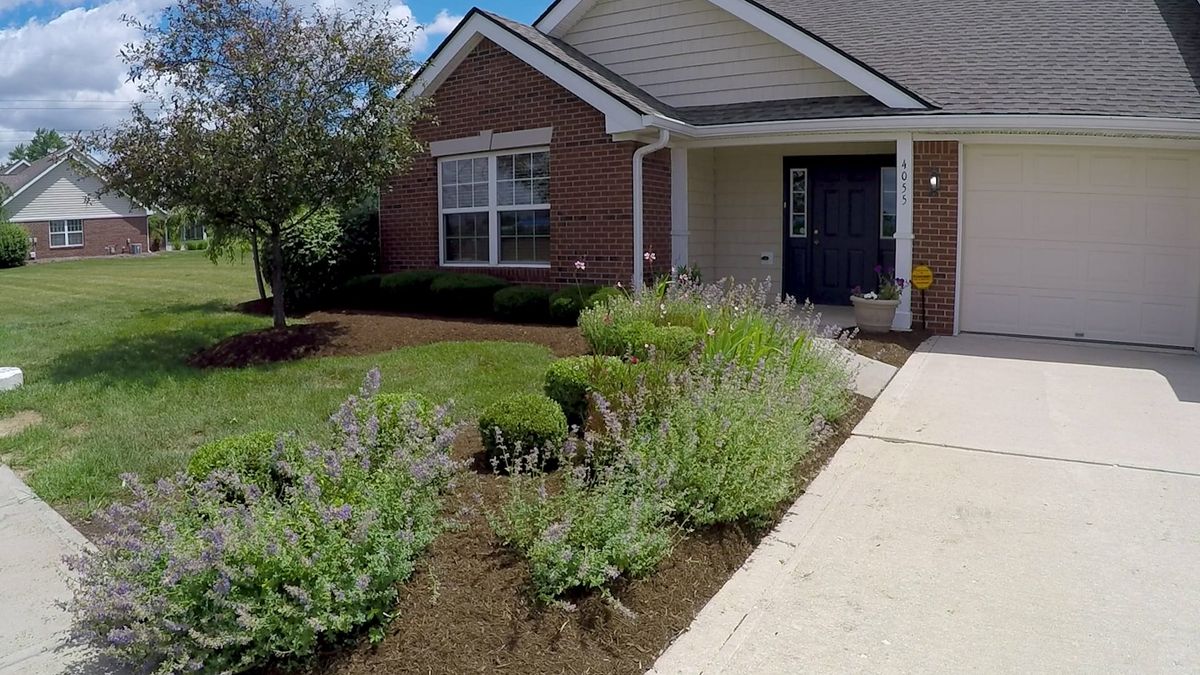
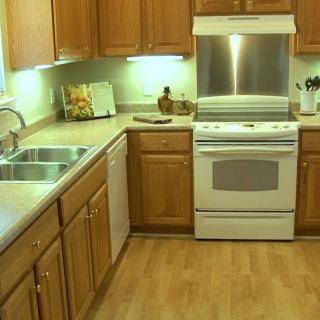
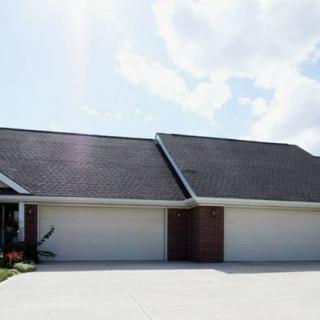
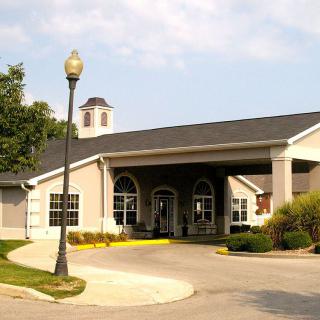
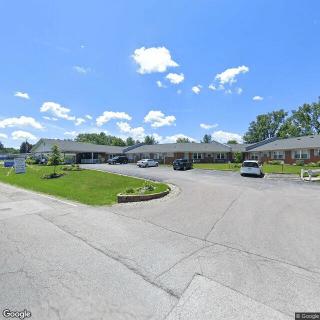
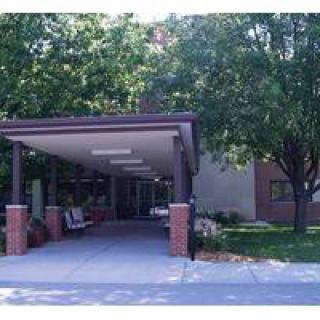
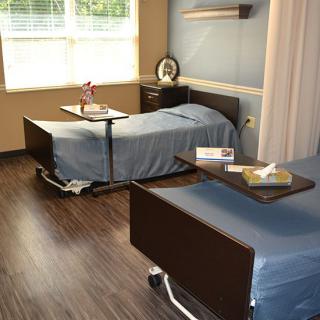
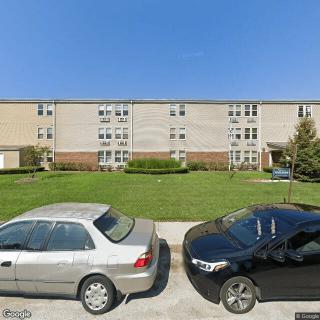
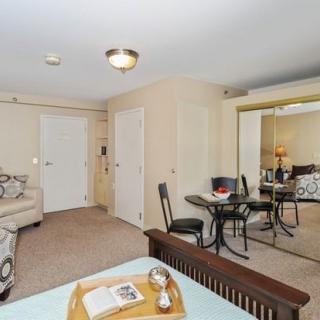
Altenheim Health & Living Community on seniors.fyi includes 9 photos including images showing landscaping, interior, garden, healthcare, nature, kitchen, outdoors, cabinets, and more.
Nearby Communities
Altenheim
Indianapolis, IN
3.9 from 140 reviews
$2,155 to $2,910 / month
Friendly, attentive staff and a strong sense of community with engaging activities.
Waters Of Indianapolis
Indianapolis, IN
4.1 from 60 reviews
Luxurious amenities with comprehensive care.
Beech Grove Meadows
Beech Grove, IN
3.1 from 113 reviews
$1,323 to $2,887 / month
Caring staff in a welcoming, clean environment with leadership-driven improvements.
Golden Living Center - Indianapolis
Indianapolis, IN
2.8 from 38 reviews
$5,324 to $5,781 / month
Quality physical therapy program with friendly, attentive staff.
Churchman Woods
Indianapolis, IN
3.1 from 21 reviews
$550 to $650 / month
Very affordable pricing ($550 1BR, $650 2BR) and pet-friendly; strong on-site and outdoor amenities.
St Paul Hermitage
Beech Grove, IN
4.3 from 55 reviews
Caring, engaged staff in a warm, welcoming community with an on-site chapel and clean, comfortable apartments.
Fairway Village
Indianapolis, IN
4.4 from 30 reviews
Comprehensive memory care and skilled nursing with 24/7 supervision and care coordination.
Spruce Manor Apartments
Indianapolis, IN
3.8 from 17 reviews
The Wellington At Southport
Indianapolis, IN
4.4 from 47 reviews
Full spectrum care options (Independent Living, Assisted Living, Memory Care) with 24/7 supervision and extensive on-site amenities.
Choosing between assisted living and nursing homes involves evaluating emotional and financial factors, with assisted living offering independence and support for daily activities at a lower cost, while nursing homes provide intensive medical care for individuals with significant health needs. The decision is influenced by personal preferences, health status, cognitive function, and varying Medicaid coverage across states.
Assisted living in 2025 offers a crucial balance of independence and support for seniors, with costs varying from $2,500 to over $7,000 per month based on factors such as location and care level. Understanding pricing complexities, including regional differences and potential hidden fees, is essential for families to plan financially while ensuring quality care for their loved ones.
The guide outlines the complexities of Medicaid coverage for assisted living, highlighting significant state-to-state variations, limited coverage often restricted to personal care services, and the existence of specialized waivers for certain needs like memory care. It advises families to consult local Medicaid offices for options while emphasizing the importance of understanding state-specific regulations and facility policies.
Exercise Equipment, Rehabilitation, Physical Therapy, and Therapy Room
Salon and Mirrors
Healthcare
Garage
Get PricingAsk A QuestionSchedule A TourContact Senior Advisor
By clicking submit, you agree to our Partner's Terms of Use. You
also consent to receive calls and texts, which may be autodialed, from our Partner. Your consent is not a condition to
using our Partner's service. Please visit our Partner's Privacy Policy for information about their privacy practices.







 191 resident community capacity
 1-bedroom apartments
 Assisted Living
 Independent Living
 Skilled Nursing Facility
 Air-conditioning
 Beautician on-site
 Cable or satellite TV
 Computer center
 Dining room
 Fitness room
 Full kitchen
 Fully furnished
 Gaming room
 Garden
 Housekeeping services
 Laundry
 Move-in coordination
 Outdoor space
 Overnight guests
 Party space
 Private bathrooms
 Resident parking
 Restaurant-style dining
 Small library
 Telephone
 Wellness center
 Wi-Fi/high-speed internet available
 Indianapolis International (10 miles away)
 Community operated transportation
 24-hour call system
 Activities of daily living assistance
 Assistance with bathing
 Assistance with dressing
 Assistance with transfers
 Diabetes diet
 Medication management
 Physical therapy
 Special dietary restrictions
 Concierge services
 Planned day trips
 Religious services
 English
 Friendly, attentive staff and a strong sense of community with engaging activities.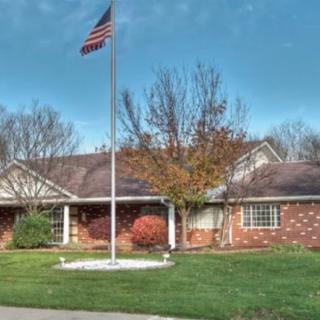
 Choosing the Right Senior Care: A Detailed Exploration of Assisted Living and Nursing Homes
 Understanding the True Cost of Assisted Living in 2025: A Comprehensive Guide
 Understanding Medicaid Coverage for Assisted Living: A Comprehensive Guide