2630 South Keystone Avenue, Indianapolis, IN 46203
For more information about senior living options: (866) 208-4318
4.4 from 30 reviews
5 stars
24
4 stars
1
3 stars
1
2 stars
1
1 stars
3
Overall Review of Fairway Village
common27 reviews mention this
Care team feels genuinely involved
Residents and families consistently describe a compassionate, attentive care team.
Many reviews emphasize that staff members treat residents with love, respect, and compassion, and that the work feels more personal than routine. Several families also highlight how approachable staff are for questions and how supported they feel when issues come up. There is also one negative review complaining about unprofessional behavior at the front desk, but the overall message in the reviews is that staff engagement is a major strength.
differentiator9 reviews mention this
Memory care staff understand dementia
The community’s dementia-focused approach is a recurring point in reviews.
Multiple reviewers specifically describe dementia and Alzheimer’s experiences, praising the staff for handling regression and challenging situations with patience. One reviewer describes a medication-reduction outcome and improvement in communication after a difficult start, attributing it to the facility’s different approach. Other reviews add that staff are trained in dementia care and help keep families informed about what their loved one is doing and how they’re doing.
common6 reviews mention this
Frequent updates and easy communication
Families describe regular updates and fast follow-ups.
Several reviews say the team stays in touch with families through texts, photos, and timely calls. Reviewers mention being kept up to date on changes in condition and day-to-day activities. One family also notes that the staff helps them understand their loved one’s current condition and safety needs, which they found reassuring.
common2 reviews mention this
Food quality stands out for some
Residents’ meals are mentioned by families reviewing their experience.
One family says their loved one consistently comments that the food is good, and they connect this with the overall care atmosphere. A separate review is critical about food and daily living basics, describing problems with room and meal-related comfort. Together, the reviews suggest dining can be a noticeable part of the experience, with feedback that isn’t universally consistent.
common3 reviews mention this
Cleanliness is a frequent expectation
Reviews mention cleanliness as part of day-to-day comfort.
Some families describe a clean environment and say the facility is well kept. Others also describe enjoying lunch there in a peaceful setting while observing day-to-day organization. One critical review disputes this overall standard, citing issues with bedding, clothing, and personal care routines.
How we summarize
Counts show how many written reviews mention each theme; a review can touch several themes, and only frequently mentioned themes are displayed.
Features
Housing
53 resident community capacity
Types of Care
Assisted Living
Memory Care
Skilled Nursing Facility
Amenities
Air-conditioning
Beauty salon
Cable or satellite TV
Computer center
Dining room
Fitness room
Fully furnished
Gaming room
Garden
Housekeeping services
Kitchenette
Move-in coordination
Outdoor space
Private bathrooms
Restaurant-style dining
Small library
Telephone
Wellness center
Wi-Fi/high-speed internet available
Transportation
Indianapolis International (9 miles away)
Community operated transportation
Transportation arrangement
Transportation arrangement (non-medical)
Care Services
12-16 hour nursing
24-hour call system
24-hour supervision
Activities of daily living assistance
Assistance with bathing
Assistance with dressing
Assistance with transfers
Coordination with health care providers
Diabetes diet
Meal preparation and service
Medication management
Mental wellness program
Mild cognitive impairment
Special dietary restrictions
Specialized memory care programming
Transportation arrangement (medical)
Transportation to doctors appointments
Dining
Diabetes diet
Special dietary restrictions
Activities
Community-sponsored activities
Concierge services
Fitness programs
Planned day trips
Resident-run activities
Scheduled daily activities
Nearby Places of Interest
Pharmacies
CVS Pharmacy (1.1 miles)
Dista Products Company (2.5 miles)
CVS Pharmacy (2.9 miles)
CVS Pharmacy (2.9 miles)
Walgreens (3.2 miles)
Walgreens (3.4 miles)
CVS Pharmacy (3.5 miles)
Restaurants
Anthony's Dugout (2.4 miles)
Tappers Arcade Bar (2.5 miles)
Yolk (2.8 miles)
Slippery Noodle Inn (3 miles)
Sun King Brewing (3 miles)
Harry & Izzy's (3.2 miles)
Yard House (3.2 miles)
Physicians
Oak Street Health (2.4 miles)
Indiana Kidney Specialists (3.4 miles)
Windrose Health Network (3.5 miles)
Dr Richard Stanley, DPM (3.9 miles)
Riley Pediatric Neurology - IU Health Simon Cancer Center (4.3 miles)
Blackburn Community Health Center (5.9 miles)
Franciscan Surgery Center (6 miles)
Cafes
Starbucks (2.9 miles)
Starbucks (4.4 miles)
Starbucks (6.1 miles)
Starbucks (6.7 miles)
Theaters
Living Room Theaters (3.6 miles)
Parks
White River State Park (3.7 miles)
Military Park (3.8 miles)
Meridian Woods Park & Neighborhood (5.1 miles)
Watkins Park (5.5 miles)
Places of Worship
Living Word Bible Church (3.9 miles)
Tabernacle Presbyterian Church (6.3 miles)
Suburban Baptist Church (6.6 miles)
Al-Fajr Masjid (6.9 miles)
Hospitals
Indiana University Hospital (4.3 miles)
Eskenazi Hospital (4.5 miles)
Newborn Follow-Up Program, Riley Hospital for Children at IU Health (4.6 miles)
St Francis Hospital Breast Center (4.6 miles)
Simon Family Tower (4.6 miles)
Sidney & Lois Eskenazi Hospital (4.7 miles)
Richard L. Roudebush Va Medical Center (4.8 miles)
The features offered by Fairway Village are designed to provide comprehensive support for residents with dementia or Alzheimer's disease, facilitating both their physical and emotional well-being. Assistance with dressing and bathing promotes personal dignity while ensuring safety, while medication management is crucial in preventing missed doses or incorrect medications that could exacerbate cognitive decline. Meal preparation and service cater not only to nutritional needs but also encourage social interaction during mealtimes, fostering a sense of community. Transportation arrangements for medical appointments ensure residents receive necessary healthcare without additional stress. Coordination with healthcare providers enhances continuity of care, allowing for tailored interventions as conditions progress. Support with activities of daily living empowers residents to maintain independence when possible, while 24-hour supervision ensures safety and immediate assistance if needed. The mental wellness program aims to stimulate cognitive function and emotional health, which is essential for current residents experiencing mild cognitive impairment. Lastly, specialized memory care programming addresses specific challenges associated with memory loss, providing engaging activities that help residents connect with their pasts and one another.
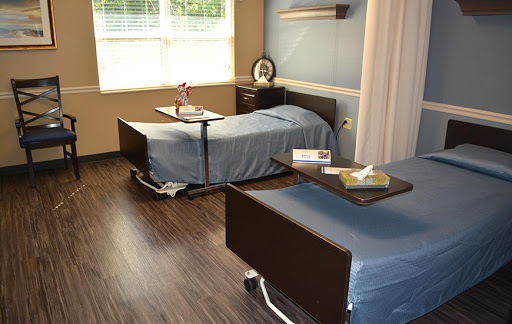
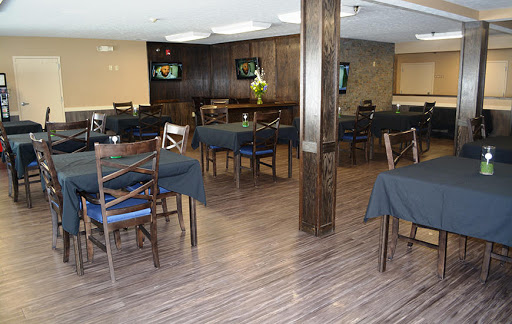
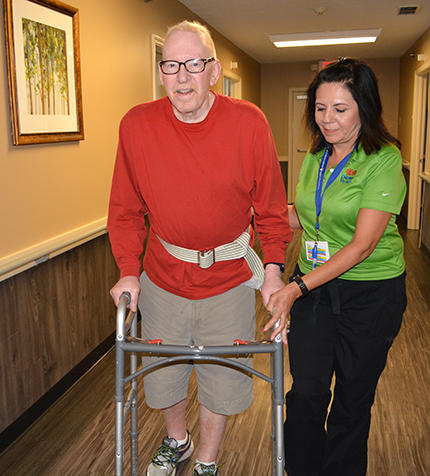
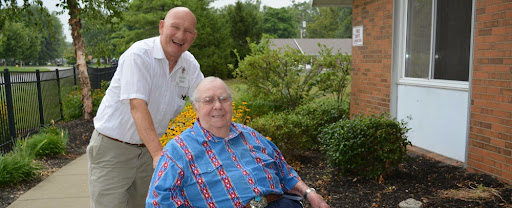
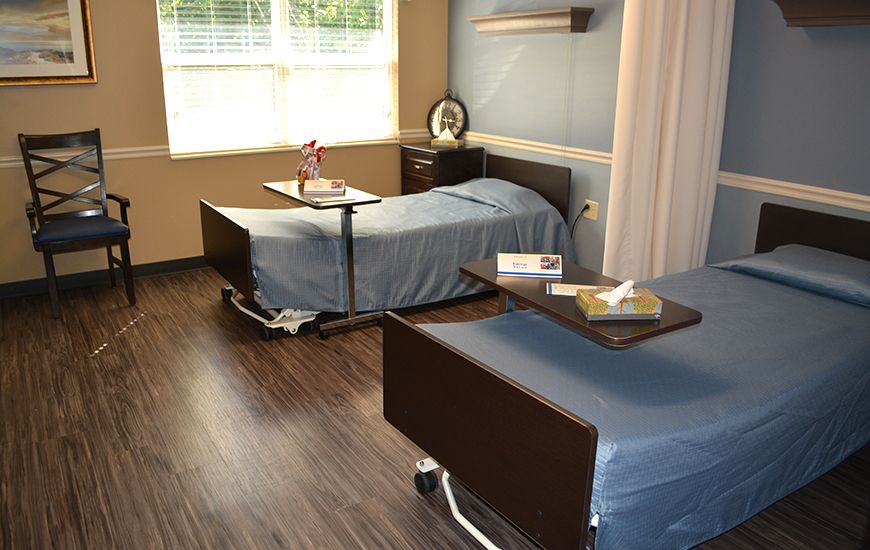
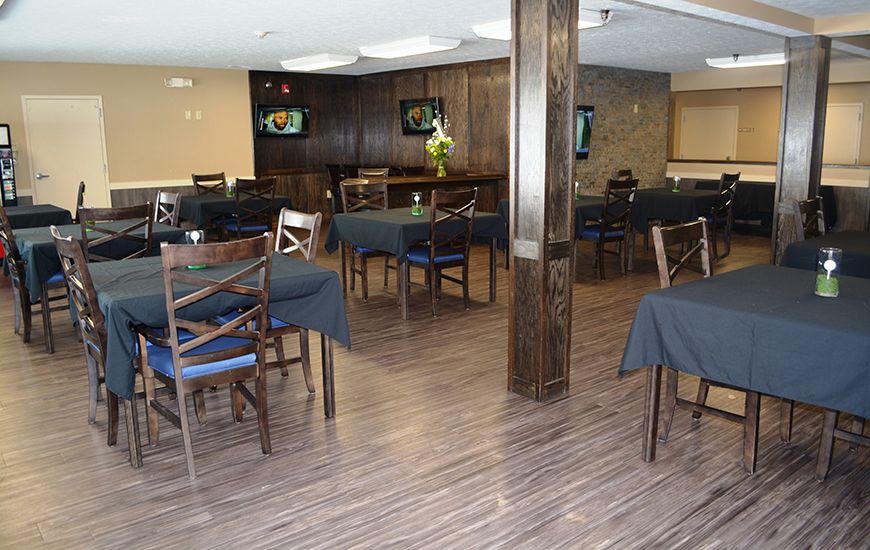
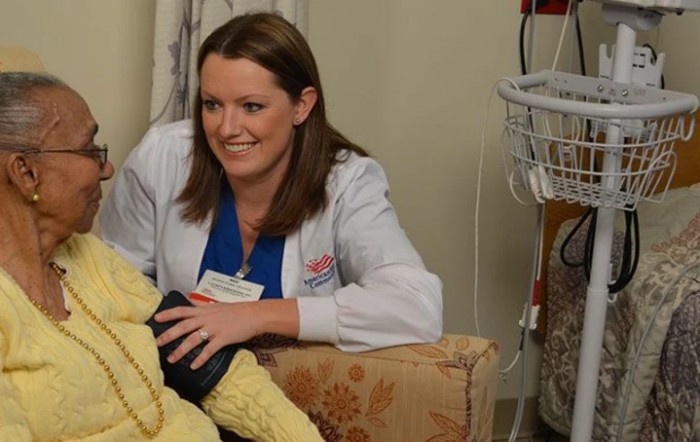
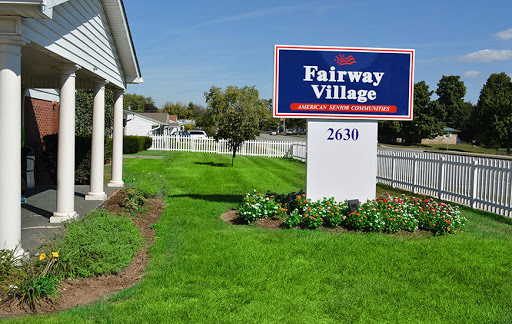
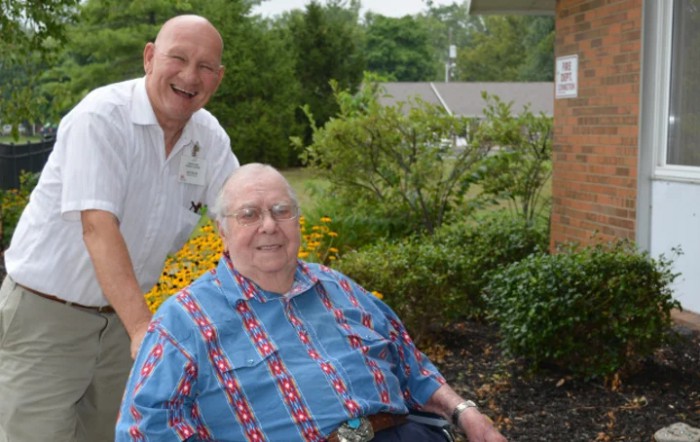
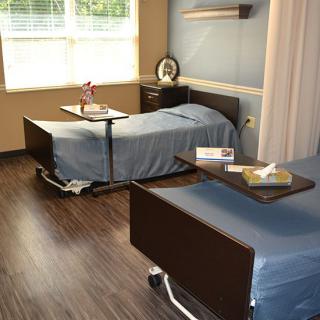
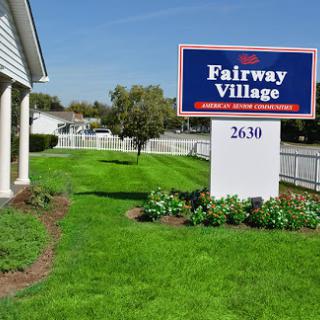
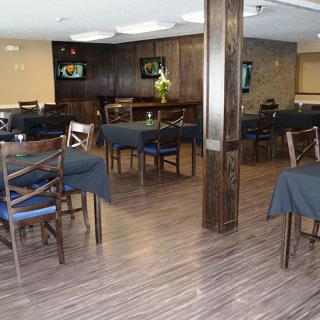
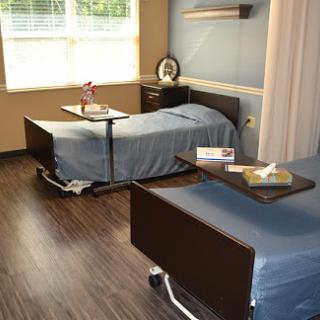
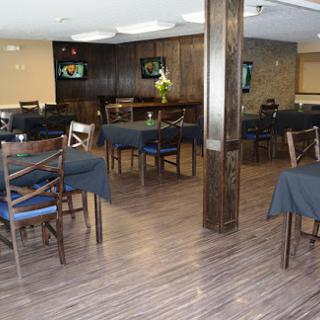
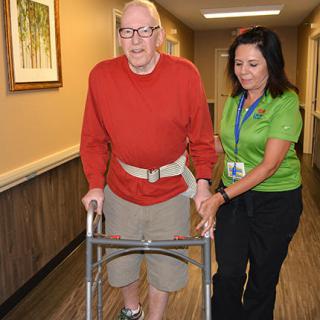
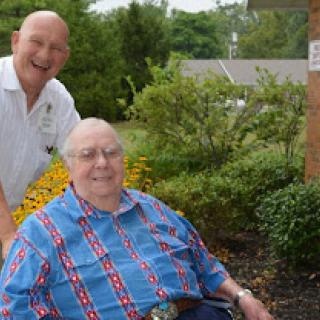
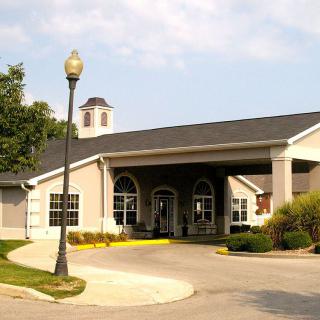
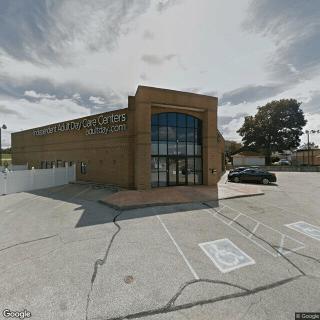
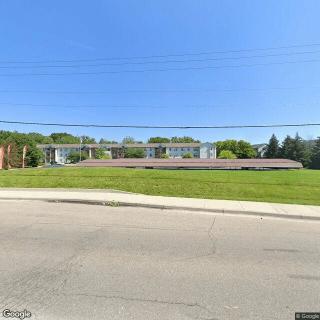
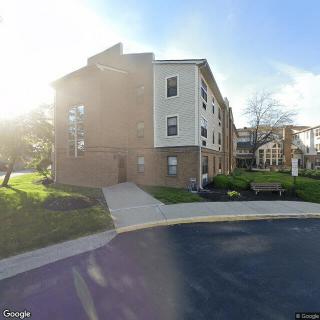
Fairway Village on seniors.fyi includes 11 photos including images showing interior, dining, healthcare, outdoors, wheelchair, landscaping, grass, building, and more.
Nearby Communities
Golden Living Center - Indianapolis
Indianapolis, IN
2.8 from 38 reviews
$5,324 to $5,781 / month
Quality physical therapy program with friendly, attentive staff.
Best Life Home Care, LLC
Indianapolis, IN
5 from 18 reviews
Peaceful, welcoming environment with easy access to nearby amenities and healthcare.
Beech Grove Meadows
Beech Grove, IN
3.1 from 113 reviews
$1,323 to $2,887 / month
Caring staff in a welcoming, clean environment with leadership-driven improvements.
Spruce Manor Apartments
Indianapolis, IN
3.8 from 17 reviews
St Paul Hermitage
Beech Grove, IN
4.3 from 55 reviews
Caring, engaged staff in a warm, welcoming community with an on-site chapel and clean, comfortable apartments.
Independent Adult Day Care Centers - Indianapolis South
Indianapolis, IN
4.2 from 42 reviews
Independence-focused day program with easy access to nearby amenities.
Altenheim Health & Living Community
Indianapolis, IN
3.7 from 146 reviews
Beautiful, well-staffed facility with engaging activities.
Churchman Woods
Indianapolis, IN
3.1 from 21 reviews
$550 to $650 / month
Very affordable pricing ($550 1BR, $650 2BR) and pet-friendly; strong on-site and outdoor amenities.
Goodwin Plaza
Indianapolis, IN
4.4 from 8 reviews
Excellent proximity to amenities and services (cafes, parks, dining, healthcare, places of worship, entertainment, and hospitals).
The article emphasizes the significance of establishing a power of attorney for elderly parents to enable an agent to make decisions on their behalf regarding health and finances, especially during cognitive or physical decline. It outlines various types of power of attorney, the importance of consulting legal professionals, and the responsibilities and challenges faced by agents, while also discussing alternatives and common misconceptions.
Caregiver support groups are crucial for providing emotional and practical assistance to those caring for loved ones, offering resources, coping strategies, and a sense of community through various organizations and platforms. These groups help alleviate isolation and burnout while addressing the unique challenges faced by caregivers of individuals with specific conditions.
The guide outlines the complexities of Medicaid coverage for assisted living, highlighting significant state-to-state variations, limited coverage often restricted to personal care services, and the existence of specialized waivers for certain needs like memory care. It advises families to consult local Medicaid offices for options while emphasizing the importance of understanding state-specific regulations and facility policies.
Get PricingAsk A QuestionSchedule A TourContact Senior Advisor
By clicking submit, you agree to our Partner's Terms of Use. You
also consent to receive calls and texts, which may be autodialed, from our Partner. Your consent is not a condition to
using our Partner's service. Please visit our Partner's Privacy Policy for information about their privacy practices.





 53 resident community capacity
 Assisted Living
 Memory Care
 Skilled Nursing Facility
 Air-conditioning
 Beauty salon
 Cable or satellite TV
 Computer center
 Dining room
 Fitness room
 Fully furnished
 Gaming room
 Garden
 Housekeeping services
 Kitchenette
 Move-in coordination
 Outdoor space
 Private bathrooms
 Restaurant-style dining
 Small library
 Telephone
 Wellness center
 Wi-Fi/high-speed internet available
 Indianapolis International (9 miles away)
 Community operated transportation
 12-16 hour nursing
 24-hour call system
 Activities of daily living assistance
 Assistance with bathing
 Assistance with dressing
 Assistance with transfers
 Diabetes diet
 Medication management
 Mental wellness program
 Special dietary restrictions
 Transportation arrangement (medical)
 Concierge services
 Planned day trips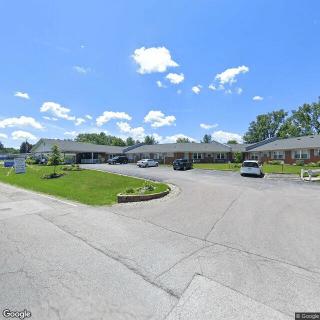
 Quality physical therapy program with friendly, attentive staff.

 Guiding Your Journey: Understanding Power of Attorney for Elderly Parents
 22 Remarkable Caregiver Support Groups Available Online and In-Person
 Understanding Medicaid Coverage for Assisted Living: A Comprehensive Guide