St Paul Hermitage in Beech Grove, IN

Save
St Paul Hermitage

St Paul Hermitage in Beech Grove, IN

Information last verified:

501 North 17th Avenue, Beech Grove, IN 46107

For more information about senior living options: (844) 490-3973

4.4 from 51 reviews
5 stars
36
4 stars
7
3 stars
3
2 stars
0
1 stars
5

Overall Review of St Paul Hermitage

Pros

  • pro Nikki was polite and helped immediately, with an outstanding smile and manners.
  • pro The staff were attentive and engaged.
  • pro Envive loves the residents.
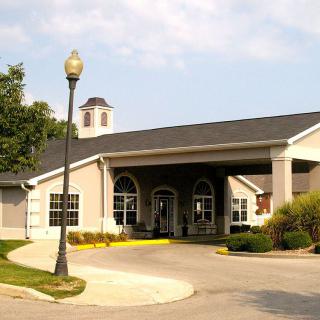
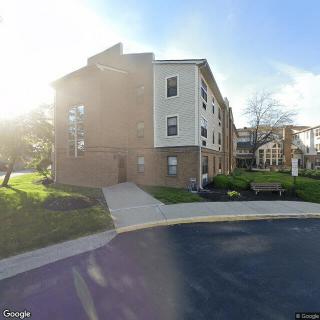
  • pro The facility is beautiful with nice rooms and views, and the staff are very helpful.
  • pro The facility is the best they've ever visited, with cleanliness and kind staff.
  • pro Envive shows genuine care for residents and provides a great time for families and friends.
  • pro St. Paul Hermitage is a caring, well-run community with friendly staff.
  • pro The residents are amazing and the staff are wonderful.
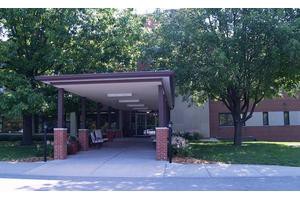
  • pro The facility offers excellent care and has beautiful mature trees.

Cons

  • pro The reviewer notes long wait times for assistance, often about an hour to use the bathroom.
  • pro They were told that the reviewer’s African American father couldn’t be admitted because he didn’t meet their demographic.
  • pro Food delivered to rooms was cold and lacked flavor, with patients’ needs reduced to a schedule.
  • pro It was humiliating and uncomfortable to wait 20 to 60 minutes or more to be helped or cleaned up for bedpans or undergarments.
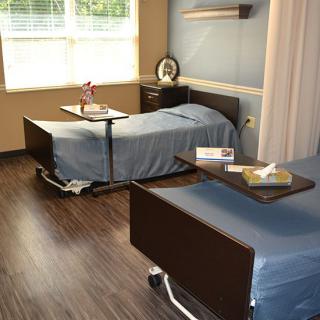
  • pro The rooms were dated.
  • pro The four-star rating was questioned after arrival, suggesting the rating did not reflect reality.

Review

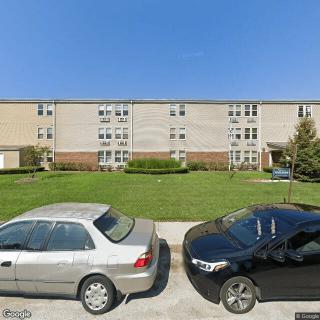
St. Paul Hermitage in Beech Grove is best suited for seniors who want a faith-informed, homelike assisted-living environment where staff know residents by name and daily spiritual life is readily available. The campus conveys stability and care: clean, well-kept apartments, mature grounds, and an on-site chapel that anchors routines. This is not a high-energy, clinical campus; it is a traditional, mission-driven community run by the Sisters of Benedict of Our Lady of Grace. Families prioritizing dignity, respect, and personal attention over rapid medical escalation will find a natural fit here. The setting rewards calm, predictable days, and it aligns well with residents who are not currently in need of memory-care services.

Alternatives become worth exploring for two clear reasons. First, memory care is not offered at St. Paul Hermitage, so families facing or anticipating cognitive impairment that requires specialized memory-support services should look elsewhere. Second, for those who crave a more contemporary dining experience, broader clinical amenities, or a less religious ambiance, other local options in Beech Grove or the broader Indianapolis area will likely satisfy those preferences more fully. The community’s strong demand, evidenced by a noticeable waiting list, is a positive indicator of value and reputation, but it also means a move may require longer lead time and careful planning if the timing is tight. Those factors make St. Paul Hermitage an excellent match for certain residents and a less suitable choice for others.

The core strengths are formidable enough to offset most doubts for the right resident profile. The staff is repeatedly described as attentive, respectful, and genuinely engaged with both residents and families. Families highlight specific, meaningful interactions with admissions leadership, Sister Helen is frequently praised as a standout contact who makes the process feel personal and trustworthy. The facility itself earns praise for its beauty, cleanliness, and maintenance; rooms are comfortable, and the grounds invite outdoor time, celebrated during family visits. The on-site chapel and opportunities to participate in Mass daily provide a spiritual rhythm that many residents and families value deeply, delivering a sense of continuity and community often absent in more secular settings. This combination, caring staff, a serene environment, and a robust spiritual life, produces a high baseline of satisfaction that outweighs the absence of advanced memory-care services for residents who don’t need them.

Yet the main con remains real and should direct decision-making. The absence of memory-care capabilities means that a resident who develops significant cognitive impairment will require a move elsewhere to receive appropriate memory-support services. The waiting-list dynamic, while a sign of desirability and trust in the community, can complicate timelines for families trying to synchronize move-in with transitions in a loved one’s care needs. For those who value rapid onboarding, flexible care transitions, or a broader menu of clinical therapies and rehabilitative services, these gaps could feel limiting. In short, the positives are meaningful and substantial, but they hinge on memory-care needs remaining outside the resident’s short- to mid-term trajectory.

To leverage the strengths while navigating the limits, approach the admissions process with a clear set of questions and timelines. Tours should probe not only apartment options and dining arrangements but also how care plans are structured and updated as needs evolve, and who coordinates transitions if cognitive or medical complexity increases. Ask specifically about the bridging process if memory care becomes necessary, and confirm the exact scope of daily living support, nursing oversight, and medication management on site. Engage with leadership, Sister Helen and the admissions team, to understand the typical wait times, what a hold entails, and how a prospective resident’s daily routine is tailored to balance independence with assistance. Most important, confirm alignment with a resident’s religious preferences and spiritual expectations, since those factors fundamentally shape daily life here.

In daily life, St. Paul Hermitage delivers a calm, family-like atmosphere where residents seem to flourish under a steady, respectful routine. The combination of an established, church-affiliated home with a genuine sense of community translates into reliable social engagement, meaningful rituals, and comfortable, dignified living. Families report that residents feel seen and valued, with staff readily available and interactions that feel more personal than transactional. The facility’s beauty, quiet neighborhood setting, and access to outdoor spaces further support a lifestyle that emphasizes dignity and belonging over spectacle. For seniors who want a respectful, predictable environment with strong spiritual elements and close-knit community ties, the Hermitage presents a compelling, credible choice.

Bottom line: St. Paul Hermitage stands out for families seeking a compassionate, faith-based home where residents are treated as part of a close community and daily Mass and chapel life anchor everyday living. It is a robust match for seniors without current memory-care needs who value a serene, well-maintained setting, strong staff engagement, and a traditional, values-driven atmosphere. Those requiring memory-care on-site, or those seeking a more modern, procedure-rich clinical environment with rapid access to memory-support resources, should look at alternatives. The decision should hinge on the resident’s current care needs, the anticipated trajectory of cognitive health, and the willingness to navigate a possible wait list while embracing the deep sense of community, spirituality, and dependable caregiving that define St. Paul Hermitage.

Features

Housing

  • 109 resident community capacity 109 resident community capacity

Types of Care

  • Assisted Living Assisted LivingAssisted living facilities provide crucial support and care for seniors who may need help with daily tasks such as medication management, bathing, and meal preparation. These communities offer a safe and comfortable environment where seniors can maintain their independence while receiving the assistance they need to thrive in their golden years.
  • Independent Living Independent LivingIndependent living communities are important for seniors because they offer a safe and supportive environment where older adults can live independently while still having access to amenities and services that enhance their quality of life. These communities provide social opportunities, recreational activities, and assistance with daily tasks, promoting overall well-being and allowing seniors to maintain their independence for as long as possible.
  • Skilled Nursing Facility Skilled Nursing FacilitySkilled Nursing Facilities are crucial for seniors as they provide round-the-clock medical care, rehabilitation services, and assistance with daily activities. These facilities ensure that seniors receive the specialized care they need to maintain their health and well-being as they age.

Amenities

  • Activities on-site Activities on-siteActivities on-site are important for seniors because they provide opportunities for socialization, mental stimulation, physical activity, and overall well-being. Engaging in activities can help seniors stay active, maintain their independence, and improve their quality of life.
  • Air-conditioning Air-conditioningAir conditioning is important for seniors as they are more vulnerable to heat-related illnesses and may have underlying health conditions that make it difficult for them to regulate their body temperature. It helps to keep them comfortable, safe, and healthy in hot weather.
  • Beauty salon Beauty salonBeauty salons are important for seniors because they provide a space for them to feel pampered, socialize, and maintain their personal grooming and hygiene. Regular visits to a beauty salon can help boost seniors' self-esteem and overall well-being.
  • Cable or satellite TV Cable or satellite TVCable or satellite TV is important for seniors because it provides entertainment, news, and companionship, helping to combat loneliness and boredom. It also offers a wide range of programming options tailored to different interests and preferences.
  • Computer center Computer centerA computer center is essential for seniors as it provides access to technology, communication tools, and resources that can enhance their daily lives. It allows them to stay connected with loved ones, engage in online activities, and learn new skills, ultimately promoting socialization and mental stimulation.
  • Devotional services off-site Devotional services off-siteDevotional services off-site are important for seniors as they provide spiritual nourishment, social engagement, and a sense of community outside of the senior living facility. This can enhance overall well-being and help combat feelings of isolation and loneliness often experienced by older adults.
  • Dining room Dining roomDining rooms are important for seniors as they provide a space for socialization, connection, and nutritious meals. They offer opportunities for residents to bond over shared meals, foster a sense of community, and promote healthy eating habits. Dining rooms also ensure that seniors have access to well-balanced meals tailored to their dietary needs and preferences.
  • Fitness room Fitness roomHaving a fitness room in a senior living community is essential for seniors to stay active, maintain their physical health, and improve their overall well-being. Regular exercise can help prevent falls, reduce the risk of chronic diseases, and promote mental sharpness. It also provides social opportunities for residents to connect with others and enjoy a sense of community.
  • Fully furnished Fully furnishedFully furnished senior living communities are important for seniors because they provide convenience, comfort, and a hassle-free moving experience. Seniors can easily settle into their new living space without the stress of having to buy and move furniture. This allows them to focus on enjoying their new home and community.
  • Gaming room Gaming roomGaming rooms are important for seniors as they provide a fun and engaging environment for socializing, cognitive stimulation, and physical activity. Games can improve memory, problem-solving skills, and overall mental well-being while fostering friendships and reducing feelings of isolation.
  • Garden GardenGardens are important for seniors as they provide a peaceful and therapeutic environment for relaxation, physical activity, and socialization. Being in nature has been shown to reduce stress, improve mood, and promote overall well-being. Gardens also offer opportunities for seniors to engage in gardening activities, which can improve mobility, flexibility, and cognitive function. Additionally, gardens create a sense of community and connection with others who share a passion for plants and outdoor spaces.
  • Housekeeping services Housekeeping servicesHousekeeping services are important for seniors because they help maintain a clean and safe living environment, promote independence, and reduce the risk of accidents or illnesses. Additionally, having assistance with household chores can alleviate physical strain and allow seniors to focus on other aspects of their well-being.
  • Indoor common areas Indoor common areasIndoor common areas are crucial for seniors as they provide a space for socialization, recreation, and community engagement, promoting overall well-being and reducing feelings of isolation and loneliness.
  • Kitchenette KitchenetteKitchenettes are important for seniors living in senior living communities because they provide the convenience and independence of being able to prepare simple meals and snacks in the comfort of their own living space. This can help promote a sense of autonomy and well-being for seniors, allowing them to maintain some level of control over their dietary choices and daily routines.
  • Move-in coordination Move-in coordinationMove-in coordination is important for seniors because it helps ease the transition into their new living environment. It ensures that all logistics, such as packing, organizing movers, and setting up utilities are taken care of, allowing seniors to focus on settling in and adjusting to their new home. Having a smooth move-in process can alleviate stress and anxiety, making the transition smoother and more enjoyable for seniors.
  • Outdoor space Outdoor spaceOutdoor spaces are important for seniors as they provide opportunities for physical activity, social interaction, exposure to natural light and fresh air, and a sense of connection to nature. Having access to outdoor spaces can improve overall well-being and quality of life for older adults living in senior communities.
  • Private bathrooms Private bathroomsPrivate bathrooms are important for seniors in senior living communities because they provide independence, dignity, and comfort. Having a private bathroom allows seniors to maintain their personal hygiene routines without the need for assistance, promoting a sense of autonomy and privacy. Additionally, private bathrooms help prevent the spread of infections and provide a safe and clean environment for seniors to navigate safely.
  • Restaurant-style dining Restaurant-style diningRestaurant-style dining is important for seniors because it allows them to enjoy delicious, nutritious meals in a social and upscale setting. This enhances their dining experience, promotes healthy eating habits, and fosters socialization with fellow residents, ultimately contributing to their overall well-being and quality of life.
  • Small library Small librarySmall libraries are important for seniors as they provide access to a variety of reading materials, including books, newspapers, and magazines. This can help stimulate their minds, keep them engaged, and provide a sense of community through book clubs and other social activities. Additionally, reading has been shown to improve cognitive function and overall mental well-being in older adults.
  • Telephone TelephoneTelephones are important for seniors as they provide a lifeline for communication with loved ones, emergency services, and healthcare providers. They offer a sense of security and independence, enabling seniors to stay connected and access assistance when needed.
  • Wellness center Wellness centerWellness centers are important for seniors because they offer a variety of programs and services that promote physical, mental, and emotional well-being. These centers provide opportunities for exercise, socialization, education, and relaxation, helping seniors maintain their overall health and quality of life.
  • Wi-Fi/high-speed internet available Wi-Fi/high-speed internet availableWi-Fi/high-speed internet is important for seniors to stay connected with loved ones, access online resources, and participate in virtual activities to combat feelings of loneliness and isolation. It also allows them to easily manage healthcare needs, access entertainment, and engage in lifelong learning opportunities.

Transportation

  • Indianapolis International (10 miles away) Indianapolis International (10 miles away)
  • Community operated transportation Community operated transportationCommunity operated transportation is crucial for seniors as it provides them with the means to access essential services, social activities, and medical appointments. It allows seniors to maintain their independence and quality of life by ensuring they can participate in activities outside of their homes. Additionally, community-operated transportation services offer a safe and reliable way for seniors to travel without having to rely on family or friends for assistance.
  • Transportation arrangement Transportation arrangementTransportation arrangements are crucial for seniors as they may face challenges with driving, mobility, or access to public transportation. Having reliable transportation services ensures that seniors can easily attend appointments, social activities, and maintain their independence and quality of life.

Care Services

  • 24-hour call system 24-hour call system24-hour call systems are important for seniors because they provide peace of mind and immediate assistance in case of emergencies. This technology ensures that help is always available, promoting safety and security for elderly individuals living alone or in assisted living facilities.
  • 24-hour supervision 24-hour supervision24-hour supervision is important for seniors to ensure their safety, well-being, and access to immediate assistance in case of emergencies or health issues. This constant support provides peace of mind for both seniors and their loved ones, allowing them to age in place with dignity and security.
  • Activities of daily living assistance Activities of daily living assistanceActivities of daily living assistance are important for seniors because they provide essential support with tasks such as eating, bathing, dressing, and mobility. This assistance helps seniors maintain their independence, dignity, and overall quality of life as they age.
  • Ambulatory care Ambulatory care"Ambulatory care services provide essential medical support and treatment to seniors without requiring hospitalization, allowing them to maintain their independence and quality of life while managing chronic conditions or receiving routine medical care."
  • Assistance with bathing Assistance with bathingAssistance with bathing is crucial for seniors as it helps maintain personal hygiene, prevents infections, and ensures their overall well-being and comfort. It also provides a sense of dignity and independence for seniors who may struggle with this task on their own.
  • Assistance with dressing Assistance with dressingAssistance with dressing is important for seniors because it helps maintain their independence, promotes personal hygiene, prevents accidents and injuries, and improves overall quality of life. This service ensures that seniors can continue to dress comfortably and confidently, despite any physical limitations they may have.
  • Assistance with transfers Assistance with transfersAssistance with transfers is crucial for seniors as it helps prevent falls and injuries, maintains their independence, and ensures they can safely navigate their living environment. It also provides peace of mind for both seniors and their loved ones.
  • Diabetes diet Diabetes dietA diabetes diet is crucial for seniors as it helps manage blood sugar levels, reduce risks of complications, and improve overall health and well-being. By following a balanced and nutritious diet tailored to their specific needs, seniors can better control their diabetes and enhance their quality of life.
  • Diabetic care Diabetic careDiabetic care is crucial for seniors as they are more susceptible to developing diabetes due to aging and other health conditions. Proper management of diabetes can help prevent complications such as heart disease, vision loss, and nerve damage, improving the overall quality of life for seniors in senior living communities.
  • Meal preparation and service Meal preparation and serviceMeal preparation and service are crucial for seniors as they may have limited mobility or energy to cook nutritious meals. Having access to healthy and convenient food options can ensure they are getting the proper nutrition needed to maintain their overall health and well-being.
  • Medication management Medication managementMedication management is crucial for seniors to ensure they are taking the right medications at the correct dosages and times. This helps prevent adverse drug interactions, reduces the risk of medication errors, and promotes overall health and well-being. Proactive management also allows for adjustments as needed based on changing health conditions or new prescriptions.
  • Special dietary restrictions Special dietary restrictionsSpecial dietary restrictions are important for seniors because age-related changes in metabolism and health conditions can make it difficult for their bodies to process certain foods. By following a diet tailored to their specific needs, seniors can maintain their overall health and well-being, manage chronic conditions, and reduce the risk of complications such as malnutrition or food interactions with medications.

Dining

  • Diabetes diet Diabetes dietA diabetes diet is crucial for seniors as it helps manage blood sugar levels, reduce risks of complications, and improve overall health and well-being. By following a balanced and nutritious diet tailored to their specific needs, seniors can better control their diabetes and enhance their quality of life.
  • Meals provided Meals provided"Meals provided" are crucial for seniors in assisted living communities as it ensures they have access to nutritious, balanced meals without the stress of meal planning and preparation. This can help promote overall health and well-being for seniors who may have limited mobility or cognitive abilities.
  • Special dietary restrictions Special dietary restrictionsSpecial dietary restrictions are important for seniors because age-related changes in metabolism and health conditions can make it difficult for their bodies to process certain foods. By following a diet tailored to their specific needs, seniors can maintain their overall health and well-being, manage chronic conditions, and reduce the risk of complications such as malnutrition or food interactions with medications.

Activities

  • Activities on-site Activities on-siteActivities on-site are important for seniors because they provide opportunities for socialization, mental stimulation, physical activity, and overall well-being. Engaging in activities can help seniors stay active, maintain their independence, and improve their quality of life.
  • Community-sponsored activities Community-sponsored activitiesCommunity-sponsored activities are important for seniors as they provide opportunities for social interaction, mental stimulation, and physical activity. These activities can help improve overall well-being, combat loneliness and isolation, and promote a sense of belonging and purpose among older adults.
  • Concierge services Concierge servicesConcierge services are essential for seniors as they provide assistance with daily tasks and errands, enhance their quality of life by offering convenience and personalized care, and promote a sense of safety and security.
  • Devotional activities offsite Devotional activities offsiteDevotional activities offsite are important for seniors because they provide social engagement, spiritual growth, and a sense of community outside of their living environment. This can improve overall well-being, mental health, and combat feelings of isolation or loneliness.
  • Fitness programs Fitness programsFitness programs are crucial for seniors as they help improve strength, flexibility, balance, and overall well-being. Staying active can reduce the risk of chronic diseases, improve mental health, and enhance quality of life in older adults.
  • Planned day trips Planned day tripsPlanned day trips are important for seniors because they offer opportunities for socialization, mental stimulation, and physical activity. They provide a change of scenery and help seniors stay engaged and connected to their community, promoting overall well-being and quality of life.
  • Resident-run activities Resident-run activitiesResident-run activities are important for seniors as they encourage social interaction, creativity, and a sense of autonomy. These activities empower seniors to stay engaged and active in their community while fostering meaningful connections with their peers.
  • Scheduled daily activities Scheduled daily activitiesScheduled daily activities are important for seniors because they provide structure, socialization, mental stimulation, and physical activity. Engaging in regular activities can improve overall well-being and quality of life for seniors living in a community setting.

Description

St. Paul Hermitage in Beech Grove, IN is a senior living community that offers both independent living and skilled nursing facility care options. The community provides a wide range of amenities to enhance the residents' comfort and convenience, including air-conditioning, a beauty salon, cable or satellite TV, community operated transportation for outings and appointments, a computer center, devotional services off-site, a dining room for restaurant-style dining experiences, a fitness room for exercise and wellness activities, fully furnished accommodations, a gaming room for recreational activities, a garden for outdoor relaxation, housekeeping services to maintain cleanliness and tidiness, indoor common areas for socialization with fellow residents, kitchenettes in the living spaces for personal meal preparation if desired, move-in coordination assistance to ensure a smooth transition into the community's environment, outdoor spaces to enjoy fresh air and nature views, private bathrooms for privacy and convenience, a small library for book lovers to indulge in reading material of their choice, telephones in each unit to stay connected with loved ones easily, a wellness center to promote physical and mental well-being of residents through various health programs and services offered on-site. Additionally, Wi-Fi/high-speed internet access is available throughout the community.

St. Paul Hermitage also provides comprehensive care services such as 24-hour supervision by trained staff members who are readily available to assist residents with activities of daily living as needed. This includes assistance with bathing, dressing, transfers between different positions or locations within the community premises. The staff also ensures proper management of medications according to individual needs and dietary restrictions. Specialized care is provided for those requiring diabetic care or following diabetes-friendly diets.

Meals are provided at St. Paul Hermitage with consideration given to special dietary requirements or restrictions that residents may have. The community fosters an engaging atmosphere by organizing various community-sponsored activities as well as resident-run activities where individuals can participate in planned day trips or partake in fitness programs designed to promote a healthy and active lifestyle. Devotional activities are available off-site, allowing residents to engage in spiritual practices, and concierge services are offered to cater to personal needs and preferences. Nearby amenities include cafes, parks, pharmacies, physicians' offices, restaurants, places of worship, theaters, and hospitals for convenient access to additional services or leisure activities.

Overall, St. Paul Hermitage is an ideal assisted living community that strives to provide a comfortable living environment along with personalized care and engaging activities, ensuring the well-being and happiness of its residents.

Nearby Places of Interest

Pharmacies

  • CVS Pharmacy (2.1 miles)
  • Walgreens (2.8 miles)
  • CVS Pharmacy (3.2 miles)
  • Dista Products Company (3.3 miles)
  • CVS Pharmacy (3.6 miles)
  • CVS Pharmacy (3.7 miles)
  • CVS Pharmacy (3.7 miles)

Cafes

  • Starbucks (2.4 miles)
  • Starbucks (5.1 miles)
  • Starbucks (5.3 miles)
  • Starbucks (6.6 miles)

Restaurants

  • Anthony's Dugout (3 miles)
  • Tappers Arcade Bar (3.2 miles)
  • Sun King Brewing (3.5 miles)
  • Yolk (3.5 miles)
  • Slippery Noodle Inn (3.7 miles)
  • Saint Joseph Public Ho (3.8 miles)
  • Harry & Izzy's (3.9 miles)

Physicians

  • Oak Street Health (3.3 miles)
  • Dr Richard Stanley, DPM (3.6 miles)
  • Indiana Kidney Specialists (4.1 miles)
  • Windrose Health Network (4.2 miles)
  • Riley Pediatric Neurology - IU Health Simon Cancer Center (5.1 miles)
  • Community Health Pavilion (5.2 miles)
  • Franciscan Surgery Center (5.8 miles)

Hospitals

  • St Francis Hospital Breast Center (3.7 miles)
  • Indiana University Hospital (5 miles)
  • Eskenazi Hospital (5.1 miles)
  • Simon Family Tower (5.3 miles)
  • Newborn Follow-Up Program, Riley Hospital for Children at IU Health (5.3 miles)
  • Sidney & Lois Eskenazi Hospital (5.5 miles)
  • Richard L. Roudebush Va Medical Center (5.6 miles)

Places of Worship

  • Living Word Bible Church (3.9 miles)
  • Tabernacle Presbyterian Church (6.5 miles)
  • Suburban Baptist Church (7 miles)

Theaters

  • Living Room Theaters (4 miles)

Parks

  • White River State Park (4.4 miles)
  • Military Park (4.5 miles)
  • Meridian Woods Park & Neighborhood (5.8 miles)
  • Watkins Park (6 miles)

Transportation

  • Greenwood Municipal Airport (6.8 miles)

Frequently Asked Questions

Where is St Paul Hermitage?

Nearby Communities

  • Beech Grove Meadows

    Beech Grove Meadows

    Beech Grove, IN

    3.1 from 110 reviews
    $1,323 to $2,887 / month

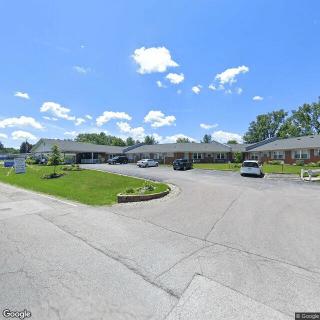
    pro Caring staff in a welcoming, clean environment with leadership-driven improvements.
  • Golden Living Center - Indianapolis

    Golden Living Center - Indianapolis

    Indianapolis, IN

    2.8 from 37 reviews
    $5,324 to $5,781 / month

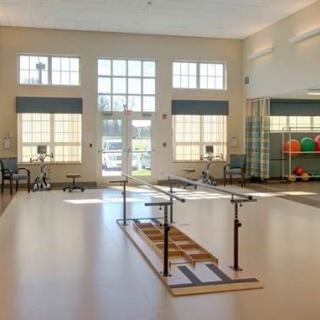
    pro Quality physical therapy program with friendly, attentive staff.

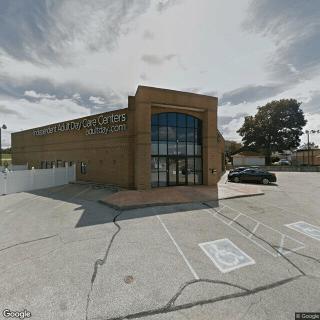
  • Independent Adult Day Care Centers - Indianapolis South

    Independent Adult Day Care Centers - Indianapolis South

    Indianapolis, IN

    4.1 from 39 reviews
     

    pro Independence-focused day program with easy access to nearby amenities.

  • Spruce Manor Apartments

    Spruce Manor Apartments

    Indianapolis, IN

    3.9 from 15 reviews
     

  • Fairway Village

    Fairway Village

    Indianapolis, IN

    4.3 from 27 reviews
     

    pro Comprehensive memory care and skilled nursing with 24/7 supervision and care coordination.

  • Best Life Home Care,  LLC

    Best Life Home Care, LLC

    Indianapolis, IN

    5 from 18 reviews
     

    pro Peaceful, welcoming environment with easy access to nearby amenities and healthcare.

  • Altenheim Health & Living Community

    Altenheim Health & Living Community

    Indianapolis, IN

    3.7 from 139 reviews
     

    pro Beautiful, well-staffed facility with engaging activities.

  • Churchman Woods

    Churchman Woods

    Indianapolis, IN

    3.1 from 21 reviews
    $550 to $650 / month

    pro Very affordable pricing ($550 1BR, $650 2BR) and pet-friendly; strong on-site and outdoor amenities.

  • Goodwin Plaza

    Goodwin Plaza

    Indianapolis, IN

    4.3 from 6 reviews
     

    pro Excellent proximity to amenities and services (cafes, parks, dining, healthcare, places of worship, entertainment, and hospitals).

Related Resources

  • assisted living for disabled adultsComprehensive Residential Support and Assisted Living Solutions for Individuals with Disabilities

    The article examines the complexities of assisted living for individuals with disabilities, emphasizing the need for tailored care solutions that enhance quality of life and social inclusion, while addressing financial challenges and advocating for community integration. It discusses various housing options, the importance of financial assistance through public benefits, and highlights trends towards integrated and technology-driven solutions in disability-focused housing.

  • assisted living for disabled adultsComprehensive Supportive Living Arrangements for Adults with Disabilities

    Assisted living for adults with disabilities has transformed to provide personalized care and support services aimed at improving residents' quality of life while balancing independence and assistance. However, low-income individuals often face challenges in affording these services, requiring navigation of various financial resources and advocacy for better policies and solutions.

  • how to pay for assisted livingFunding and Affording Assisted Living: A Thorough Overview
    Assisted living facilities provide support for older adults needing help with daily activities without extensive medical care, but their costs can be high and vary by location and services offered. Families often seek various funding options and financial strategies to manage these expenses effectively while considering future needs and potential price increases.