Altenheim presents a competitive pricing structure for its residents, particularly when compared to both Marion County and the broader state of Indiana. For a studio apartment, Altenheim's monthly cost is $2,155, significantly lower than the county average of $2,869 and the state average of $3,258. Similarly, in the case of one-bedroom units, Altenheim offers a price of $2,910, which remains in close proximity to Marion County's rate of $2,917 but falls well below Indiana's average of $3,300. This favorable pricing positions Altenheim as an attractive option for those seeking quality accommodations without the burden of inflated costs often seen elsewhere in the region.
Floor plans
Altenheim
Marion County
Indiana
Studio
$2,155
$2,869
$3,258
1 Bedroom
$2,910
$2,917
$3,300
Memory care communities with a similar price nearby
Call-light and care check-ins are described as inconsistent by multiple reviewers.
Several residents and family members report delays when they needed help, describing long waits for assistance and lights not being answered for hours. Other reviewers counter that they’ve seen staff step in quickly and stay communicative, including nurses who follow up when concerns come up. Taken together, experiences with day-to-day responsiveness vary a lot depending on the shift and situation described in the reviews.
common44 reviews mention this
Care staff are often praised
Many reviewers praise staff as caring, professional, and attentive to individual needs.
A large portion of reviews highlight nurses, CNAs, therapists, and front-desk team members as welcoming and supportive. Several people specifically mention staff members being available for questions, collaborating with providers, and noticing changes early. Reviews also describe rehab and memory care routines that feel less stressful because medication and daily care are being handled by the team.
caveat16 reviews mention this
Cleanliness and pest control concerns
Some reviewers describe cleanliness problems and pest issues in rooms or common areas.
A recurring complaint is that rooms and facility areas weren’t cleaned often enough, with reports of dirty floors and housekeeping that arrives infrequently. Multiple negative reviews also mention pests such as mice, ants, or bedbugs, along with unpleasant odors. Other reviewers say the environment is kept clean and pleasant, but cleanliness issues appear often enough to be a consistent concern in the feedback.
caveat18 reviews mention this
Dining quality is uneven
Dining is described as sometimes bland or arriving cold.
Some reviewers say the food is delicious and that meals and dining support work well for their loved ones. Others describe the food as bland, cold, or not arriving promptly, and several mention limitations like no snacks on certain days. A few reviews also note dietary needs, including concerns about salt levels, even when residents are otherwise satisfied with care.
common14 reviews mention this
Activities and faith programming stand out
Residents are offered a steady mix of activities, including religious services.
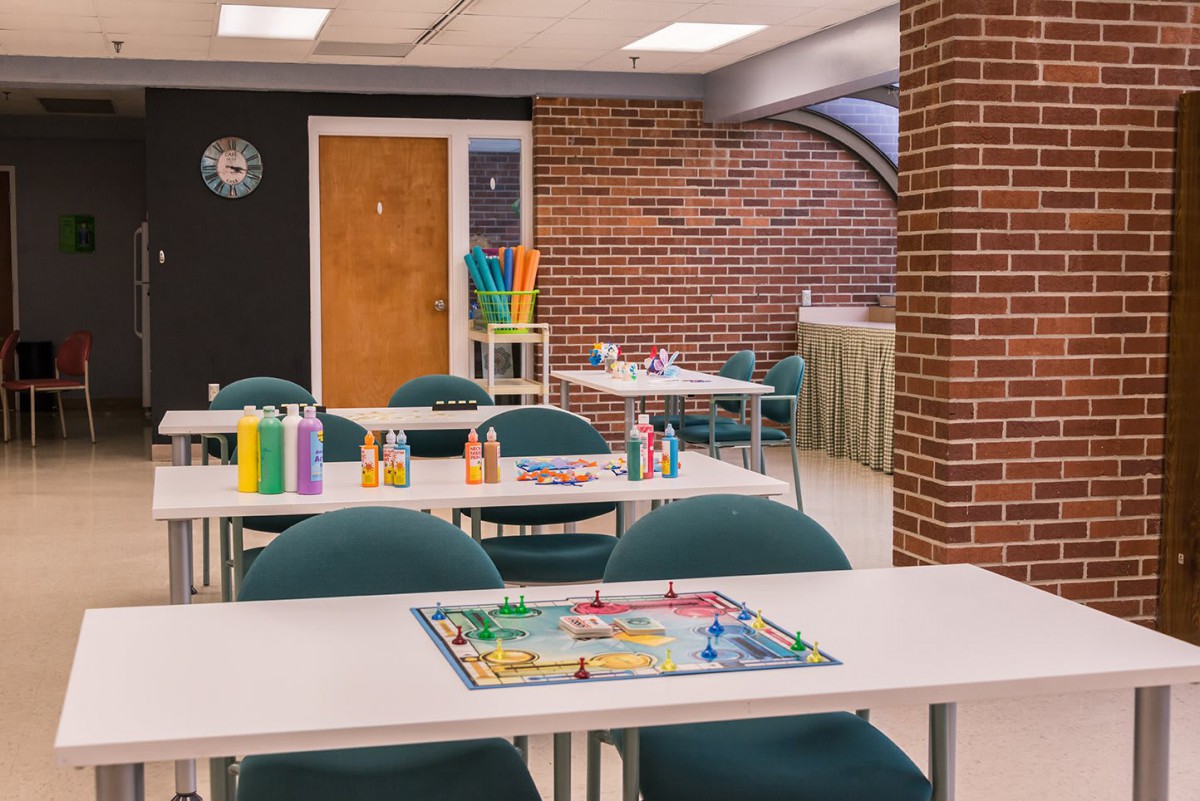
Reviews frequently mention activities such as outings, live performances, happy hour, and religious services. Some families say their loved ones participate in games and social activities, while others describe choosing only a smaller slice of what’s offered, like attending mass. The community’s activity options appear broad enough that residents can match their preferences to what they enjoy.
common6 reviews mention this
Pricing comes up as a value
Pricing is described as reasonable or better than alternatives.
A few reviewers call the cost reasonable compared with other places they considered or toured. The published price range is also presented as below both county and state benchmarks for studio and one-bedroom options, which aligns with residents who describe the community as a value. Even with that value, reviewers still flag care consistency concerns, so cost alone doesn’t appear to settle expectations for everyone.
How we summarize
Counts show how many written reviews mention each theme; a review can touch several themes, and only frequently mentioned themes are displayed.
Features
Types of Care
Assisted Living
Independent Living
Memory Care
Pets
Cats allowed
Dogs allowed
Amenities
Activities off-site
Activities on-site
Air-conditioning
Bath tubs
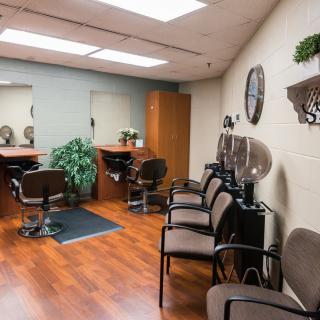
Beautician on-site
Devotional services off-site
Devotional services on-site
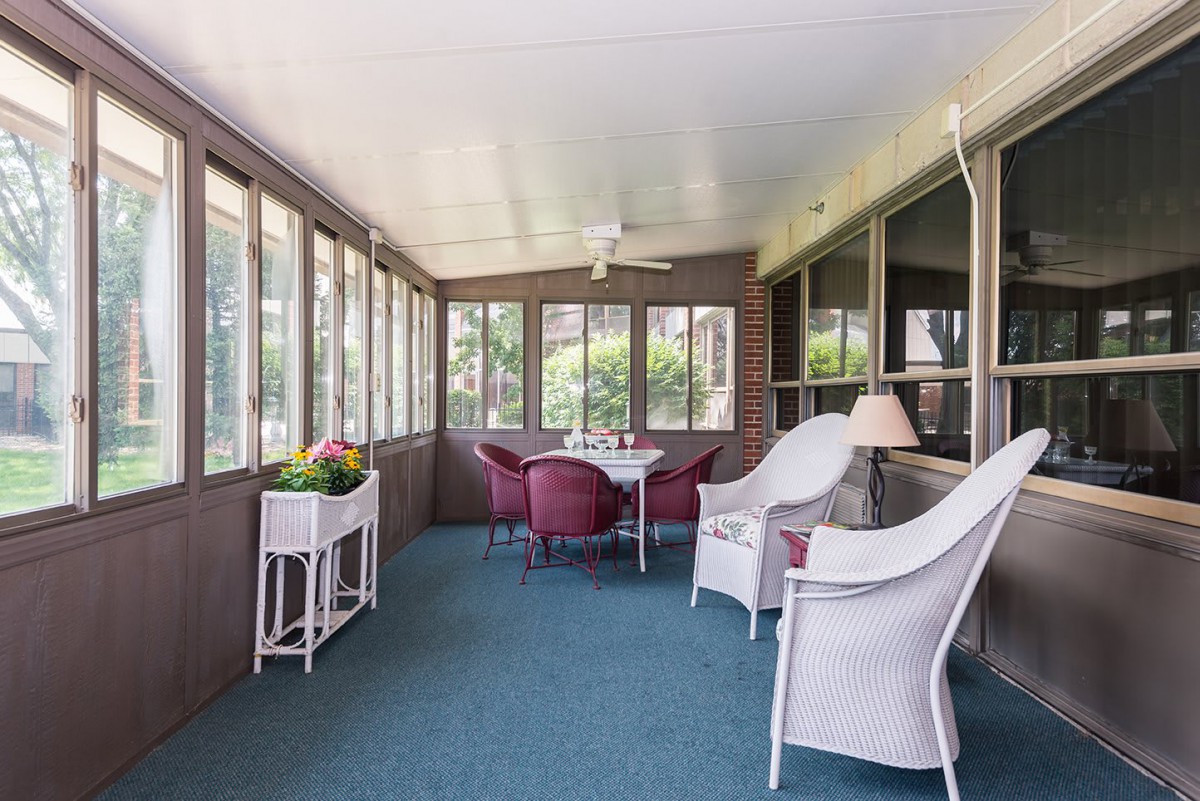
Indoor common areas
Kitchenette
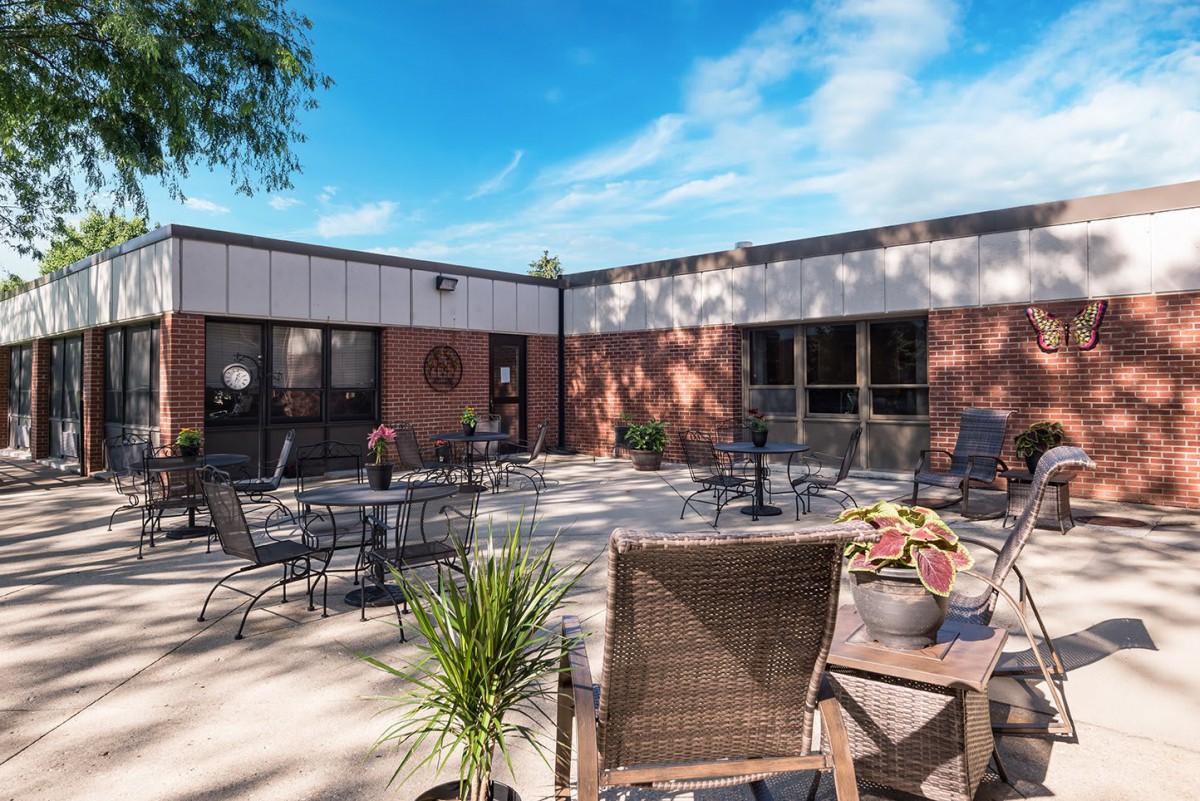
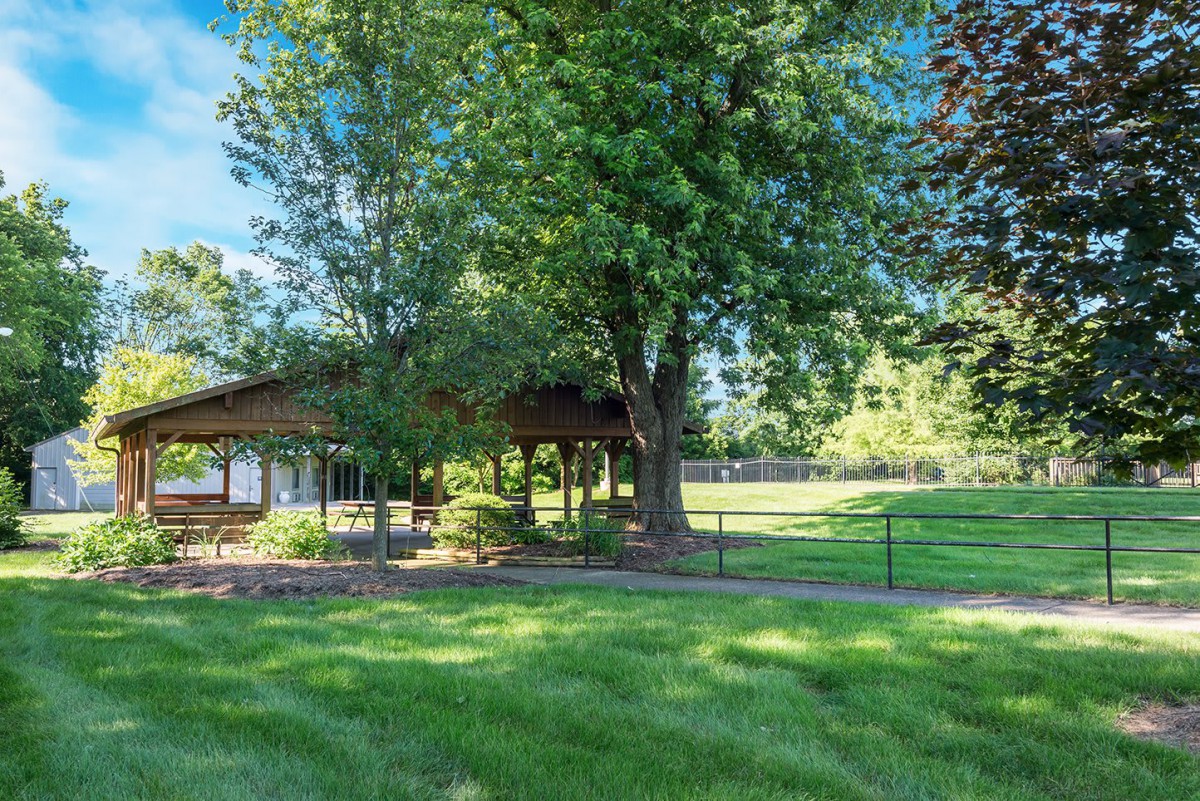
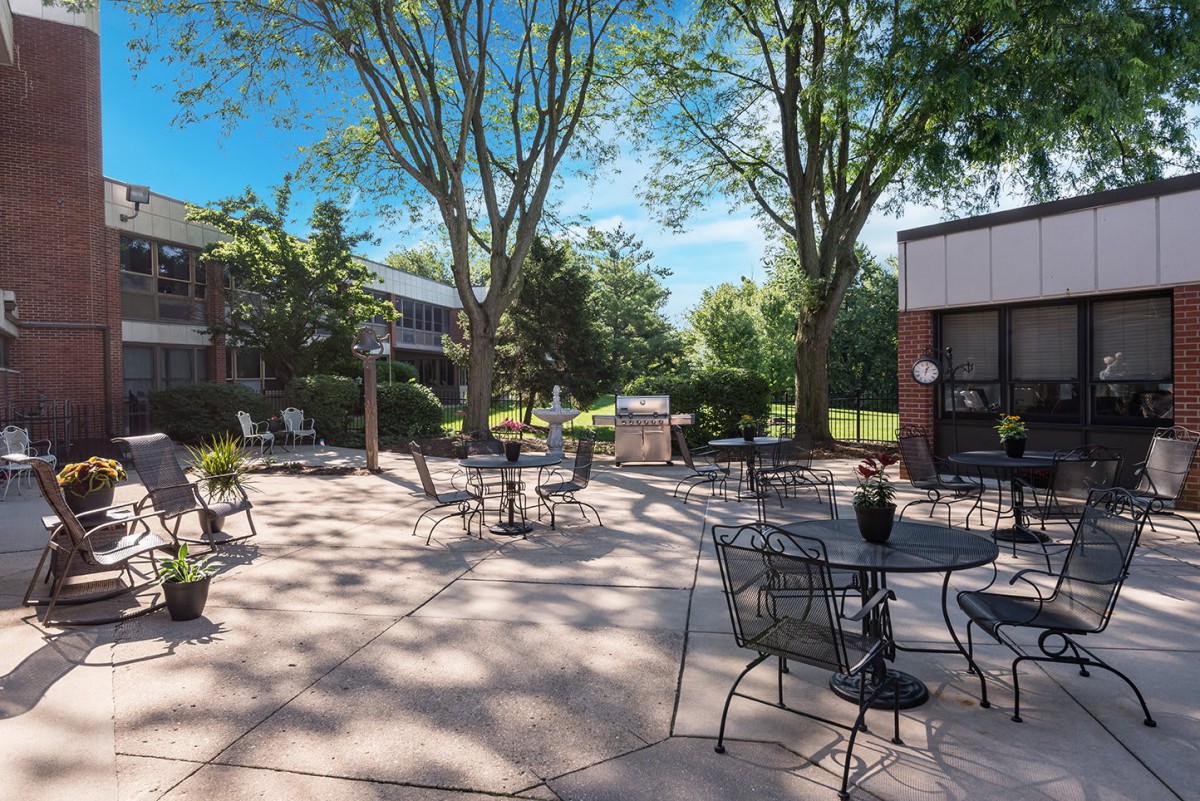
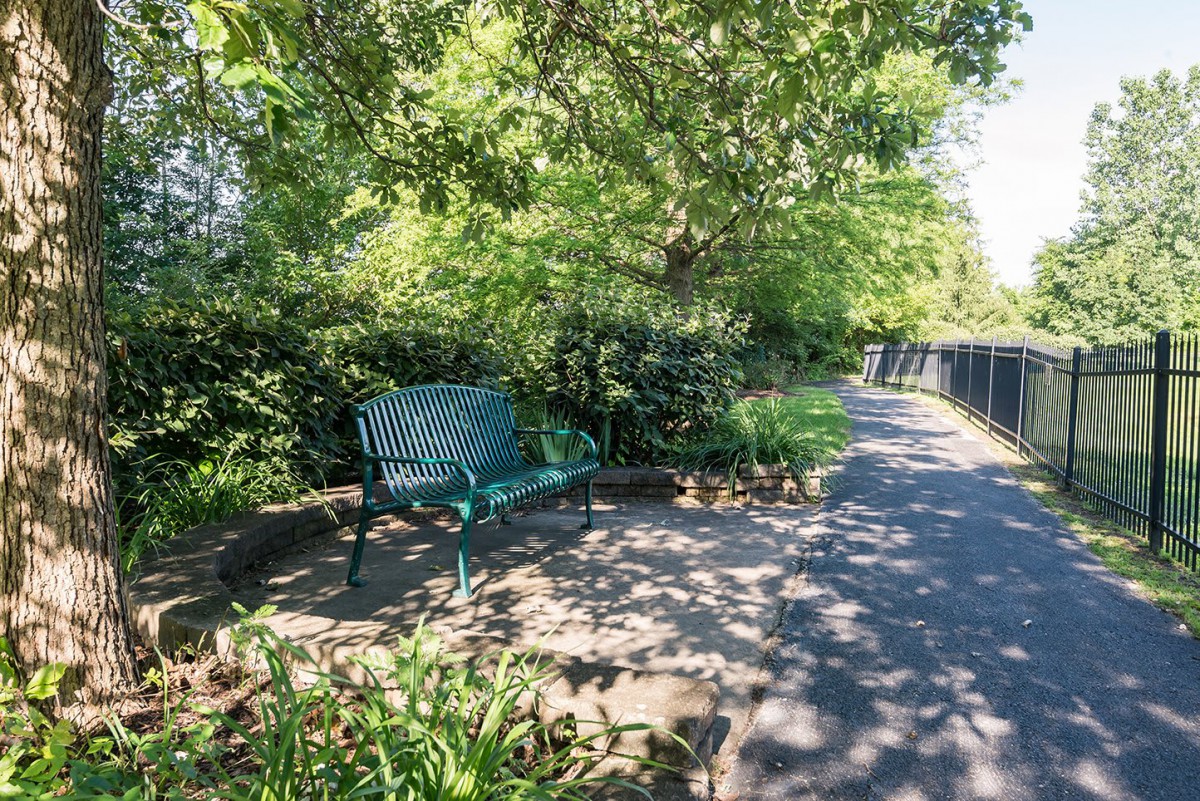
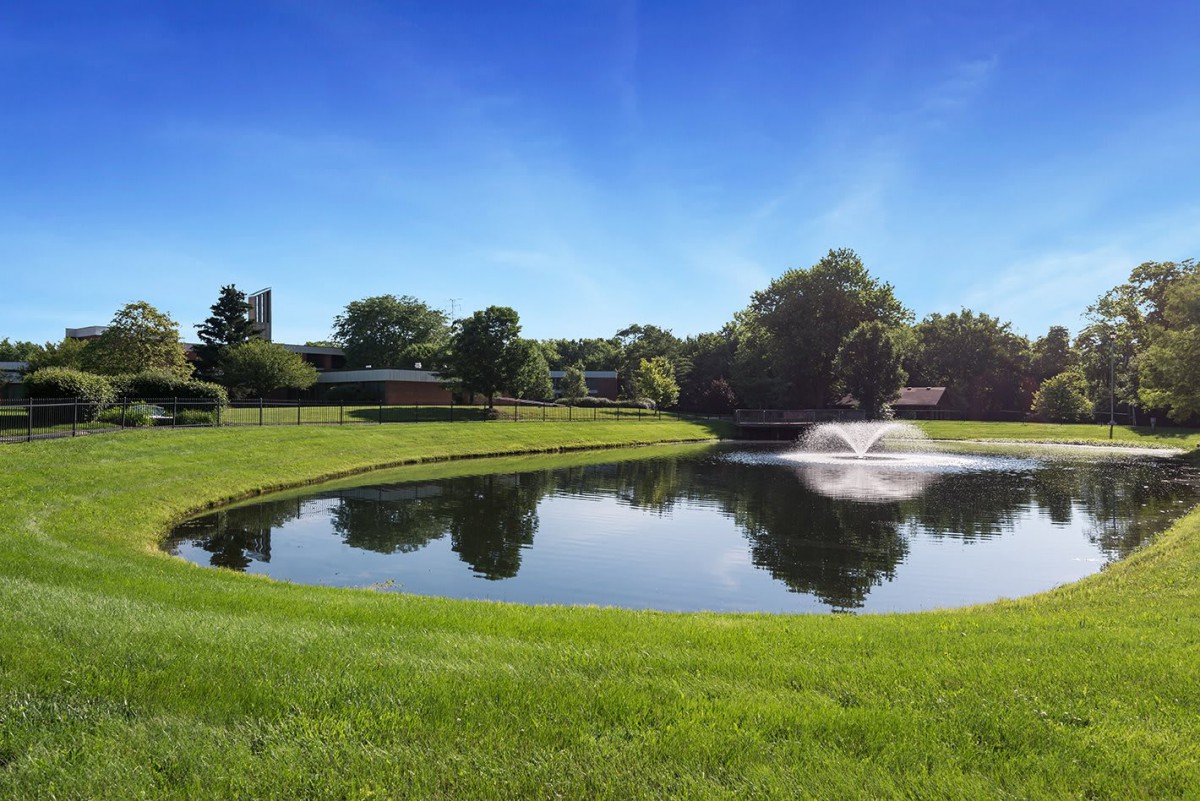
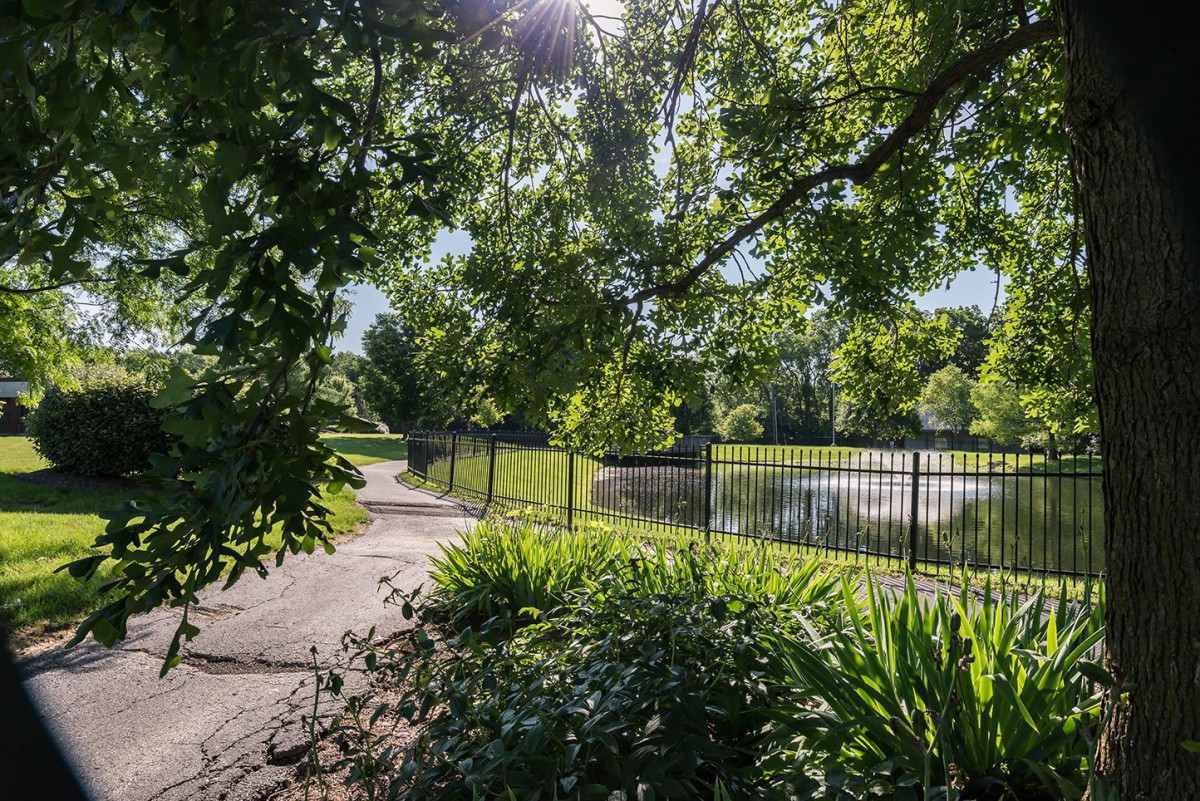
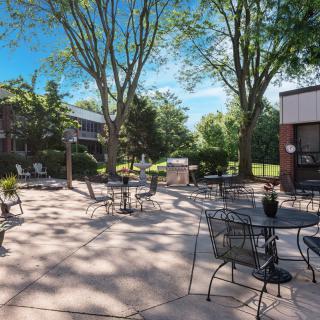
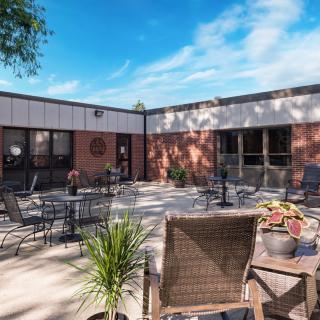
Outdoor common areas
Respite or short term stays offered
Wheelchair accessible showers
Wi-Fi/high-speed internet available
Transportation
Indianapolis International (10 miles away)
Care Services
Ambulatory care
Diabetic care
High acuity care
Incontinence care
Medication management
Dining
Guest meals
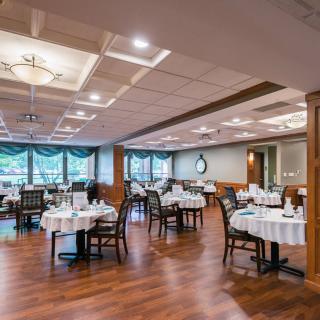
Meals provided
Restaurant style dining
Activities
Art classes
Catholic services
Day trips and outings
Devotional activities offsite
Devotional activities on-site
Educational speakers / life long learning
Happy hour
Live dance or theater performances
Live musical performances
Protestant services
Visiting chaplain or priest
Videos
Nearby Places of Interest
This part of Indianapolis, Indiana, offers a convenient location with a variety of services and amenities nearby. There are multiple cafes and restaurants within a few miles, providing plenty of options for dining out or grabbing a coffee. Additionally, there are several pharmacies and physicians' offices in the area for easy access to healthcare services. For those who enjoy outdoor activities, there are parks within a short drive, as well as a local airport for travel convenience. The proximity to hospitals and medical facilities is also reassuring for seniors looking for quality healthcare options. With places of worship and theaters nearby, there is plenty to explore and enjoy in this vibrant community.
Cafes
Starbucks (1.4 miles)
Starbucks (5 miles)
Starbucks (6.2 miles)
Pharmacies
Walgreens (1.5 miles)
CVS Pharmacy (2.2 miles)
CVS Pharmacy (2.4 miles)
CVS Pharmacy (2.4 miles)
CVS Pharmacy (2.5 miles)
CVS Pharmacy (2.7 miles)
Walgreens (2.8 miles)
Physicians
Dr Richard Stanley, DPM (2.2 miles)
Oak Street Health (2.5 miles)
Indiana Kidney Specialists (2.8 miles)
Windrose Health Network (2.9 miles)
Franciscan Surgery Center (4.2 miles)
My Ortho Team (4.4 miles)
Johnstone Family Practice (4.7 miles)
Places of Worship
Living Word Bible Church (2.2 miles)
Suburban Baptist Church (5.3 miles)
Restaurants
McDonald's (2.6 miles)
Cracker Barrel (2.9 miles)
Chick-Fil-A (3.2 miles)
Ben's Soft Pretzels (3.4 miles)
Anthony's Dugout (4.1 miles)
The Tailgate (4.1 miles)
McDonald's (4.2 miles)
Hospitals
St Francis Hospital Breast Center (3.2 miles)
Community Hospital South (5.1 miles)
OrthoIndy South (5.7 miles)
Indiana University Hospital (6 miles)
Eskenazi Hospital (6.2 miles)
Newborn Follow-Up Program, Riley Hospital for Children at IU Health (6.3 miles)
Altenheim presents a competitive pricing structure for its residents, particularly when compared to both Marion County and the broader state of Indiana. For a studio apartment, Altenheim's monthly cost is $2,155, significantly lower than the county average of $2,869 and the state average of $3,258. Similarly, in the case of one-bedroom units, Altenheim offers a price of $2,910, which remains in close proximity to Marion County's rate of $2,917 but falls well below Indiana's average of $3,300. This favorable pricing positions Altenheim as an attractive option for those seeking quality accommodations without the burden of inflated costs often seen elsewhere in the region.
Altenheim's medication management system is designed to ensure that residents receive their prescribed medications accurately and on time, which is crucial in managing the symptoms of dementia and Alzheimer's disease. This feature minimizes the risk of missed doses or medication errors, promoting overall well-being and stability for individuals with cognitive impairments. Additionally, incontinence care at Altenheim is tailored to meet the specific needs of residents facing challenges related to bladder and bowel control, which can often exacerbate anxiety and discomfort associated with dementia. This specialized assistance not only helps maintain dignity and comfort but also allows caregivers to focus on providing a nurturing environment that supports cognitive function and emotional health. Together, these features create a comprehensive approach that addresses both medical and personal care needs, enhancing the quality of life for those affected by memory-related conditions.
Transitioning from assisted living to memory care is driven by an individual's cognitive decline and specific needs, requiring careful evaluation of indicators like increased confusion and wandering. The process involves consulting medical professionals, researching suitable communities, considering financial and legal aspects, and ensuring effective communication for personalized care plans.
The article differentiates between assisted living and memory care, explaining that assisted living supports seniors with daily activities while promoting independence, whereas memory care provides specialized services for individuals with dementia, focusing on secure environments and cognitive support. It also addresses staff training, safety considerations, costs, family involvement, and transition strategies for families navigating these care options.
The article outlines effective communication strategies for interacting with loved ones with dementia, highlighting the need for empathy, patience, and understanding while emphasizing supportive approaches like using simple language, minimizing distractions, and focusing on feelings over facts to maintain dignity and foster connection. It also suggests seeking professional guidance when needed as communication challenges evolve.
Get PricingAsk A QuestionSchedule A TourContact Senior Advisor
By clicking submit, you agree to our Partner's Terms of Use. You
also consent to receive calls and texts, which may be autodialed, from our Partner. Your consent is not a condition to
using our Partner's service. Please visit our Partner's Privacy Policy for information about their privacy practices.










 Assisted Living
 Independent Living
 Memory Care
 Cats allowed
 Dogs allowed
 Activities off-site
 Air-conditioning
 Bath tubs
 Beautician on-site
 Devotional services off-site
 Indoor common areas
 Kitchenette
 Outdoor common areas
 Respite or short term stays offered
 Wheelchair accessible showers
 Wi-Fi/high-speed internet available
 Indianapolis International (10 miles away)
 Ambulatory care
 Diabetic care
 High acuity care
 Incontinence care
 Medication management
 Guest meals
 Art classes
 Catholic services
 Day trips and outings
 Educational speakers / life long learning
 Happy hour
 Live dance or theater performances
 Live musical performances
 Beautiful, well-staffed facility with engaging activities.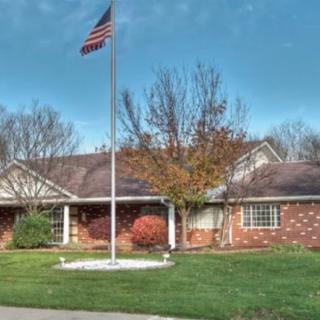
 When to Transition from Assisted Living to Memory Care: Key Indicators, Steps, and Finding the Right Community
 Understanding the Distinctions: Assisted Living and Memory Care Explained
 How to Communicate with a Loved One Living with Dementia: 10 Supportive Strategies