For more information about senior living options: (866) 208-4318
3.5 from 122 reviews
5 stars
55
4 stars
21
3 stars
8
2 stars
4
1 stars
34
Overall Review of Concordia Village of Tampa
common18 reviews mention this
Caring staff shows up
Residents and families frequently describe the staff as caring, helpful, and responsive.
Many reviews describe staff members who are kind and attentive, including nurses, CNAs, and administrators, with families saying they felt supported during their loved ones’ stays. Several comments highlight specific caregivers and activities leaders who made residents feel included. A few reviews also praise communication and professionalism during the admission or care process, while others say communication could be better.
common12 reviews mention this
Activities keep residents engaged
Day-to-day life is often described as busy with planned activities.
Across multiple reviews, residents and visitors mention scheduled activities such as bingo, church services, exercise, and planned events on different days of the week. Several reviewers specifically call out an activities director or activities associate and describe residents as having fun and feeling included. The community also offers off-site or community-sponsored outings and resident-run activities, which some families say helps prevent long stretches of isolation.
caveat10 reviews mention this
Food quality is mixed
Dining reviews swing between delicious and not good enough.
Some families describe the food as delicious, fresh, and enjoyable, including praise for meals served in a restaurant-style setting and for special nights. Others report problems like wilted salads, dull or repetitive menus, and food that feels unhealthy or poorly prepared. A few reviews also mention that dining options can vary by area and that residents may need to be able to get to the dining space to fully benefit.
caveat14 reviews mention this
Facility condition varies by area
Reviews frequently mention cleanliness and upkeep problems alongside positive impressions.
Several residents and families say the community looks well kept, with clean rooms, maintained grounds, and pleasant shared spaces. But many other reviews describe issues such as odors, mold, termites, dirty or unkempt hallways, peeling paint, and outdated areas that need updating. A few reviewers also mention building-specific concerns, like areas with equipment problems or maintenance issues, which suggests experiences may differ depending on the location within the campus.
caveat16 reviews mention this
Care coordination and communication concerns
Residents and families report recurring problems with coordination, follow-through, and updates.
While some reviews praise excellent care and prompt assistance, a number of reviews describe serious gaps—missed needs, delays responding to call lights, and difficulties getting medication handled correctly. Others mention poor communication with families, including not being contacted during hospital transfers or not providing requested information. Some reviews also describe complications related to care planning, wound care, or supervision, and those complaints are a common source of dissatisfaction.
How we summarize
Counts show how many written reviews mention each theme; a review can touch several themes, and only frequently mentioned themes are displayed.
Features
Housing
175 resident community capacity
1-bedroom apartments
2-bedroom apartments
Studio apartments
Types of Care
Assisted Living
Continuing Care Retirement Community (CCRC)
Independent Living
Memory Care
Respite Care
Skilled Nursing Facility
Amenities
Air-conditioning
Beautician on-site
Beauty salon
Cable or satellite TV
Computer center
Dining room
Fitness room
Full kitchen
Fully furnished
Gaming room
Garden
Housekeeping services
Kitchenette
Laundry
Move-in coordination
Outdoor space
Private bathrooms
Restaurant-style dining
Security gate
Small library
Swimming pool
Telephone
Wellness center
Wi-Fi/high-speed internet available
Transportation
Tampa International (10 miles away)
St. Petersburg-Clearwater International (20 miles away)
Concordia Village of Tampa offers comprehensive features that are essential for supporting residents with dementia and Alzheimer's disease. The provision of 24-hour supervision ensures that residents are safe and monitored at all times, which is particularly important given the cognitive challenges associated with these conditions. Assistance with activities of daily living, including bathing, dressing, and transfers, promotes independence while also providing necessary support for those who may struggle with these tasks. Meal preparation and service ensure that residents receive nutritious meals tailored to their needs, fostering both physical well-being and social interaction during mealtimes. Medication management is crucial for maintaining health and stability in patients who often require strict adherence to medication schedules. Additionally, physical therapy helps to enhance mobility and strength, contributing to overall quality of life and allowing residents to engage more meaningfully in daily activities. Together, these features create a supportive environment that addresses both the physical and emotional needs of individuals living with memory impairments.
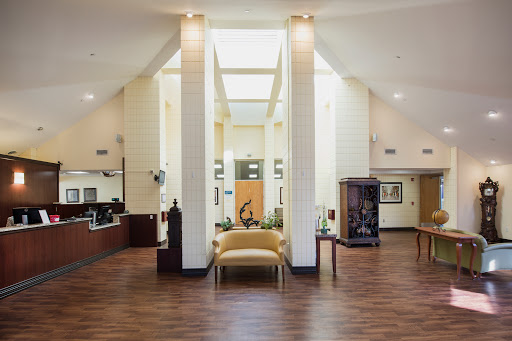
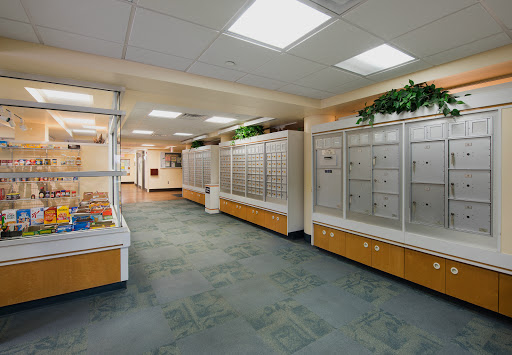
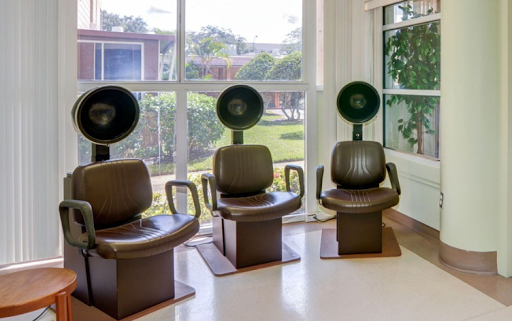
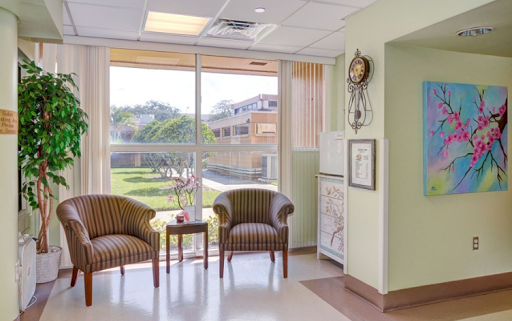
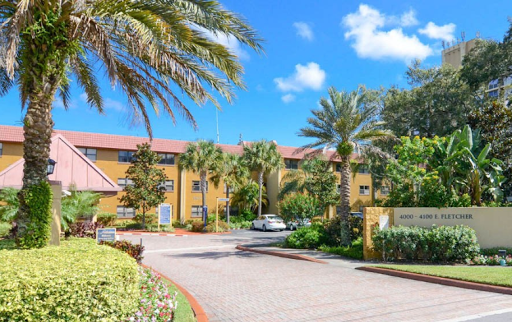
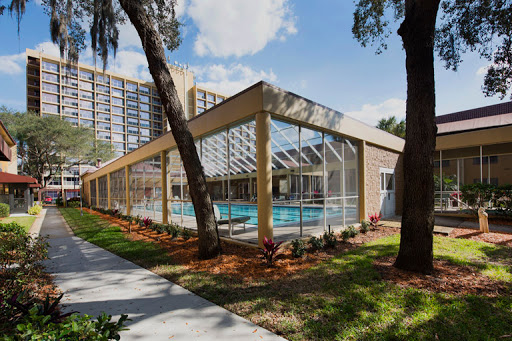
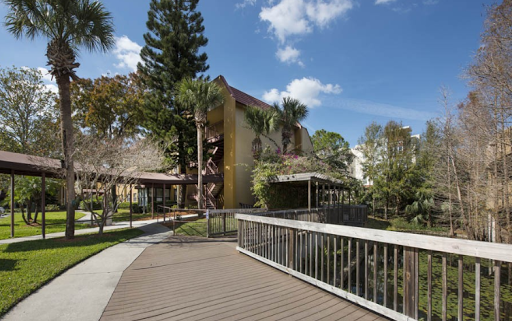
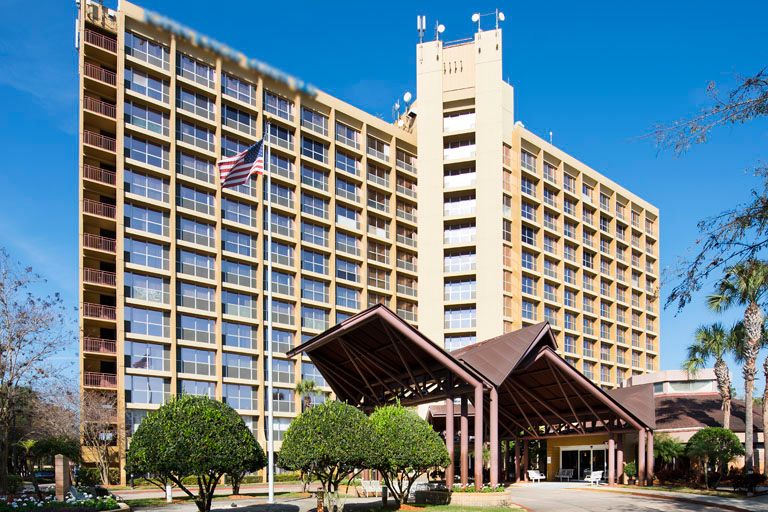
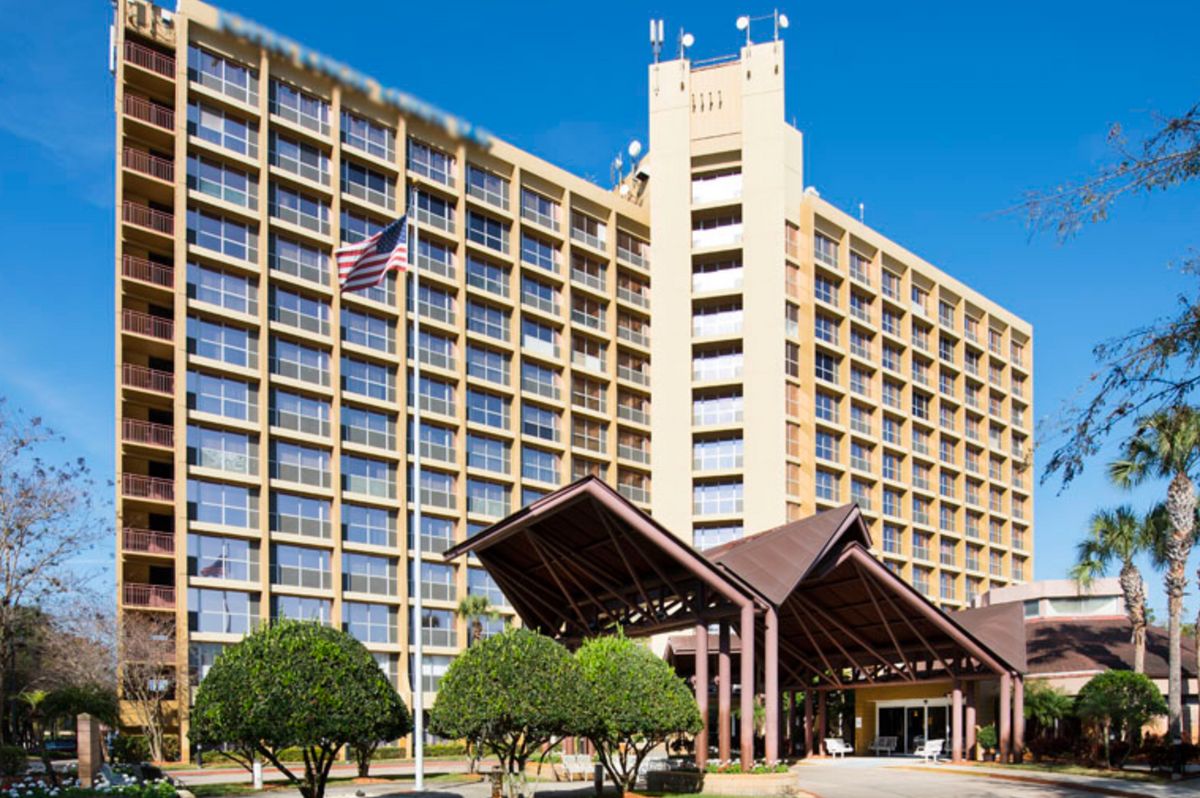
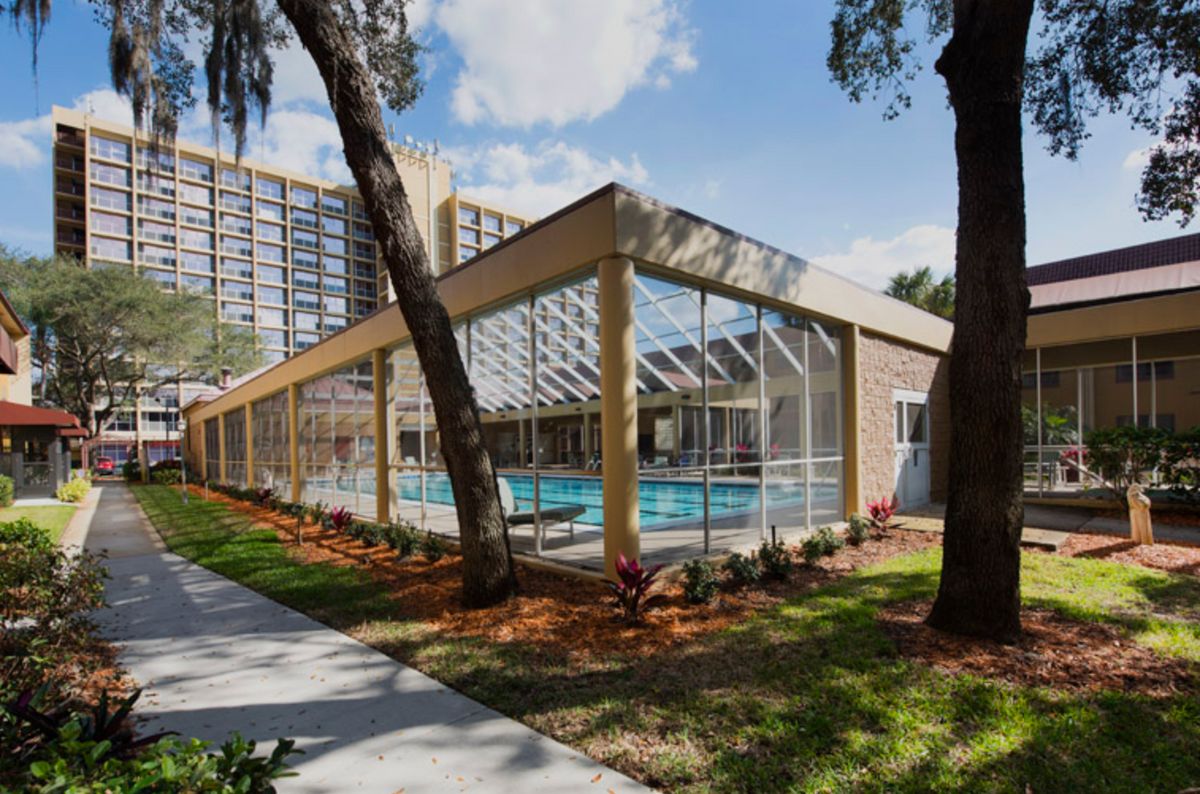
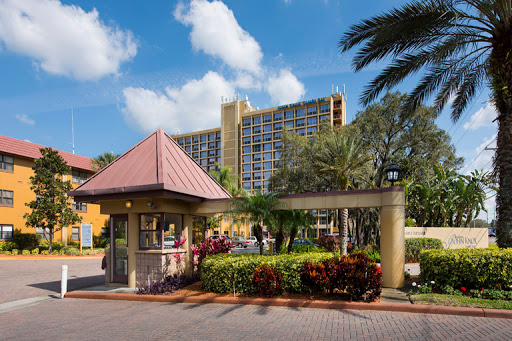
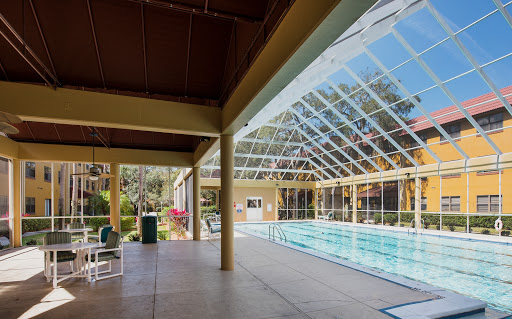
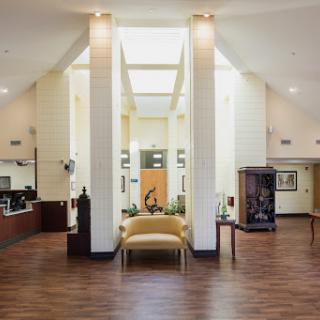
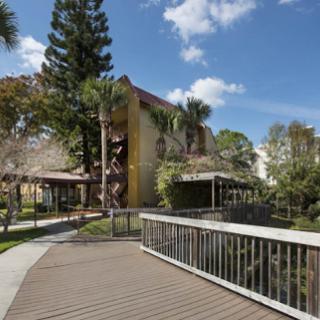
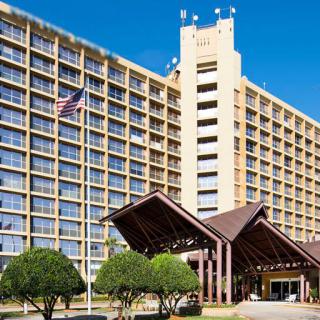
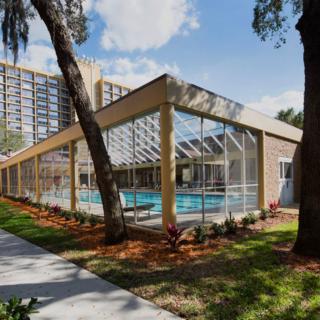
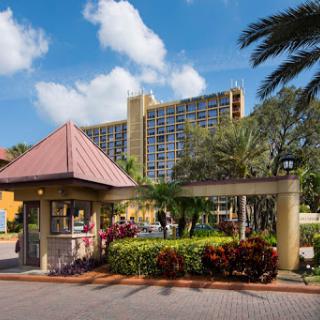
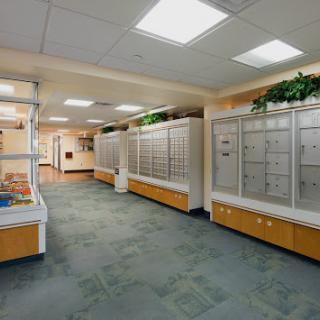
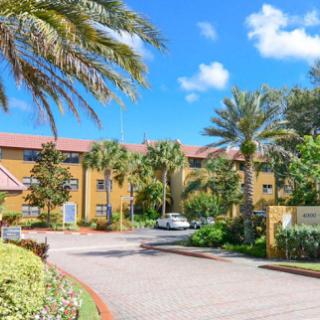
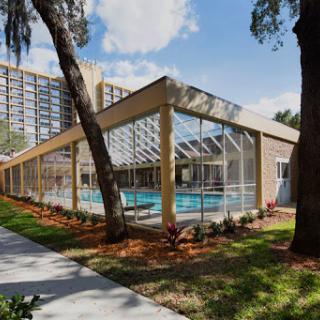
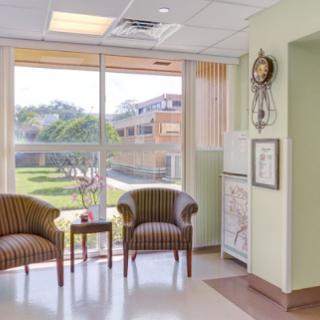
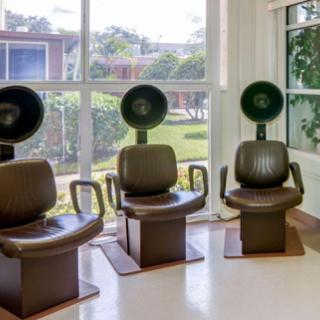
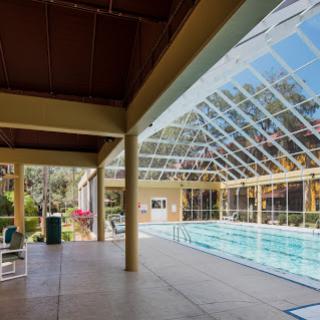
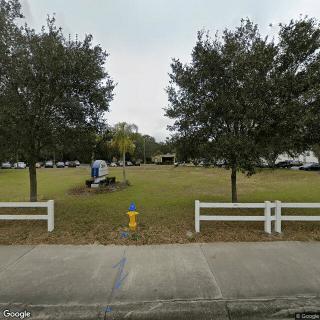
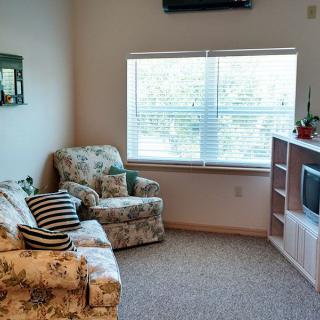
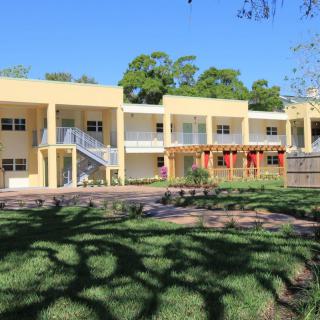
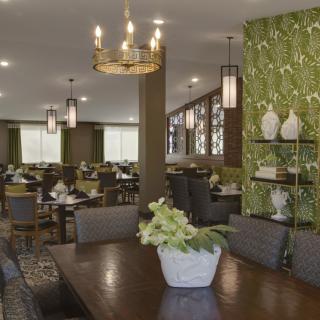
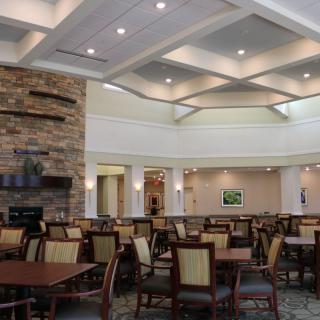
Concordia Village of Tampa on seniors.fyi includes 12 photos including images showing building, architecture, landscaping, trees, swimming pool, outdoor, interior, entrance, and more.
Nearby Communities
Concordia Village at Tampa
Tampa, FL
3.3 from 106 reviews
$1,750 to $2,600 / month
24/7 nursing care with friendly, attentive staff and a well-run operation.
Palm Garden Of Tampa
Tampa, FL
4.5 from 146 reviews
Clean, welcoming environment with friendly staff and active rehab/activities.
Fairway Oaks Center
Tampa, FL
4.2 from 132 reviews
Caring staff in certain areas and a clean, welcoming environment.
Northside Behavioral Health Center I
Tampa, FL
2.3 from 72 reviews
Small, personalized setting with comprehensive care and on-site amenities.
Angels Senior Living At New Tampa
Tampa, FL
3.8 from 56 reviews
$3,145 / month
Compassionate staff and a well-maintained, activity-filled environment.
Excel Care Center
Tampa, FL
3.8 from 122 reviews
Caring staff and engaging activities
Best Care Senior Living at Heritage Manor
Tampa, FL
3.3 from 31 reviews
$2,000 to $3,000 / month
Caring staff and pleasant dining experiences.
Renaissance North Tampa
Tampa, FL
4.4 from 190 reviews
$3,250 to $5,495 / month
Welcoming, clean facility with attentive staff and a variety of on-site activities.
Promise Pointe at Tampa Oaks
Temple Terrace, FL
4.2 from 83 reviews
$2,975 to $5,550 / month
Friendly, responsive staff and engaging activities.
The article differentiates between assisted living and memory care, explaining that assisted living supports seniors with daily activities while promoting independence, whereas memory care provides specialized services for individuals with dementia, focusing on secure environments and cognitive support. It also addresses staff training, safety considerations, costs, family involvement, and transition strategies for families navigating these care options.
The article outlines effective communication strategies for interacting with loved ones with dementia, highlighting the need for empathy, patience, and understanding while emphasizing supportive approaches like using simple language, minimizing distractions, and focusing on feelings over facts to maintain dignity and foster connection. It also suggests seeking professional guidance when needed as communication challenges evolve.
VA nursing homes, or Community Living Centers (CLCs), offer tailored long-term care for veterans, featuring medical attention and rehabilitation in a supportive environment. The guide covers facility types, eligibility criteria, financial assistance options, quality of care standards, and alternatives to full-time nursing home placement.
Get PricingAsk A QuestionSchedule A TourContact Senior Advisor
By clicking submit, you agree to our Partner's Terms of Use. You
also consent to receive calls and texts, which may be autodialed, from our Partner. Your consent is not a condition to
using our Partner's service. Please visit our Partner's Privacy Policy for information about their privacy practices.

 175 resident community capacity
 1-bedroom apartments
 Assisted Living
 Continuing Care Retirement Community (CCRC)
 Independent Living
 Memory Care
 Respite Care
 Skilled Nursing Facility
 Air-conditioning
 Beautician on-site
 Cable or satellite TV
 Computer center
 Dining room
 Fitness room
 Full kitchen
 Fully furnished
 Gaming room
 Garden
 Housekeeping services
 Laundry
 Move-in coordination
 Outdoor space
 Private bathrooms
 Restaurant-style dining
 Security gate
 Small library
 Swimming pool
 Telephone
 Wellness center
 Wi-Fi/high-speed internet available
 Tampa International (10 miles away)
 Community operated transportation
 24-hour call system
 Activities of daily living assistance
 Assistance with bathing
 Assistance with dressing
 Assistance with transfers
 Diabetes diet
 Medication management
 Physical therapy
 Special dietary restrictions
 Concierge services
 Planned day trips
 Religious services
 English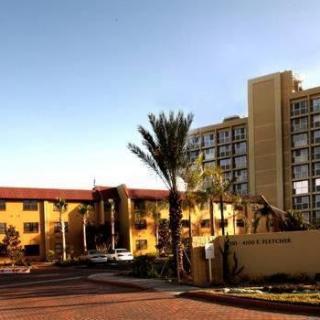
 24/7 nursing care with friendly, attentive staff and a well-run operation.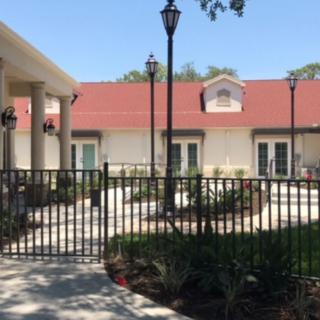


 Understanding the Distinctions: Assisted Living and Memory Care Explained
 How to Communicate with a Loved One Living with Dementia: 10 Supportive Strategies
 Comprehensive Guide to VA Nursing Homes: A Crucial Long-Term Care Resource for Veterans