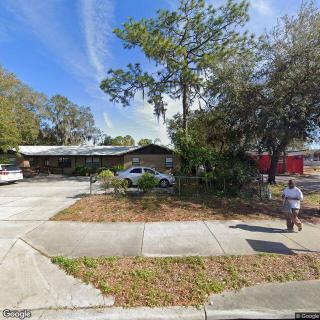
Excel Care Center in Tampa, FL

Save

  • Interior

    Trash on a tiled floor near a door.
  • Decor

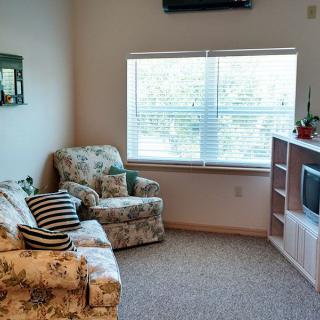
    A well-lit waiting room with comfortable chairs and a reception desk.
  • Building

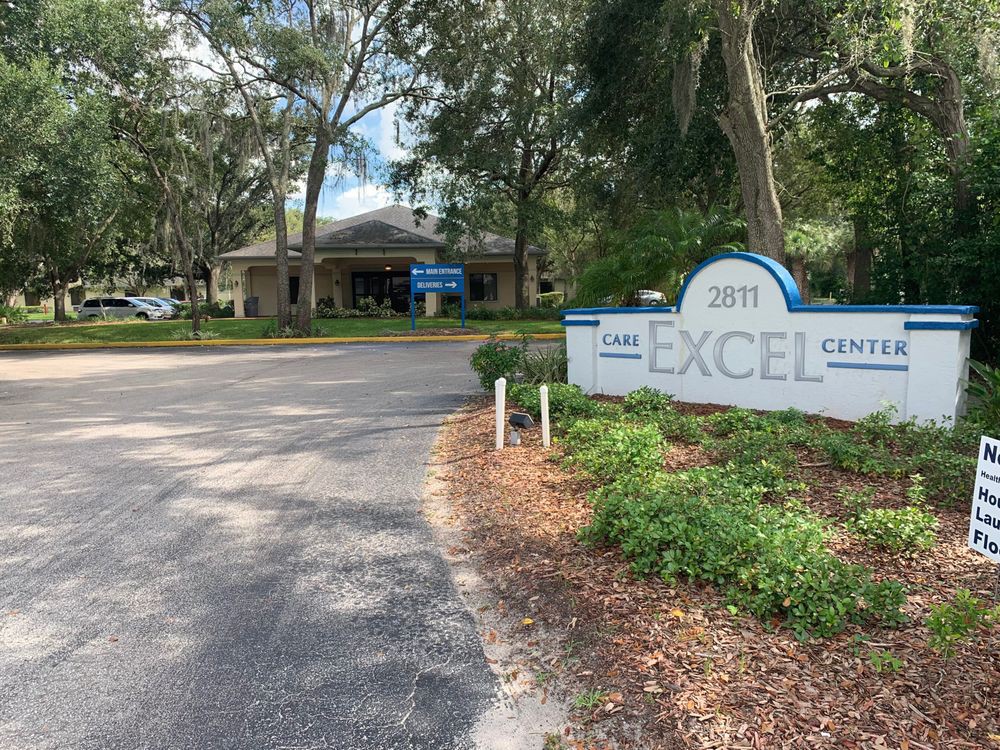
    Entrance to a facility with a sign labeled 'EXCEL' amid lush greenery.
  • Bedroom

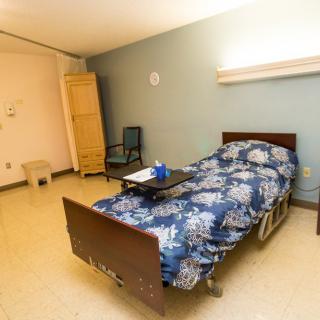
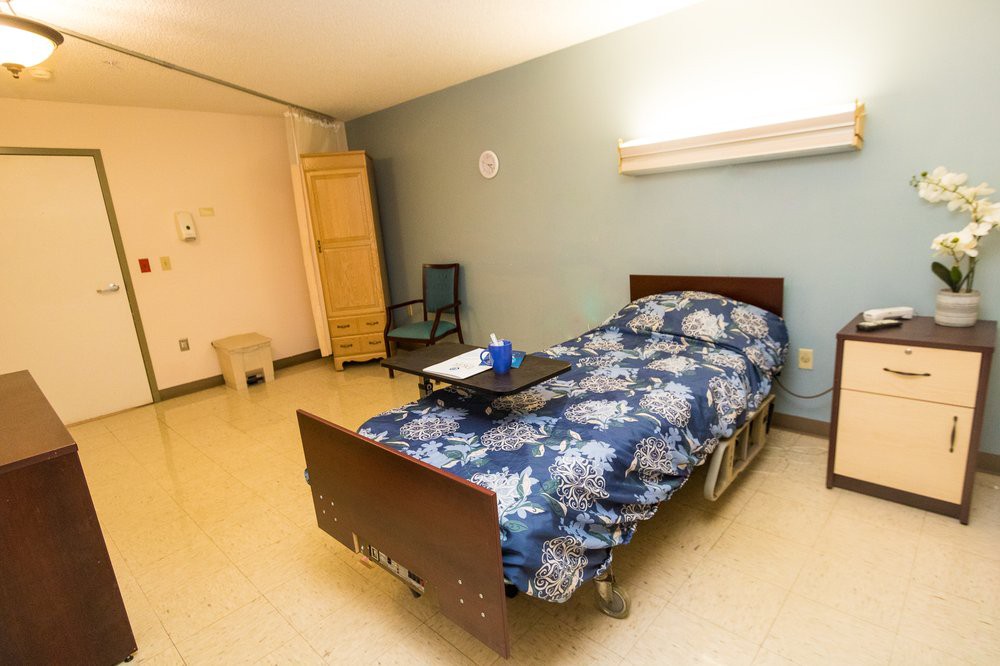
    A simple hospital room with a single bed and basic furnishings.
  • Bathroom

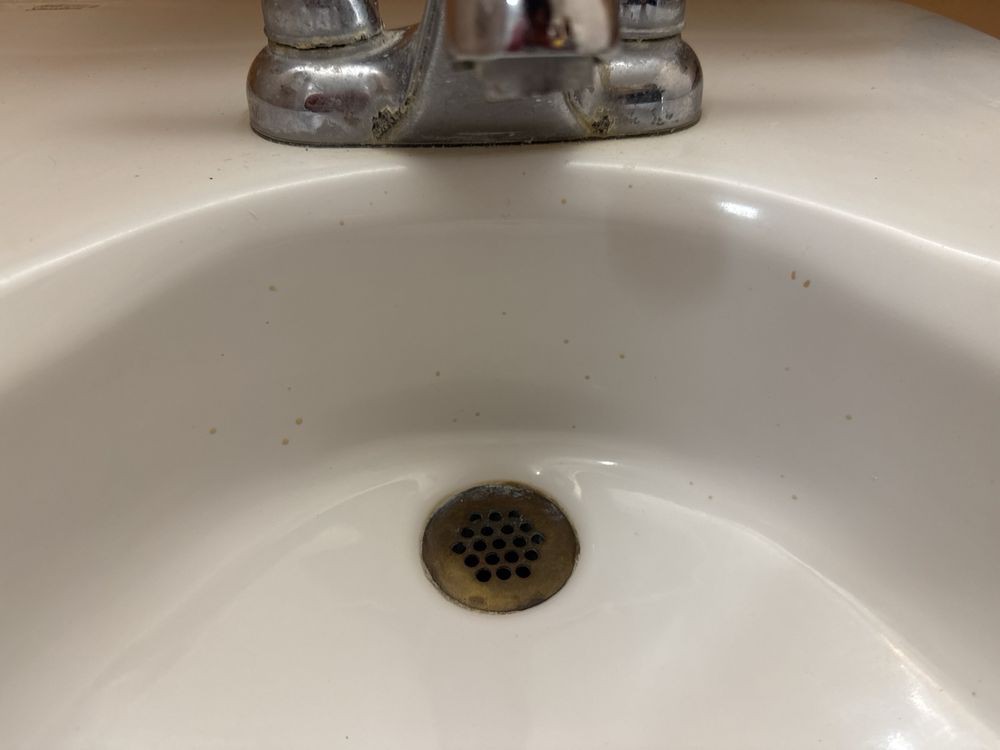
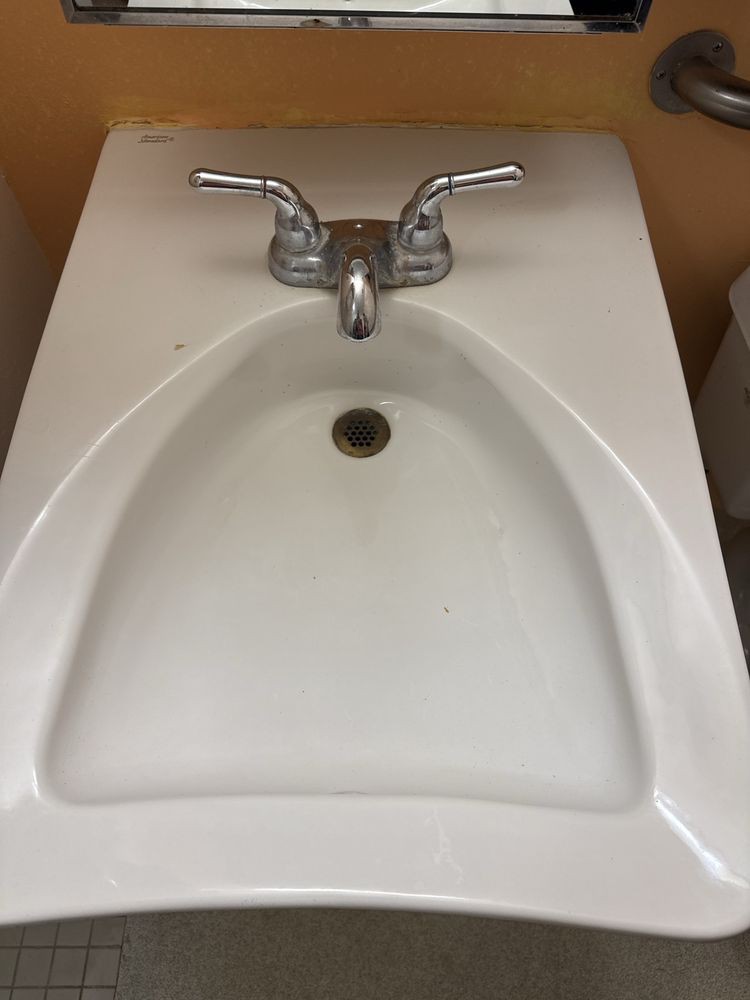
    A bathroom sink with a metallic faucet and drain.
  • Exercise Equipment

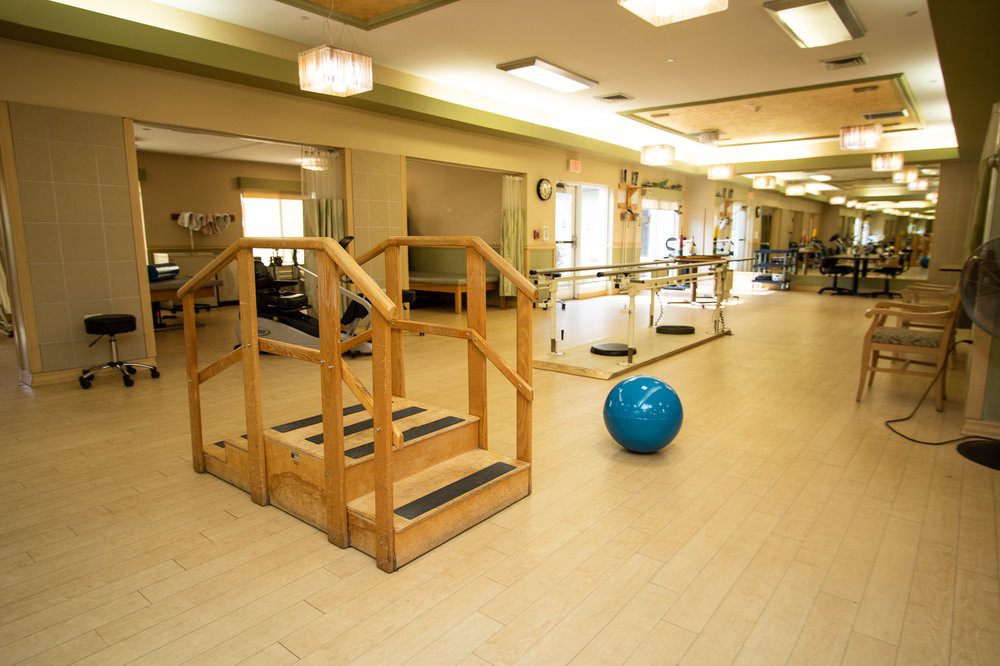
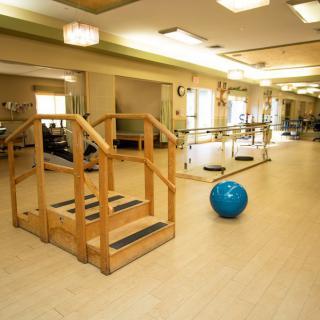
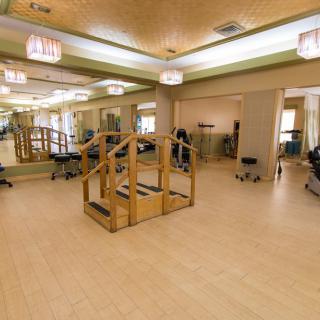
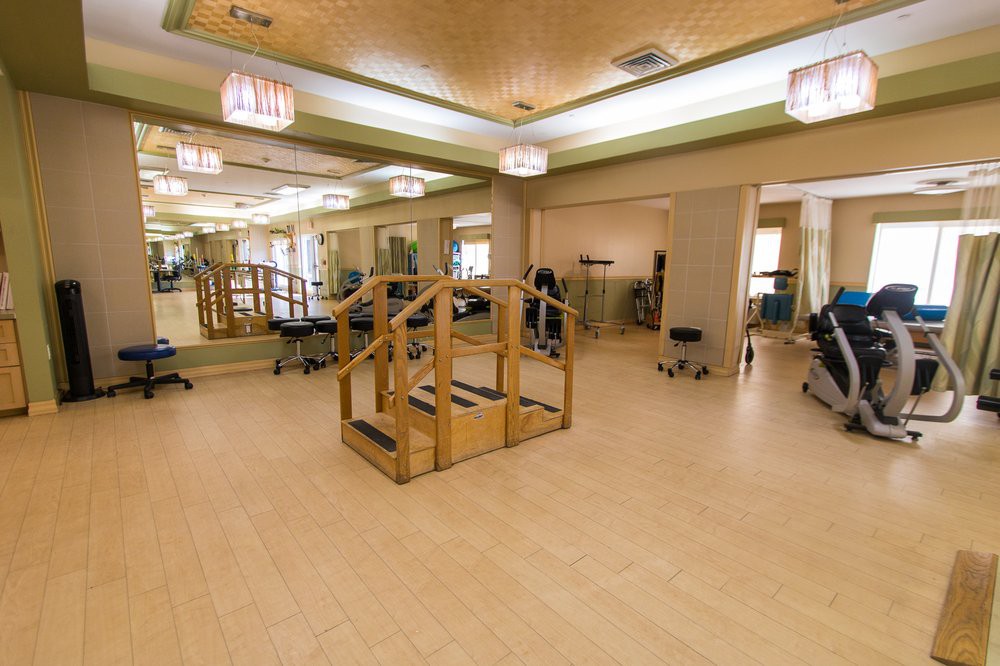
    A rehabilitation room equipped for physical therapy with exercise equipment.
  • Office

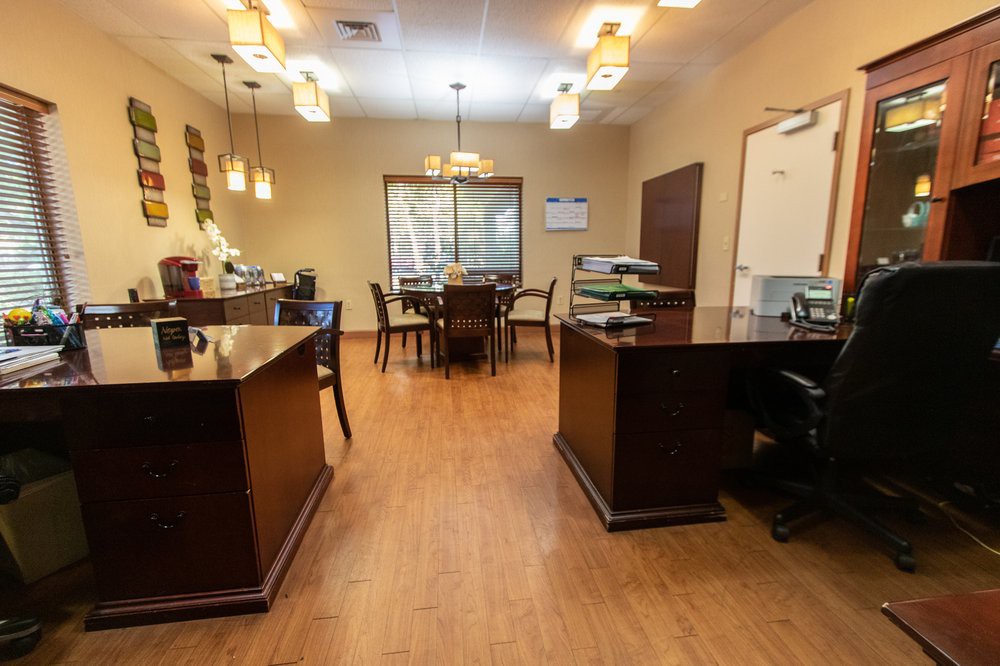
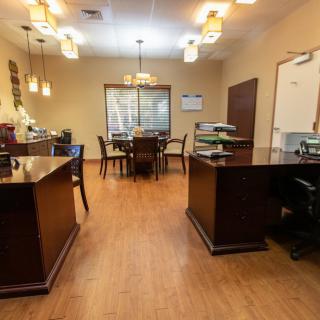
    A well-organized office space with wooden flooring and multiple desks, featuring overhead lighting and a large window at the back.
  • Rehabilitation

    A spacious rehabilitation therapy room with various exercise equipment.

Excel Care Center in Tampa, FL

Information last verified:

2811 Campus Hill Drive, Tampa, FL 33612

For more information about senior living options: (844) 490-3973

3.7 from 112 reviews
5 stars
69
4 stars
7
3 stars
1
2 stars
1
1 stars
34

Overall Review of Excel Care Center

Pros

  • pro The staff at Excel Care Center are thoughtful and compassionate toward their patients.
  • pro The therapy team is amazing and helps patients regain strength to return home.
  • pro Doctors treat patients like family and provide encouragement.
  • pro The environment is warm, safe, and fosters a strong sense of community.
  • pro The nursing staff are caring, attentive, and go above and beyond for their patients.
  • pro The facility is clean, well kept, and welcoming.
  • pro The admissions and administrative staff are professional and supportive, making processes smooth.
  • pro The CNAs and nurses are among the best, consistently showing kindness and dedication.
  • pro The activities department is outstanding, with staff like Janice tirelessly making residents happy and comfortable.
  • pro The therapy and wound care teams are highly competent and effective.
  • pro Families receive regular updates and feel secure about their loved ones’ care.
  • pro The staff are friendly, professional, and treat residents with respect.

Cons

  • pro They describe it as the worst facility they have ever been to, with nurses who do not care and call-button delays of 30 minutes.
  • pro They say the CNAs barely provide food, are always on their phones or in the hallway, while patients sit in pain waiting for care.
  • pro They report that a pick line in the arm cannot be exposed to water and requests for covering it so a shower could be taken went unaddressed for days.
  • pro They would never recommend this place to friends or family, believing loved ones could end up dying due to neglect.
  • pro They recount unprofessional and disrespectful staff, including an incident where a nurse threatened to “play the race card” and humiliating front-desk treatment.
  • pro They criticize the food quality as awful and rarely appropriate for diabetics, with meals often served cold and poorly matched to dietary needs.
  • pro They describe poor administration and communication, noting easy-to-reach staff are elusive, with no clear extensions or way to contact them.

Review

Excel Care Center in Tampa is best suited for families prioritizing aggressive rehabilitation and a warm, home-like environment where therapy drives recovery and the care team builds real relationships with residents. It is a strong fit for those who want a facility that emphasizes therapy success, clear discharge planning, and a supportive nursing presence as the core of daily care. Those whose decision hinges on perfectly consistent day-to-day operations, flawless meal service, and unimpeachable housekeeping across all shifts may want to look elsewhere. The community sits at a hinge point in reputation: many families praise the rehab results and the compassionate staff, while others report troubling lapses in basic care. This mix means Excel can be an excellent choice for some, perilous for others, depending on priorities and expectations.

The clearest strength is the therapy program. Multiple reviews hail the therapists as skilled, motivated, and capable of pushing residents to regain strength and mobility quickly. Countless accounts highlight physical therapy and wound care teams delivering tangible progress that helps residents return home or achieve meaningful independence. Nursing staff frequently emerge as a genuine anchor, with caretakers who greet residents by name, provide steady support, and collaborate with families to map out recovery goals. The environment itself is described as clean, welcoming, and conducive to healing, with activities and social engagement contributing to a sense of community. When therapy and interpersonal warmth align, residents feel seen, safe, and empowered to push through difficult days.

Yet the positive picture is interrupted by persistent concerns voiced in a substantial share of reviews. Some families describe severe delays in answering call buttons, with residents waiting long minutes for assistance, which erodes trust and safety, especially when pain or medical needs are urgent. Food quality and dietary management appear uneven, with some residents reporting tasteless meals, lack of allergy-aware planning, and inconsistent meal scheduling that leaves diabetics or other dietary needs underserved. Several reviews recount unprofessional conduct, disrespectful interactions, or miscommunications at front desks and in nursing positions, creating a perception gap between the care team and families. A notable portion of feedback centers on organizational clarity, difficulty reaching administration, inconsistent information about care plans, and perceived gaps in accountability. These reports cannot be ignored, as they touch on core safety and dignity issues.

That is where the evaluation must weigh the pros against the cons with discipline. The therapy-driven outcomes, the caring bedside staff, and the generally clean, orderly environment offset a meaningful portion of the drawbacks for families whose top priority is rehabilitation and a compassionate safety net. When residents make genuine gains in ambulation, balance, or independence, it redefines the entire stay as a productive bridge to home life. The presence of a proactive admissions process, attentive social work support, and discharge planning that repeatedly earns praise adds a layer of reliability that can help families feel confident about planning post-acute care. In short, the parts that work, effective therapy, dedicated nurses, and a welcoming culture, can substantially counterbalance concerns about meals, communication glitches, or sporadic staffing challenges if those concerns are actively addressed.

For families navigating a decision, practical diligence matters as much as warmth. Tours should include conversations with the therapy team to gauge consistency of outcomes and the pace of progress, as well as direct discussion with the unit manager or nurse manager about staffing ratios, shift coverage, and how concerns are escalated. Sample menus and a candid review of dietary services are essential, especially for residents with diabetes, allergies, or taste preferences. Prospective residents should also observe how the facility handles daily communication with families, whether there is a dependable point of contact, how updates are delivered, and whether language needs are met. Finally, inquire about specific safety incidents, fall history, and steps taken to prevent recurrence, as these issues recur in some reviews and can be central to ongoing trust.

The verdict is clear but nuanced. Excel Care Center can be an outstanding choice for families seeking a rehab-forward experience with a compassionate, capable therapy and nursing staff, plus a warm, communal atmosphere that supports resilience and return-home goals. It is not a universal solution, however. Tourists should come prepared to probe for consistency: ask pointed questions about call-bell response times, dietary oversight, staff training, and administrative accessibility. If reliability in daily care and predictable, attentive service across all shifts is nonnegotiable, alternative facilities with stronger, more uniform performance in those areas may be advisable. For families willing to weigh strong rehabilitation outcomes against occasional process and service gaps, Excel presents a compelling, potentially life-changing option.

Features

Housing

  • 120 resident community capacity 120 resident community capacity

Types of Care

  • Skilled Nursing Facility Skilled Nursing FacilitySkilled Nursing Facilities are crucial for seniors as they provide round-the-clock medical care, rehabilitation services, and assistance with daily activities. These facilities ensure that seniors receive the specialized care they need to maintain their health and well-being as they age.

Amenities

  • Air-conditioning Air-conditioningAir conditioning is important for seniors as they are more vulnerable to heat-related illnesses and may have underlying health conditions that make it difficult for them to regulate their body temperature. It helps to keep them comfortable, safe, and healthy in hot weather.
  • Beauty salon Beauty salonBeauty salons are important for seniors because they provide a space for them to feel pampered, socialize, and maintain their personal grooming and hygiene. Regular visits to a beauty salon can help boost seniors' self-esteem and overall well-being.
  • Cable or satellite TV Cable or satellite TVCable or satellite TV is important for seniors because it provides entertainment, news, and companionship, helping to combat loneliness and boredom. It also offers a wide range of programming options tailored to different interests and preferences.
  • Computer center Computer centerA computer center is essential for seniors as it provides access to technology, communication tools, and resources that can enhance their daily lives. It allows them to stay connected with loved ones, engage in online activities, and learn new skills, ultimately promoting socialization and mental stimulation.
  • Dining room Dining roomDining rooms are important for seniors as they provide a space for socialization, connection, and nutritious meals. They offer opportunities for residents to bond over shared meals, foster a sense of community, and promote healthy eating habits. Dining rooms also ensure that seniors have access to well-balanced meals tailored to their dietary needs and preferences.
  • Fitness room Fitness roomHaving a fitness room in a senior living community is essential for seniors to stay active, maintain their physical health, and improve their overall well-being. Regular exercise can help prevent falls, reduce the risk of chronic diseases, and promote mental sharpness. It also provides social opportunities for residents to connect with others and enjoy a sense of community.
  • Fully furnished Fully furnishedFully furnished senior living communities are important for seniors because they provide convenience, comfort, and a hassle-free moving experience. Seniors can easily settle into their new living space without the stress of having to buy and move furniture. This allows them to focus on enjoying their new home and community.
  • Gaming room Gaming roomGaming rooms are important for seniors as they provide a fun and engaging environment for socializing, cognitive stimulation, and physical activity. Games can improve memory, problem-solving skills, and overall mental well-being while fostering friendships and reducing feelings of isolation.
  • Garden GardenGardens are important for seniors as they provide a peaceful and therapeutic environment for relaxation, physical activity, and socialization. Being in nature has been shown to reduce stress, improve mood, and promote overall well-being. Gardens also offer opportunities for seniors to engage in gardening activities, which can improve mobility, flexibility, and cognitive function. Additionally, gardens create a sense of community and connection with others who share a passion for plants and outdoor spaces.
  • Housekeeping services Housekeeping servicesHousekeeping services are important for seniors because they help maintain a clean and safe living environment, promote independence, and reduce the risk of accidents or illnesses. Additionally, having assistance with household chores can alleviate physical strain and allow seniors to focus on other aspects of their well-being.
  • Kitchenette KitchenetteKitchenettes are important for seniors living in senior living communities because they provide the convenience and independence of being able to prepare simple meals and snacks in the comfort of their own living space. This can help promote a sense of autonomy and well-being for seniors, allowing them to maintain some level of control over their dietary choices and daily routines.
  • Move-in coordination Move-in coordinationMove-in coordination is important for seniors because it helps ease the transition into their new living environment. It ensures that all logistics, such as packing, organizing movers, and setting up utilities are taken care of, allowing seniors to focus on settling in and adjusting to their new home. Having a smooth move-in process can alleviate stress and anxiety, making the transition smoother and more enjoyable for seniors.
  • Outdoor space Outdoor spaceOutdoor spaces are important for seniors as they provide opportunities for physical activity, social interaction, exposure to natural light and fresh air, and a sense of connection to nature. Having access to outdoor spaces can improve overall well-being and quality of life for older adults living in senior communities.
  • Private bathrooms Private bathroomsPrivate bathrooms are important for seniors in senior living communities because they provide independence, dignity, and comfort. Having a private bathroom allows seniors to maintain their personal hygiene routines without the need for assistance, promoting a sense of autonomy and privacy. Additionally, private bathrooms help prevent the spread of infections and provide a safe and clean environment for seniors to navigate safely.
  • Restaurant-style dining Restaurant-style diningRestaurant-style dining is important for seniors because it allows them to enjoy delicious, nutritious meals in a social and upscale setting. This enhances their dining experience, promotes healthy eating habits, and fosters socialization with fellow residents, ultimately contributing to their overall well-being and quality of life.
  • Small library Small librarySmall libraries are important for seniors as they provide access to a variety of reading materials, including books, newspapers, and magazines. This can help stimulate their minds, keep them engaged, and provide a sense of community through book clubs and other social activities. Additionally, reading has been shown to improve cognitive function and overall mental well-being in older adults.
  • Telephone TelephoneTelephones are important for seniors as they provide a lifeline for communication with loved ones, emergency services, and healthcare providers. They offer a sense of security and independence, enabling seniors to stay connected and access assistance when needed.
  • Wellness center Wellness centerWellness centers are important for seniors because they offer a variety of programs and services that promote physical, mental, and emotional well-being. These centers provide opportunities for exercise, socialization, education, and relaxation, helping seniors maintain their overall health and quality of life.
  • Wi-Fi/high-speed internet available Wi-Fi/high-speed internet availableWi-Fi/high-speed internet is important for seniors to stay connected with loved ones, access online resources, and participate in virtual activities to combat feelings of loneliness and isolation. It also allows them to easily manage healthcare needs, access entertainment, and engage in lifelong learning opportunities.

Transportation

  • Tampa International (9 miles away) Tampa International (9 miles away)
  • St. Petersburg-Clearwater International (19 miles away) St. Petersburg-Clearwater International (19 miles away)
  • Community operated transportation Community operated transportationCommunity operated transportation is crucial for seniors as it provides them with the means to access essential services, social activities, and medical appointments. It allows seniors to maintain their independence and quality of life by ensuring they can participate in activities outside of their homes. Additionally, community-operated transportation services offer a safe and reliable way for seniors to travel without having to rely on family or friends for assistance.
  • Transportation arrangement Transportation arrangementTransportation arrangements are crucial for seniors as they may face challenges with driving, mobility, or access to public transportation. Having reliable transportation services ensures that seniors can easily attend appointments, social activities, and maintain their independence and quality of life.
  • Transportation arrangement (non-medical) Transportation arrangement (non-medical)Transportation arrangements are essential for seniors as they provide access to essential services, activities, and social interactions outside the home. This service helps maintain independence, mobility, and overall well-being for seniors who may have limited transportation options.
  • Transportation to doctors appointments Transportation to doctors appointmentsTransportation to doctors appointments is crucial for seniors as it ensures they have access to necessary medical care and support, promoting their health and well-being. It allows them to receive timely treatment, monitor existing conditions, and address any new health concerns efficiently. Additionally, transportation services can help seniors maintain their independence and quality of life by enabling them to stay connected with their healthcare providers.

Care Services

  • 12-16 hour nursing 12-16 hour nursing12-16 hour nursing care is crucial for seniors in order to ensure around-the-clock monitoring, timely medication administration, and prompt response to any health concerns or emergencies. This level of care helps to promote the overall well-being and safety of seniors living in senior living communities.
  • 24-hour call system 24-hour call system24-hour call systems are important for seniors because they provide peace of mind and immediate assistance in case of emergencies. This technology ensures that help is always available, promoting safety and security for elderly individuals living alone or in assisted living facilities.
  • 24-hour supervision 24-hour supervision24-hour supervision is important for seniors to ensure their safety, well-being, and access to immediate assistance in case of emergencies or health issues. This constant support provides peace of mind for both seniors and their loved ones, allowing them to age in place with dignity and security.
  • Activities of daily living assistance Activities of daily living assistanceActivities of daily living assistance are important for seniors because they provide essential support with tasks such as eating, bathing, dressing, and mobility. This assistance helps seniors maintain their independence, dignity, and overall quality of life as they age.
  • Assistance with bathing Assistance with bathingAssistance with bathing is crucial for seniors as it helps maintain personal hygiene, prevents infections, and ensures their overall well-being and comfort. It also provides a sense of dignity and independence for seniors who may struggle with this task on their own.
  • Assistance with dressing Assistance with dressingAssistance with dressing is important for seniors because it helps maintain their independence, promotes personal hygiene, prevents accidents and injuries, and improves overall quality of life. This service ensures that seniors can continue to dress comfortably and confidently, despite any physical limitations they may have.
  • Assistance with transfers Assistance with transfersAssistance with transfers is crucial for seniors as it helps prevent falls and injuries, maintains their independence, and ensures they can safely navigate their living environment. It also provides peace of mind for both seniors and their loved ones.
  • Diabetes diet Diabetes dietA diabetes diet is crucial for seniors as it helps manage blood sugar levels, reduce risks of complications, and improve overall health and well-being. By following a balanced and nutritious diet tailored to their specific needs, seniors can better control their diabetes and enhance their quality of life.
  • Meal preparation and service Meal preparation and serviceMeal preparation and service are crucial for seniors as they may have limited mobility or energy to cook nutritious meals. Having access to healthy and convenient food options can ensure they are getting the proper nutrition needed to maintain their overall health and well-being.
  • Medication management Medication managementMedication management is crucial for seniors to ensure they are taking the right medications at the correct dosages and times. This helps prevent adverse drug interactions, reduces the risk of medication errors, and promotes overall health and well-being. Proactive management also allows for adjustments as needed based on changing health conditions or new prescriptions.
  • Mental wellness program Mental wellness programMental wellness programs are essential for seniors as they promote cognitive stimulation, emotional support, and social engagement. These programs help prevent isolation, depression, and cognitive decline, ultimately enhancing the overall quality of life for older adults.
  • Special dietary restrictions Special dietary restrictionsSpecial dietary restrictions are important for seniors because age-related changes in metabolism and health conditions can make it difficult for their bodies to process certain foods. By following a diet tailored to their specific needs, seniors can maintain their overall health and well-being, manage chronic conditions, and reduce the risk of complications such as malnutrition or food interactions with medications.

Dining

  • Diabetes diet Diabetes dietA diabetes diet is crucial for seniors as it helps manage blood sugar levels, reduce risks of complications, and improve overall health and well-being. By following a balanced and nutritious diet tailored to their specific needs, seniors can better control their diabetes and enhance their quality of life.
  • Special dietary restrictions Special dietary restrictionsSpecial dietary restrictions are important for seniors because age-related changes in metabolism and health conditions can make it difficult for their bodies to process certain foods. By following a diet tailored to their specific needs, seniors can maintain their overall health and well-being, manage chronic conditions, and reduce the risk of complications such as malnutrition or food interactions with medications.

Activities

  • Community-sponsored activities Community-sponsored activitiesCommunity-sponsored activities are important for seniors as they provide opportunities for social interaction, mental stimulation, and physical activity. These activities can help improve overall well-being, combat loneliness and isolation, and promote a sense of belonging and purpose among older adults.
  • Concierge services Concierge servicesConcierge services are essential for seniors as they provide assistance with daily tasks and errands, enhance their quality of life by offering convenience and personalized care, and promote a sense of safety and security.
  • Fitness programs Fitness programsFitness programs are crucial for seniors as they help improve strength, flexibility, balance, and overall well-being. Staying active can reduce the risk of chronic diseases, improve mental health, and enhance quality of life in older adults.
  • Planned day trips Planned day tripsPlanned day trips are important for seniors because they offer opportunities for socialization, mental stimulation, and physical activity. They provide a change of scenery and help seniors stay engaged and connected to their community, promoting overall well-being and quality of life.
  • Resident-run activities Resident-run activitiesResident-run activities are important for seniors as they encourage social interaction, creativity, and a sense of autonomy. These activities empower seniors to stay engaged and active in their community while fostering meaningful connections with their peers.
  • Scheduled daily activities Scheduled daily activitiesScheduled daily activities are important for seniors because they provide structure, socialization, mental stimulation, and physical activity. Engaging in regular activities can improve overall well-being and quality of life for seniors living in a community setting.

Description

The Excel Care Center in Tampa, FL is an assisted living community that offers a wide range of amenities and care services to ensure the comfort and well-being of its residents.

The community features a beauty salon, allowing residents to pamper themselves and maintain their personal grooming standards. Cable or satellite TV is available in each resident's room for entertainment purposes. Community-operated transportation is provided to help residents get around the area conveniently. There is also a computer center for residents who want to stay connected with friends and family online.

A spacious dining room offers restaurant-style dining where residents can enjoy delicious meals prepared by the facility's staff. Special dietary restrictions, such as diabetes diet, are accommodated to meet individual needs. Housekeeping services keep the living spaces clean and tidy for optimal comfort.

Residents have access to various recreational facilities within the community. The fitness room allows them to engage in physical exercise and stay active. A gaming room provides opportunities for socialization and enjoyment through games and activities. Outdoor spaces like gardens offer a tranquil environment where residents can relax and appreciate nature.

For intellectual pursuits, there is a small library where residents can borrow books or engage in quiet reading time. Wi-Fi/high-speed internet connectivity is available throughout the facility for those who want to browse the web or communicate digitally.

Care services at Excel Care Center include 24-hour call system and supervision, ensuring that assistance is readily available whenever needed. Trained staff provide assistance with daily living activities such as bathing, dressing, and transfers. Medication management ensures that residents receive their prescribed medications on time.

In addition to physical care, mental wellness programs are offered to address emotional well-being. Transportation arrangements for non-medical purposes are made for convenient outings or errands outside the facility. Transportation for doctor's appointments is also provided.

Residents can participate in a variety of activities designed to promote engagement and social interaction. Concierge services are available for personalized assistance with various needs. Fitness programs encourage residents to stay active and maintain healthy lifestyles. Planned day trips and scheduled daily activities provide opportunities for exploration, entertainment, and stimulation. Resident-run activities allow residents to take the lead in organizing events and creating a vibrant community spirit.

The Excel Care Center is conveniently located near several amenities. There are three cafes, nineteen pharmacies, eight physicians' offices, fourteen restaurants, two transportation options, two places of worship, and three hospitals nearby for easy access to additional services and resources.

Overall, the assisted living community at Excel Care Center offers a comprehensive range of amenities and care services tailored to the needs of its residents. The facility aims to create a comfortable and supportive environment that promotes physical, mental, and emotional well-being while providing convenient access to various local amenities.

Nearby Places of Interest

Pharmacies

  • Winn-Dixie (0.2 miles)
  • CVS Pharmacy (0.4 miles)
  • Walgreens (0.7 miles)
  • Walgreens (1.9 miles)
  • CVS Pharmacy (2.1 miles)
  • Winn-Dixie (2.2 miles)
  • Walgreens (2.5 miles)

Restaurants

  • Chick-Fil-A (0.4 miles)
  • Portillo's Hot Dogs (0.7 miles)
  • Chick-Fil-A (1.5 miles)
  • Cracker Barrel (1.6 miles)
  • McDonald's (1.9 miles)
  • Zeko's Express Grill (1.9 miles)
  • Acropolis Greek Taverna (2 miles)

Physicians

  • University Diagnostic Institute (0.4 miles)
  • Moffitt McKinley Outpatient Center (1 miles)
  • Ambulatory Surgery Center - Tampa (1.3 miles)
  • Children's Health Center (2 miles)
  • ForCare Medical Center (3.1 miles)
  • Innovision Eyecare & Eyeware (4.5 miles)
  • Tampa Bay Bone & Joint Center (4.6 miles)

Hospitals

  • H Lee Moffitt Cancer Center (0.5 miles)
  • Florida Hospital Tampa (0.9 miles)
  • AdventHealth Tampa (0.9 miles)
  • Florida Hospital Carrollwood (5.6 miles)
  • St Joseph's Hospital (7 miles)

Cafes

  • Starbucks (0.6 miles)
  • Starbucks (3.6 miles)
  • Starbucks (4.6 miles)
  • King State (6.3 miles)
  • Panera Bread (6.9 miles)

Transportation

  • Stanleyville Train Station (1.6 miles)
  • Nairobi Train Station (1.7 miles)

Places of Worship

  • Grace Family Church (4.6 miles)
  • St Paul Catholic Church (4.7 miles)
  • Idlewild Baptist Church (6.3 miles)
  • Vishnu Mandir (6.8 miles)

Parks

  • Rivercrest Park (5.4 miles)
  • Grant Park (5.9 miles)
  • Nye Park (6 miles)
  • Carrollwood Village Park (6.1 miles)
  • McKay Bay Nature Park (7.6 miles)

Theaters

  • AMC Highwoods 2 (6.1 miles)
  • AMC Veterans 24 (7.3 miles)

Frequently Asked Questions

Where is Excel Care Center?
What photos are available for Excel Care Center in Tampa, Florida?

Nearby Communities

  • Northside Behavioral Health Center I

    Northside Behavioral Health Center I

    Tampa, FL

    2.3 from 71 reviews
     

    pro Small, personalized setting with comprehensive care and on-site amenities.

  • Mary's Assisted Living Facility House

    Mary's Assisted Living Facility House

    Tampa, FL

    5 from 12 reviews
    $3,000 / month

    pro Competitive pricing for private/semi-private rooms with comprehensive amenities and care services.

  • Unisen Senior Living

    Unisen Senior Living

    Tampa, FL

    3.2 from 5 reviews
    $1,700 to $4,250 / month

    pro Delicious dining, engaging activities, and spacious, secure living spaces.

  • SeaCoast at Uptown Oaks

    SeaCoast at Uptown Oaks

    Tampa, FL

    4 from 43 reviews
     

    pro Warm, personable staff in a clean, active community with spacious, personalized apartments and positive dining.

  • Arbor Village

    Arbor Village

    Tampa, FL

     
    $4,950 to $5,700 / month

    pro 24-hour supervision with diabetes-focused care and restaurant-style dining.

  • Arbor Village of North Tampa Inc

    Arbor Village of North Tampa Inc

    Tampa, FL


    pro Specialized diabetic care with on-site activities

  • Concordia Village of Tampa

    Concordia Village of Tampa

    Tampa, FL

    3.5 from 122 reviews
     

    pro Vibrant activities and extensive amenities with friendly staff and strong therapy services.

  • Best Care Senior Living at Heritage Manor

    Best Care Senior Living at Heritage Manor

    Tampa, FL

    3.3 from 31 reviews
    $2,000 to $3,000 / month

    pro Caring staff and pleasant dining experiences.

  • Angels Senior Living At New Tampa

    Angels Senior Living At New Tampa

    Tampa, FL

    3.8 from 56 reviews
    $3,145 / month

    pro Compassionate staff and a well-maintained, activity-filled environment.

Related Resources

  • caregiver burnoutCaregiver Exhaustion: Recognizing the Signs and Restoring Your Well-Being

    Caregiver exhaustion, or burnout, stems from the relentless demands of caregiving, leading to emotional and physical depletion characterized by stress, frustration, and neglect of personal needs. Addressing this burden is essential to prevent long-term consequences, with early recognition and support being crucial for caregivers to maintain balance and implement self-care.

  • what is hospice care at homeUnderstanding Hospice Care at Home: Comprehensive Services, Key Benefits, and Eligibility

    Hospice care at home provides specialized end-of-life support that focuses on comfort and dignity for individuals with life-limiting illnesses, offering a range of services including medical management, emotional and spiritual support, and logistical assistance tailored to the family's needs. It involves collaboration to create individualized care plans and extends to bereavement support after a loved one's passing.

  • how much does 24/7 in home care cost per monthUnderstanding the Full Cost of 24/7 In-Home Care: A Detailed Overview
    The guide outlines the rising costs of 24/7 in-home care, ranging from $10,000 to over $20,000 monthly, driven by factors such as location and caregiver qualifications. It discusses the limited coverage by Medicare and private insurance, potential Medicaid support, and the emotional and living condition considerations influencing families' decisions on care arrangements.