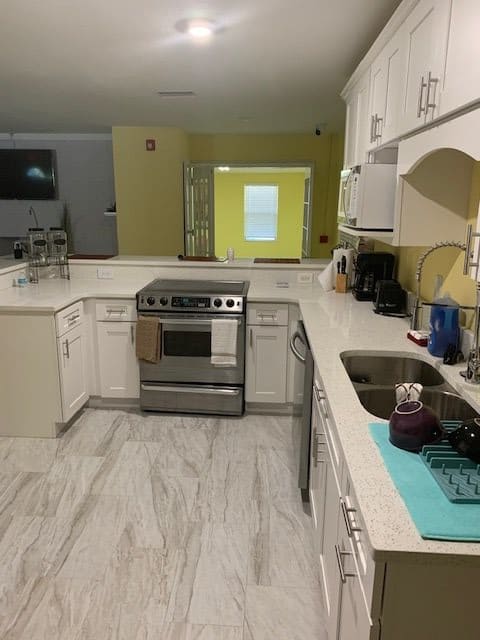
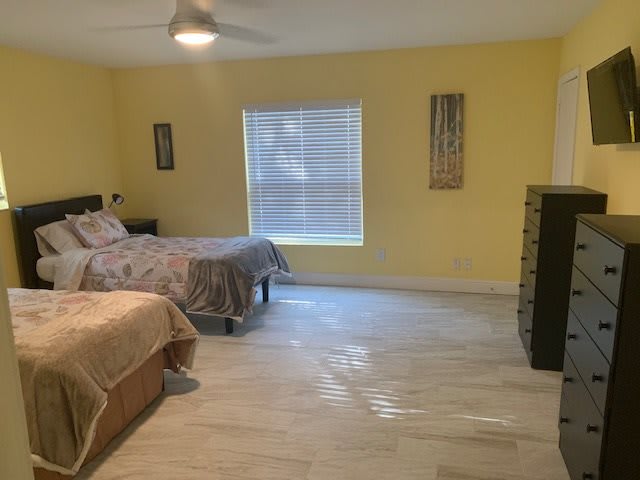
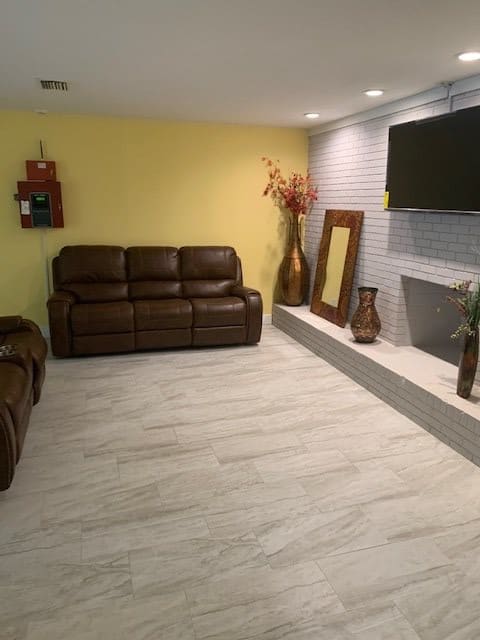
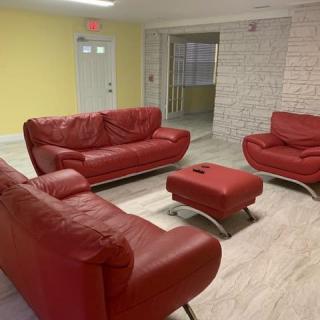
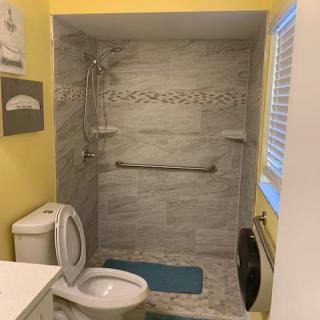
2601 Campus Hill Dr., Tampa, FL 33612
To contact a resident: (813) 503-2441
For more information about senior living options: (866) 208-4318
Mary's Assisted Living Facility House Costs & Pricing
Mary's Assisted Living Facility House offers competitive pricing for its residents, providing a range of options to suit varying needs. For private rooms, the facility charges $3,000 per month, which is notably lower than the average monthly cost in Hillsborough County at $3,384 and considerably less than the statewide average of $3,699. Similarly, for semi-private rooms, the cost is set at $3,500, which eclipses the county's average of $3,096 but remains affordable compared to Florida's overall average of $3,009. This pricing structure reflects Mary's commitment to delivering quality care while ensuring that residents have access to economical living arrangements in an increasingly expensive market.
| Floor plans | Mary's Assisted Living Facility House | Hillsborough County | Florida |
|---|---|---|---|
| Private | $3,000 | $3,384 | $3,699 |
| Semi-Private | $3,500 | $3,096 | $3,009 |
Assisted Living communities with a similar price nearby
-
from -$500 / mo
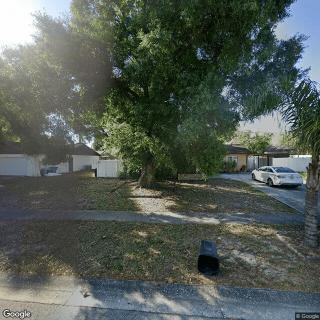
Garden Oasis Alf
$2,500 to $3,500 / month13.2 miles away -
from -$300 / mo
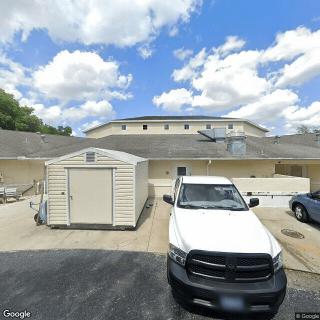
Alafia Village
$2,700 to $4,000 / month14.7 miles away -
from -$500 / mo

Mi Bello Hogar Living Facility
$2,500 / month6.4 miles away -
from +$95 / mo
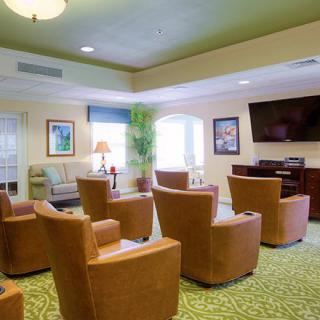
Homewood At Sun City Center
$3,095 to $6,500 / month24.2 miles away -
About the same
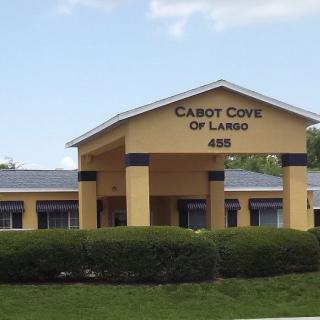
Cabot Cove of Largo
$3,000 to $7,000 / month21.8 miles away
Overall Review of Mary's Assisted Living Facility House
Pros
 The staff is very kind and caring.
- The house is neat and clean.
- Latonia and her entire team are nothing short of amazing.
- They take wonderful care of residents and answer every question the family has.
- The intimate feel of Annie's ALF with the home setting is perfect for loved ones during their final months.
- The Northeast Lake location offers peaceful views and sounds of nature.
- The environment is safe, supportive, and caring.
- Annie's has been wonderful and caring, with aides who are loving and professional.
- The facility is clean with lovely people and great care.
Review
Mary’s Assisted Living Facility House in Tampa is best suited for seniors who prize a warm, home‑like setting and highly personalized care. The community shines as a small, intimate option where staff attention is consistent and residents are treated with family‑style respect. Families seeking dependable kindness, transparent communication, and a daily routine that feels more like a well‑loved home than a clinical campus will find this model aligns with their expectations. In Tampa, the strongest matches occur when a resident thrives on close relationships with caregivers, familiar surroundings, and a living space designed to honor dignity and pace over formality.
Explicitly, those with higher medical needs or expectations for extensive on‑site rehabilitation and dementia‑specific programming may want alternatives. Large campuses and skilled‑nursing environments often deliver broader medical oversight and more comprehensive therapy tracks. If 24/7 clinical care, a wide calendar of structured activities, or specialty memory‑care services are non‑negotiable, Mary’s may fall short. For families whose priority is heartwarming, individualized attention in a compact, homelike setting, however, this option frequently exceeds what larger facilities can offer.
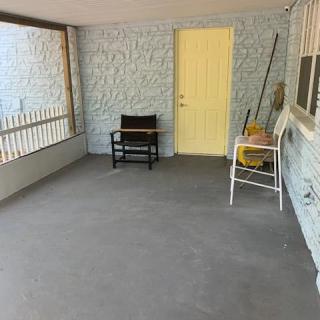
The key advantages center on staff devotion and the home‑like ambiance. Consistently noted are kind, attentive aides, a neat and clean house, and an atmosphere that feels far less institutional and far more familial. The outdoor space, peaceful pond views and easy access to nature, acts as a meaningful daily benefit that supports mood, social openness, and a sense of safety. A hands‑on, responsive leadership presence helps maintain open lines of communication with families and speeds problem resolution. Taken together, these strengths offset the constraints of a smaller operation by enabling truly individualized care and rapid course corrections when needs shift.
Operational realities of a tight‑knit team do carry trade‑offs, but they are precisely where the model earns its value. With a smaller resident census, the breadth of activities cannot rival the scale of larger ALFs, yet the trade is a deeper, more purposeful engagement with each person. That means more one‑on‑one time, care plans that stay aligned with evolving preferences, and a daily life that feels controllable and meaningful. Family members repeatedly report improvements in care quality and communication after leadership changes, signaling steady governance and a willingness to adapt. For those who prioritize consistency, trust, and a sense of belonging, the pros clearly outweigh the potential limitations.
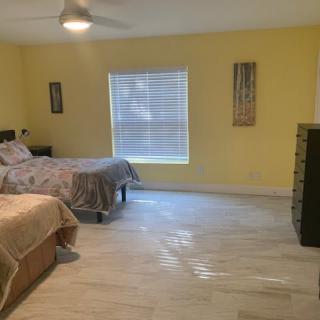
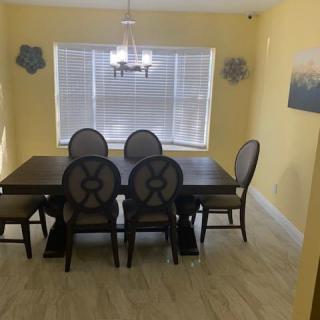
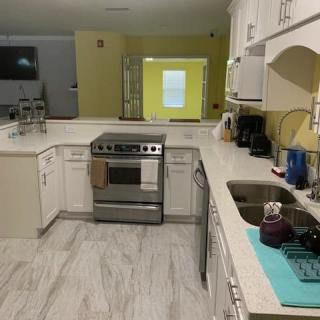
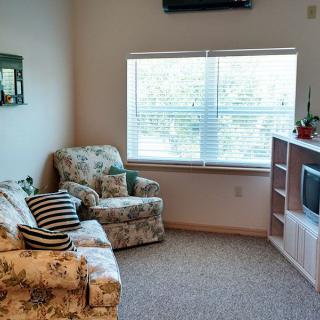
Residents experience a living environment that blends cleanliness, comfort, and personal touch. Expect a homelike interior, familiar routines, and staff who remember dietary preferences and daily rhythms. The emotional payoff is evident in stories of renewed smiles, daily companionship, and renewed interest in outdoor time, elements that matter deeply to seniors who value connection over ceremony. The narrative from multiple families points to a setting where dignity is preserved in ordinary moments and even in end‑of‑life moments, care feels intimate, respectful, and relentlessly compassionate.
Bottom line: for families prioritizing intimate, compassionate care in a Tampa setting, Mary’s Assisted Living Facility House represents a strong, credible contender. It excels where personal attention, transparent communication, and a comforting atmosphere trump sprawling programming. If the need calls for high medical complexity, broad rehab options, or dementia care on a large scale, it is wise to explore alternatives. The prudent path includes visiting the community, observing staff interactions, and reviewing a sample care plan to gauge fit. When the match lands, this home‑like environment delivers peace of mind and a dignified, uplifting daily life for a loved one who values heart and connection above all.
 6 resident community capacity
 Assisted Living
 Board and Care Home
 Activities off-site
 Air-conditioning
 Cable or satellite TV
 Devotional services off-site
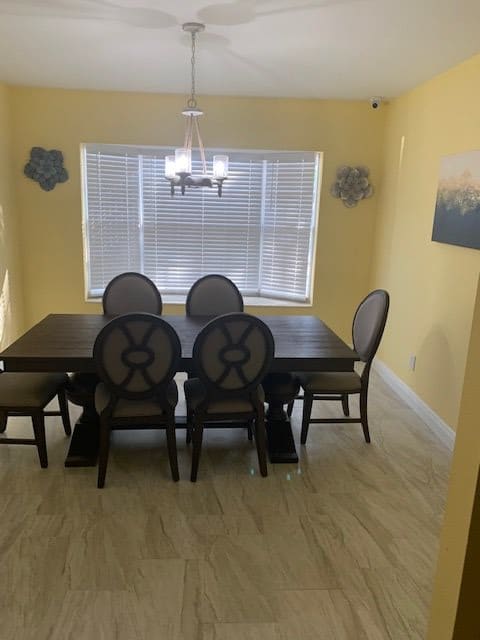
 Dining room
 Fully furnished
 Garden
 Housekeeping services
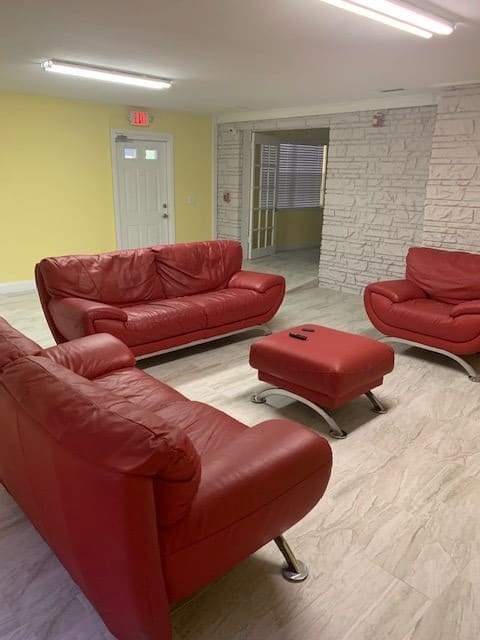
 Indoor common areas
 Move-in coordination
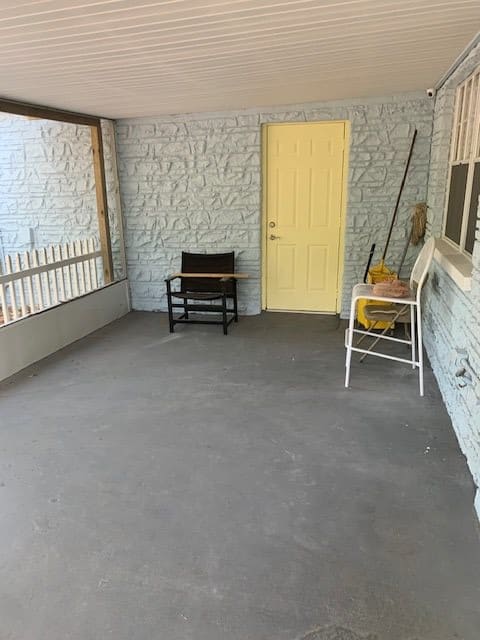
 Outdoor common areas
 Private
 Private bathrooms
 Respite or short term stays offered
 Telephone
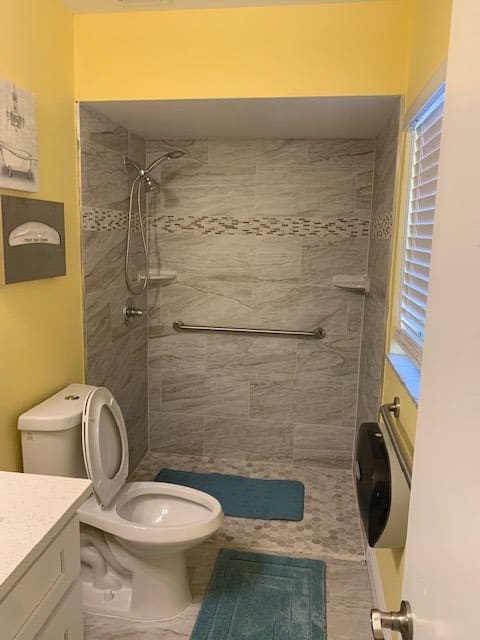
 Wheelchair accessible showers
 Wi-Fi/high-speed internet available
 Tampa International (9 miles away)
 24-hour supervision
 Ambulatory care
 Assistance with bathing
 Assistance with dressing
 Assistance with transfers
 Diabetes diet
 Diabetic care
 Incontinence care
 Meal preparation and service
 Medication management
 Special dietary restrictions
 Transportation arrangement (medical)
 Transportation to doctors appointments
 Art classes
 BBQs or picnics
 Birthday parties
 Cooking classes
 Live dance or theater performances
 Live musical performances
 Stretching classes
 Trivia games
 Wii bowling

 How and When Medicaid May Cover Assisted Living Costs
 A Detailed Exploration of Assisted Living Medicaid Waivers Across the United States
 Comprehensive Residential Support and Assisted Living Solutions for Individuals with Disabilities