Residents and families repeatedly describe the staff as kind, professional, and supportive.
Across the reviews, visitors describe staff members who are friendly, helpful, and easy to work with from the start. Several reviews mention staff being attentive to questions, responsive when care needs come up, and communicating in a way that feels reassuring to families. A few reviews also describe specific individuals as especially caring and patient, while one critical review points to problems with response and follow-through.
common
Clean, well kept facility
Many reviewers call out the facility’s cleanliness and upkeep.
Cleanliness is a frequent positive: reviewers describe the building as clean, neat, and well maintained, including comments about it smelling fresh. Multiple visitors also connect the clean environment with feeling comfortable during a difficult time. While most reviews emphasize cleanliness, a smaller number of comments express concerns such as skin irritation or spots that were not kept up, which suggests cleanliness experiences may vary by area or timing.
common
Rehab and therapy support
Several reviews highlight meaningful rehab and therapy progress.
Many reviewers discuss rehab—often PT and OT—and describe therapists and nursing teams working with residents to build mobility and independence. A number of reviews mention residents improving over the course of their stay and being engaged during therapy sessions. There are also reviews that frame care as inadequate during certain incidents, including falls or delayed attention, which is why outcomes appear more mixed for some families.
common
Dining is a frequent bright spot
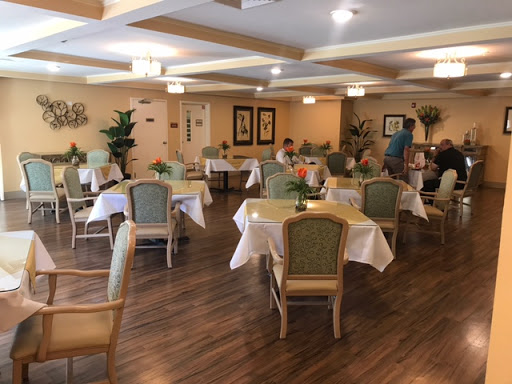
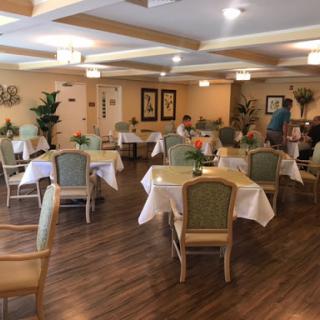
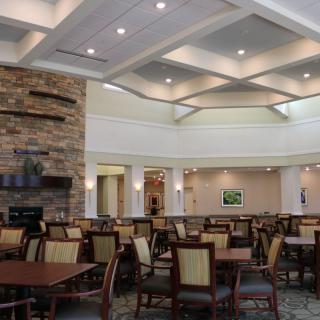
Dining comes up often, with multiple mentions of good meals and restaurant-style service.
Several reviews praise the food and describe it as good, enjoyable, and served in a more restaurant-like way. Some families also say residents like the meals and that dining staff are attentive to requests. A few other reviews describe dining problems such as meals not suiting preferences or concerns about what residents were given, so the experience is not uniformly positive.
caveat
Care response is not consistent
A recurring concern in critical reviews is delayed or insufficient care response.
While many reviews describe prompt, attentive care, several low-rated reviews report breakdowns—examples include delayed medication, difficulty getting help, or falls with limited follow-up. Other critical reviews describe situations involving infections or dehydration and dissatisfaction with how calls for assistance were handled. One review also contrasts care during different coverage arrangements, but overall the theme is that families sometimes feel they had to stay involved closely to get timely attention.
How we summarize
We summarize when many written reviews mention each theme; a review can touch several themes, and only frequently mentioned themes are displayed.
Features
Housing
120 resident community capacity
Types of Care
Skilled Nursing Facility
Amenities
Air-conditioning
Beauty salon
Cable or satellite TV
Computer center
Dining room
Fitness room
Fully furnished
Gaming room
Garden
Housekeeping services
Kitchenette
Move-in coordination
Outdoor space
Private bathrooms
Restaurant-style dining
Small library
Telephone
Wellness center
Wi-Fi/high-speed internet available
Transportation
Tampa International (10 miles away)
St. Petersburg-Clearwater International (20 miles away)
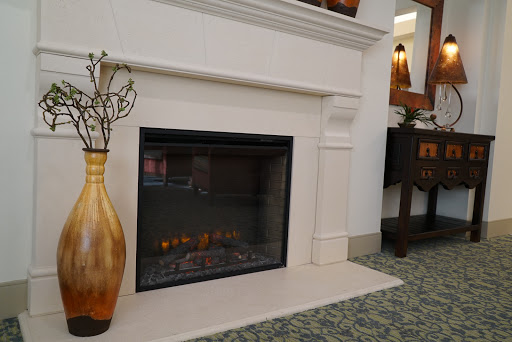
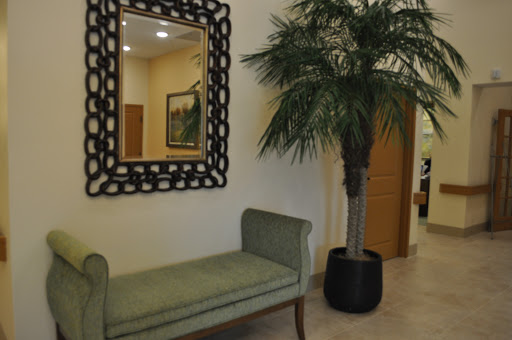
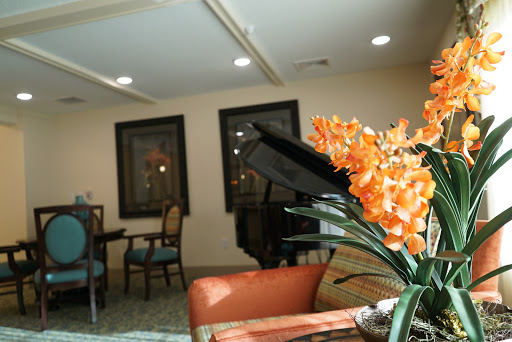
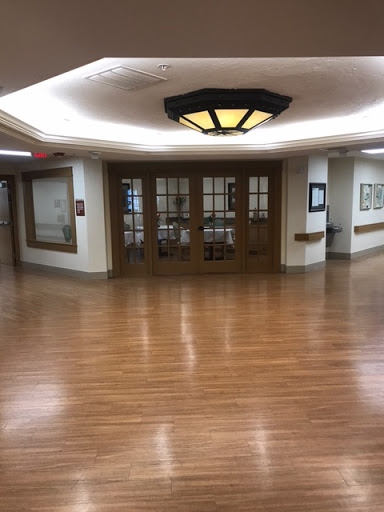
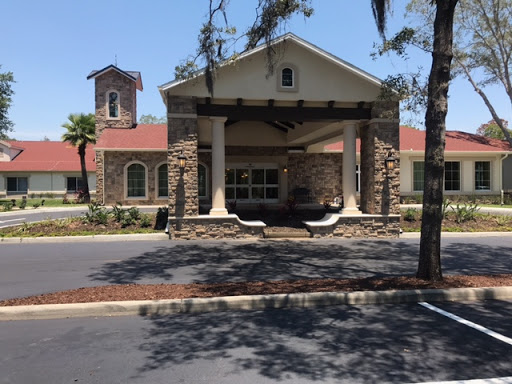
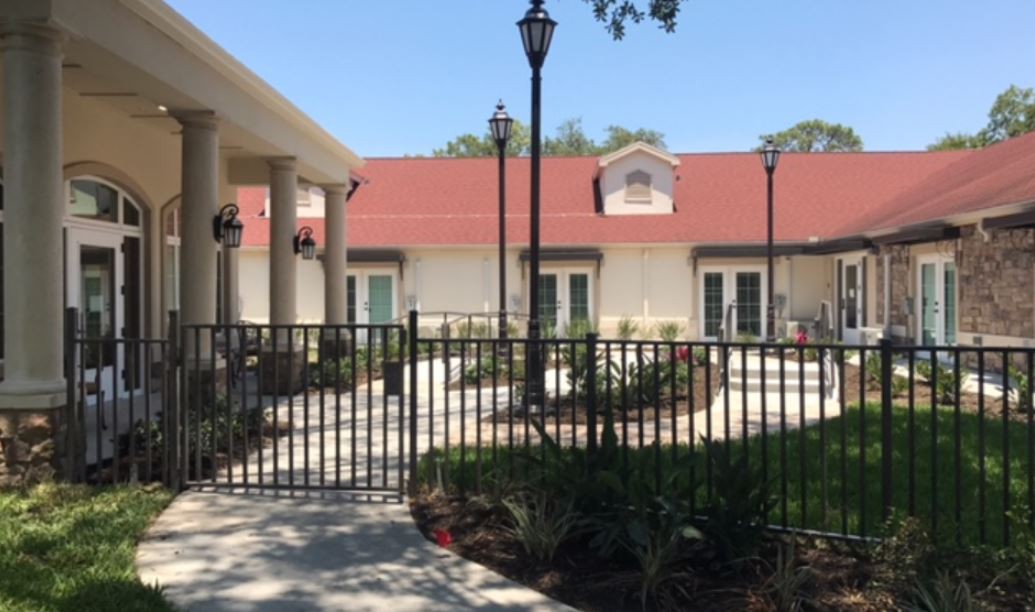
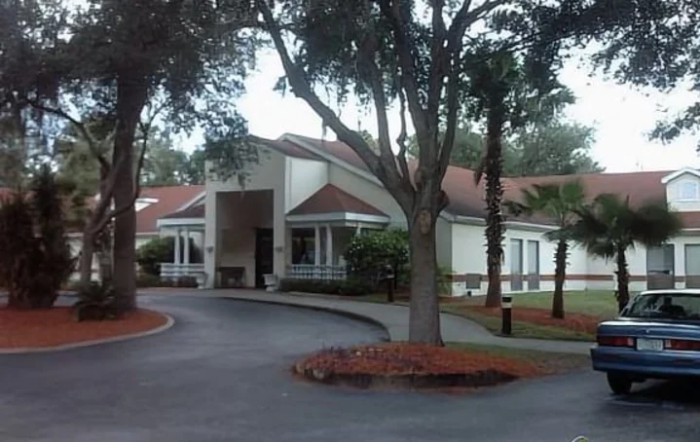
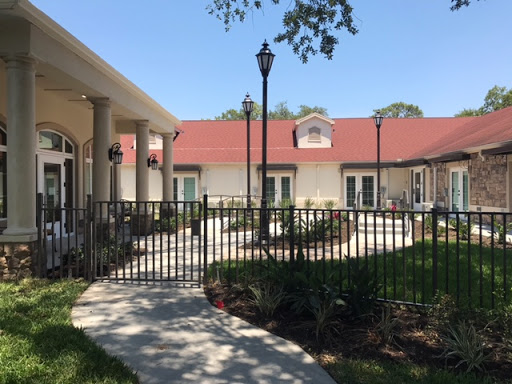
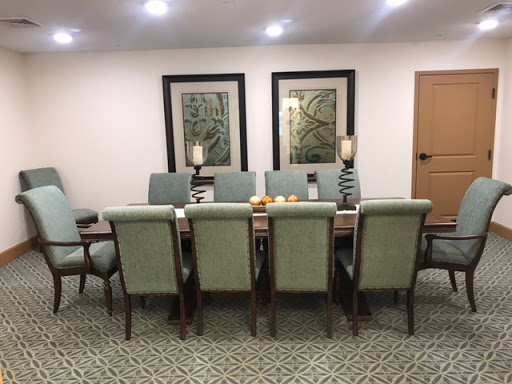
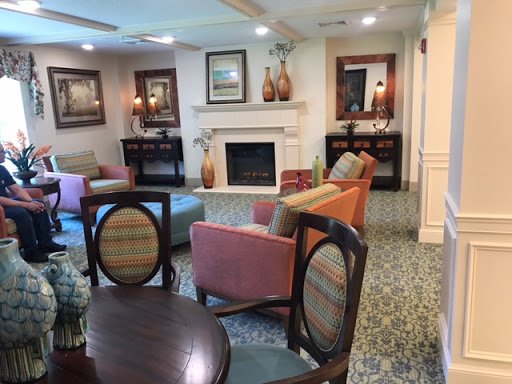
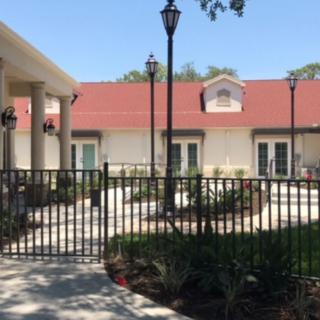
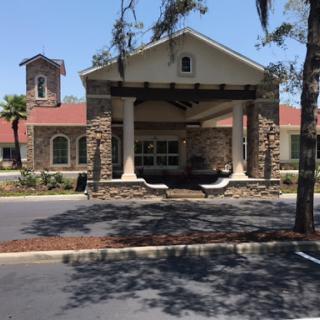
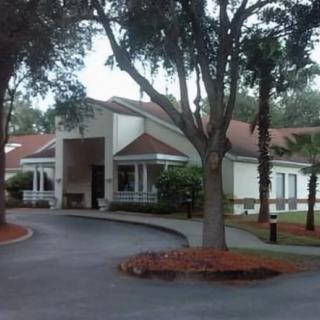
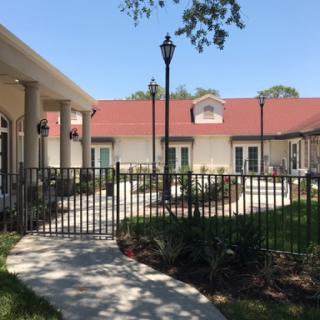
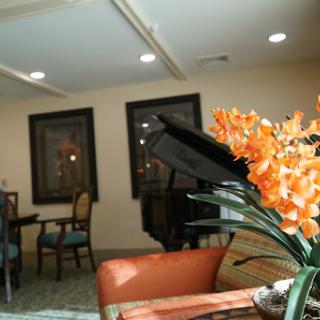
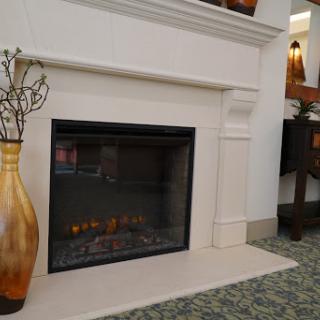
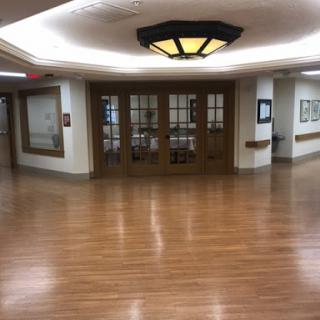
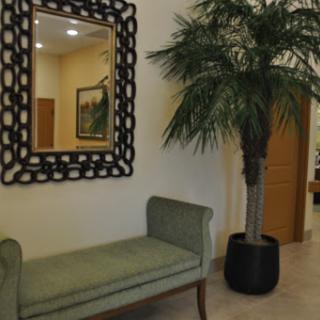
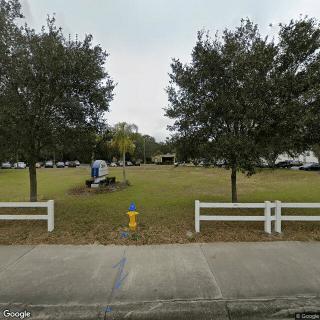
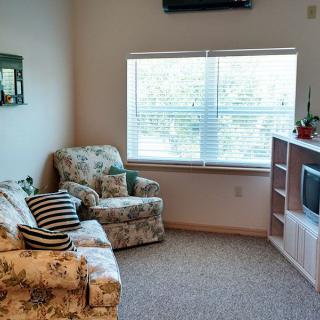
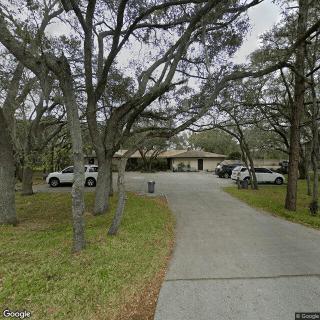
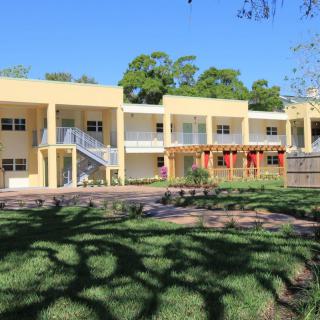
Palm Garden Of Tampa on seniors.fyi includes 11 photos including images showing interior, decor, building, dining, lighting, outdoor, fireplace, fence, and more.
Nearby Communities
Concordia Village at Tampa
Tampa, FL
3.3 from 106 reviews
$1,750 to $2,600 / month
24/7 nursing care with friendly, attentive staff and a well-run operation.
Concordia Village of Tampa
Tampa, FL
3.5 from 122 reviews
Vibrant activities and extensive amenities with friendly staff and strong therapy services.
Fairway Oaks Center
Tampa, FL
4.2 from 132 reviews
Caring staff in certain areas and a clean, welcoming environment.
Angels Senior Living At New Tampa
Tampa, FL
3.8 from 56 reviews
$3,145 / month
Compassionate staff and a well-maintained, activity-filled environment.
Shady Oaks Retirement Home
Tampa, FL
4 from 17 reviews
Welcoming assisted living with specialized diabetic care and off-site devotional activities.
Shady Oaks Living Center
Tampa, FL
3.5 from 11 reviews
Fully furnished apartments with 24/7 supervision, ADL support, medication management, and coordinated care, plus extensive amenities and daily activities.
Best Care Senior Living at Heritage Manor
Tampa, FL
3.3 from 31 reviews
$2,000 to $3,000 / month
Caring staff and pleasant dining experiences.
Renaissance North Tampa
Tampa, FL
4.4 from 190 reviews
$3,250 to $5,495 / month
Welcoming, clean facility with attentive staff and a variety of on-site activities.
Promise Pointe at Tampa Oaks
Temple Terrace, FL
4.2 from 83 reviews
$2,975 to $5,550 / month
Friendly, responsive staff and engaging activities.
Linda's caregiving journey for her elderly mother, Joan, is marked by deep love and challenges as she navigates health changes, emotional support, and practical arrangements while learning to prioritize self-care and utilize community resources. Their evolving relationship highlights resilience and the universal themes of empathy and preparedness in caregiver experiences.
The article clarifies common misconceptions about Powers of Attorney (POA), highlighting the necessity of the principal's consent, the limitations on an agent's authority, and the importance of mental capacity when signing. It also distinguishes between various types of POAs, addresses concerns about potential abuse, and emphasizes the need for legal consultation to ensure valid and up-to-date documents.
Senior move management provides specialized support for older adults relocating by assisting with logistics, emotional challenges, and downsizing decisions to ensure a smooth transition to new living environments. These services address the unique needs of seniors and have become increasingly important as baby boomers retire and seek to downsize.
Get PricingAsk A QuestionSchedule A TourContact Senior Advisor
By clicking submit, you agree to our Partner's Terms of Use. You
also consent to receive calls and texts, which may be autodialed, from our Partner. Your consent is not a condition to
using our Partner's service. Please visit our Partner's Privacy Policy for information about their privacy practices.


 120 resident community capacity
 Skilled Nursing Facility
 Air-conditioning
 Beauty salon
 Cable or satellite TV
 Computer center
 Dining room
 Fitness room
 Fully furnished
 Gaming room
 Garden
 Housekeeping services
 Kitchenette
 Move-in coordination
 Outdoor space
 Private bathrooms
 Restaurant-style dining
 Small library
 Telephone
 Wellness center
 Wi-Fi/high-speed internet available
 Tampa International (10 miles away)
 Community operated transportation
 12-16 hour nursing
 24-hour call system
 Activities of daily living assistance
 Assistance with bathing
 Assistance with dressing
 Assistance with transfers
 Diabetes diet
 Medication management
 Mental wellness program
 Special dietary restrictions
 Concierge services
 Planned day trips
 24/7 nursing care with friendly, attentive staff and a well-run operation.


 Nurturing Our Elders: Linda's Journey of Supporting Her Mother
 A Comprehensive Exploration of Common Misunderstandings about Powers of Attorney
 Senior Move Management: Understanding the Role, Value, and Associated Costs