
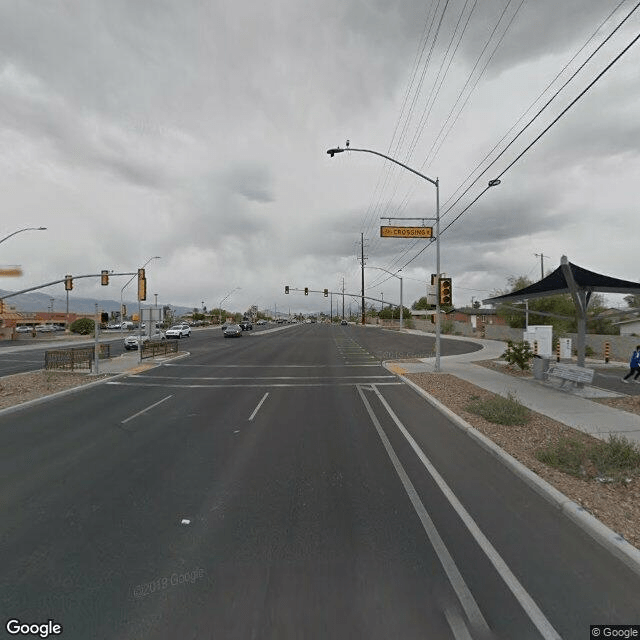
500 East Grant Road, Tucson, AZ 85701
To contact a resident: (520) 888-2010
For more information about senior living options: (866) 208-4318
Overall Review of Arcadia Health Care
Pros
 Barbara Castro is right.
Cons
 The facility hounded them and dumped them after they didn’t immediately provide the PCP’s name when it was demanded.
- The call was conducted in a rude and brisk manner.
- There was no empathy for the elderly.
- The reviewer, a retired home health nurse with 35+ years of practice, advises others to look elsewhere.
Review
Arcadia Health Care in Tucson is best suited for seniors whose families value dependable medical oversight and are comfortable evaluating a community by outcomes and care standards rather than by a warm, concierge-style intake. The facility shows enough positive lived experiences to indicate real value for residents who can navigate the enrollment process with their own networks intact. In practice, this means families should be prepared to verify care quality through independent sources and to manage onboarding themselves, rather than expecting a flawless, seamless welcome from the front desk.
Explicitly, those who demand consistently courteous, elder-centered outreach should consider alternatives. One former client describes the initial contact as aggressive and dismissive, hounding for a PCP name and then ending the conversation abruptly when expectations weren’t met. The impression left is of a team that prioritizes compliance and speed over empathy for the aging process. A veteran home-health nurse, with 35+ years of experience, echoes the warning to look elsewhere for a smoother transition and more supportive intake experience. For families trying to minimize stress during a transition, that pattern is a meaningful red flag.
Where Arcadia earns credibility lies in the care capability implied by reviews that rated the facility highly. Two families offered five-star endorsements, signaling that once engaged, residents and families can experience attentive staff, effective routines, and solid clinical execution. Those gains, however, appear to be unevenly distributed and contingent on how the enrollment conversation unfolds. The best-case picture shows a facility that delivers reliable care, but the worst-case picture shows a rocky start that can erode trust before any care plan is even tested. In practice, the positives only partially offset the risk of a brittle intake dynamic.
The central trade-off is clear: strong clinical potential versus inconsistent, sometimes brusque initial communications. The pros, whatever they are in the individual cases, must be weighed against the reality that the first impression can be off-putting and the patient experience may begin with pressure rather than partnership. For families with urgent care needs and existing medical directors who can buffer the transition, Arcadia could be a fit. For those who value a soothing, collaborative onboarding, the risk of a sour start may tip the scales toward alternatives that prioritize empathy from first contact.
Decision guidance is essential. Approach this option with a structured evaluation: schedule tours and observe how staff greet new families, how intake questions are framed, and how the facility handles PCP coordination. Seek recent references from admissions and talk to multiple current residents or families about onboarding and ongoing communication. Clarify how care plans are developed, who oversees transitions between providers, and what accountability exists for call-backs and follow-through. If timelines are tight, insist on a clear, written onboarding plan with milestones and a dedicated point person; the absence of that plan should prompt serious reconsideration.
Bottom line: Arcadia Health Care can deliver solid care when the onboarding environment aligns with family needs for clear process and dependable clinical support. For families that tolerate a brisk, no-nonsense entrance and can verify care quality through independent checks, Arcadia may be a reasonable choice. Those who require consistently empathetic, elder-centered onboarding and a welcoming first impression should actively compare other Tucson options and prioritize communities known for compassionate, patient-first communication from the outset.
 Tucson International (9 miles away)
 Caring for Those Who Care: Recognizing, Understanding, and Overcoming Caregiver Burnout
 Caregiver Exhaustion: Recognizing the Signs and Restoring Your Well-Being
 Understanding Hospice Care at Home: Comprehensive Services, Key Benefits, and Eligibility