For more information about senior living options: (866) 208-4318
3.9 from 120 reviews
5 stars
78
4 stars
11
3 stars
1
2 stars
3
1 stars
27
Overall Review of Park Avenue Health And Rehabilitation
common18 reviews mention this
Staffing and responsiveness vary
Residents describe both very helpful care and delays when staff are needed.
Many residents and families say the staff are attentive, kind, and go above and beyond, including nurses, CNAs, and therapists who respond to questions and care needs. Several other reviews describe problems with responsiveness, including long waits for assistance, limited communication, and concerns about neglect or being short-staffed. A few residents also mention call-light or medication response issues, which adds frustration for families trying to stay on top of care. Overall, the reviews suggest the experience can depend heavily on day-to-day coverage and follow-through.
differentiator14 reviews mention this
Rehabilitation therapy is a highlight
Physical and occupational therapy stand out in resident experiences.
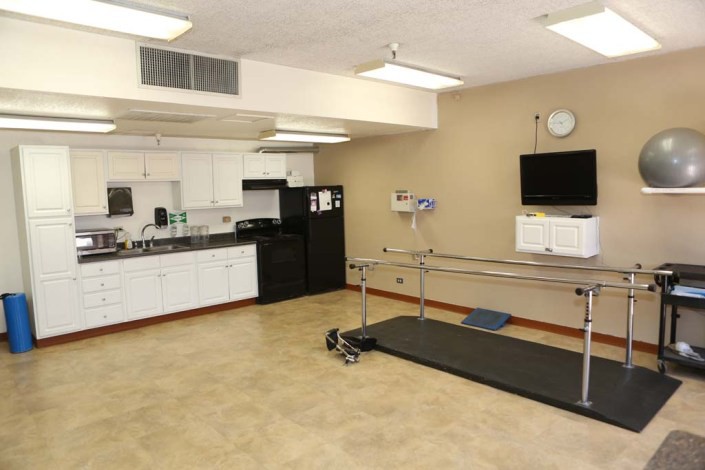
Therapy is frequently described as a key part of the stay, with residents noting physical therapy and occupational therapy that helped them regain mobility and make progress. Some reviews specifically mention daily therapy and a team that motivates patients during sessions. Others also describe improvements in being ready for discharge, supported by PT/OT planning. There are also a small number of negative comments where families felt therapy care fell short, but the overall tone about rehabilitation is strongly positive.
caveat9 reviews mention this
Food quality and diet support differ
Food receives mixed feedback, with concerns about diet accuracy.
Several residents praise the meals, describing delicious food and good options that help them eat, including the ability to request alternatives. Others report disappointment, including meals they would not eat and issues like food arriving cold, alongside complaints about the dining experience. A few reviews raise concerns tied to dietary needs, including lactose intolerance and diabetic/cardiac-related feeding decisions. Because dining feedback ranges from “delicious” to “horrible,” residents and families may want to confirm dietary plans during the stay.
caveat12 reviews mention this
Communication can be inconsistent
Communication with families and between staff is a recurring concern.
Some reviews describe clear updates and good follow-up, including frequent communication about changes in care. However, multiple other reviews say they experienced little communication, delayed responses, or difficulty getting information until discharge planning. There are also mentions of prescriptions being handled in ways residents and families questioned, plus confusion about getting approvals or answers in a timely manner. Taken together, the reviews suggest families may need to stay closely involved and ask frequent questions.
common10 reviews mention this
Facility cleanliness is often praised
Residents frequently mention that the building feels clean.
A number of reviews describe the facility as clean and well-kept, sometimes calling out the cleanliness of rooms and shared spaces. Others mention an older building or condition concerns, and a few very negative reviews complain about cleanliness and odors. Even within the positive reviews, cleanliness is mentioned alongside respectful care, reinforcing it as part of the overall day-to-day experience. Because cleanliness feedback isn’t unanimous, it’s worth asking what residents’ rooms look like and how often areas are refreshed.
How we summarize
Counts show how many written reviews mention each theme; a review can touch several themes, and only frequently mentioned themes are displayed.
Features
Housing
200 resident community capacity
Types of Care
Skilled Nursing Facility
Amenities
Air-conditioning
Beauty salon
Cable or satellite TV
Computer center
Dining room
Fitness room
Fully furnished
Gaming room
Garden
Housekeeping services
Kitchenette
Move-in coordination
Outdoor space
Private bathrooms
Restaurant-style dining
Small library
Telephone
Wellness center
Wi-Fi/high-speed internet available
Transportation
Tucson International (9 miles away)
Community operated transportation
Transportation arrangement
Transportation arrangement (non-medical)
Care Services
12-16 hour nursing
24-hour call system
24-hour supervision
Activities of daily living assistance
Assistance with bathing
Assistance with dressing
Assistance with transfers
Coordination with health care providers
Diabetes diet
Meal preparation and service
Medication management
Mental wellness program
Special dietary restrictions
Transportation arrangement (medical)
Transportation to doctors appointments
Dining
Diabetes diet
Special dietary restrictions
Activities
Community-sponsored activities
Concierge services
Fitness programs
Planned day trips
Resident-run activities
Scheduled daily activities
Nearby Places of Interest
Restaurants
McDonald's (0.4 miles)
Wok Fire & Grill (0.6 miles)
McDonald's (0.9 miles)
Gentle Bens (1 miles)
Scented Leaf Tea House and Lounge (1 miles)
Dirtbag's (1 miles)
Illegal Pete's (1 miles)
Hospitals
UMC Radiologic (0.7 miles)
UMC Emergency Room (0.7 miles)
The University of Arizona Medical Center - Medicine Clinic Physician Offices (0.8 miles)
Arizona Cancer Center (1.1 miles)
Tucson Natural (2.3 miles)
St Mary's Hospital (2.8 miles)
Places of Worship
Islamic Center Tucson (0.8 miles)
Our Saviour's Lutheran Church (1 miles)
Benedictine Sanctuary (2 miles)
St Augustine Cathedral (2 miles)
Cafes
Cartel Coffee Lab (0.9 miles)
Starbucks (0.9 miles)
Starbucks (1 miles)
Starbucks (1.1 miles)
Starbucks (1.2 miles)
Cartel Coffee Lab (1.8 miles)
Coffee Times Drive-Thru (2.3 miles)
Pharmacies
CVS Pharmacy (1 miles)
Genoa-QOL Healthcare Co. (1.1 miles)
Albertsons Pharmacy (1.2 miles)
The Downtown Dispensary (1.4 miles)
Walgreens (1.5 miles)
Harvest Hoc (1.5 miles)
Safeway Pharmacy (2 miles)
Physicians
Cornerstone Health and Family Practice (1.2 miles)
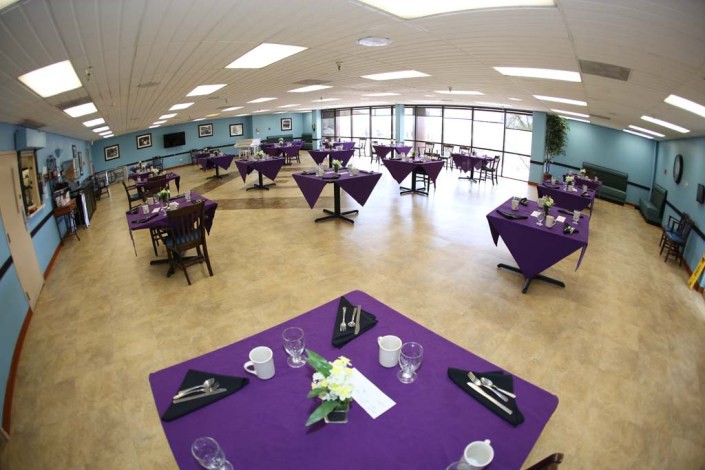
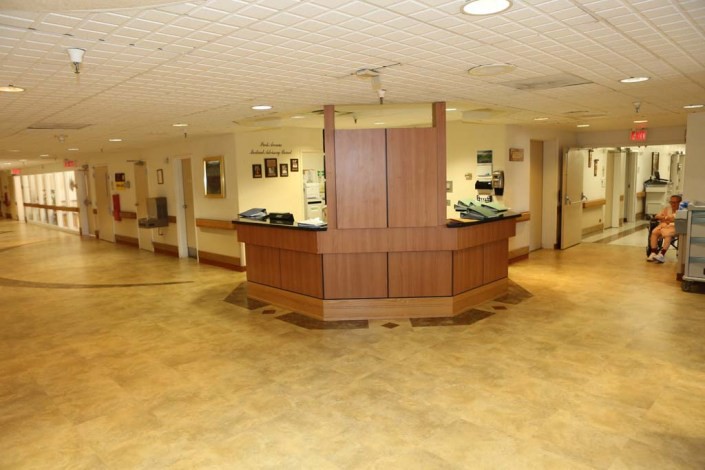
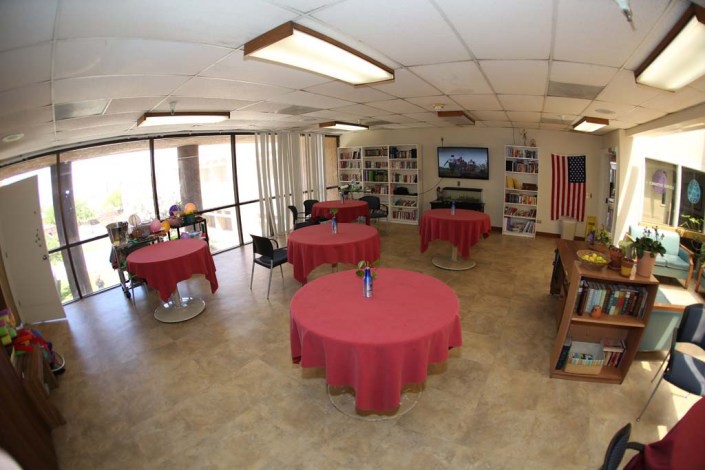
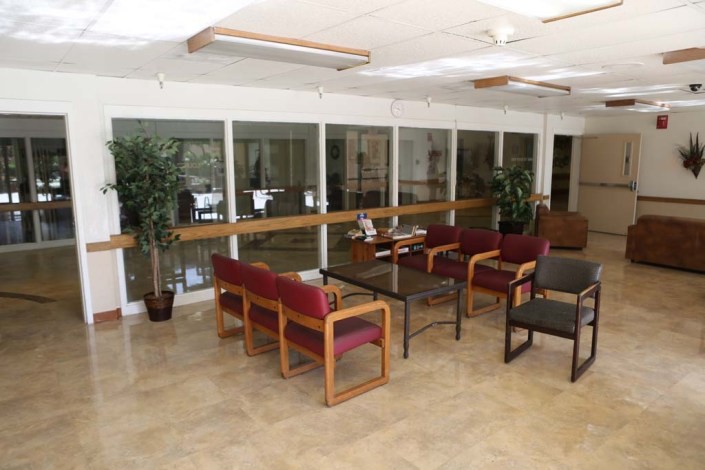
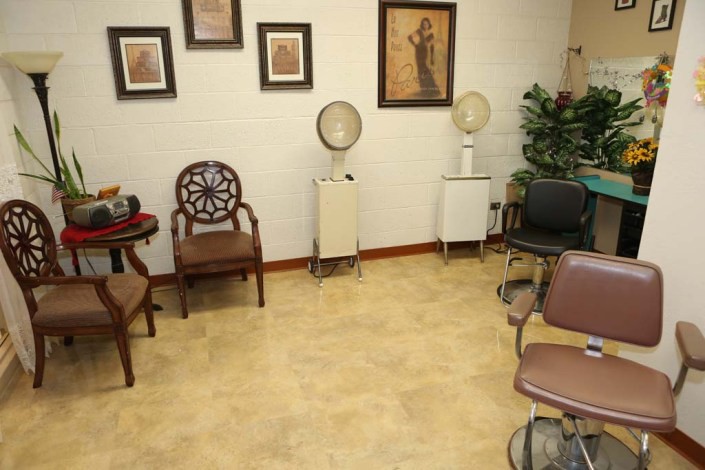
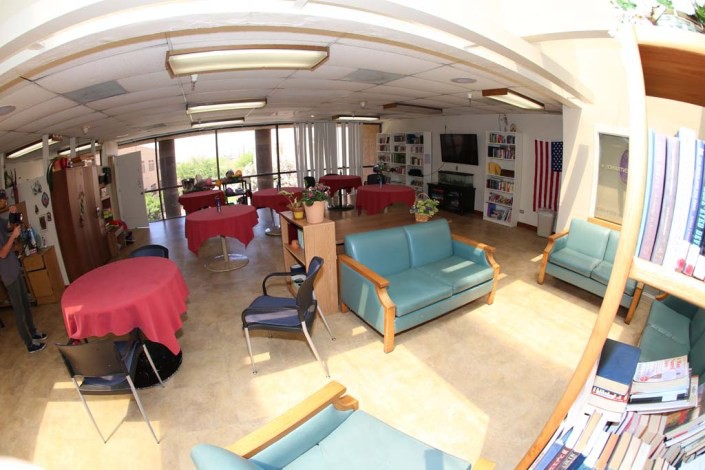
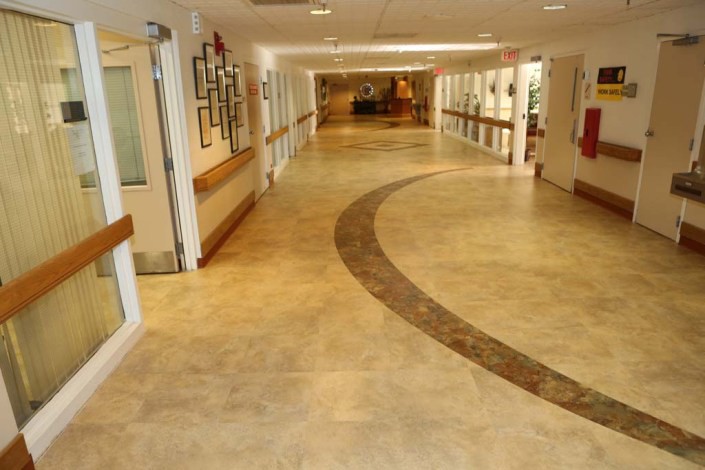
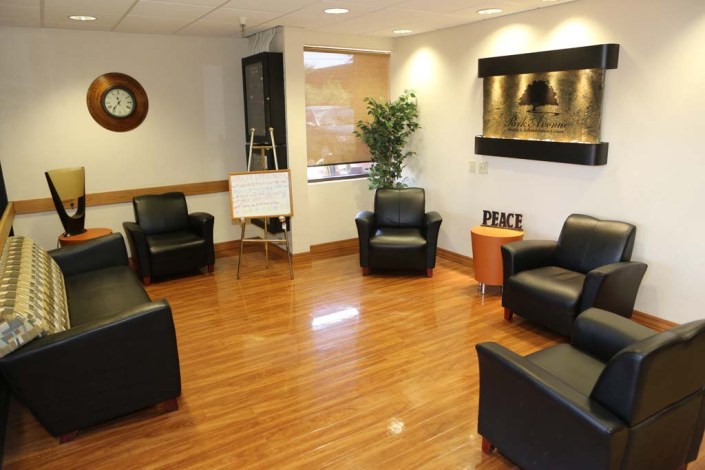
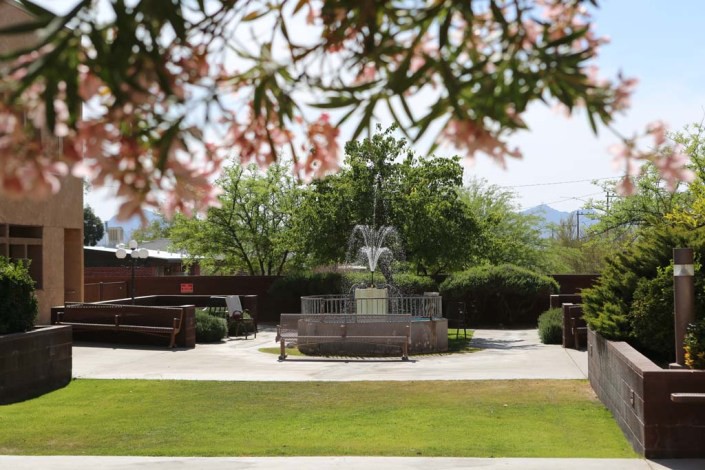
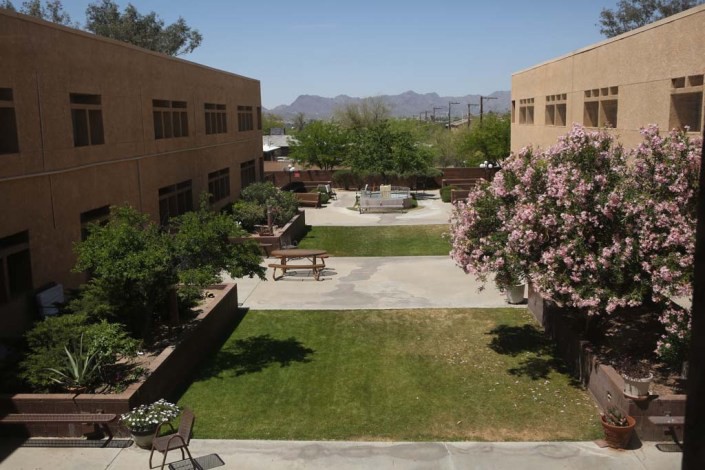
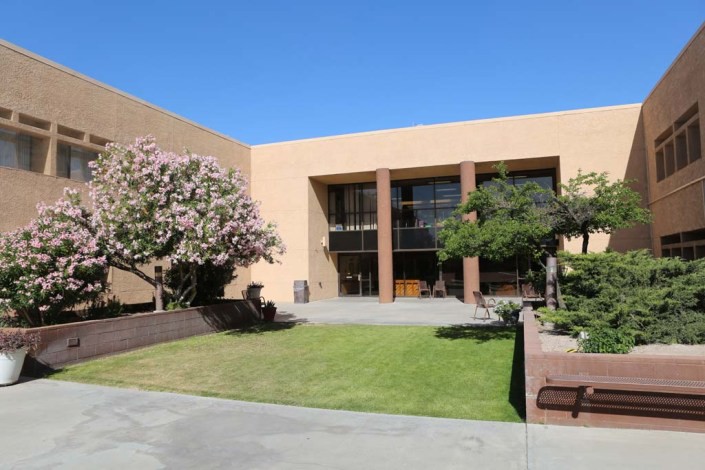
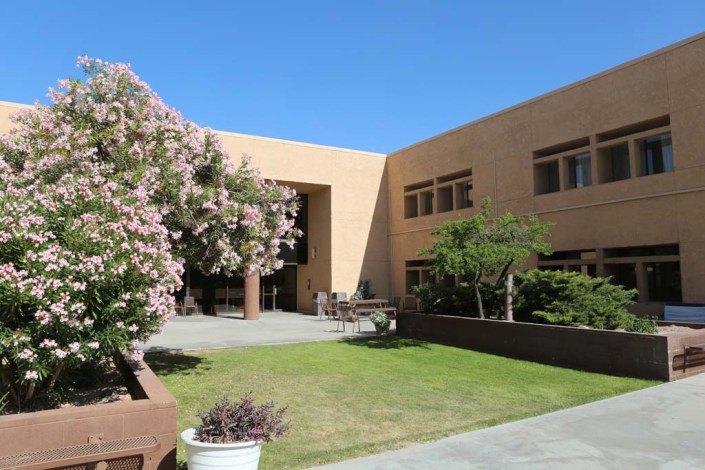
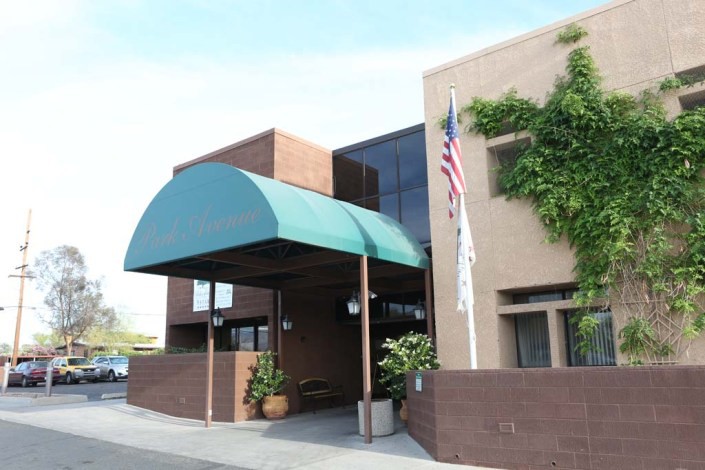
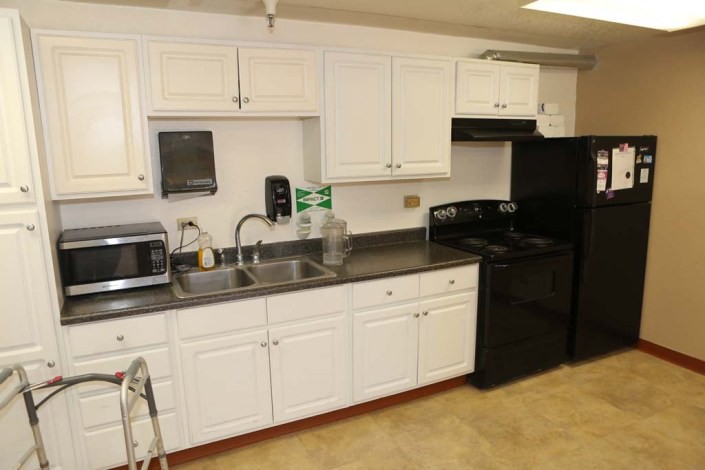
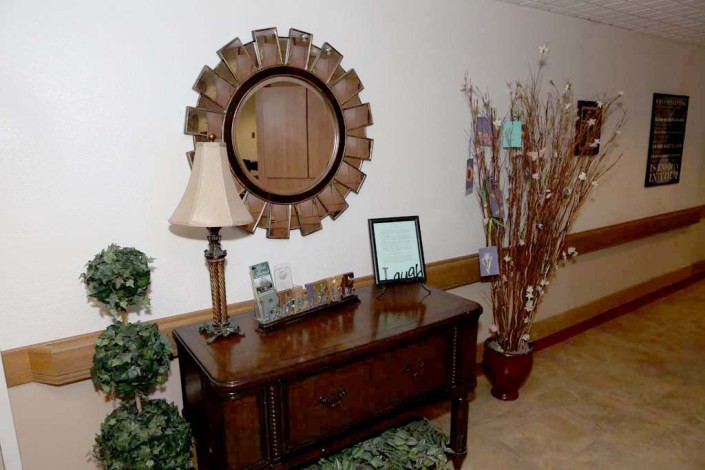
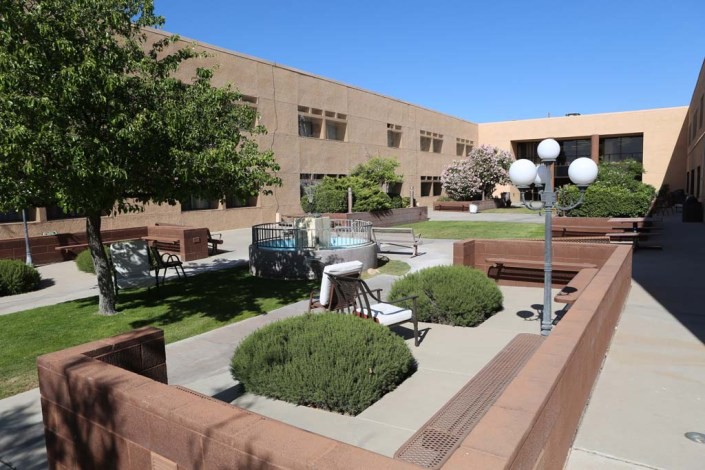
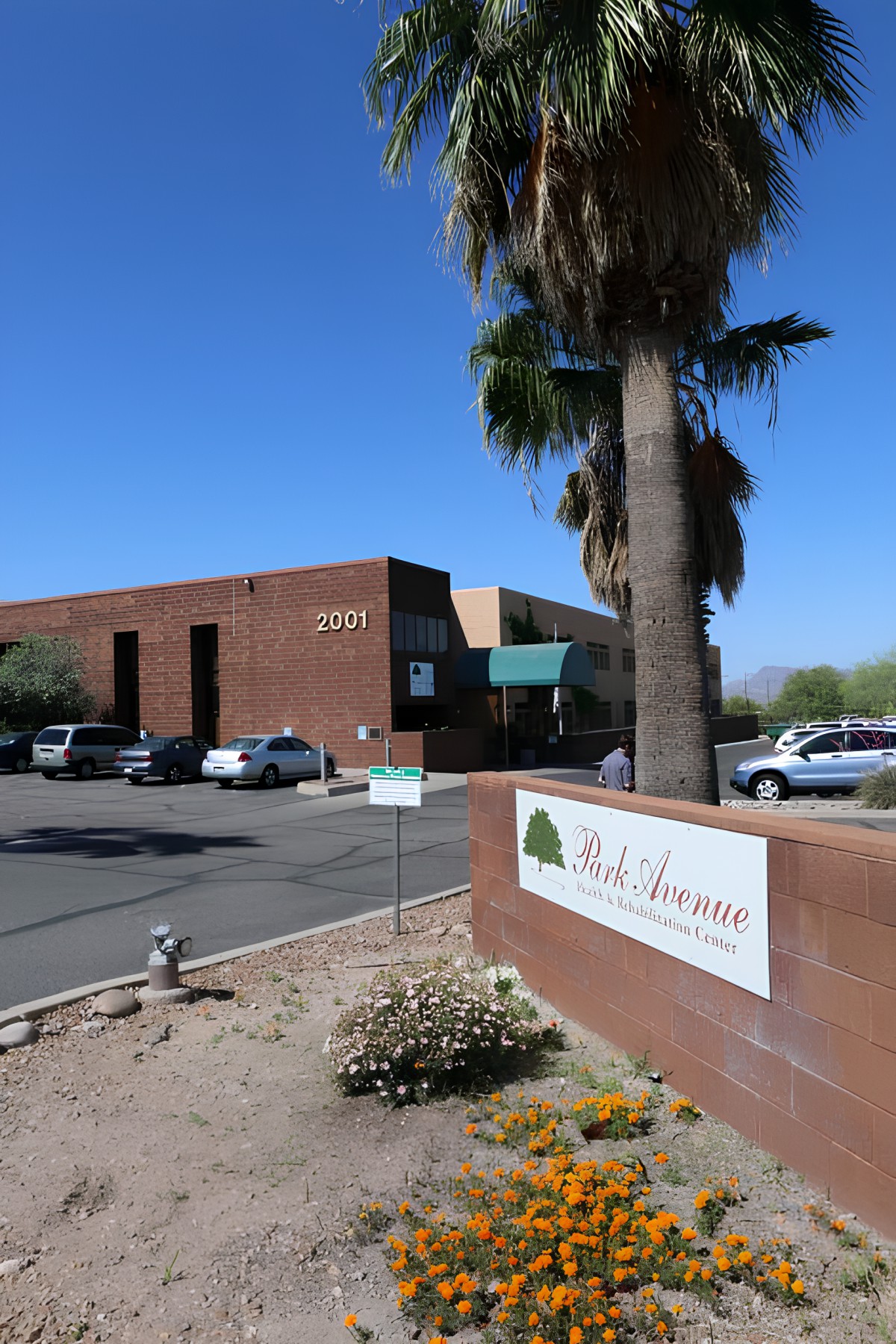
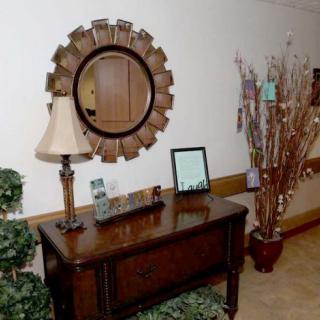
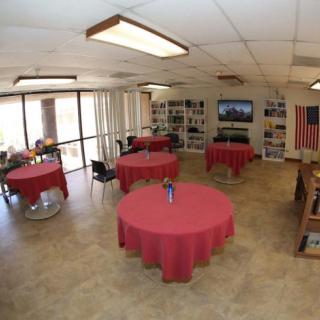
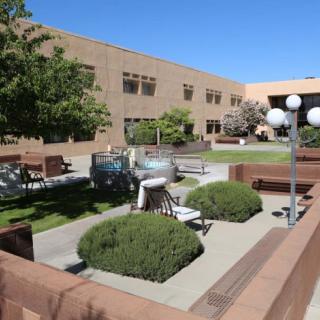
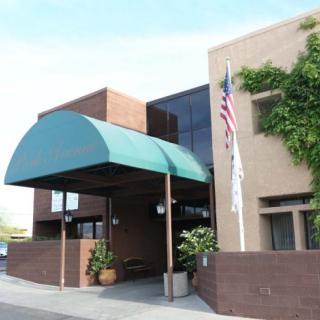
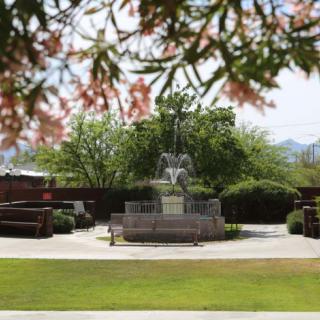
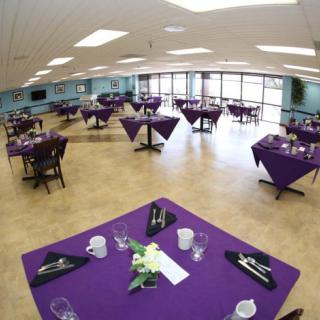
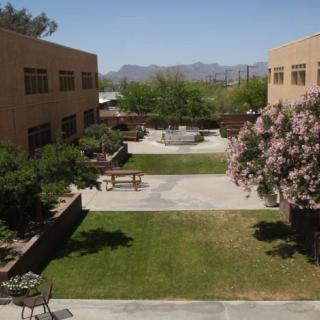
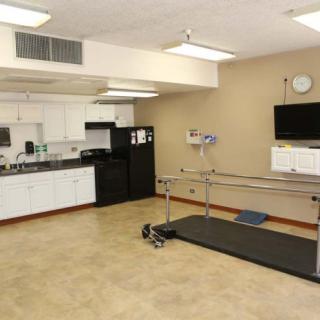
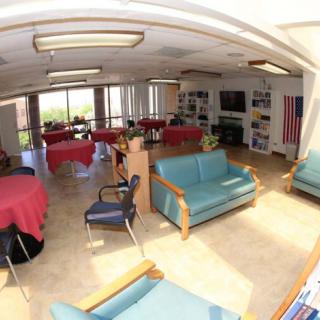
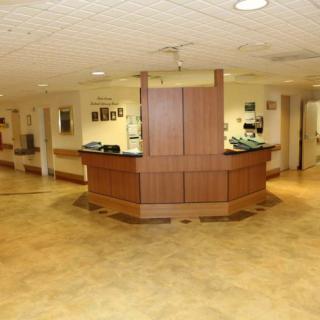
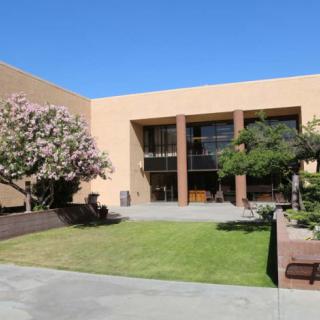
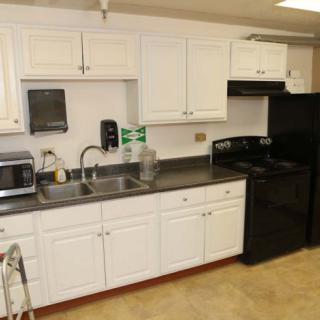
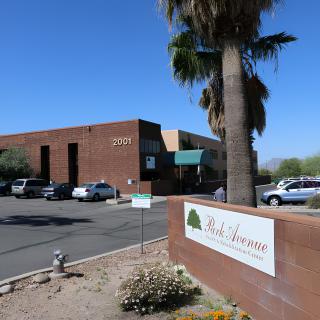
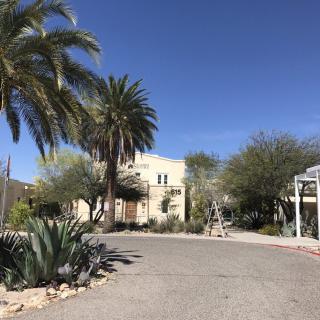
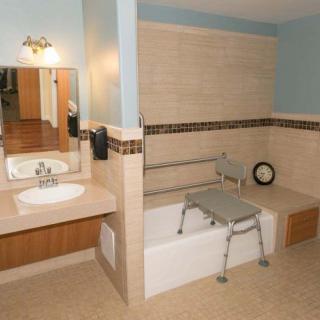
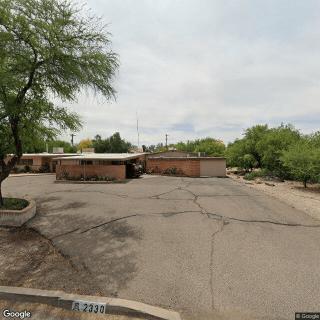
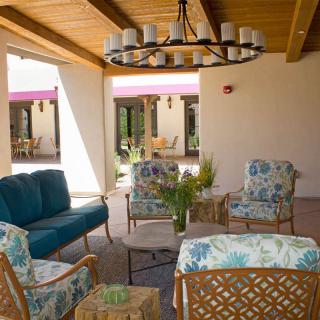
Park Avenue Health And Rehabilitation on seniors.fyi includes 21 photos including images showing interior, landscaping, building, courtyard, trees, decor, architecture, flag, and more.
Nearby Communities
Park Avenue Health & Rehab Center
Tucson, AZ
3.9 from 101 reviews
$4,020 to $4,770 / month
Private rooms and strong rehab-focused care in a well-located Tucson setting.
Horst Home
Tucson, AZ
3.8 from 141 reviews
Excellent access to healthcare, dining, and parks.
St. Luke's Home
Tucson, AZ
4.8 from 20 reviews
Compassionate, personalized care in a small, well-maintained community with engaging activities.
Arcadia Health Care
Tucson, AZ
3 from 4 reviews
Strong proximity to numerous amenities and medical services.
Catalina Post Acute And Rehabiliation
Tucson, AZ
3.2 from 138 reviews
Extensive amenities and activity options.
Waverly House
Tucson, AZ
$2,300 / month
Affordable private room at $2,300/month with strong nearby amenities
The Hacienda at the River
Tucson, AZ
4.2 from 110 reviews
$4,495 to $6,595 / month
Clean, bright facility with pleasant decor, engaging activities (notably the equine program) and attentive staff.
Swan Lake Estates
Tucson, AZ
4.2 from 105 reviews
Serene setting with extensive nearby amenities (cafes, parks, pharmacies, healthcare, dining, and entertainment).
The Forum at Tucson
Tucson, AZ
4.1 from 205 reviews
$2,510 to $4,215 / month
Friendly, caring staff and high-quality dining with spacious, comfortable accommodations.
Medicare provides limited coverage for skilled nursing home care, covering full benefits for the first 20 days and partial benefits up to 100 days under certain conditions, after which families must explore alternative funding options like Medicaid or long-term care insurance to manage potentially high costs. Proactive planning is essential to navigate the complexities of financing ongoing care once Medicare coverage ends.
Geriatric care managers create personalized care plans for older adults, addressing their medical, social, financial, and psychological needs while coordinating services and advocating for their well-being. They help families navigate caregiving challenges but may be hindered by high costs and a shortage of qualified professionals.
The article highlights the importance of empathy and open communication when comforting someone who is grieving, noting that grief is unique to each individual and emphasizing the need for sincere expressions of condolence, active listening, and ongoing support. It also addresses cultural differences in mourning practices and encourages tailored approaches to provide effective comfort.
Get PricingAsk A QuestionSchedule A TourContact Senior Advisor
By clicking submit, you agree to our Partner's Terms of Use. You
also consent to receive calls and texts, which may be autodialed, from our Partner. Your consent is not a condition to
using our Partner's service. Please visit our Partner's Privacy Policy for information about their privacy practices.



 200 resident community capacity
 Skilled Nursing Facility
 Air-conditioning
 Beauty salon
 Cable or satellite TV
 Computer center
 Dining room
 Fitness room
 Fully furnished
 Gaming room
 Garden
 Housekeeping services
 Kitchenette
 Move-in coordination
 Outdoor space
 Private bathrooms
 Restaurant-style dining
 Small library
 Telephone
 Wellness center
 Wi-Fi/high-speed internet available
 Tucson International (9 miles away)
 Community operated transportation
 12-16 hour nursing
 24-hour call system
 Activities of daily living assistance
 Assistance with bathing
 Assistance with dressing
 Assistance with transfers
 Diabetes diet
 Medication management
 Mental wellness program
 Special dietary restrictions
 Transportation arrangement (medical)
 Concierge services
 Planned day trips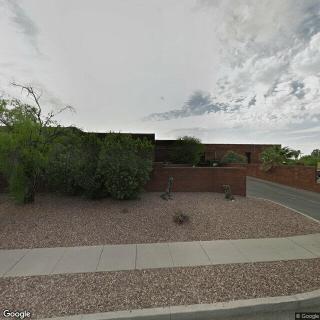
 Private rooms and strong rehab-focused care in a well-located Tucson setting.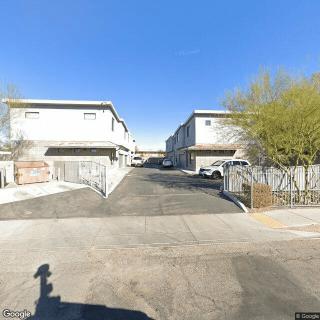

 Managing Nursing Home Expenses After Medicare Coverage Ends
 Is a Geriatric Care Manager the Right Choice for Your Family?
 Compassionate Conversations: How to Comfort Someone Who Is Grieving