For more information about senior living options: (866) 208-4318
3.2 from 138 reviews
5 stars
68
4 stars
4
3 stars
6
2 stars
4
1 stars
56
Overall Review of Catalina Post Acute And Rehabiliation
caveat
Call lights and phones delayed
Residents and families report long waits for help after using call buttons or trying to reach staff by phone.
Multiple reviewers describe delayed responses after pressing call lights, sometimes waiting an hour or more for basic assistance like using the restroom, cleaning up, or getting medications. Several also say phones were hard to reach, with calls unanswered or needing repeated attempts before anyone connected. A few accounts tie these delays to serious downstream issues, including residents left uncomfortable or waiting while concerns escalated. The pattern appears most often in stories about getting timely help rather than the overall friendliness of individual caregivers.
caveat
Cleanliness and strong odors
Several residents and families describe unpleasant smells and unclean conditions in rooms and shared areas.
A recurring theme in the reviews is cleanliness, with multiple people mentioning strong odors like urine or feces and rooms that felt dirty or cramped. Reviewers also describe issues such as residents left in soiled items for extended periods and bedding that did not look freshly changed. Some accounts specifically call out the facility’s appearance (including wall damage or unfinished areas) as part of what made the experience worse. While a smaller set of reviews says the building felt clean or well kept, the negative cleanliness reports are frequent and detailed.
caveat
Staffing feels insufficient
Some reviewers say the facility lacks enough support on the floor to meet residents’ needs promptly.
Several reviews mention being understaffed, too busy, or having too few CNAs on hand, which they say leads to slower care and missed expectations. A number of reviewers link staffing pressure to call button delays, longer waits for assistance, and inconsistent follow-through on basic needs. Even when reviewers say some individuals were kind and hardworking, they still describe systemic gaps that affected daily care. This theme aligns with comments about residents being left waiting for help and the difficulty getting timely updates.
common
Rehab therapy is inconsistent
Reviewers’ experiences with therapy vary, with some describing limited or inconsistent rehabilitation time.
Some reviewers report therapy that felt limited, such as physical therapy time described as only part of each day, or not happening consistently as promised. Others describe better outcomes, including progress with walking and encouragement from therapists and aides. Several accounts focus on communication gaps around what therapy is being provided and when, even when the care team was described as responsive at times. Overall, the reviews suggest therapy quality can depend heavily on consistency and execution during a stay.
common
Food quality is mixed
Reviews describe dining as mixed, ranging from enjoyable meals to reports of cold or unappetizing food.
Some reviewers praise food, describing it as good or even surprising in quality, while others say meals were disgusting, cold, or served in unappealing portions. Several negative reviews mention specific problems like skipping meals, receiving the wrong type of food for dietary needs, or taking a long time before a tray arrived. A few reviewers also connect dining issues with overall dissatisfaction about day-to-day care. On the positive side, at least some accounts mention people were clean and comfortable and that the dining experience contributed to a better stay.
How we summarize
We summarize when many written reviews mention each theme; a review can touch several themes, and only frequently mentioned themes are displayed.
Features
Housing
102 resident community capacity
Types of Care
Skilled Nursing Facility
Amenities
Air-conditioning
Beauty salon
Cable or satellite TV
Computer center
Dining room
Fitness room
Fully furnished
Gaming room
Garden
Housekeeping services
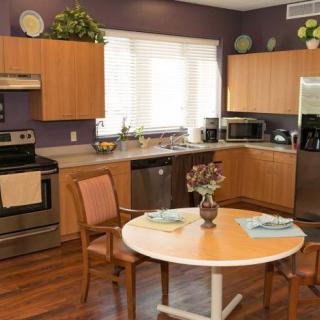
Kitchenette
Move-in coordination
Outdoor space
Private bathrooms
Restaurant-style dining
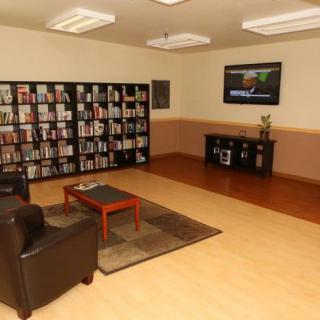
Small library
Telephone
Wellness center
Wi-Fi/high-speed internet available
Transportation
Tucson International (10 miles away)
Community operated transportation
Transportation arrangement
Transportation arrangement (non-medical)
Care Services
12-16 hour nursing
24-hour call system
24-hour supervision
Activities of daily living assistance
Assistance with bathing
Assistance with dressing
Assistance with transfers
Coordination with health care providers
Diabetes diet
Meal preparation and service
Medication management
Mental wellness program
Special dietary restrictions
Transportation arrangement (medical)
Transportation to doctors appointments
Dining
Diabetes diet
Special dietary restrictions
Activities
Community-sponsored activities
Concierge services
Fitness programs
Planned day trips
Resident-run activities
Scheduled daily activities
Nearby Places of Interest
Cafes
Cartel Coffee Lab (0.2 miles)
Starbucks (0.3 miles)
Starbucks (1.6 miles)
Starbucks (1.7 miles)
Starbucks (1.8 miles)
Coffee Times Drive-Thru (2 miles)
Ren Coffeehouse (2.2 miles)
Pharmacies
Albertsons Pharmacy (0.4 miles)
Walgreens (0.7 miles)
Harvest Hoc (1 miles)
Genoa-QOL Healthcare Co. (1.6 miles)
CVS Pharmacy (1.7 miles)
Walgreens (1.9 miles)
The Downtown Dispensary (2.2 miles)
Restaurants
Beyond Bread (0.6 miles)
McDonald's (0.8 miles)
Culinary Dropout (0.8 miles)
McDonald's (0.8 miles)
McDonald's (1.2 miles)
Trident Grill (1.3 miles)
Dirtbag's (1.3 miles)
Hospitals
UMC Radiologic (0.8 miles)
UMC Emergency Room (0.8 miles)
The University of Arizona Medical Center - Medicine Clinic Physician Offices (0.9 miles)
Arizona Cancer Center (1.5 miles)
Tucson Natural (2.4 miles)
Places of Worship
Our Saviour's Lutheran Church (1.2 miles)
Islamic Center Tucson (1.5 miles)
Benedictine Sanctuary (1.9 miles)
St Augustine Cathedral (2.8 miles)
Physicians
Premier Hearing (1.3 miles)
Cornerstone Health and Family Practice (1.4 miles)
Arizona Cancer Center (1.5 miles)
North Campbell Ear Nose & Thrt (1.7 miles)
Banner - University Medicine Breast Imaging Center (2.1 miles)
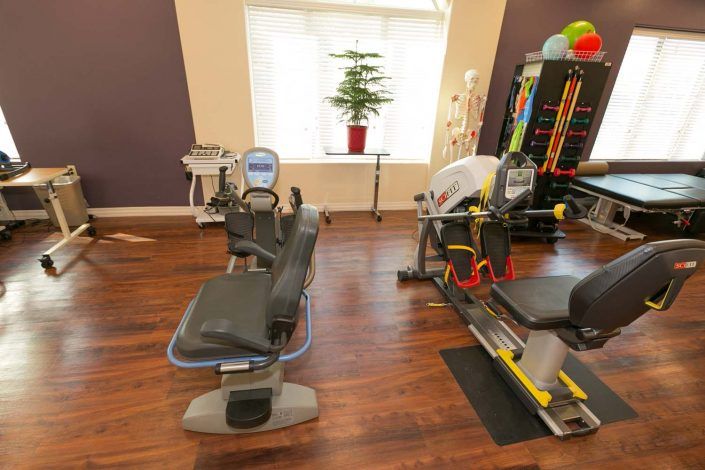
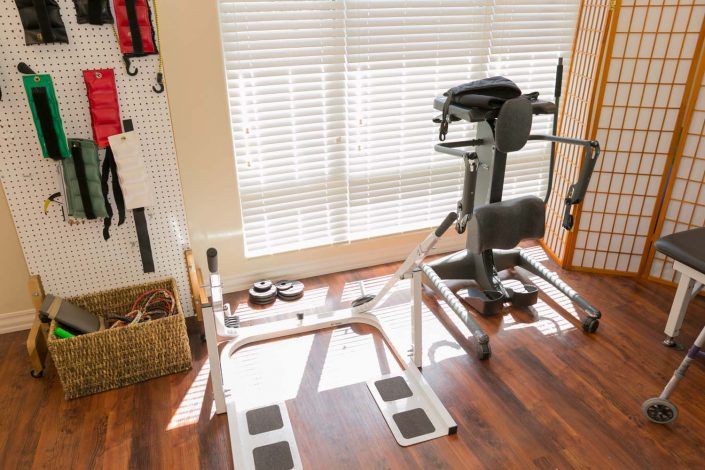
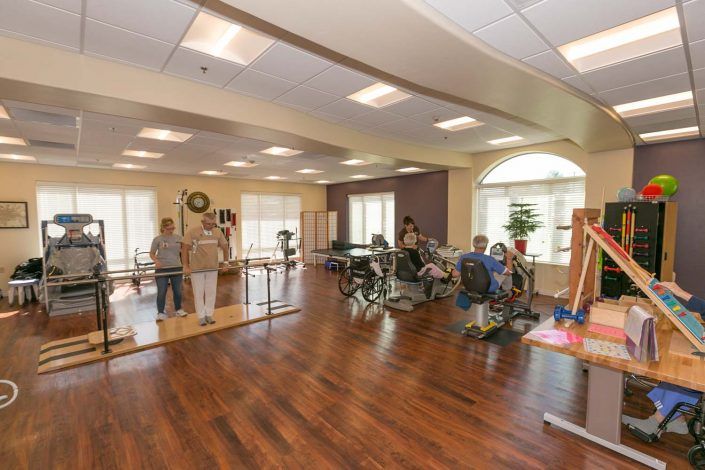
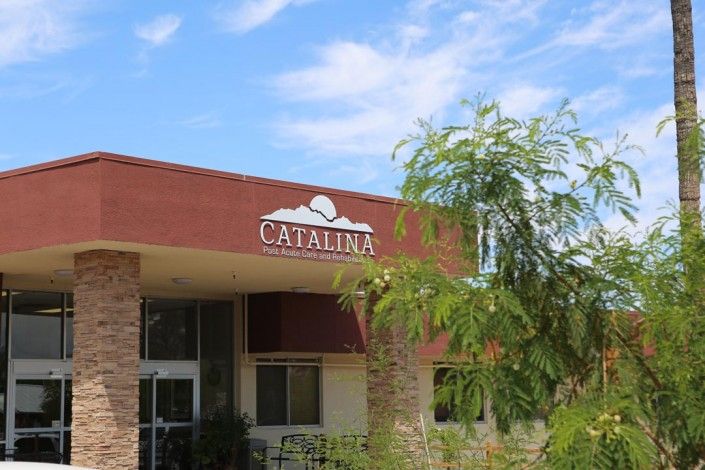
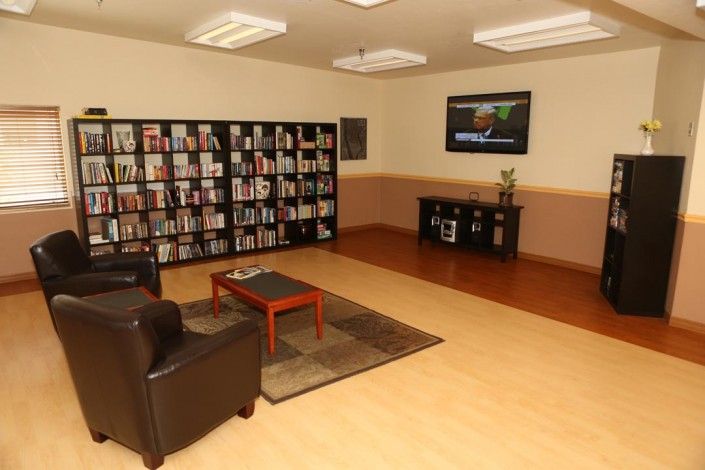
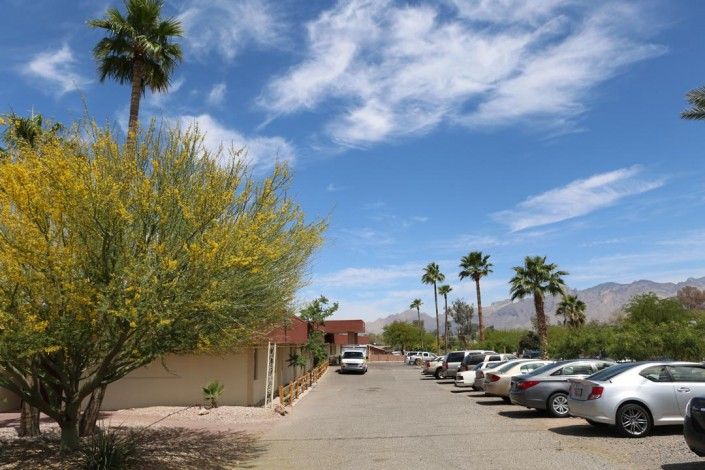
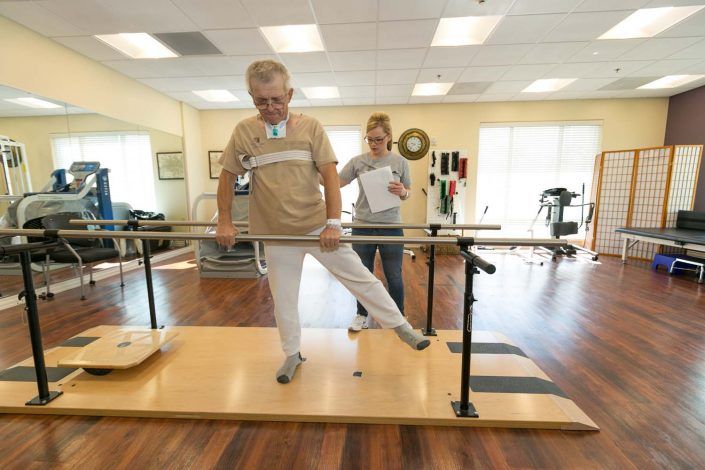
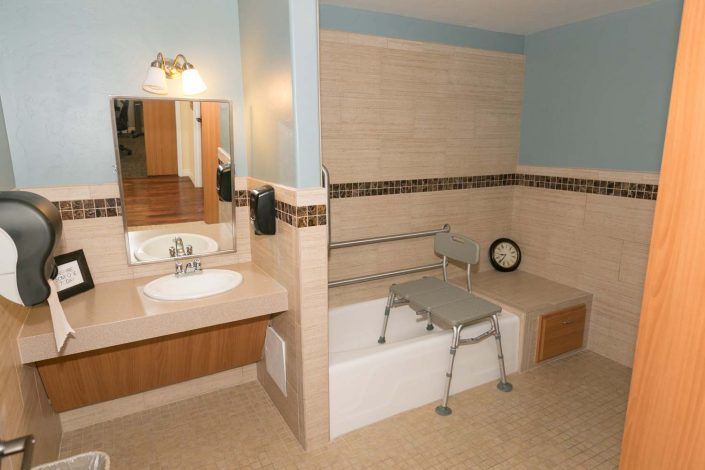
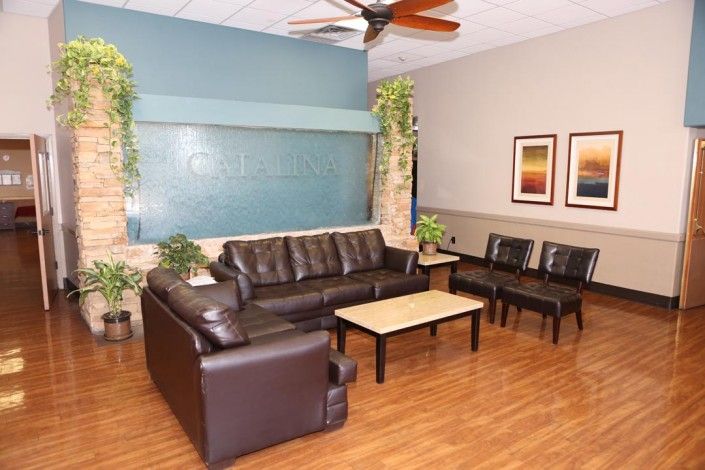
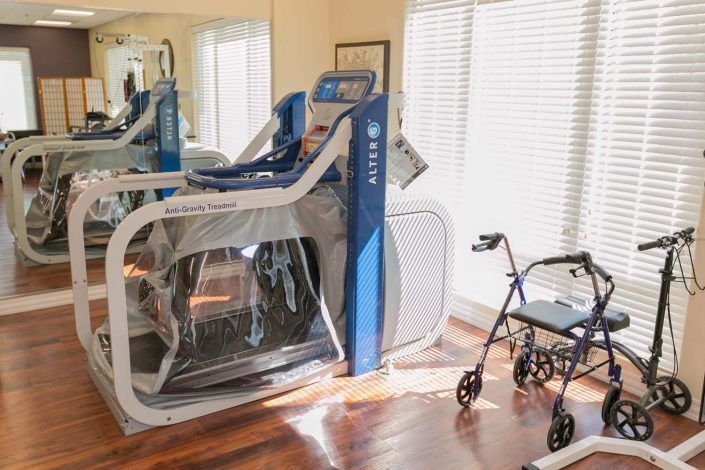
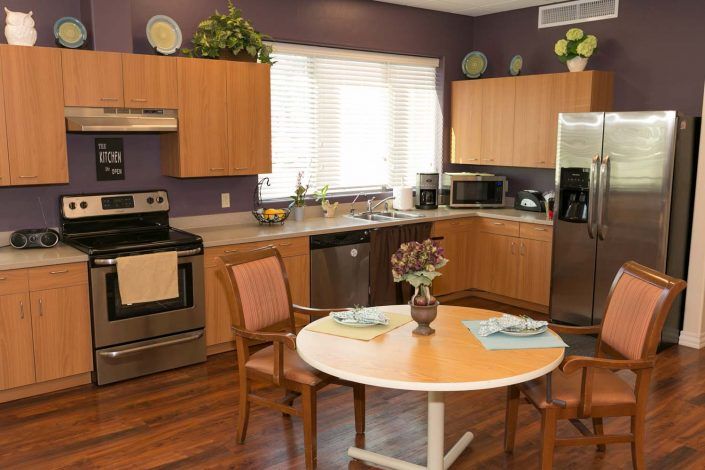
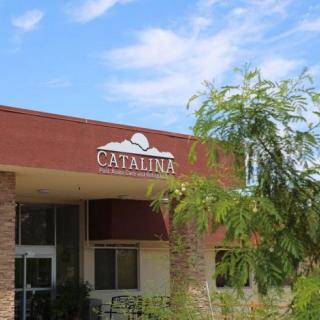
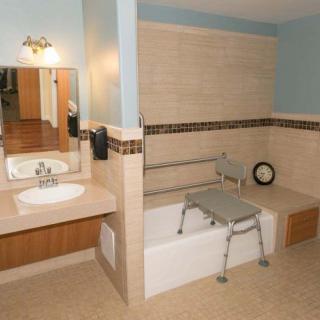
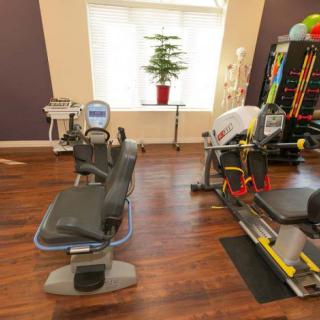
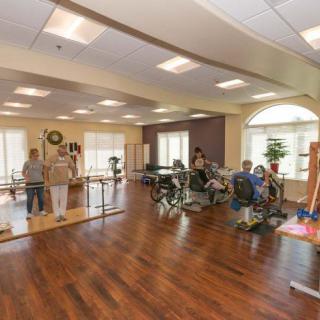
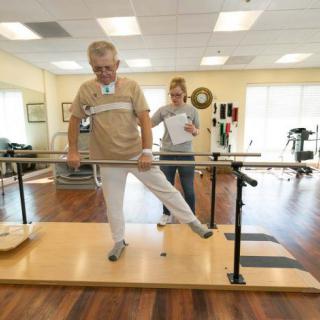
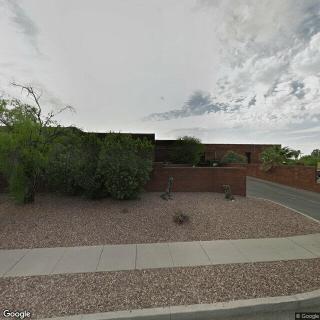
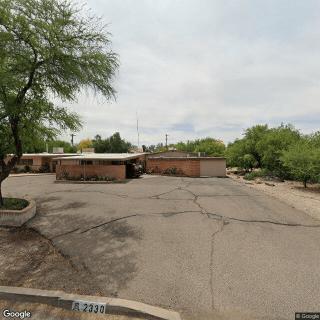
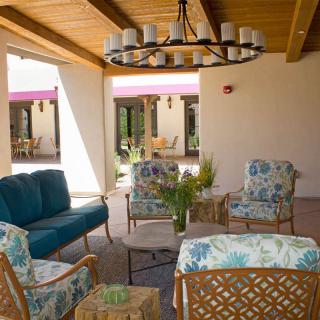
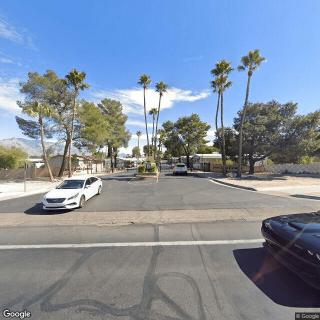
Catalina Post Acute And Rehabiliation on seniors.fyi includes 17 photos including images showing interior, exercise equipment, physical therapy, building, palm trees, mountains, parking, landscaping, and more.
Nearby Communities
Catalina In-Home Svc
Tucson, AZ
4.9 from 71 reviews
Convenient access to dining, healthcare, worship, and entertainment via nearby amenities.
Park Avenue Health And Rehabilitation
Tucson, AZ
3.9 from 120 reviews
24/7 care with extensive on-site amenities.
Park Avenue Health & Rehab Center
Tucson, AZ
3.9 from 101 reviews
$4,020 to $4,770 / month
Private rooms and strong rehab-focused care in a well-located Tucson setting.
Waverly House
Tucson, AZ
$2,300 / month
Affordable private room at $2,300/month with strong nearby amenities
Waverly House Adult Care Home
Tucson, AZ
Personalized care with 24-hour supervision, medication management, and diabetes-friendly meals.
Arcadia Health Care
Tucson, AZ
3 from 4 reviews
Strong proximity to numerous amenities and medical services.
The Hacienda at the River
Tucson, AZ
4.2 from 110 reviews
$4,495 to $6,595 / month
Clean, bright facility with pleasant decor, engaging activities (notably the equine program) and attentive staff.
Swan Lake Estates
Tucson, AZ
4.2 from 105 reviews
Serene setting with extensive nearby amenities (cafes, parks, pharmacies, healthcare, dining, and entertainment).
The Forum at Tucson
Tucson, AZ
4.1 from 205 reviews
$2,510 to $4,215 / month
Friendly, caring staff and high-quality dining with spacious, comfortable accommodations.
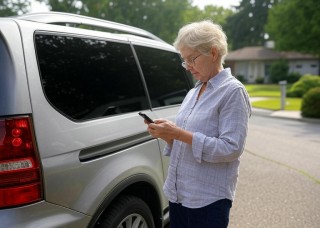
Senior drivers prioritize comfort, safety, and ease of use in vehicles due to age-related challenges, seeking features like easy entry, clear visibility, and modern driver-assistance technologies. Recommended models include the Subaru Forester, Honda CR-V, and Toyota Camry, with emphasis on test-driving for personal comfort and evaluating crash-test ratings alongside insurance considerations.
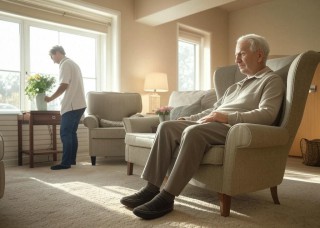
Private pay home care offers a flexible caregiving option for older adults and families who don't qualify for government programs, allowing them to directly fund in-home care services that range from daily assistance to specialized support. This model's customization potential enables aging in place while addressing financial considerations through strategic planning options, though clients must navigate marketplace challenges and ensure quality compliance.
Arthritis encompasses over 100 joint disorders affecting people of all ages, leading to symptoms like pain and stiffness that impair mobility and quality of life. Effective management involves early diagnosis, lifestyle changes, medical treatments, emotional support, and ongoing monitoring with healthcare professionals.
Bathroom, Grab Bars, Accessibility, and Shower Chair
Kitchen, Appliances, and Dining Table
Television, Seating Area, and Library
Outdoor
Exercise Equipment
Nature
Healthcare
Parking
Palm Trees
Gym and Fitness Center
Tree
Rehabilitation
Physical Therapy
Clouds
Exercise
Building Exterior
Workout Space
Get PricingAsk A QuestionSchedule A TourContact Senior Advisor
By clicking submit, you agree to our Partner's Terms of Use. You
also consent to receive calls and texts, which may be autodialed, from our Partner. Your consent is not a condition to
using our Partner's service. Please visit our Partner's Privacy Policy for information about their privacy practices.







 102 resident community capacity
 Skilled Nursing Facility
 Air-conditioning
 Beauty salon
 Cable or satellite TV
 Computer center
 Dining room
 Fitness room
 Fully furnished
 Gaming room
 Garden
 Housekeeping services
 Kitchenette
 Move-in coordination
 Outdoor space
 Private bathrooms
 Restaurant-style dining
 Small library
 Telephone
 Wellness center
 Wi-Fi/high-speed internet available
 Tucson International (10 miles away)
 Community operated transportation
 12-16 hour nursing
 24-hour call system
 Activities of daily living assistance
 Assistance with bathing
 Assistance with dressing
 Assistance with transfers
 Diabetes diet
 Medication management
 Mental wellness program
 Special dietary restrictions
 Transportation arrangement (medical)
 Concierge services
 Planned day trips
 Convenient access to dining, healthcare, worship, and entertainment via nearby amenities.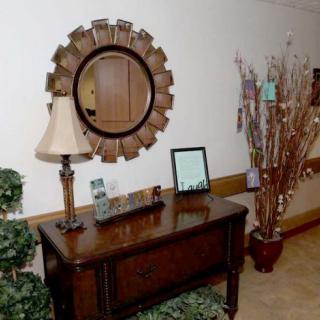


 Top Cars for Senior Drivers and Essential Safety Innovations
 A Closer Look at Private Pay Home Care
 Comprehensive Approaches for Arthritis: A Detailed Guide to Symptoms, Causes, and Care