For more information about senior living options: (866) 208-4318
4 from 48 reviews
5 stars
30
4 stars
8
3 stars
0
2 stars
1
1 stars
9
Meadowbrook Acres Ctr Costs & Pricing
At Meadowbrook Acres Center, the cost for care reflects a competitive stance within both Kanawha County and the broader state of West Virginia. For a semi-private room, residents can expect to pay $3,995 per month, which is slightly lower than the county average of $4,039 but higher than the statewide average of $3,683. In contrast, the studio accommodations at Meadowbrook are priced at $5,995 monthly, notably exceeding both Kanawha County's average of $3,647 and the state's average of $4,207. This pricing structure suggests that while Meadowbrook offers more upscale living options in its studio units, it remains comparatively affordable for those seeking semi-private arrangements. Overall, these costs reflect the center's commitment to providing quality care tailored to meet diverse needs while remaining mindful of local market trends.
Floor plans
Meadowbrook Acres Ctr
Kanawha County
West Virginia
Semi-Private
$3,995
$4,039
$3,683
Studio
$5,995
$3,647
$4,207
Skilled Nursing Facilities with a similar price nearby
Some reviews describe staffing problems that affected attention and safety.
Several reviewers report issues with staff availability, including times when staff seemed hard to find or residents felt they could not get the medical care they needed. A few comments also describe disruptive behavior on-site at night and residents being distressed for days. There are also concerns about falls and neglect, along with a separate review noting the facility felt shorthanded at times and that some things were overlooked. On the other hand, many other residents and families describe attentive caregivers who address concerns and communicate with families.
common25 reviews mention this
Caregivers are described as kind
Many residents and families describe caregivers as kind and attentive.
Across the reviews, families and caregivers describe staff who are friendly, attentive, and caring about residents’ daily needs. Multiple comments mention staff going above and beyond, working as a team, and treating residents with respect and dignity. A reviewer also highlights that management involvement translated into a more supportive day-to-day environment for staff and residents. Even where reviews are negative, they often still reference the care experience in terms of staff responsiveness and how supported residents feel.
common4 reviews mention this
Facility cleanliness stands out
Residents and families repeatedly mention a clean, well-kept facility.
Some reviewers specifically call out the facility as very clean, well kept, and maintained daily. One review describes cleaning in each room as part of the daily routine, while another notes the facility was clean and orderly during a loved one’s stay. A separate review also contrasts cleanliness with concerns about staffing and occasional oversights, suggesting cleanliness alone does not address all issues for every family.
common6 reviews mention this
Activities keep residents engaged
Reviews frequently mention activities that keep residents engaged.
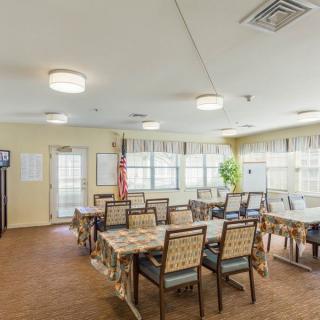
Multiple residents and families describe planned activities that keep residents busy and entertained rather than staying cooped up. Several reviews mention resident engagement and constant interaction between staff and residents, along with outings and an “activity group.” One reviewer specifically calls out an excellent therapy program alongside these activities. In the less positive reviews, there are complaints about residents not getting what they need, which can connect back to concerns about adequate attention and support.
differentiator2 reviews mention this
Rehab and dementia care
The skilled nursing setting is described as supporting rehab and dementia care needs.
Some reviews describe using the facility as a step after hospitalization for rehab, and others describe dementia care during a longer stay. Together, these comments suggest the community is used for higher-need clinical recovery and ongoing support. This aligns with the community’s indicated focus on high acuity care within a skilled nursing facility setting.
How we summarize
Counts show how many written reviews mention each theme; a review can touch several themes, and only frequently mentioned themes are displayed.
Features
Types of Care
Skilled Nursing Facility
Transportation
Yeager (2 miles away)
Care Services
High acuity care
Nearby Places of Interest
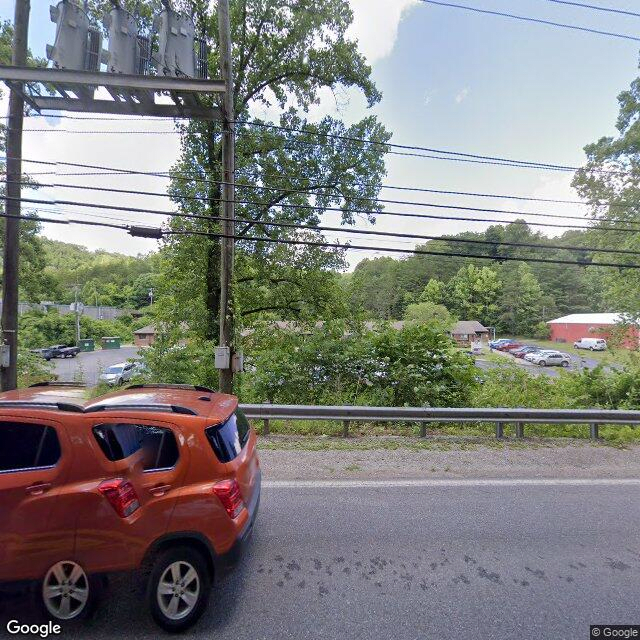
Located in Charleston, West Virginia, this neighborhood offers convenient access to transportation options such as the Executive Air Terminal and Yeager Airport. With several pharmacies nearby, including CVS Pharmacy and Fruth Pharmacy, ensuring easy access to medications and healthcare services is simple. Residents will also have a variety of dining options with restaurants like Hardee's and McDonald's close by, as well as cafes like Daily Dose Cafe for a quick bite or coffee break. For worship, there are multiple places of worship within a few miles, including Asbury United Methodist Church and St George Orthodox Cathedral. In terms of healthcare facilities, there are several hospitals in the vicinity such as CAMC Memorial Hospital Er and Charleston Area Medical Center. Additionally, the neighborhood is situated near parks like Haddad Riverfront Park for leisurely outdoor activities. Overall, this area provides a convenient and accessible environment for seniors looking to settle down in Charleston.
At Meadowbrook Acres Center, the cost for care reflects a competitive stance within both Kanawha County and the broader state of West Virginia. For a semi-private room, residents can expect to pay $3,995 per month, which is slightly lower than the county average of $4,039 but higher than the statewide average of $3,683. In contrast, the studio accommodations at Meadowbrook are priced at $5,995 monthly, notably exceeding both Kanawha County's average of $3,647 and the state's average of $4,207. This pricing structure suggests that while Meadowbrook offers more upscale living options in its studio units, it remains comparatively affordable for those seeking semi-private arrangements. Overall, these costs reflect the center's commitment to providing quality care tailored to meet diverse needs while remaining mindful of local market trends.
The guide details ten essential responsibilities of senior caregivers, including personal care, mobility assistance, medication management, and emotional support, while emphasizing the importance of safety, nutrition, and maintaining a safe living environment to enhance seniors' quality of life and independence.
The article highlights nine memory-boosting activities for seniors that enhance cognitive health and social interaction, including puzzles, trivia quizzes, and storytelling, while emphasizing the importance of adapting these activities to individual preferences to maximize enjoyment and engagement. Consistent mental engagement is linked to improved cognitive function and emotional well-being in older adults.
Medicare provides limited coverage for skilled nursing home care, covering full benefits for the first 20 days and partial benefits up to 100 days under certain conditions, after which families must explore alternative funding options like Medicaid or long-term care insurance to manage potentially high costs. Proactive planning is essential to navigate the complexities of financing ongoing care once Medicare coverage ends.
Get PricingAsk A QuestionSchedule A TourContact Senior Advisor
By clicking submit, you agree to our Partner's Terms of Use. You
also consent to receive calls and texts, which may be autodialed, from our Partner. Your consent is not a condition to
using our Partner's service. Please visit our Partner's Privacy Policy for information about their privacy practices.


 Skilled Nursing Facility
 Yeager (2 miles away)
 High acuity care
 Comprehensive amenities and care services (transportation, dining, wellness programs, beauty salon, library) with furnished private apartments.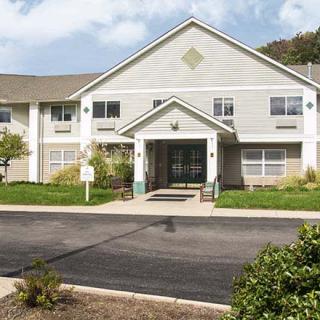


 Ten Vital Duties of a Senior Caregiver: A Comprehensive Guide
 9 Stimulating Memory Activities for Seniors: Puzzles, Cards, and Much More
 Managing Nursing Home Expenses After Medicare Coverage Ends