
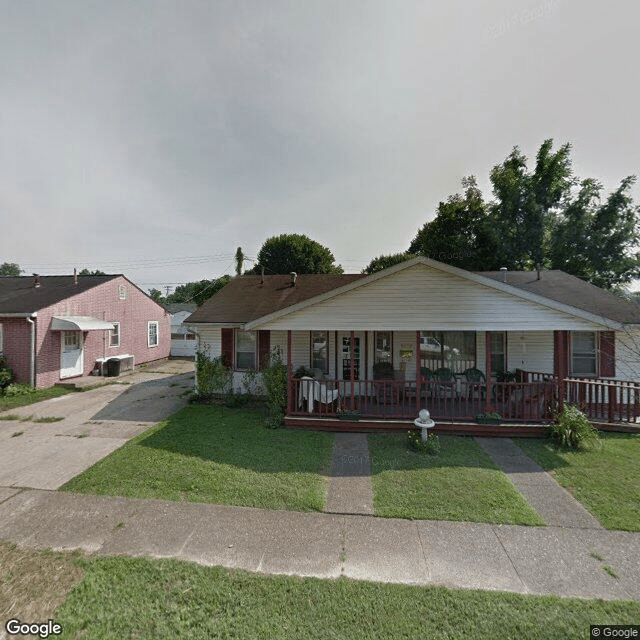
2619 Knox Ave, St. Albans, WV 25177
To contact a resident: (304) 722-0404
For more information about senior living options: (866) 208-4318
Braley Care Homes II Costs & Pricing
Braley Care Homes II offers competitive pricing for its residents, particularly when compared to the average costs in Putnam County and across West Virginia. For a private room, Braley Care Homes II charges $3,500 per month, which is notably lower than the county average of $4,100 and significantly less than the state average of $4,794. Similarly, their one-bedroom option is available for $4,200, remaining just below the county's rate of $4,301 while exceeding the state's average of $4,017. This positioning not only highlights Braley Care Homes II as a cost-effective choice but also emphasizes its commitment to providing quality care in a comfortable environment.
| Floor plans | Braley Care Homes II | Putnam County | West Virginia |
|---|---|---|---|
| Private | $3,500 | $4,100 | $4,794 |
| 1 Bedroom | $4,200 | $4,301 | $4,017 |
Senior living communities with a similar price nearby
-
from +$186 / mo
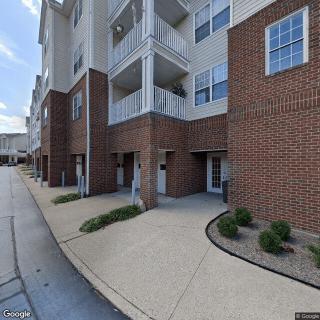
The Ridgemont
$3,686 to $4,126 / month9.0 miles away -
from -$227 / mo
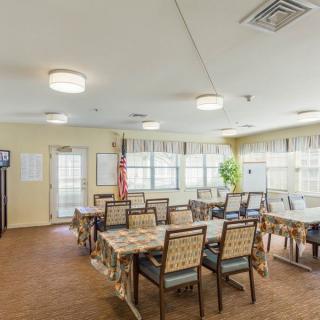
Celebration Villa of Teays Valley
$3,273 to $3,938 / month9.2 miles away -
from +$560 / mo
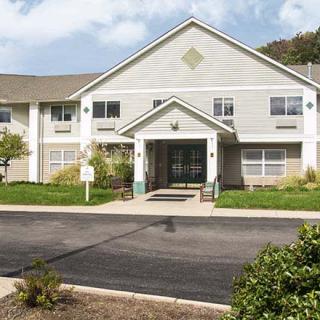
Brookdale Charleston Gardens
$4,060 to $5,800 / month10.5 miles away -
from +$495 / mo
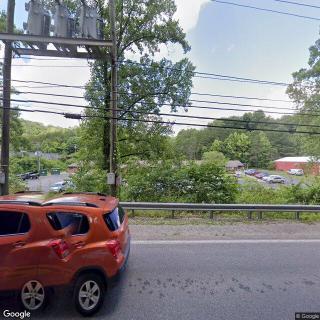
Meadowbrook Acres Ctr
$3,995 to $5,995 / month12.7 miles away -
About the same
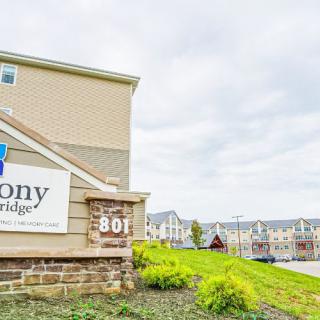
Harmony at Southridge
$3,500 to $4,300 / month6.8 miles away
Overall Review of Braley Care Homes II
Pros
 Crystal is super helpful and provides very useful information.
- The facility is run by people who are in it for the right reasons.
- The staff puts families at ease about assisted living for a loved one.
- If not for insurance issues, the reviewer would choose this place ten times over.
- Braley Care Homes offers memory care in a home-like environment.
- Chris Braley has created a safe, healthy memory care environment that feels more like family than a typical assisted living facility.
- The environment feels like a warm, non-sterile alternative to traditional dementia care.
- The reviewer would want Braley Care Homes chosen for them if they ever faced memory issues.
Cons
 None identified in the provided reviews.
Review
Braley Care Homes II is best suited for families seeking a memory-care option that feels intimate and homelike, rather than clinical or institutional. The community excels for residents with dementia or Alzheimer’s who respond to close, attentive supervision in a small, house-like setting. It appeals to households that prize genuine relationships with caregivers, predictable routines, and a leadership approach that emphasizes compassion and ethics over turnover or impersonal efficiency. Prospective residents should understand up front that access will hinge on payer considerations, so confirming insurance acceptance early is essential to avoid surprises.
The strongest selling points center on memory care delivered in a true home environment. The facility rejects the impersonal feel of a traditional nursing unit in favor of warmth, safety, and a sense of family. This is not a generic care site; it is a purpose-built atmosphere where caregivers know residents well, respond quickly to needs, and maintain dignity through daily life. The leadership and staff are described as genuinely invested in the well-being of residents, a quality that translates into steady, personalized attention rather than scripted interactions. In this setting, memory care feels less like a medical mandate and more like supported living with familiar faces guiding every decision.
Communication and practical support stand out as notable advantages. Families find staff who provide clear, attentive guidance during the transition process, with Crystal highlighted as especially helpful in navigating questions and concerns. That level of accessibility matters when a loved one is moving into care and the emotional stakes are high. The combination of a homey environment and responsive, knowledgeable staffing creates a reassuring baseline: once the decision is made, the day-to-day experience is anchored in trustworthy, person-centered care. For families weighing options, this blend of warmth and reliability can be the deciding factor.
The primary caveat remains financial access rather than quality of care. Insurance issues can block placement despite the strong care profile and favorable day-to-day experiences. That reality means interested families must proactively confirm payer acceptance and explore all funding avenues well before a move date. The risk is not about the level of care once inside Braley; it is about whether the financing pathway aligns with the individual's coverage. People who cannot secure the appropriate coverage may need to widen the search to options with broader payer compatibility or different financial structures.
Despite the financial hurdle, the pros noticeably offset the main drawbacks for the right candidate. When memory care is the priority and a family values a setting that feels like a well-cared-for home, Braley Care Homes II delivers an unusually high level of personal attention, authenticity, and emotional safety. The home environment reduces the clinical distance often found in larger facilities, helping residents stay more engaged and comfortable. For families prepared to navigate insurance logistics, the reward is a dependable, respectful, and genuinely caring atmosphere that honors both resident and caregiver relationships.
In deciding whether Braley Care Homes II is the best fit, families should be candid about two thresholds. If the loved one requires extensive, hospital-style medical oversight or a highly structured, large-community program, alternatives with broader clinical capabilities may be preferable. If financial alignment with insurance coverage can be secured, this community stands out as a leading choice for memory care with a family feel and a staff culture that genuinely prioritizes right motives and resident dignity. For those who can bridge the funding gap, Braley Care Homes II represents a compelling, practical option that delivers on its promise of humane, home-centered memory care.
 Board and Care Home
 Private
 Yeager (11 miles away)
 9 Stimulating Memory Activities for Seniors: Puzzles, Cards, and Much More
 Managing Nursing Home Expenses After Medicare Coverage Ends
 Is a Geriatric Care Manager the Right Choice for Your Family?