
2603 Knox Avenue, St Albans, WV 25177
For more information about senior living options: (866) 208-4318
Overall Review of Walnut Place
Pros
 Adrian and Dustin did an excellent job.
Cons
 They abandon these apartments by not having a leasing office on the property.
- They operate several properties with offices, but none answer the phone.
- Tenants must drive at least 20 minutes to get any assistance.
- Maintenance requests take at least two weeks to be started.
- They raise rents and add unnecessary extra costs and fees.
- They require renters insurance even though they do not maintain the property themselves.
Review
Walnut Place in St Albans is best suited for seniors who want an affordable, independent living option and can operate with a minimal on-site management presence. This community works best for households that can tolerate a rental model where information and service requests must travel to off-site offices, and where residents or families are prepared to advocate for themselves when ideas about repairs, leasing questions, or fee changes come up. It is not ideal for someone who expects a streamlined, on-site leasing experience, quick-turnaround maintenance, or a predictable package of services. In short, it serves a niche audience: cost-oriented residents who prize independence and can absorb the friction that comes with distributed management.
Those who should consider alternatives are families and seniors seeking reliable, proactive on-site management and clear, predictable operating terms. If daily assistance, prompt maintenance, social programming, or a true sense of “ownership” by a local property team matter, Walnut Place is unlikely to satisfy. Communities with on-site leasing offices, readily available maintenance crews, and transparent, bundled fees will typically outperform in delivering consistent service. For anyone evaluating care-focused living or communities that actively manage every detail from leasing to repairs, Walnut Place should be moved to the bottom of the short list.
On the plus side, there is evidence that certain staff members can make a meaningful difference. A few phrases in resident reflections point to genuine, attentive service from individuals such as Adrian and Dustin, and that goodwill can brighten the experience when the rest of the operation feels disjointed. When staff connection works, it creates moments of reliability and friendliness that remind families why on-site culture matters. These glimpses matter because they show that quality care and maintenance aren’t impossible here, just inconsistent and unevenly applied across the property network.
The weight of the cons, however, is substantial and hard to overlook. The absence of a dedicated leasing office on the property translates into a frustrating information gap: inquiries get routed to distant offices, phones go unanswered, and crucial details about leases, fees, and policies can languish. Maintenance requests are slow to start, weeks can pass before action begins, creating a risk for residents who need timely repairs or who rely on predictable upkeep. The financial terms carry additional friction: regular rent increases and new or “unnecessary” fees appear without a clear link to improved services, and renters insurance is mandated even though day-to-day property care isn’t visibly centralized on site. Taken together, these factors create a experience that often feels reactive rather than collaborative.
These pros and cons must be weighed against the core reality of this community’s operations. The limited on-site presence undermines the sense of security and ease many seniors expect, particularly for those transitioning from a more hands-on living arrangement. While occasional staff goodwill can soften the impact, it does not compensate for systematic gaps in accessibility, communication, and reliability. For a resident who is self-sufficient and comfortable coordinating with distant offices, Walnut Place can be workable and financially appealing. For anyone who values consistent responsiveness, transparent pricing, and on-site problem-solving, the cons clearly outweigh the perceived benefits.
Ultimately, a disciplined decision process is essential. Prospective residents should insist on an in-person tour that tests how easily one can reach a manager, not just a call center, and should ask for concrete response-time benchmarks for maintenance and repairs. Verify the exact penalties, fees, and rent-growth history, and request written confirmation of any insurance requirements and what they cover. Engage current residents to understand how often issues arise, how quickly they are resolved, and whether the property truly feels managed or merely monitored from afar. Compare Walnut Place to nearby independent living or assisted living options with on-site management, clearer service packages, and more predictable costs. In the end, this is a choice for those who prioritize cost and independence, with the clear caveat that reliable service and a proactive on-site presence will likely be lacking relative to more traditional, service-oriented senior living communities.
 4 resident community capacity
 Assisted Living
 Cable or satellite TV
 Dining room
 Fully furnished
 Garden
 Housekeeping services
 Move-in coordination
 Outdoor space
 Telephone
 Wi-Fi/high-speed internet available
 Yeager (11 miles away)
 24-hour supervision
 Activities of daily living assistance
 Assistance with bathing
 Assistance with dressing
 Assistance with transfers
 Diabetes diet
 Meal preparation and service
 Medication management
 Special dietary restrictions
 Transportation arrangement (medical)
 Transportation to doctors appointments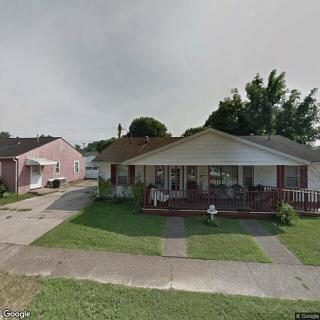





 Understanding the True Cost of Assisted Living in 2025: A Comprehensive Guide
 Understanding Medicaid Coverage for Assisted Living: A Comprehensive Guide
 How and When Medicaid May Cover Assisted Living Costs