

1321 Dunbar Ave, Dunbar, WV 25064
To contact a resident: (304) 766-9830
For more information about senior living options: (866) 208-4318
Overall Review of Kelly Svc Assisted Living
Pros
 The staff at SweetBriar make visitors feel welcome and safe from the first visit through moving out.
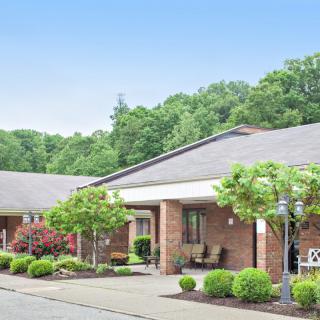
- The facility is cozy, family-oriented, and truly homelike, with inviting social spaces.
- It stays beautifully decorated for holidays and maintains a clean, fresh atmosphere.
- Residents have their own living spaces and a peaceful environment that reduces stress.
- Caregivers go above and beyond, delivering attentive, compassionate care.
- Medical personnel are readily available to answer questions and support families.
- Families express deep gratitude for the care, noting that it gives their loved ones more time and comfort.
Cons
 The reviewer noted that the mother was charged half a month's rent after moving out.
- The reviewer stated that SweetBriar moved someone into the mother's room and billed that person for the remaining time.
Review
This Dunbar-area community reads best for families that prioritize a warm, home-like setting where caregivers know residents by name and family updates arrive with reliability. The testimonials describe a facility that feels intimate rather than institutional: seasonal decorations, social spaces that invite conversation, and private living areas that residents can personalize. The overarching impression is one of steady, hands-on attention, with staff who respond quickly, answer questions clearly, and involve families in care decisions. For elders who flourish in a small-community atmosphere where staff relationships matter as much as daily routines, this environment offers reassurance that a loved one is known, respected, and emotionally supported every day.
Alternatives become worth considering for families with different medical or financial priorities. If a loved one requires high-acuity medical oversight, aggressive rehab services, or a more clinical, schedules-driven program, this type of setting may feel underpowered. Similarly, households with strict expectations around billing practices or move-out policies might want to cross-check transparency and fairness more carefully before committing. The reviews hint at a rare but real concern about billing when a resident departs and another resident moves in, suggesting the need to obtain written policies and a clear, documented process to prevent unexpected charges.
The strongest pros, genuine warmth, frequent communication, and responsive caregiving, largely offset the notable con, because the emotion and trust built by consistent staff interaction dramatically reduce the stress families feel during transitions. Families repeatedly describe caregivers who go “above and beyond,” who treat residents with kindness, and who provide comfort during difficult times. When questions arise, the team offers clear guidance and practical help, which translates into peace of mind for relatives who cannot be present 24/7. In short, relational quality and transparency in day-to-day operations tend to compensate for the billing hiccup if addressed upfront.
Environment and service levels reinforce that conclusion. Clean, inviting spaces, a strong emphasis on homelike living, and a dining experience described as tasty and reliable contribute to a sense of well-being that extends beyond basic safety. The communal areas invite socialization, yet residents retain autonomy with private living arrangements that can be personalized to individual tastes. The decorations, routines, and staff gestures collectively create a reassuring rhythm to daily life, one that reduces stress for residents and their families alike and supports consistent engagement with activities and meals as part of a balanced routine.
Operationally, the care model appears to hinge on visible staff availability and clear, ongoing communication with families. The ability to obtain progress notes, questions answered promptly, and guidance on how to respond to changing needs are highlighted as core strengths. Families report meaningful emotional support, including moments of vulnerability shared by staff who recognize and honor the gravity of end-of-life care. That depth of compassion and the sense that caregivers truly “show up” when it matters most can be the decisive factor for families weighing comfort, dignity, and quality of life in the final chapter.
Bottom-line guidance: for families whose priority is a nurturing, neighborly atmosphere with hands-on care and transparent family involvement, this type of assisted living can deliver exceptional daily life and meaningful connection. It is a strong choice for residents who value continuity of relationships with caregivers and a home-centric pace over highly clinical models or aggressive care protocols. However, those who demand rigorous, hospital-level medical oversight, crystal-clear, foolproof billing practices, or stringent financial protections should compare alternatives that emphasize formal compliance and explicit policy documentation. In the end, the decision rests on balancing the immeasurable value of trusted, empathetic care against the practical need for financial clarity and medical reach.
 Activities on-site
 Devotional services off-site
 Indoor common areas
 Yeager (8 miles away)
 Ambulatory care
 Diabetic care
 Meals provided




 Understanding Home Health Care: A Comprehensive Guide
 Home Health Care Demystified: A Comprehensive Guide for Families and Caregivers
 Seniors and Modern Transportation: Exploring Uber, Lyft, and Other Ride-Hailing Options