
501 Caldwell Lane, Dunbar, WV 25064
For more information about senior living options: (866) 208-4318
Overall Review of Dunbar Center
Pros
 Dunbar Center is very good to residents and provides high-quality care.
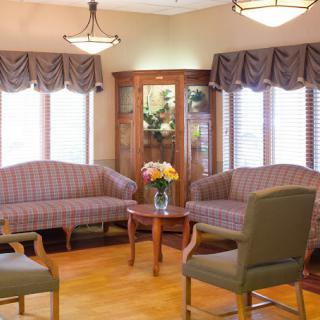
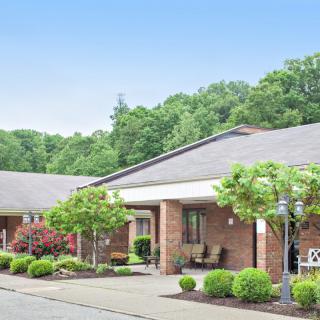
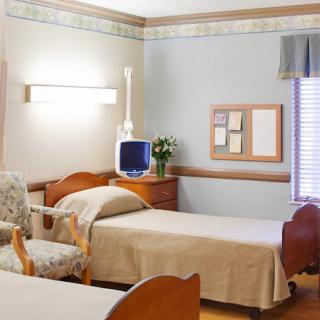
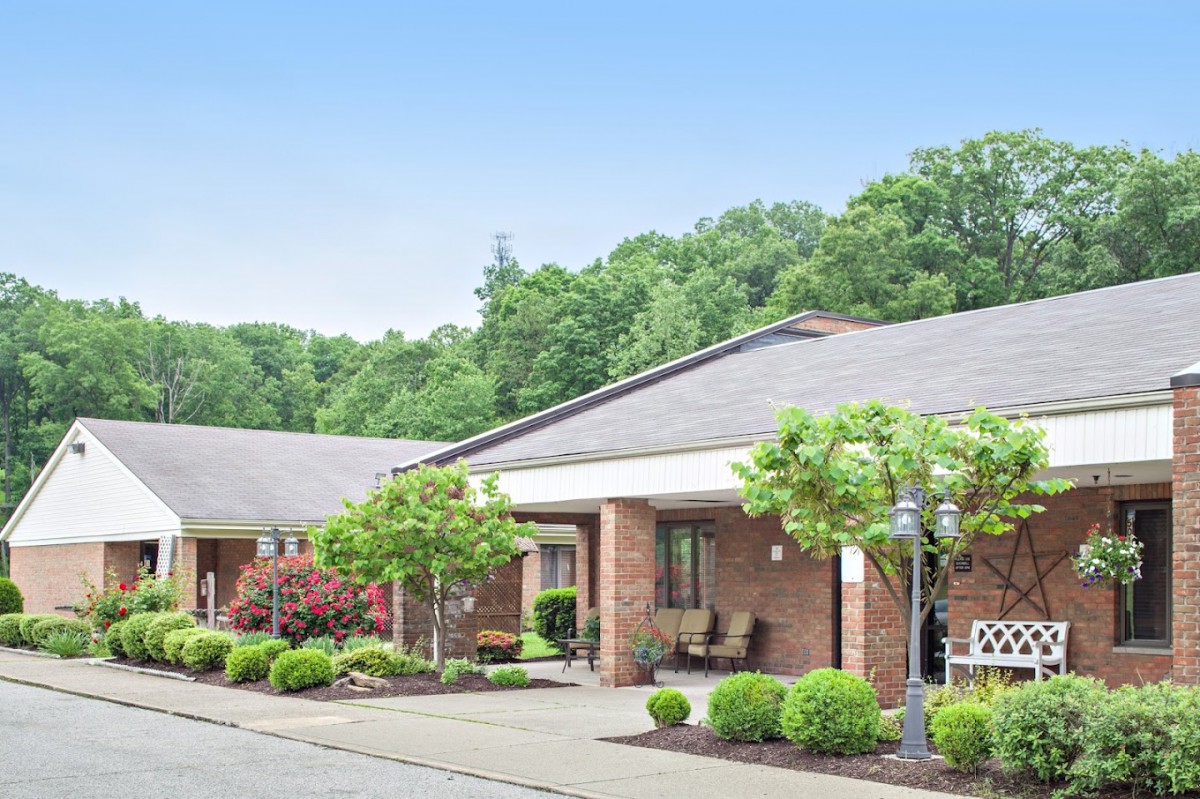
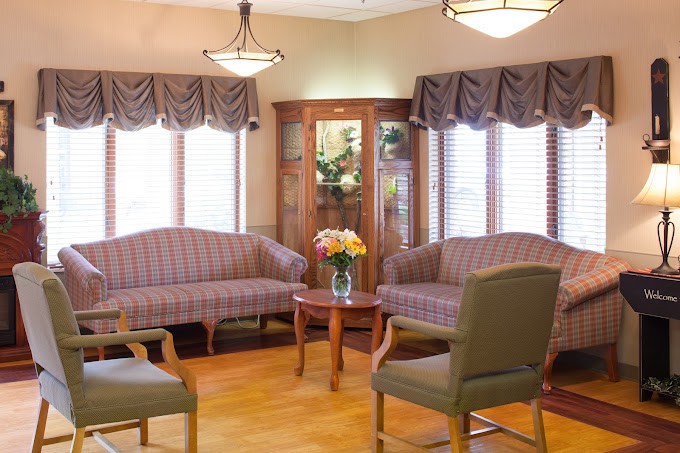
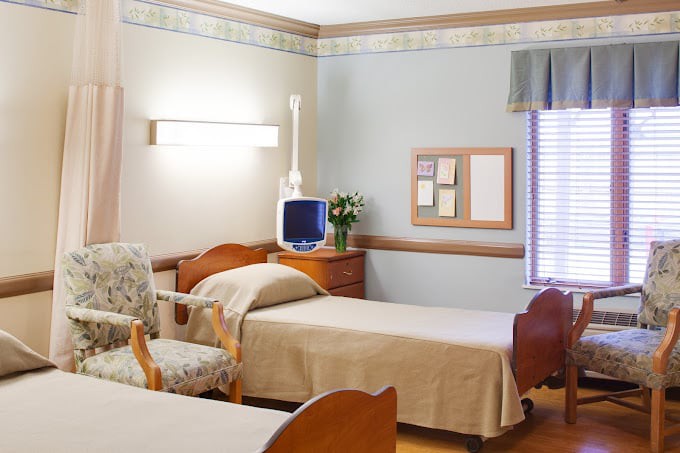
- The facility is clean and offers comfortable rooms for residents.
- The rehab team at Dunbar Center is excellent and helps residents regain strength quickly.
- The staff are warm, welcoming, and feel like family to residents and their families.
- The center provides physical, occupational, and speech therapy.
- Residents can enjoy dining and a variety of daily activities, including festive events like holiday parades.
- Families would absolutely recommend Dunbar Center to others in need of care.
Cons
 They note that staff sometimes take a long time to respond to the call light.
 - They claim the facility neglected their family member in multiple ways, including not calling when the member fell three times.
- They accuse nurses of keeping things secret and failing to communicate with the family.
- They report the family member contracted COVID-19 while in quarantine at the rehab facility and became so ill that hospitalization was required.
- They say the price is too high and Medicare stopping coverage made it unaffordable.
- They urge others not to take their loved ones there.
Review
Dunbar Center is best suited for seniors needing structured, therapy-driven care and who value a clean, comfortable environment with a clearly engaged, community-minded staff. The facility earns its strongest endorsements from families whose loved ones require daily rehabilitation, physical therapy, occupational therapy, and speech therapy, and who appreciate a warm, almost family-like staff culture. Residents report a tidy, well-kept campus, comfortable rooms, and convenient dining areas, with meaningful social touches (like holiday-spirited staff parades) that help ease the transition into extended care. For families prioritizing proven rehab momentum and a welcoming day-to-day atmosphere, Dunbar Center presents a compelling case.
Those considering alternatives should weigh cost sensitivity and safety priorities. The price point at Dunbar Center is a meaningful consideration for many families, and one review notes that it becomes unsustainable once Medicare support ends. In addition, safety and responsiveness can become a concern for some residents: one caregiver described slow response to call lights, and another review portrays a scenario of falls and serious communication gaps. For families where budget constraints or a flawless safety and communication track record are decisive factors, exploring nearby options with lower costs or stronger documented safety metrics may be prudent.
The facility’s core advantages offset several potential drawbacks. On the upside, the rehab program stands out as a decisive strength: therapists are described as excellent, with a rapid return-to-function trajectory after health declines, and care teams that feel like a dependable, caring extended family. Cleanliness and room comfort reinforce a sense of security and dignity, while the dining experience receives consistent praise for quality and variety. The availability of daily activities, bingo, religious services, and other customary programming, helps preserve routine and social engagement, which matters for mood, motivation, and overall recovery.
Yet the main cons deserve careful consideration. The occasional long wait for a call light response points to gaps in real-time responsiveness, which can be critical for comfort and safety, especially for frail residents. More troubling is the negative account alleging neglect and hidden communication about a family member’s condition, including unreturned calls and unaddressed falls. While this represents a single account, it signals a potential risk vector that families cannot ignore and should verify through direct conversations with staff, recent survey results, and careful onsite observation. The tension between strong interpersonal care and these safety/communication concerns must be weighed carefully.
Cost and funding dynamics add another layer to the decision. While Dunbar Center delivers robust therapy and a high-touch environment, the price may stretch family budgets, particularly when Medicare support ends. The proximity to home and the favorable menu can be meaningful value adders, but affordability remains a gatekeeper. Prospective residents should obtain an explicit, current breakdown of all charges, confirm what is covered by Medicare or other payors, and explore any available financial planning resources. If financial constraints are non-negotiable, alternative facilities with lower daily rates or different payer structures may better align with long-term goals.
In the end, Dunbar Center serves as a solid option for families prioritizing active rehabilitation, a clean and welcoming setting, and a staff-driven culture that feels like home. It is less suitable for those who cannot tolerate even occasional delays in assistance, who require a rock-solid safety and communication record, or who must tightly constrain costs. For a family weighing these factors, the prudent path is to assess current staffing patterns, request a live tour during peak hours to test call-light responsiveness, compare recent survey findings, and benchmark pricing against comparable facilities in the Dunbar area. If rehab intensity, staff warmth, and a hospitable living environment are the top criteria and the budget aligns, Dunbar Center stands out as a diligent, capable choice. If not, it is wise to pursue alternatives that better fit safety assurances and financial comfort.
 21 resident community capacity
 Skilled Nursing Facility
 Beauty salon
 Cable or satellite TV
 Dining room
 Fully furnished
 Garden
 Housekeeping services
 Kitchenette
 Move-in coordination
 Outdoor space
 Telephone
 Wi-Fi/high-speed internet available
 Yeager (7 miles away)
 24-hour call system
 Activities of daily living assistance
 Assistance with bathing
 Assistance with dressing
 Assistance with transfers
 Diabetes diet
 Meal preparation and service
 Medication management
 Mental wellness program
 Special dietary restrictions
 Transportation arrangement (medical)
 Transportation to doctors appointments




 In-Home Care Costs in 2025: A Detailed State-by-State Exploration
 Understanding Home Health Care: A Comprehensive Guide
 Home Health Care Demystified: A Comprehensive Guide for Families and Caregivers