Residents and families most often describe staff as caring, kind, and quick to help.
Across many reviews, people emphasize that the nurses, aides, and other team members are compassionate and respectful. Several reviewers mention feeling supported with everyday needs—like assistance promptly when help is requested—along with communication that reduces stress for families. A few reviews are strongly negative about care, but even some of those note friendliness in parts of the experience.
common10 reviews mention this
Facility cleanliness and comfort
Multiple reviews describe the building as clean and comfortable for residents and visitors.
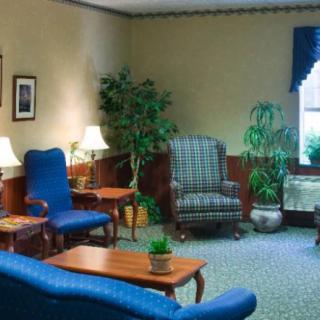
Several reviewers say the center feels very clean and pleasant, including comments about not noticing strong odors and seeing residents well cared for. Visitors also describe comfortable common areas for visiting and a generally well-kept appearance. While there are outlier complaints about neglect, the cleanliness theme appears often in the overall feedback.
differentiator13 reviews mention this
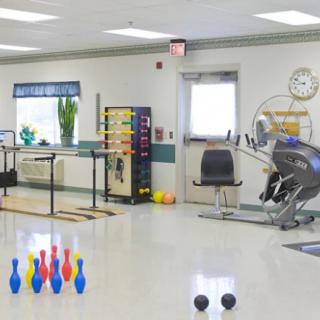
Therapy is a frequent highlight
Physical and occupational therapy is frequently described as skilled, professional, and motivating.
Many reviews praise the rehabilitation team—especially physical and occupational therapists—for helping residents regain mobility and complete daily activities. Families also mention better communication about care plans and progress, and some describe therapists as attentive even when residents were in pain or had difficulty. This matches what the community offers through its skilled nursing focus and day-to-day assistance with activities of daily living.
common7 reviews mention this
Social work helps families navigate
Reviewers repeatedly single out the social worker and related support for guidance and follow-through.
A number of reviews describe social services as helpful with discharge planning, ongoing communication, and easing the stress of transitions. Several reviewers specifically mention being kept informed about needs and changes, and they credit social services with advocating for what residents require. This aligns with the way the community provides coordination with health care providers and assistance managing care-related needs.
caveat5 reviews mention this
Staffing and food draw complaints
Some reviews raise concerns about understaffing and food quality.
A handful of reviewers describe staffing as short, including feeling that attention wasn’t quick enough during an illness or that aides were overworked. Others mention that food was a downside compared with expectations, sometimes leading families to bring meals in. These complaints appear alongside the more common praise for staff, so experiences vary by time and unit.
How we summarize
Counts show how many written reviews mention each theme; a review can touch several themes, and only frequently mentioned themes are displayed.
Features
Housing
21 resident community capacity
Types of Care
Skilled Nursing Facility
Amenities
Beauty salon
Cable or satellite TV
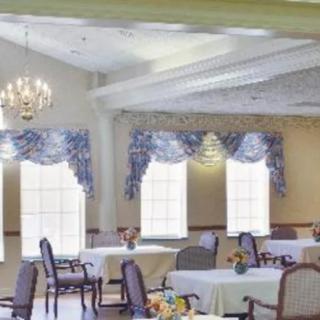
Dining room
Fully furnished
Garden
Housekeeping services
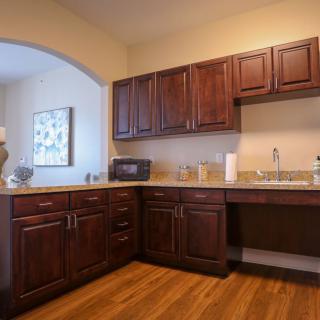
Kitchenette
Move-in coordination
Outdoor space
Telephone
Wi-Fi/high-speed internet available
Care Services
24-hour call system
24-hour supervision
Activities of daily living assistance
Assistance with bathing
Assistance with dressing
Assistance with transfers
Coordination with health care providers
Diabetes diet
Meal preparation and service
Medication management
Mental wellness program
Special dietary restrictions
Transportation arrangement (medical)
Transportation to doctors appointments
Dining
Diabetes diet
Special dietary restrictions
Activities
Community-sponsored activities
Scheduled daily activities
Nearby Places of Interest
This part of Charles Town, West Virginia, offers a convenient and accessible location for seniors looking to settle in the area. With a variety of healthcare services nearby including physicians, audiology care, and pharmacies, residents can easily access medical resources. In terms of dining options, there are several restaurants within close proximity offering a range of choices. Additionally, the presence of places of worship provides spiritual support for those interested. For leisure activities, there are cafes where seniors can socialize and relax. The parks in the area offer opportunities for outdoor recreation and enjoying nature. The nearby transportation options such as the Harpers Ferry Train Station provide ease of travel for seniors wanting to explore beyond the immediate vicinity. Overall, this neighborhood offers a blend of essential services and recreational amenities that could cater well to senior living needs.
Physicians
Audiology Hearing Care Services (0.2 miles)
Tracy, Lloyd Dr - WVU Urgent Care (0.8 miles)
Dr Henry Christie (0.9 miles)
University Healthcare Physicians (0.9 miles)
Electra Vision (2.2 miles)
Harpers Ferry Family Medicine (5.5 miles)
Palank Brian DDS (10.1 miles)
Restaurants
Mountain View Diner (0.3 miles)
Wendy's (0.3 miles)
McDonald's (0.3 miles)
Ruby Tuesday (0.4 miles)
Taco Bell (0.4 miles)
Skybox Sports Bar (0.6 miles)
Jersey Mike's (0.7 miles)
Pharmacies
Walgreens (0.3 miles)
CVS Pharmacy (0.6 miles)
Stuck & Alger Pharmacy (0.8 miles)
Jefferson Pharmacy (0.9 miles)
CVS Pharmacy (1 miles)
Walgreens (10.1 miles)
CVS Pharmacy (11.4 miles)
Hospitals
Jefferson Medical Center (0.9 miles)
Places of Worship
St James The Greater (1.6 miles)
Trinity Episcopal Church (10 miles)
St Joseph Catholic (13 miles)
Trinity United Methodist Church (13.4 miles)
Cafes
Panera Bread (2.1 miles)
The Black Dog Coffee Company (5.1 miles)
Lost Dog Coffee (10 miles)
Starbucks (13.3 miles)
Panera Bread (13.4 miles)
Daily Grind (13.7 miles)
Parks
Bolivar Heights Battlefield (5.1 miles)
Harpers Ferry National Historical Park (5.1 miles)
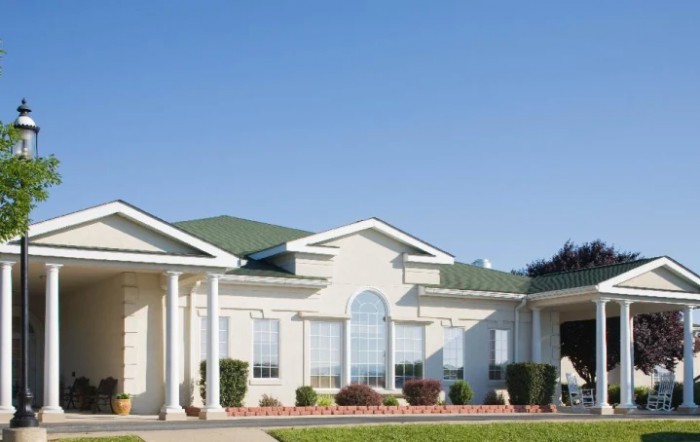
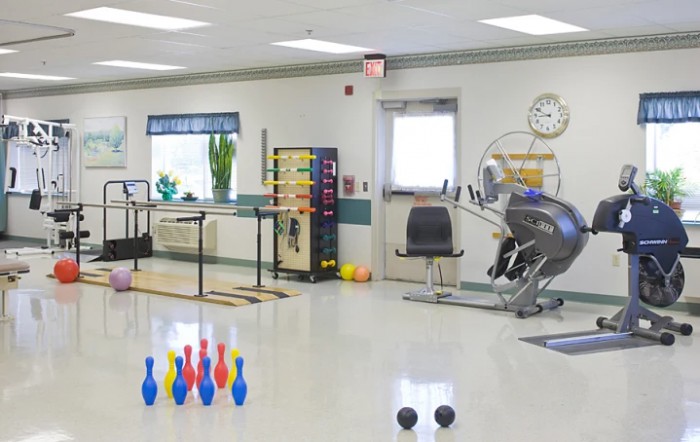
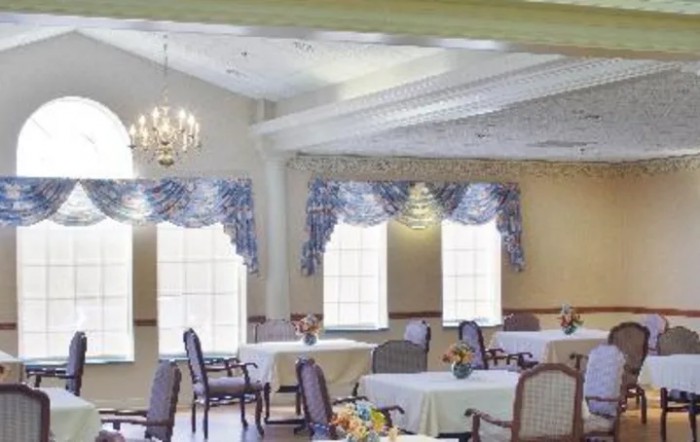
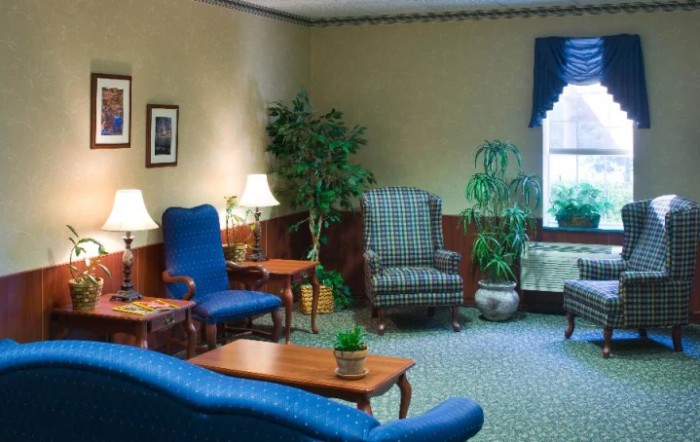
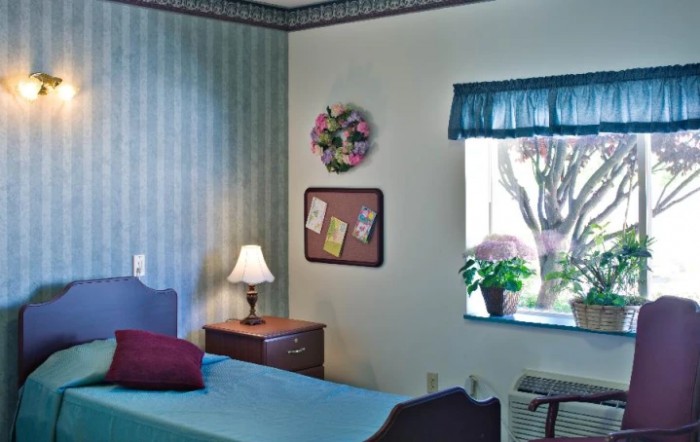
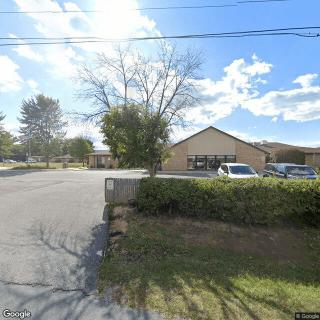
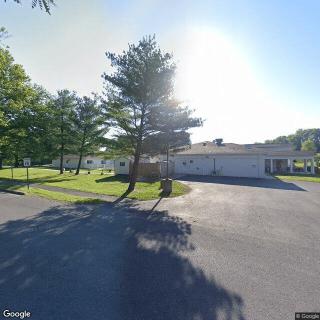
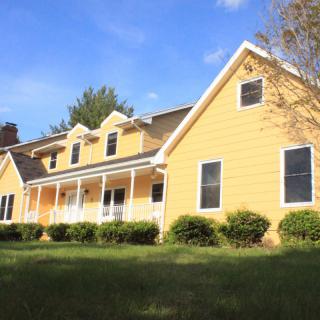
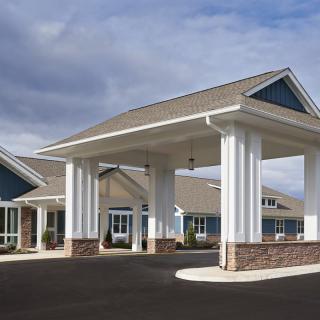
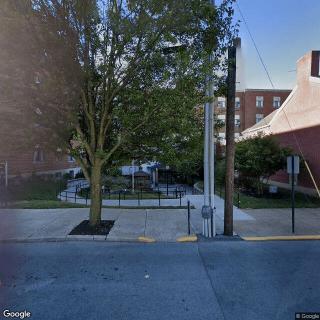
Shenandoah Center on seniors.fyi includes 5 photos including images showing bedroom, interior, fitness, healthcare, dining, chandelier, bright lighting, living room, and more.
Nearby Communities
Willow Tree Healthcare Center
Charles Town, WV
2.5 from 40 reviews
Friendly staff, personalized living spaces, and restaurant-style dining.
Care Haven Center
Martinsburg, WV
4 from 63 reviews
Intimate, small community with 24/7 supervision and comprehensive care services.
Care Haven Center
Martinsburg, WV
3.9 from 79 reviews
$5,250 to $5,550 / month
Skilled nursing with private rooms and convenient access to amenities.
Canterbury Center
Shepherdstown, WV
3.9 from 66 reviews
$5,250 to $5,550 / month
Attractive area with an appointment booking system.
Lovettsville Home Assisted Living
Lovettsville, VA
4.9 from 15 reviews
$4,500 / month
Small, home-like setting with personalized, compassionate care from a dedicated team.
Purcellville Home
Purcellville, VA
3.2 from 9 reviews
$3,000 to $3,500 / month
Competitive pricing for semi-private and private rooms compared to county/state averages, with extensive amenities and care services.
The Retreat at Berryville
Berryville, VA
4.3 from 52 reviews
$4,300 to $6,250 / month
Clean, modern facility with friendly staff and engaging activities.
Kings Daughters Court
Martinsburg, WV
4.5 from 11 reviews
Comfortable assisted living with on-site activities and strong access to nearby healthcare, dining, and worship options.
Harmony At Martinsburg
Martinsburg, WV
4.5 from 48 reviews
$3,500 / month
Vibrant, well-maintained community with engaging activities and elegant dining.
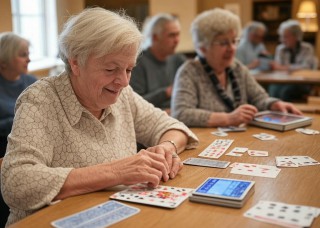
Maintaining cognitive fitness through engaging in various brain games, both traditional and digital, is crucial for seniors as it enhances memory retention, problem-solving abilities, and emotional well-being while helping to protect against age-related decline. A holistic approach that includes diverse activities, physical exercise, a balanced diet, and social interaction further supports mental health and cognitive function.
The article outlines strategies for keeping seniors' minds active through brain games and apps, highlighting the importance of cognitive exercises, social engagement, and a healthy lifestyle in combating cognitive decline. It emphasizes the benefits of various types of games and offers practical tips for maintaining mental wellness through enjoyable activities while acknowledging their limitations.
The VA Aid and Attendance program offers financial assistance to veterans needing help with daily activities due to health issues, available through a pension for low-income wartime veterans or an allowance for 100% disabled individuals. Eligibility depends on medical documentation of care needs and navigating guidelines about income and service history, with funds being usable for various healthcare-related expenses.
Healthcare, Rehabilitation, Physical Therapy, Fitness, and Exercise Room
Get PricingAsk A QuestionSchedule A TourContact Senior Advisor
By clicking submit, you agree to our Partner's Terms of Use. You
also consent to receive calls and texts, which may be autodialed, from our Partner. Your consent is not a condition to
using our Partner's service. Please visit our Partner's Privacy Policy for information about their privacy practices.

 21 resident community capacity
 Skilled Nursing Facility
 Beauty salon
 Cable or satellite TV
 Dining room
 Fully furnished
 Garden
 Housekeeping services
 Kitchenette
 Move-in coordination
 Outdoor space
 Telephone
 Wi-Fi/high-speed internet available
 24-hour call system
 Activities of daily living assistance
 Assistance with bathing
 Assistance with dressing
 Assistance with transfers
 Diabetes diet
 Meal preparation and service
 Medication management
 Mental wellness program
 Special dietary restrictions
 Transportation arrangement (medical)
 Transportation to doctors appointments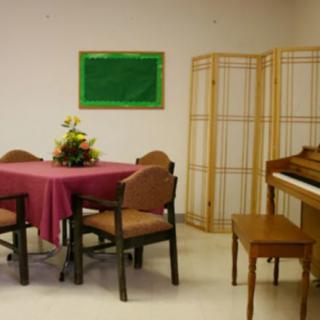
 Friendly staff, personalized living spaces, and restaurant-style dining.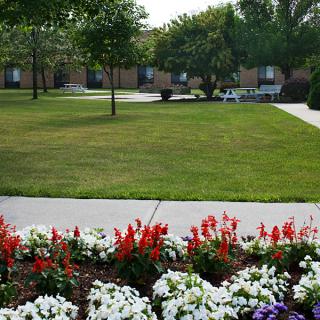
 Engaging Brain Games and Innovative Apps to Keep Senior Minds Active
 Effective Strategies for Keeping Seniors' Minds Active: A Deep Dive into Brain Games and Apps
 In-Depth Look at the VA Aid and Attendance Program