
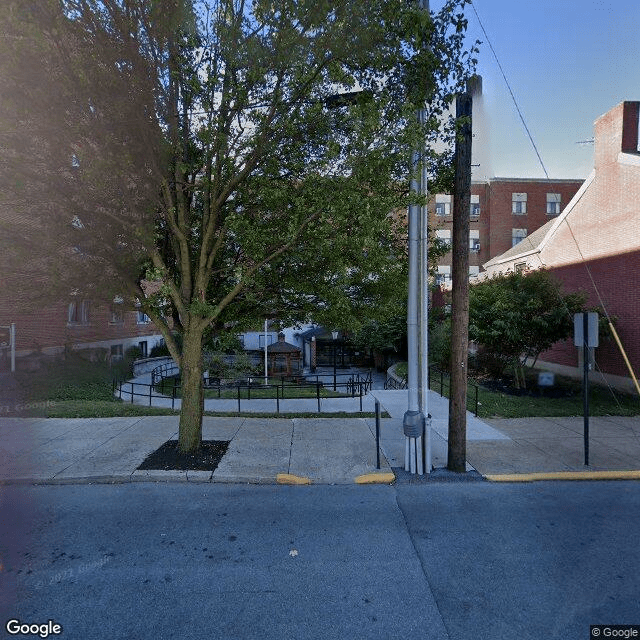
116 E King St, Martinsburg, WV 25401
To contact a resident: (304) 263-3325
For more information about senior living options: (866) 208-4318
Overall Review of Kings Daughters Court
Pros
 It is a great place to live.
- It was good when they lived there awhile back.
- It has a thumbs-up from reviewers.
Cons
 Paula Puller didn't like me and literally picked me apart.
- The listing didn't even list how many bedrooms.
Review
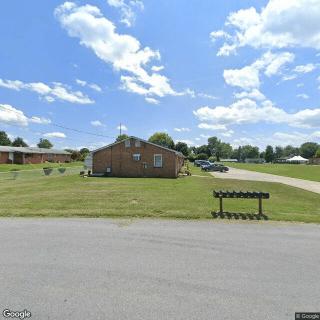
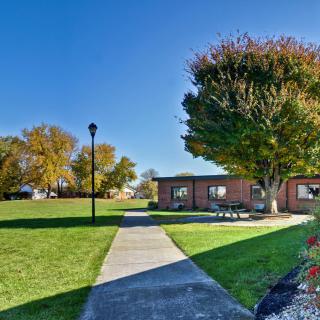
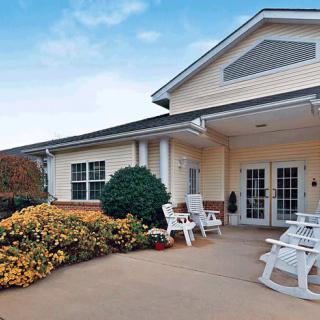
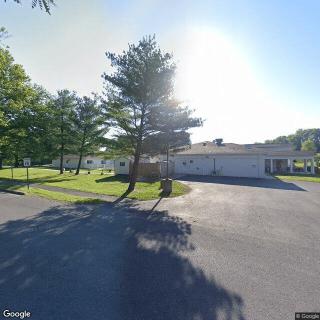
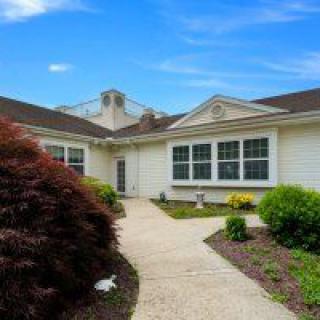
Kings Daughters Court in Martinsburg is best suited for seniors who want a small, home-like ambiance where long-term residency feels natural and social ties are accessible. The community consistently appeals to individuals who value a warm, neighborly atmosphere and staff interactions that feel personal rather than perfunctory. For families seeking a setting that prioritizes routine, familiarity, and the comfort of knowing people by name, Kings Daughters Court offers a practical home base in the Martinsburg area. With a solid overall rating of 4.4 from nine reviews and a strong majority of five-star opinions, this is a place where residents tend to settle in and make the space their own.
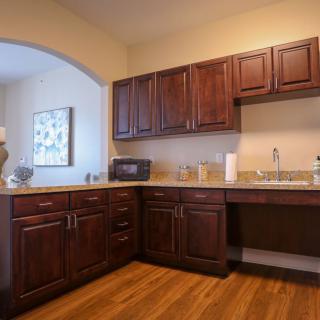
That said, certain circumstances point toward alternatives. Those who must rely on a high level of on-site medical care or a broad menu of medical and restorative services may want to compare larger campuses with more expansive care options. Families who require very transparent, detailed information about room configurations and floor plans may also prefer facilities that publish comprehensive layout options and precise square footage for each residence. An isolated negative staff interaction can be a meaningful signal for some families, suggesting that a closer look at staff consistency and customer-service processes is warranted before move-in.
The strongest benefits here lie in the lived-in, welcoming feel and the sense that this is a place where people actually enjoy living. Several residents describe Kings Daughters Court as “a great place to live,” and the echoes of that sentiment run through the overall feedback. A history of “new residence” and “lived there awhile back; it was good” hints at steady, ongoing satisfaction rather than a churn-and-burn experience. In practical terms, this translates to reliable social opportunities, predictable routines, and the comfort of a community where neighbors become acquaintances, then, with time, almost extended family.
From the downside perspective, the most noticeable friction centers on a single negative staff interaction and a lack of explicit information about bedroom options. One review notes a sharply negative encounter with a particular staff member, underscoring that not every interaction will land perfectly and that rapport with caregivers can be variable. Coupled with a perception that room details aren’t presented as clearly as some families would like, these concerns can feel significant to applicants who want complete transparency before moving. However, these elements appear as outliers in a generally favorable landscape rather than as defining features of daily life.
The way the positives offset the negatives is straightforward: a consistently strong overall rating and a track record of positive resident sentiment suggest the environment generally works well for most people. When a community nails the basics, safety, cleanliness, predictable routines, social opportunities, and a sense of belonging, the occasional staff friction or information gaps become manageable, provided due diligence is done upfront. Prospective families should push for precise floor plans, request current resident contacts for candid feedback, and arrange a sit-down with the administrator to understand how concerns are addressed and how staff training prioritizes consistent, respectful interactions.
In the final analysis, Kings Daughters Court is a practical, dependable choice for seniors who value a quiet, homey setting and are content with a relatively modest footprint of services in exchange for a stable social environment. It is less suitable for those who require robust, highly resourced medical care on site or who insist on exhaustive, readily available details about every bedroom option before making a commitment. For families moving toward a decision, a focused tour should include a review of floor plans, conversations with current residents about day-to-day life and staff interactions, and a clear outline of problem-resolution procedures. When those boxes are checked, Kings Daughters Court stands out as a solid, no-nonsense option with real staying power in Martinsburg.
 Assisted Living
 Activities on-site
 Devotional services off-site
 Indoor common areas
 Ambulatory care
 Diabetic care
 Meals provided
 Beyond the Bingo Hall: 50+ Enriching Activities for Seniors in Assisted Living
 Understanding the Distinctions: Assisted Living and Memory Care Explained
 Guiding Elderly Parents Who Refuse Assisted Living: 6 Practical Steps