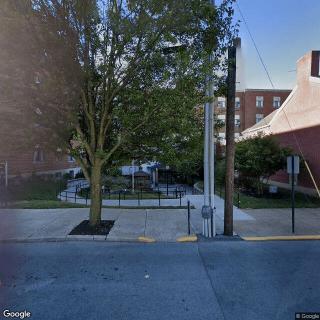
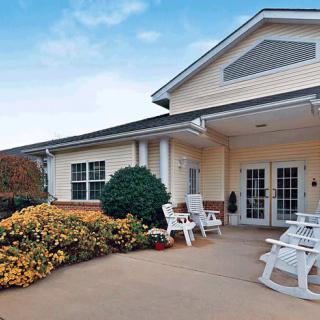
Canterbury Center in Shepherdstown, WV

Save

  • Interior

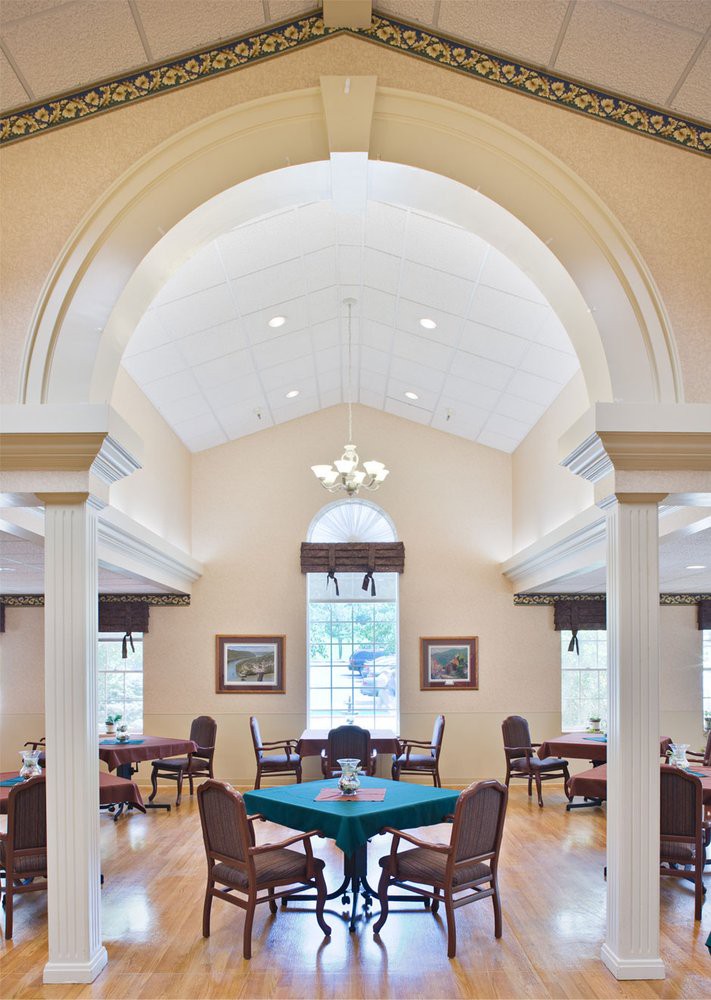
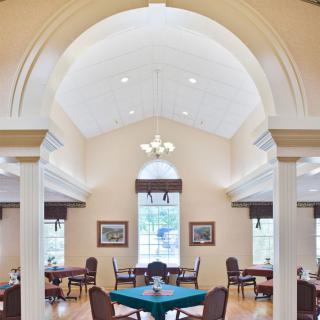
    A spacious dining area with an arched ceiling, featuring tables and chairs arranged neatly under a chandelier, surrounded by large windows.
  • Decor

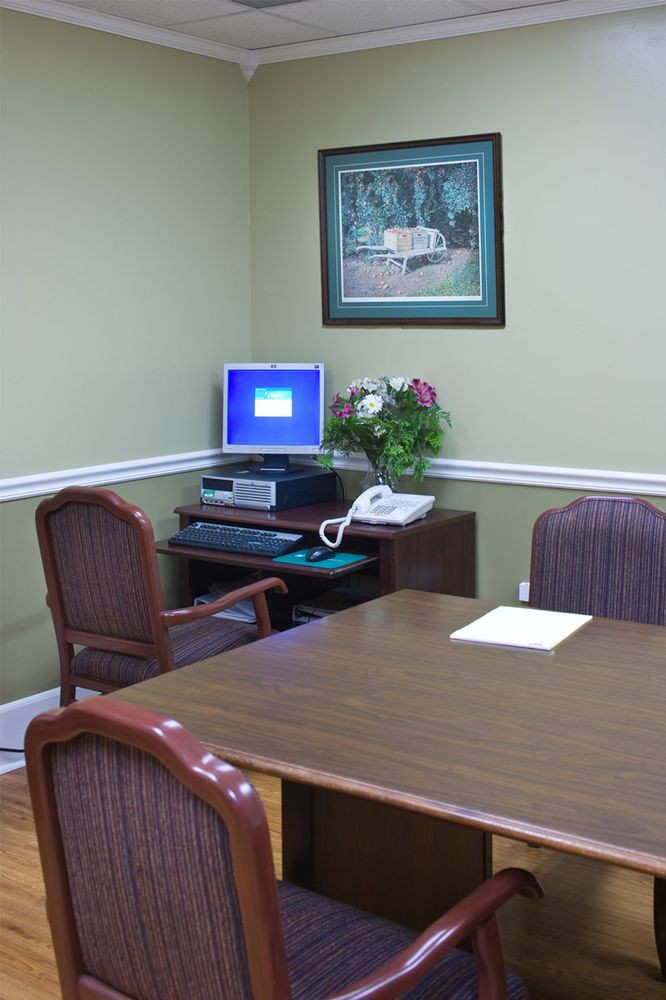
    A small office meeting room with a desk, computer, chairs, and a telephone.
  • Living Room

    A cozy living room with a sofa, television, indoor plant, and game pieces on the table.
  • Building

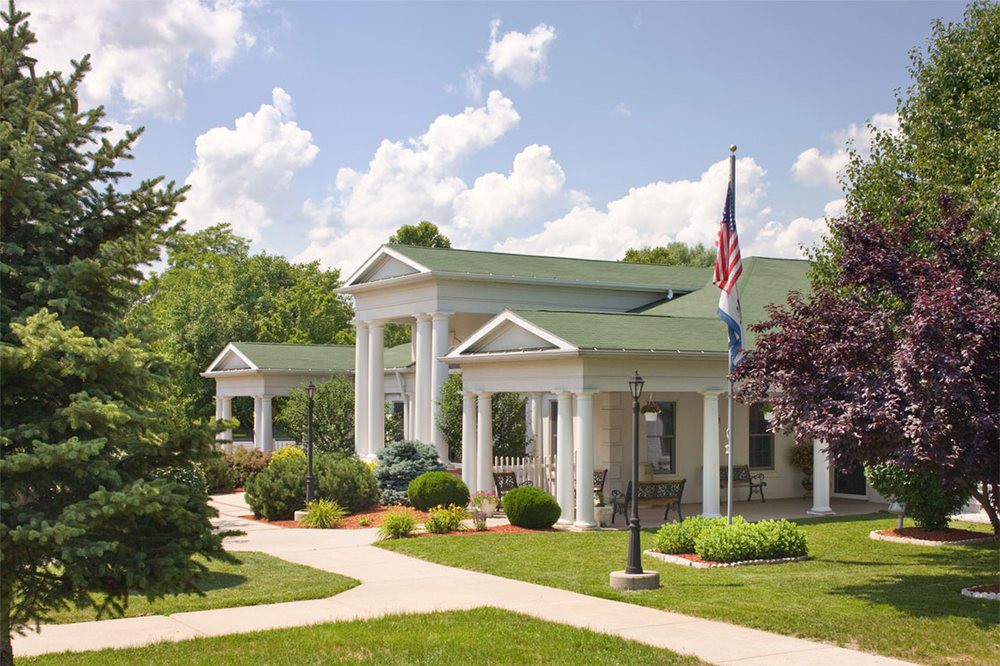
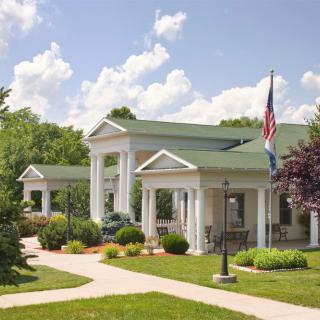
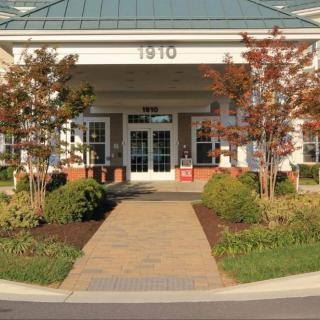
    A building with a green roof and large columns, situated in a landscaped area with an American flag.
  • Windows

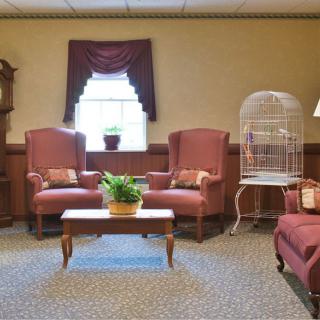
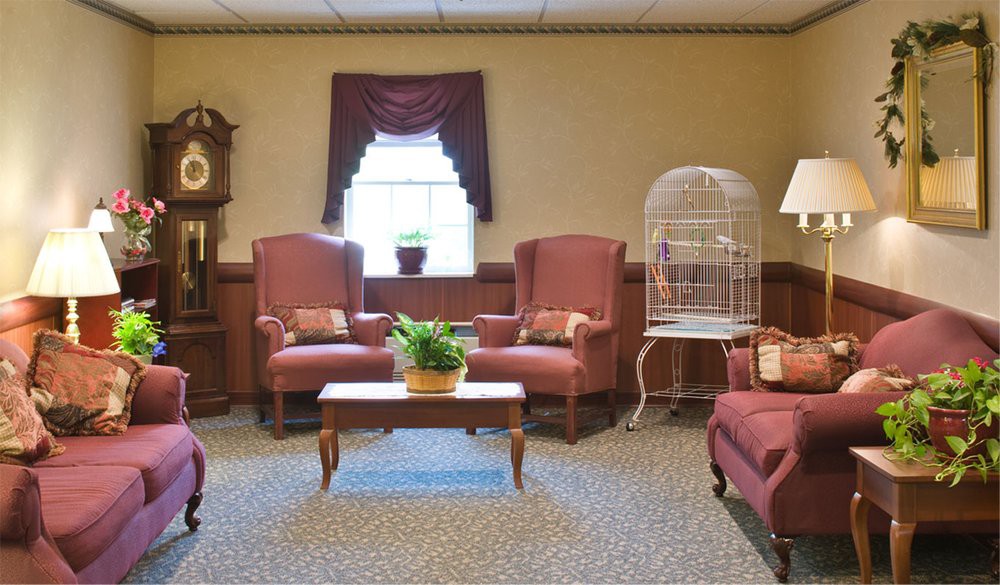
    A cozy living room with two armchairs, a coffee table with a plant, and a birdcage by the window.
  • Kitchen

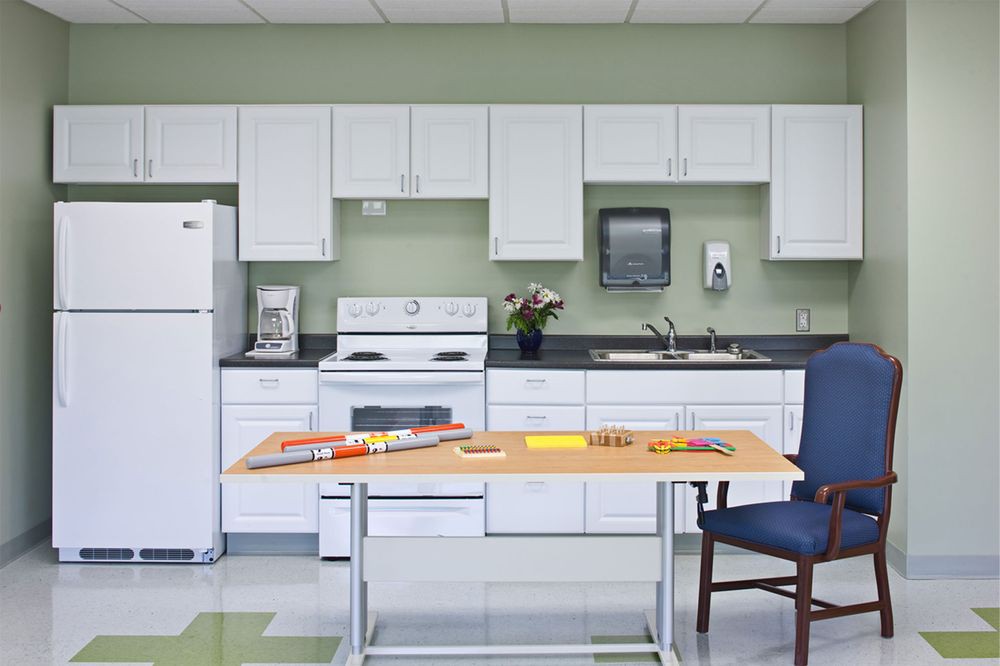
    A clean, modern kitchen with white cabinets and appliances, featuring a table and chair in the foreground.
  • Exercise Equipment

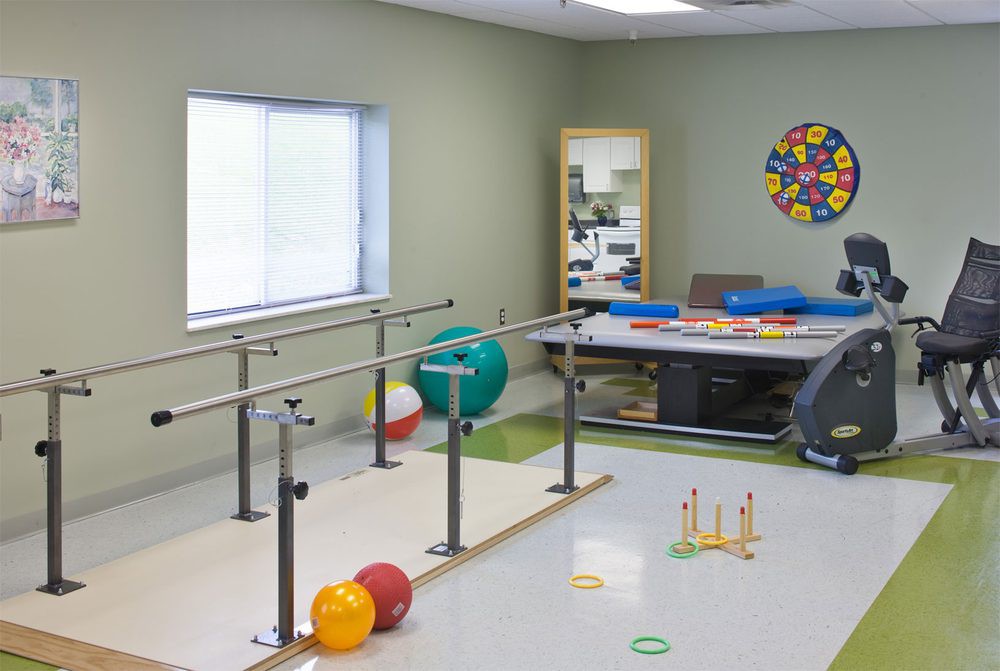
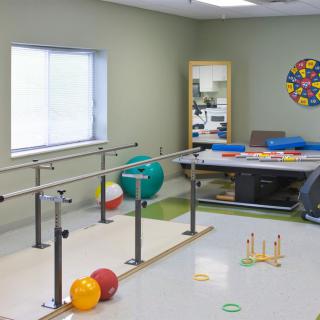
    A therapy room equipped with parallel bars and various exercise equipment for rehabilitation purposes.

Canterbury Center in Shepherdstown, WV

Information last verified:

80 Maddex Drive, Shepherdstown, WV 25443

For more information about senior living options: (844) 490-3973

3.8 from 64 reviews
5 stars
41
4 stars
4
3 stars
2
2 stars
1
1 stars
16

Seniors.FYI Elite Community Awards

Top 5% Senior Living Community in 2022

Add this award to your website

Canterbury Center Costs & Pricing

Canterbury Center offers competitive pricing for its residential care options, with semi-private rooms priced at $5,250 per month and private rooms at $5,550 per month. These rates align with those in Jefferson County, maintaining a consistent level of affordability within the region. In contrast, the average costs for similar room types in West Virginia reflect a significant reduction, with semi-private accommodations available for approximately $3,683 and private rooms starting at about $4,794. This discrepancy highlights Canterbury Center's positioning as a premium choice within the local market while still providing valuable services that justify its pricing structure.

Floor plansCanterbury CenterJefferson CountyWest Virginia
Semi-Private$5,250$5,250$3,683
Private$5,550$5,550$4,794

Overall Review of Canterbury Center

Pros

  • pro The staff are extremely helpful and caring.
  • pro The team is amazing.
  • pro The facility is clean and well kept, with staff who spend time with patients.
  • pro PT, OT, and Speech/Social Services are thorough, knowledgeable, and caring.
  • pro Canterbury’s staff are the best in the area.
  • pro The activities department is the best, consistently entertaining and engaging residents.
  • pro The rehab team keeps families updated on progress and goals.
  • pro The staff see residents as people and care for their every need.
  • pro The staff are welcoming and attentive.
  • pro The nursing staff are attentive, timely, and patient.

Cons

  • pro The facility is severely understaffed and cannot meet patients’ needs or hygiene requirements.
  • pro The food is unacceptable and staff have to spend extra time finding substitutes.
  • pro The staff are not attentive, and requests for simple assistance are often ignored.
  • pro There are reports of filth and poor hygiene, including using pillowcases to wash patients and inadequate bathing.
  • pro Residents’ belongings are stolen or mishandled, and some staff are dismissive or rude to families.
  • pro Communication is poor; calls and appointment requests are frequently unreturned.
  • pro Some reviewers describe the place as the worst ever and would not recommend it.

Review

Canterbury Center in Shepherdstown is best suited for seniors who benefit from a robust rehab program and for families willing to stay engaged to navigate care decisions. When physical therapy, occupational therapy, and speech therapy drive recovery, Canterbury often delivers clear plans, thorough assessments, and hands-on support from therapists and social workers. The setting and staff interactions can feel welcoming, and many residents respond well to the attentive, personable care that surfaces on several shifts. This is not ideal for residents with high-acuity needs requiring constant vigilant nursing oversight; in those cases, staffing levels and reliability may fall short. For families seeking near-perfect 24/7 nursing coverage or pristine housekeeping, exploring alternatives with deeper nurse-to-resident ratios is wise.

On the upside, Canterbury’s rehabilitation services are a core strength. PT/OT and speech therapy are described as thorough, with clinicians who set clear goals and monitor progress. The social work and admissions teams are frequently praised for guiding families through transitions and maintaining open communication. When staffing is adequate, bedside care is attentive and respectful, with nurses and aides striving to meet requests about meals, hygiene, and comfort. A clean, organized environment on visiting days reinforces the impression that Canterbury can be well-run when enough staff is present.

However, staffing shortages repeatedly surface as the dominant drawback. Multiple families report aides and nurses stretched thin, leading to delayed assistance, missed call-bells, and lapses in basic hygiene. Some residents experience long waits for attention, and call lights can go unanswered for extended periods, raising safety concerns for relatives. Housekeeping and laundry can be inconsistent, with notes of weekend gaps and missing items that never find resolution. Food quality also varies widely, from acceptable to disappointing, and meals are sometimes substituted only after delays, adding to frustration during rehab or long days. Administrative communication can slip, and there are distressing anecdotes about mislaid belongings and allegations of neglect. Taken together, these patterns undermine trust during transitions and long-term stays, especially for families that cannot always be on-site to supervise.

Yet the best experiences reveal a different picture: when the team is fully staffed, Canterbury shines with care that feels personal and thorough. Families praise dedicated therapists, wound specialists, and social workers who genuinely coordinate goals and keep everyone informed. The ability to move a patient through therapy with clear milestones can produce meaningful progress and a sense of dignity for residents who wish to regain independence. In those moments, the facility’s strengths, professionalism, compassion, and collaborative care, offset the friction caused by occasional staffing gaps. The takeaway is clear: Canterbury can deliver exceptional, person-centered care, but results hinge on sustained staffing levels and consistent frontline leadership during peak days.

Before making a choice, prospective families should verify staffing realities and care routines. Ask for current nurse-to-patient ratios on the shifts involved in the admission, and request a direct tour of the therapy space to gauge pace and thoroughness. Review the latest state inspection reports and any recent complaints, and inquire how management addresses issues around missing items, call-bell response, and meal service delays. Speak with the admissions director about the care plan, timelines for rehab milestones, and contingency plans for high-demand periods. If possible, arrange a short observation to see how efficiently the facility handles multiple tasks, especially how quickly call lights are answered and how the environment stays calm during busy times. Families should also confirm financial policies and ensure there is a clear process for ongoing family communications and updates.

Overall, Canterbury Center offers a solid, rehab-forward option with standout therapy teams and generally compassionate staff, but it requires acceptance of staffing variability and related risks. It is a fit for residents who need intensive rehabilitation and for families prepared to stay engaged and advocate for timely care. For those prioritizing constant nursing coverage, rigorous housekeeping, and consistent dining quality, alternatives should be considered. With careful due diligence, checking staffing patterns, tour feedback, and state records, Canterbury can be a place where a loved one not only recovers but is treated with dignity and respect, especially when families partner closely with administration and frontline staff to sustain high-quality care.

Features

Housing

  • 21 resident community capacity 21 resident community capacity

Types of Care

  • Skilled Nursing Facility Skilled Nursing FacilitySkilled Nursing Facilities are crucial for seniors as they provide round-the-clock medical care, rehabilitation services, and assistance with daily activities. These facilities ensure that seniors receive the specialized care they need to maintain their health and well-being as they age.

Amenities

  • Beauty salon Beauty salonBeauty salons are important for seniors because they provide a space for them to feel pampered, socialize, and maintain their personal grooming and hygiene. Regular visits to a beauty salon can help boost seniors' self-esteem and overall well-being.
  • Cable or satellite TV Cable or satellite TVCable or satellite TV is important for seniors because it provides entertainment, news, and companionship, helping to combat loneliness and boredom. It also offers a wide range of programming options tailored to different interests and preferences.
  • Dining room Dining roomDining rooms are important for seniors as they provide a space for socialization, connection, and nutritious meals. They offer opportunities for residents to bond over shared meals, foster a sense of community, and promote healthy eating habits. Dining rooms also ensure that seniors have access to well-balanced meals tailored to their dietary needs and preferences.
  • Fully furnished Fully furnishedFully furnished senior living communities are important for seniors because they provide convenience, comfort, and a hassle-free moving experience. Seniors can easily settle into their new living space without the stress of having to buy and move furniture. This allows them to focus on enjoying their new home and community.
  • Garden GardenGardens are important for seniors as they provide a peaceful and therapeutic environment for relaxation, physical activity, and socialization. Being in nature has been shown to reduce stress, improve mood, and promote overall well-being. Gardens also offer opportunities for seniors to engage in gardening activities, which can improve mobility, flexibility, and cognitive function. Additionally, gardens create a sense of community and connection with others who share a passion for plants and outdoor spaces.
  • Housekeeping services Housekeeping servicesHousekeeping services are important for seniors because they help maintain a clean and safe living environment, promote independence, and reduce the risk of accidents or illnesses. Additionally, having assistance with household chores can alleviate physical strain and allow seniors to focus on other aspects of their well-being.
  • Kitchenette KitchenetteKitchenettes are important for seniors living in senior living communities because they provide the convenience and independence of being able to prepare simple meals and snacks in the comfort of their own living space. This can help promote a sense of autonomy and well-being for seniors, allowing them to maintain some level of control over their dietary choices and daily routines.
  • Move-in coordination Move-in coordinationMove-in coordination is important for seniors because it helps ease the transition into their new living environment. It ensures that all logistics, such as packing, organizing movers, and setting up utilities are taken care of, allowing seniors to focus on settling in and adjusting to their new home. Having a smooth move-in process can alleviate stress and anxiety, making the transition smoother and more enjoyable for seniors.
  • Outdoor space Outdoor spaceOutdoor spaces are important for seniors as they provide opportunities for physical activity, social interaction, exposure to natural light and fresh air, and a sense of connection to nature. Having access to outdoor spaces can improve overall well-being and quality of life for older adults living in senior communities.
  • Private PrivatePrivacy is important for seniors as it allows them to maintain their independence, dignity, and sense of control over their own lives. It also gives them the space and freedom to relax, reflect, and engage in activities that bring them joy and fulfillment. Creating private spaces within senior living facilities is crucial for promoting overall well-being and quality of life.
  • Telephone TelephoneTelephones are important for seniors as they provide a lifeline for communication with loved ones, emergency services, and healthcare providers. They offer a sense of security and independence, enabling seniors to stay connected and access assistance when needed.
  • Wi-Fi/high-speed internet available Wi-Fi/high-speed internet availableWi-Fi/high-speed internet is important for seniors to stay connected with loved ones, access online resources, and participate in virtual activities to combat feelings of loneliness and isolation. It also allows them to easily manage healthcare needs, access entertainment, and engage in lifelong learning opportunities.

Care Services

  • 24-hour call system 24-hour call system24-hour call systems are important for seniors because they provide peace of mind and immediate assistance in case of emergencies. This technology ensures that help is always available, promoting safety and security for elderly individuals living alone or in assisted living facilities.
  • 24-hour supervision 24-hour supervision24-hour supervision is important for seniors to ensure their safety, well-being, and access to immediate assistance in case of emergencies or health issues. This constant support provides peace of mind for both seniors and their loved ones, allowing them to age in place with dignity and security.
  • Activities of daily living assistance Activities of daily living assistanceActivities of daily living assistance are important for seniors because they provide essential support with tasks such as eating, bathing, dressing, and mobility. This assistance helps seniors maintain their independence, dignity, and overall quality of life as they age.
  • Assistance with bathing Assistance with bathingAssistance with bathing is crucial for seniors as it helps maintain personal hygiene, prevents infections, and ensures their overall well-being and comfort. It also provides a sense of dignity and independence for seniors who may struggle with this task on their own.
  • Assistance with dressing Assistance with dressingAssistance with dressing is important for seniors because it helps maintain their independence, promotes personal hygiene, prevents accidents and injuries, and improves overall quality of life. This service ensures that seniors can continue to dress comfortably and confidently, despite any physical limitations they may have.
  • Assistance with transfers Assistance with transfersAssistance with transfers is crucial for seniors as it helps prevent falls and injuries, maintains their independence, and ensures they can safely navigate their living environment. It also provides peace of mind for both seniors and their loved ones.
  • Coordination with health care providers Coordination with health care providersCoordination with health care providers is crucial for seniors to ensure proper medical care, medication management, and overall well-being. This collaboration helps prevent overlapping treatments, track progress more effectively, and provide comprehensive support tailored to individual needs.
  • Diabetes diet Diabetes dietA diabetes diet is crucial for seniors as it helps manage blood sugar levels, reduce risks of complications, and improve overall health and well-being. By following a balanced and nutritious diet tailored to their specific needs, seniors can better control their diabetes and enhance their quality of life.
  • Meal preparation and service Meal preparation and serviceMeal preparation and service are crucial for seniors as they may have limited mobility or energy to cook nutritious meals. Having access to healthy and convenient food options can ensure they are getting the proper nutrition needed to maintain their overall health and well-being.
  • Medication management Medication managementMedication management is crucial for seniors to ensure they are taking the right medications at the correct dosages and times. This helps prevent adverse drug interactions, reduces the risk of medication errors, and promotes overall health and well-being. Proactive management also allows for adjustments as needed based on changing health conditions or new prescriptions.
  • Mental wellness program Mental wellness programMental wellness programs are essential for seniors as they promote cognitive stimulation, emotional support, and social engagement. These programs help prevent isolation, depression, and cognitive decline, ultimately enhancing the overall quality of life for older adults.
  • Special dietary restrictions Special dietary restrictionsSpecial dietary restrictions are important for seniors because age-related changes in metabolism and health conditions can make it difficult for their bodies to process certain foods. By following a diet tailored to their specific needs, seniors can maintain their overall health and well-being, manage chronic conditions, and reduce the risk of complications such as malnutrition or food interactions with medications.
  • Transportation arrangement (medical) Transportation arrangement (medical)Transportation arrangements for medical purposes are essential for seniors as they may have difficulty driving themselves to appointments or accessing public transportation. Having reliable and safe transportation options ensures that seniors can receive timely medical care and maintain their health and well-being.
  • Transportation to doctors appointments Transportation to doctors appointmentsTransportation to doctors' appointments is crucial for seniors as it ensures they have access to necessary medical care and support for their health needs. Without reliable transportation, seniors may struggle to attend important appointments, leading to potential delays in treatment and health complications. Providing transportation services helps seniors maintain their overall well-being and quality of life.
Dining

  • Diabetes diet Diabetes dietA diabetes diet is crucial for seniors as it helps manage blood sugar levels, reduce risks of complications, and improve overall health and well-being. By following a balanced and nutritious diet tailored to their specific needs, seniors can better control their diabetes and enhance their quality of life.
  • Special dietary restrictions Special dietary restrictionsSpecial dietary restrictions are important for seniors because age-related changes in metabolism and health conditions can make it difficult for their bodies to process certain foods. By following a diet tailored to their specific needs, seniors can maintain their overall health and well-being, manage chronic conditions, and reduce the risk of complications such as malnutrition or food interactions with medications.

Activities

  • Community-sponsored activities Community-sponsored activitiesCommunity-sponsored activities are important for seniors as they provide opportunities for social interaction, mental stimulation, and physical activity. These activities can help improve overall well-being, combat loneliness and isolation, and promote a sense of belonging and purpose among older adults.
  • Scheduled daily activities Scheduled daily activitiesScheduled daily activities are important for seniors because they provide structure, socialization, mental stimulation, and physical activity. Engaging in regular activities can improve overall well-being and quality of life for seniors living in a community setting.

Description

The Canterbury Center in Shepherdstown, WV is a premier assisted living community that offers a range of amenities and care services to cater to the unique needs of its residents.

Residents at the Canterbury Center can enjoy comfortable and fully furnished accommodations with options for cable or satellite TV, Wi-Fi/high-speed internet access, private telephones, and kitchenettes for their convenience. The community also boasts beautiful outdoor spaces and gardens that provide opportunities for relaxation and fresh air.

To ensure the well-being and comfort of residents, the Canterbury Center provides 24-hour supervision and assistance with activities of daily living such as bathing, dressing, and transfers. The dedicated staff also assists with medication management, coordination with healthcare providers, and follows special dietary restrictions including diabetes diet.

The community places a strong emphasis on mental wellness by offering a comprehensive mental wellness program designed to support the emotional and psychological needs of residents. Additionally, meal preparation and service are provided, ensuring that residents receive delicious and nutritious meals every day.

Transportation arrangements are made for medical appointments, allowing residents to easily access healthcare services when needed. In addition to this convenience, there are several nearby amenities available to residents including cafes, parks, pharmacies, restaurants, physicians' offices, and places of worship.

At the Canterbury Center in Shepherdstown, WV, residents can expect a comfortable and supportive environment with attentive care services tailored to their individual needs. With ample amenities and convenient nearby facilities, this assisted living community offers an enriching lifestyle for its residents.

Nearby Places of Interest

This part of Shepherdstown, West Virginia, offers a variety of essential services and amenities that cater to the needs of senior citizens. With multiple physicians, pharmacies, and a hospital within close proximity, residents have convenient access to healthcare facilities. Additionally, there are several places of worship nearby for spiritual fulfillment. The area also boasts a selection of restaurants and cafes where seniors can enjoy dining out or socializing with friends. For outdoor activities, there are parks within a short driving distance, providing opportunities for leisurely walks or picnics. The town's transportation options, such as the Amtrak station and nearby Harpers Ferry Train Station, offer easy travel connections for those looking to explore beyond the local area. Overall, this part of Shepherdstown provides a welcoming community with essential resources and recreational opportunities for seniors looking to settle in the area.

Physicians

  • Palank Brian DDS (0.1 miles)
  • Family Medicine Center (6.8 miles)
  • Michael L Kisner DR Chirprctr (7.9 miles)
  • Electra Vision (8.1 miles)
  • Behavioral Health Services (8.4 miles)
  • Panhandle Neurology Center (8.5 miles)
  • Martinsburg Pediatrics (8.5 miles)

Pharmacies

  • Walgreens (0.1 miles)
  • Epic Pharmacies (2.8 miles)
  • Sharpsburg Pharmacy (2.8 miles)
  • Patterson's Drug Store (7.9 miles)
  • Walgreens (8 miles)
  • CVS Pharmacy (8 miles)
  • Martinsburg Pharmacy (8.7 miles)

Places of Worship

  • Trinity Episcopal Church (0.6 miles)
  • St Joseph Catholic (7.9 miles)
  • Trinity United Methodist Church (8 miles)
  • Martinsburg Seventh Day Adventist Church (9.7 miles)

Restaurants

  • Betty's Restaurant (0.7 miles)
  • The Devonshire Arms Cafe & Pub (0.8 miles)
  • Blue Moon Cafe (0.8 miles)
  • Alma Bea (0.8 miles)
  • Nutter's Ice Cream (4 miles)
  • Captain Benders Tavern (4 miles)
  • Brix 27 (7.9 miles)

Cafes

  • Lost Dog Coffee (0.8 miles)
  • The Black Dog Coffee Company (5.7 miles)
  • Panera Bread (8.2 miles)
  • Starbucks (9.1 miles)
  • Panera Bread (9.1 miles)
  • Daily Grind (9.2 miles)
  • A.M. Brews (9.8 miles)

Parks

  • Morgan's Grove Park (1 miles)
  • Bolivar Heights Battlefield (8.3 miles)
  • Harpers Ferry National Historical Park (8.8 miles)
  • War Memorial Park (8.9 miles)
  • Brownsville Community Pond (9.1 miles)

Transportation

  • Amtrak-Mrb (7.8 miles)
  • Harpers Ferry Train Station (9 miles)

Hospitals

  • WVU Hospitals-East City Hospital (9.2 miles)

Frequently Asked Questions

How much does it cost to live at Canterbury Center in Shepherdstown, WV?
Where is Canterbury Center?
What photos are available for Canterbury Center in Shepherdstown, West Virginia?

Nearby Communities

  • Care Haven Center

    Care Haven Center

    Martinsburg, WV

    4 from 63 reviews
     

    pro Intimate, small community with 24/7 supervision and comprehensive care services.

  • Care Haven Center

    Care Haven Center

    Martinsburg, WV

    4 from 72 reviews
    $5,250 to $5,550 / month

    pro Skilled nursing with private rooms and convenient access to amenities.

  • Green Hills Group Home

    Green Hills Group Home

    Keedysville, MD


    pro Spiritual wellness emphasis with social activities and diabetic care.

  • Elisabeth's House I

    Elisabeth's House I

    Keedysville, MD

    3.9 from 8 reviews
     

    pro Helpful initial staff (Minnie) with a plan for dementia care and a refundable amount offered.

  • Countryside Assisted Living

    Countryside Assisted Living

    Martinsburg, WV

    5 from 4 reviews
     

    pro Small, personalized community with comprehensive care and diabetes-friendly dining.

  • Senior Tower Apartments

    Senior Tower Apartments

    Martinsburg, WV

    3.2 from 9 reviews
     

    pro Prime location with broad access to dining, healthcare, parks, and worship.

  • Kings Daughters Court

    Kings Daughters Court

    Martinsburg, WV

    4.5 from 10 reviews
     

    pro Comfortable assisted living with on-site activities and strong access to nearby healthcare, dining, and worship options.

  • Celebration Villa of Martinsburg

    Celebration Villa of Martinsburg

    Martinsburg, WV

    4.3 from 68 reviews
    $3,653 to $5,403 / month

    pro Friendly, engaged staff and a lively activities program.

  • Harmony At Martinsburg

    Harmony At Martinsburg

    Martinsburg, WV

    4.5 from 45 reviews
    $3,500 / month

    pro Vibrant, well-maintained community with engaging activities and elegant dining.

Related Resources

  • how to pay for nursing homeNavigating the Financial Road to Nursing Home Care: In-Depth Guidance and Resources

    The article offers detailed guidance on the financial complexities of nursing home care, covering costs, payment methods, and alternative funding strategies while emphasizing the importance of proactive planning and legal considerations for individuals and families making care decisions.

  • caregiver benefitsSupportive Employee Benefits That Help Caregivers Attain Better Work-Life Harmony

    The article emphasizes the critical role of supportive employee benefits for caregivers, advocating for flexible scheduling, paid leave, and mental health services to ease their challenges while enhancing employee well-being and organizational loyalty. It also highlights the importance of strong leadership in promoting these initiatives to foster a sustainable workplace culture that values caregivers.

  • best car for seniorsTop Cars for Senior Drivers and Essential Safety Innovations
    Senior drivers prioritize comfort, safety, and ease of use in vehicles due to age-related challenges, seeking features like easy entry, clear visibility, and modern driver-assistance technologies. Recommended models include the Subaru Forester, Honda CR-V, and Toyota Camry, with emphasis on test-driving for personal comfort and evaluating crash-test ratings alongside insurance considerations.