
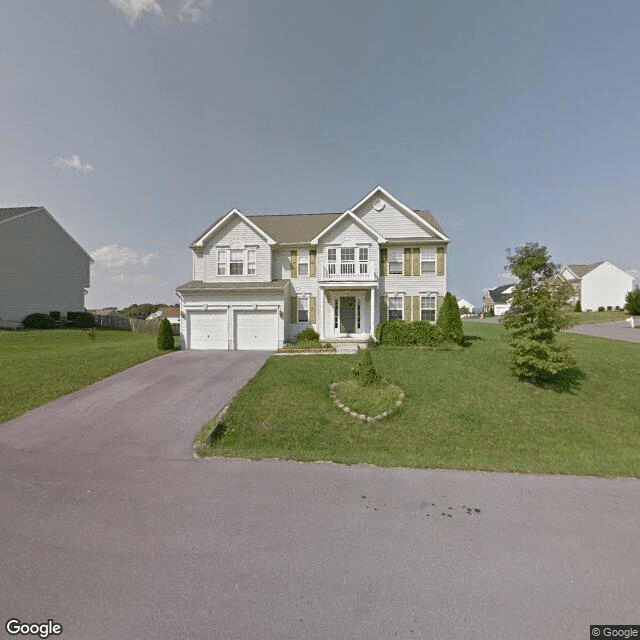
36 Yankee Drive, Keedysville, MD 21756
To contact a resident: (301) 432-6211
For more information about senior living options: (866) 208-4318
Overall Review of Elisabeth's House I
Pros
 Elisabeth House provides top-notch care and makes residents feel cared for, with warmth and affection.
- The staff at Elisabeth House are attentive and compassionate, helping loved ones feel at home.
- The environment at Elisabeth House is warm, welcoming, and safe.
- Elisabeth House is described as a home away from home, with meticulous attention to detail and high professionalism.
- Families gain peace of mind knowing their loved ones are in Elisabeth House.
- Elisabeth House delivers value for money along with professional service.
- The hospitality at Elisabeth House is outstanding.
Cons
 The facility could not deal with the mother’s wandering, leading to her being asked to leave.
 - Pricing information changed during the process, with an initial $500 move-in fee and $2,000 per month, later rising to $2,200 per month.
- The safety of dementia patients was in question, as doors were locked/unlocked with codes rather than being reliably secure.
- The family felt misled about fees and refunds, effectively losing $500 and awaiting an unsatisfactory refund of $2,200.
- They would not recommend Elisabeth House to families with a loved one who has dementia, calling the experience very disappointing.
Review
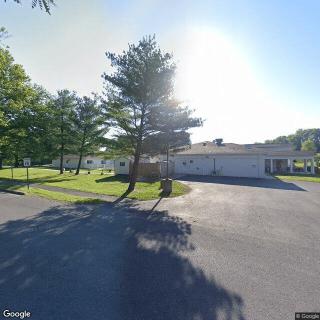
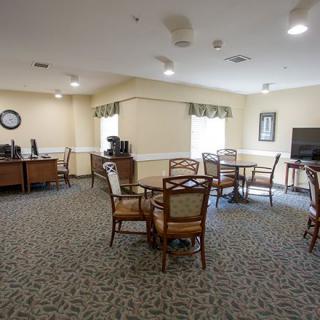
Elisabeth's House I in Keedysville is best suited for seniors who prize a warm, home-like environment and staff who invest personal attention in daily care. Families seeking visible, ongoing caregiving relationships and a setting that feels welcoming rather than clinical will find this community compelling. It tends to fit residents with modest to moderate care needs, where the goal is comfort, daily routine, and peace of mind for relatives through reliable, attentive staff, without requiring intensive medical supervision.
Alternatives come into play for residents with significant memory challenges or wandering risk. For families facing dementia with the possibility of wandering, a facility with clearly defined secure memory-care programming and locked-access safeguards is essential. Pricing matters are important as well; at least one historical account describes confusion around move-in fees and rate changes, underscoring the need for obtaining a current, written contract and a precise breakdown of services and obligations before committing.
On the upside, staff attentiveness and genuine compassion repeatedly surface as the core strengths. Residents are described as cared for with warmth, treated with dignity, and kept in a safe, welcoming environment, and that level of personal attention translates into meaningful peace of mind for families. These strengths, in practice, offset many non-medical needs and foster a sense of belonging. Yet these positives do not fully neutralize concerns about dementia care and risk management for wandering residents, and the most troubling account centers on security gaps and questions about whether operations aligned with care expectations.
Prospective movers should weigh these tangible benefits against the possible downsides. The atmosphere is consistently portrayed as a quiet, professional setting where hospitality and reliable communication are valued; many families cite good value for money and professional responsiveness. However, the caveat remains: higher-security needs or abrupt changes in medical status may outpace what the facility can reliably provide, and questions about financial terms require direct, current verification. Inquiry should focus on memory-care specialization, door security protocols, and the specifics of the resident agreement.
Keedysville’s small-town ambiance contributes to a sense of belonging and continuity, with residents often described as enjoying personal attention and a predictable daily rhythm. The practical benefits, easy visitation, staff accessibility, and a home-like routine, are meaningful anchors for seniors who thrive on consistency and close-knit caregiving teams. The potential drawbacks lie in whether the level of medical and memory support will evolve with need and whether security features are robust enough to handle wandering if it arises in the future.
Overall, Elisabeth's House I should be considered by families prioritizing warmth, attentiveness, and a genuinely homelike feel in assisted living. It is a viable option for residents with moderate care needs who value consistent human connection and a comforting daily routine. For families confronting significant dementia-care requirements or who demand flawless pricing transparency and fail-safe security measures, alternatives merit deeper exploration. A thorough visit, candid conversations with the care director, and a clearly written care plan will reveal whether this community can reliably meet long-term priorities or if another option better aligns with the required level of supervision and predictability.
 Diabetic care




 Navigating Medicare Coverage for In-Home Care Services
 In-Home Care Costs in 2025: A Detailed State-by-State Exploration
 Understanding Home Health Care: A Comprehensive Guide