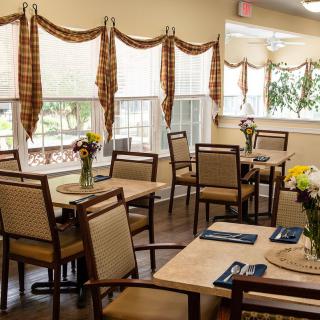
Reeder's Memorial Home in Boonsboro, MD
Save
Information last verified:
141 S Main St, Boonsboro, MD 21713
For more information about senior living options: (844) 490-3973
Reeder’s Memorial Home in Boonsboro, MD is best suited for families prioritizing aggressive, rehab‑focused care where the therapy team drives progress and where residents benefit from a cleaner, more intimate setting. Put plainly: this community can shine for short‑term rehabilitation and memory‑care matching when the staff-to-resident dynamic is strong, and when families are able to engage actively with care planning. Review history shows a spectrum of experiences, but the strongest, most durable positives center on competent physical therapy and a personable nursing presence on many floors, along with well‑kept common areas and a generally welcoming atmosphere for visitors. For families with a clear goal of recovery and a need for daily, hands‑on rehabilitation, the positives can translate into meaningful mobility gains and a smoother transition back home.
However, potential residents and their families should explicitly consider alternatives if reliability and steady communication are nonnegotiable. Across the feedback pool, concerns about staffing levels and consistency loom large. Several accounts point to periods of understaffing, with staff appearing stretched or overwhelmed, leading to slow responses, missed cues, and gaps in basic care tasks. When every shift feels thin, the risk of medication delays, missed assistance, and inadequate monitoring rises, which is unacceptable for individuals with complex needs or high fall risks. If a family cannot tolerate variability in attention or frequent follow‑up questions, exploring other nearby facilities with demonstrably lower turnover and stronger family communication protocols is prudent.
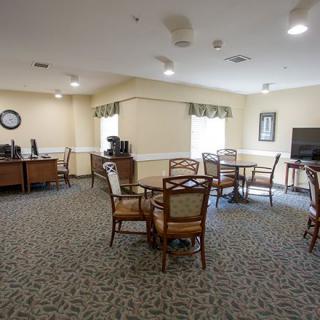
The strongest pros, an active rehabilitation program, attentive therapists, and generally clean, orderly environments, do provide meaningful counterweight to the drawbacks when paired with careful oversight. Reviewers consistently highlight the value of robust physical therapy and an engaged therapy staff, with residents reporting tangible improvements in mobility and endurance. Where care teams are steady, families note kindness from nurses and CNAs, responsive admissions staff, and clear routines that help residents settle. The facility’s layout and room options can be comfortable, with bright, private spaces and accessible common areas that support social engagement, especially for memory‑care residents who respond to structured activities and regular staff interaction. In short, the core clinical offerings can be a strong fit for recovery‑oriented goals when staffing stability and communication are solid.
Yet the main cons cannot be dismissed. The most persistent red flag is inconsistency in care quality tied to staffing fluctuations, which feeds a perception of uneven experiences across wings and shifts. Several reviews recount episodes of delayed medications, slow call‑bell responses, and gaps in routine monitoring, sometimes escalating into serious safety concerns. Complaints about communication gaps, between front desk, social work, nursing, and families, leave loved ones feeling out of the loop during critical transitions. Additional negatives include reports of environmental wear, odor issues, and occasional lapses in housekeeping or equipment maintenance; while not universal, these anecdotes color the impression of a facility that has not achieved uniform consistency. A few reviews even describe theft or neglect in extreme cases, which understandably makes families wary. This combination, staffing variability plus communication friction, primarily drives the decision risk for long‑term placement.
Given this landscape, practical due diligence becomes essential. Prospective families should demand live tours during multiple times of day, including evenings and weekends, to observe actual staff coverage and floor dynamics. Ask for a direct conversation with the director of nursing or the director of operations to gauge current staffing models, caregiver turnover, and the facility’s plan for maintaining consistent med passes and timely responses. Review recent state inspection findings and any ongoing corrective actions, and talk with current residents and families about day‑to‑day experiences, particularly on the memory‑care floor versus the rehabilitation wing. Finally, request a trial stay or a clearly defined short‑term stay with documented milestones in mobility, self‑care, and reentry to home, so progress can be measured against expectations.
Bottom line: Reeder’s Memorial Home can be a strong choice for families who want an emphasis on rehab quality and who can tolerate some variability in day‑to‑day operations. When staffing is stable and communication is proactive, the facility demonstrates real value through engaged therapy, clean environments, and compassionate care on many shifts. For families where consistent staffing, rapid caregiver responses, and transparent, reliable communication are nonnegotiables, it is wise to compare options and press for assurances before committing. In the right circumstances, a well‑run rehab‑centric program with dependable staffing, the payoff can be substantial. In others, particularly where oversight and consistency feel uncertain, exploring alternatives with proven reliability may protect both safety and peace of mind.
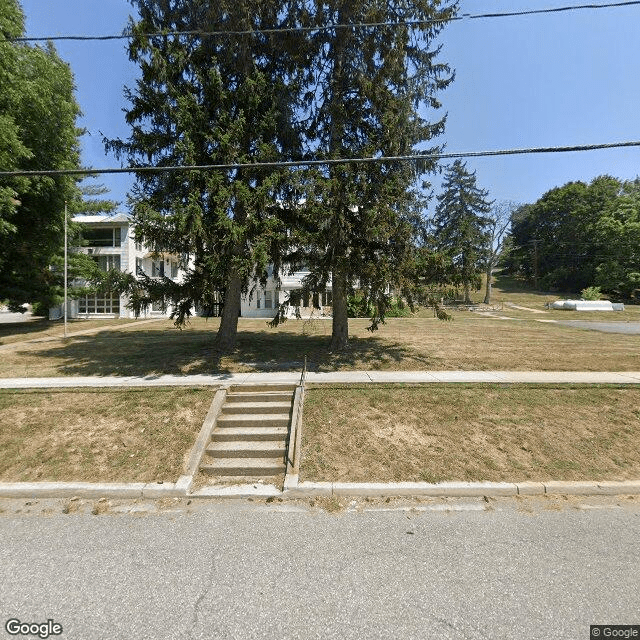
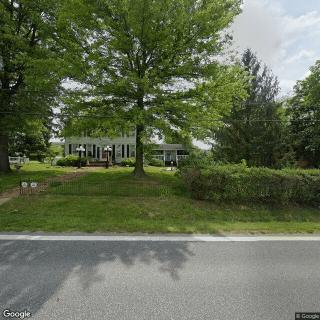
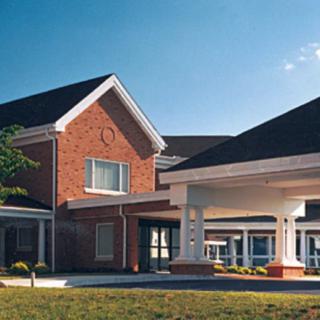
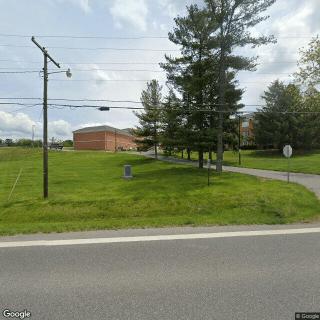
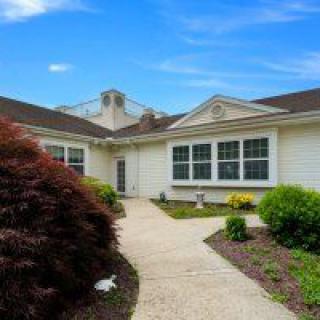
Reeder's Memorial Home, located in the charming town of Boonsboro, MD, is a welcoming assisted living community that prioritizes comfort and care for its residents. Nestled in a serene environment, this home offers a perfect blend of independence and support, making it an ideal choice for seniors seeking a vibrant lifestyle.
The community is enriched by the natural beauty of nearby parks, providing residents with opportunities for leisurely strolls, outdoor activities, and social gatherings amidst nature. Whether enjoying a peaceful afternoon or engaging in recreational events, residents can make the most of their surroundings.
Healthcare is also easily accessible with two nearby physicians available to cater to the health needs of residents. This proximity ensures that medical assistance is just moments away, allowing families to have peace of mind knowing that their loved ones are well-cared-for.
Dining options are conveniently close with a restaurant nearby, offering diverse culinary experiences. Residents can enjoy meals out with friends or family members or participate in community dining events that foster camaraderie among neighbors.
At Reeder's Memorial Home, seniors experience not only excellent care but also an enriching lifestyle filled with companionship and engaging activities, truly making it a wonderful place to call home.
Located in Boonsboro, Maryland, this area offers a mix of natural beauty and convenient amenities for senior living. With parks like Washington Monument State Park and Catoctin Creek Park nearby, residents can enjoy outdoor activities and scenic walks. There are also several healthcare options within a short drive, including Family Medicine Center and Meritus Health hospital. For dining options, there is a variety of restaurants such as Captain Benders Tavern and Cracker Barrel, as well as cafes like Rik's Cafe and Lost Dog Coffee. Additionally, there are pharmacies like CVS and Walgreens for easy access to medications. Places of worship such as Trinity Episcopal Church and St Joseph Catholic Church provide spiritual support for those seeking religious services. Overall, this area offers a peaceful setting with plenty of resources to support a comfortable retirement lifestyle.
Reeder's Memorial Home is located at 141 S Main St, Boonsboro, MD 21713 in Washington County, Maryland
Understanding Hospice Care at Home: Comprehensive Services, Key Benefits, and Eligibility

Hospice care at home provides specialized end-of-life support that focuses on comfort and dignity for individuals with life-limiting illnesses, offering a range of services including medical management, emotional and spiritual support, and logistical assistance tailored to the family's needs. It involves collaboration to create individualized care plans and extends to bereavement support after a loved one's passing.
Understanding the Full Cost of 24/7 In-Home Care: A Detailed Overview

The guide outlines the rising costs of 24/7 in-home care, ranging from $10,000 to over $20,000 monthly, driven by factors such as location and caregiver qualifications. It discusses the limited coverage by Medicare and private insurance, potential Medicaid support, and the emotional and living condition considerations influencing families' decisions on care arrangements.
Exploring the World of Home Health Nurses: Qualifications, Roles, and Hiring Tips
Home health nursing is an expanding field where licensed professionals provide specialized medical care in patients' homes, addressing the needs of an aging population through personalized services like assessments and medication management. Effective collaboration with healthcare teams, cultural sensitivity, and quality assurance measures are essential for fostering trust and ensuring positive patient outcomes.